LifespanUp to 20 years
Quick Facts


HabitatTropical rainforests
Okapi

Elusive Forest Dweller
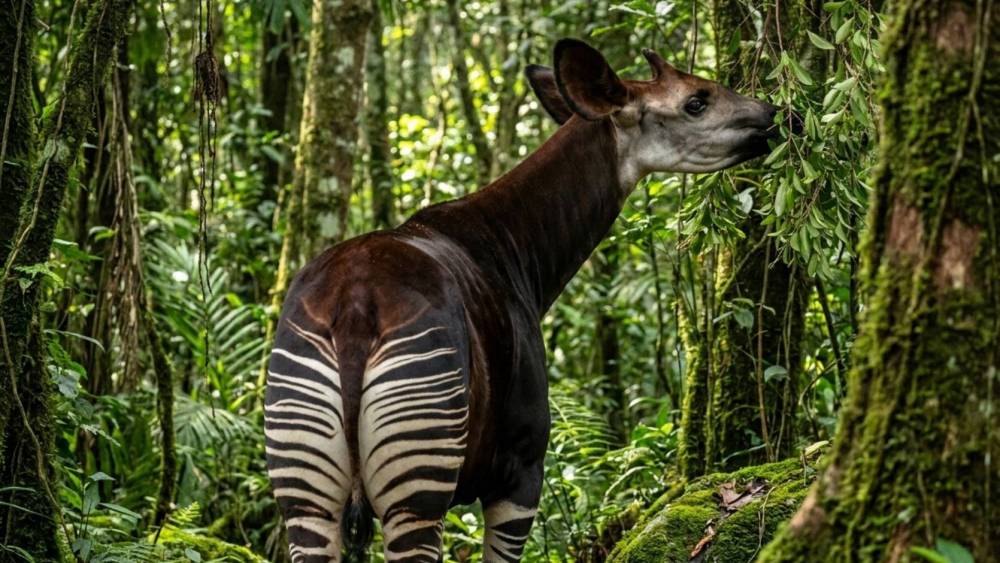
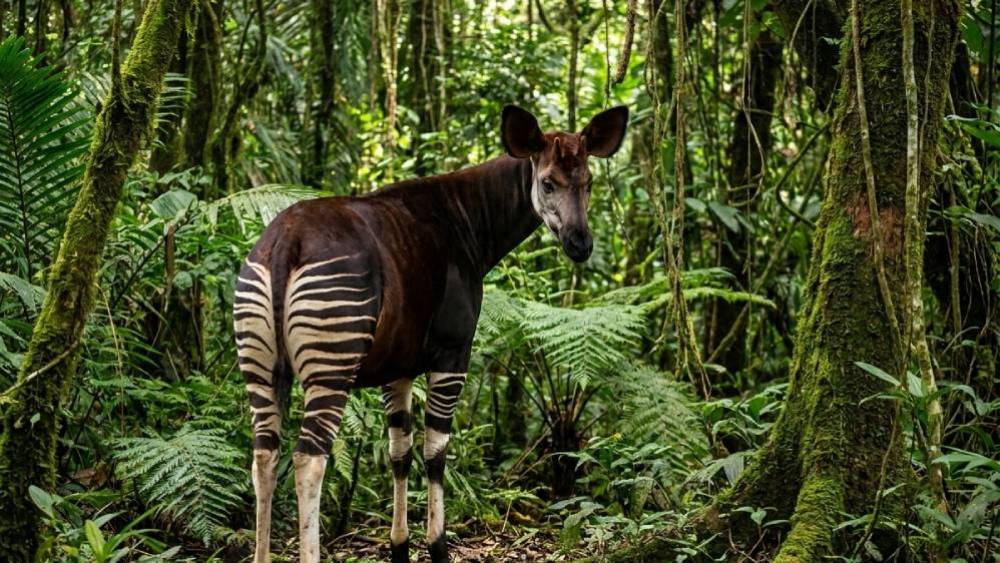
Okapis inhabit the dense rainforests of northeastern Democratic Republic of the Congo. Shy and elusive, they rely on keen hearing to detect danger and retreat quickly.
Though long known to local communities, they remained unknown to science until 1901 due to their secretive nature.
A Relative of Giants
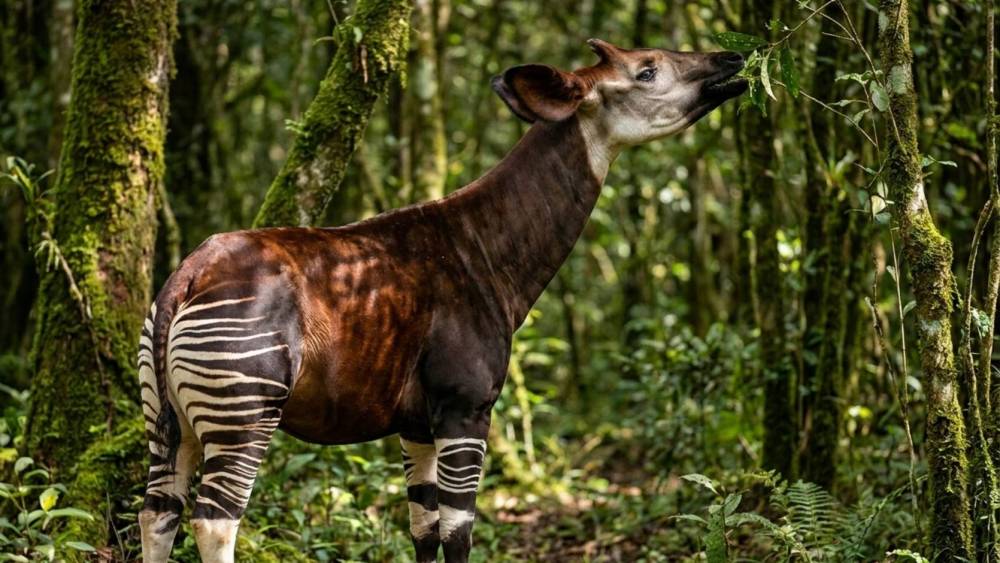
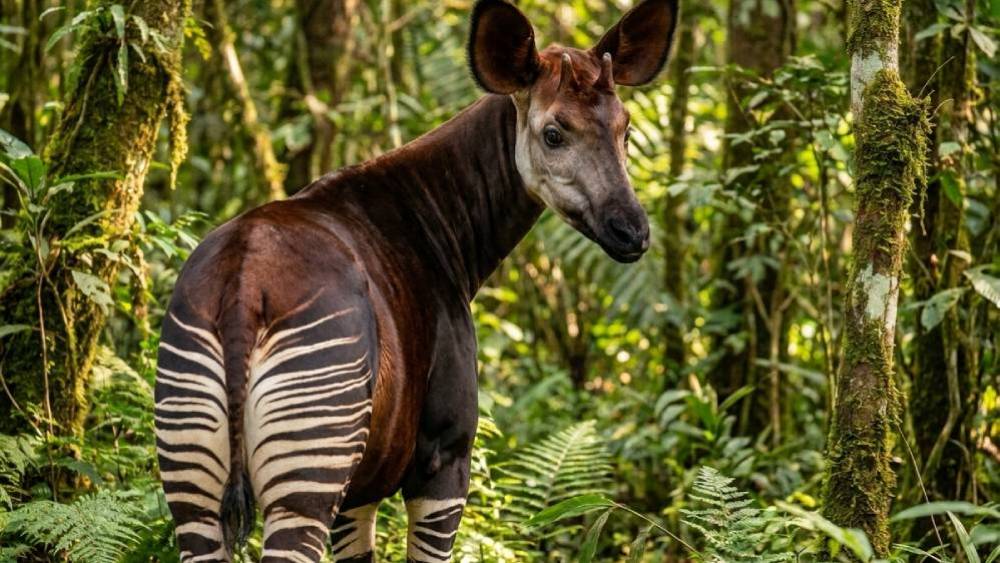
Despite their zebra-like stripes, okapis are the only living relatives of giraffes. Their bold markings provide effective camouflage in dappled forest light, helping them blend into their surroundings.
These stripes may also help calves follow their mothers and assist adults in locating one another.
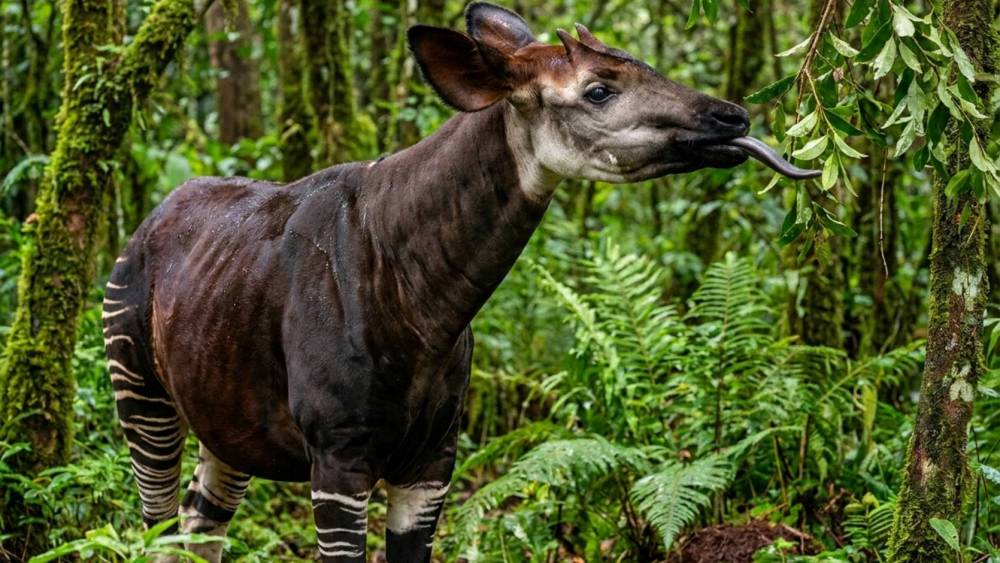
Perfectly Adapted
Okapis are well adapted to rainforest life, with dense, oily coats that repel water. Their independently rotating ears detect sounds from multiple directions, while their long, flexible tongue helps them grasp leaves and groom. These features allow them to thrive in dense, wet environments.
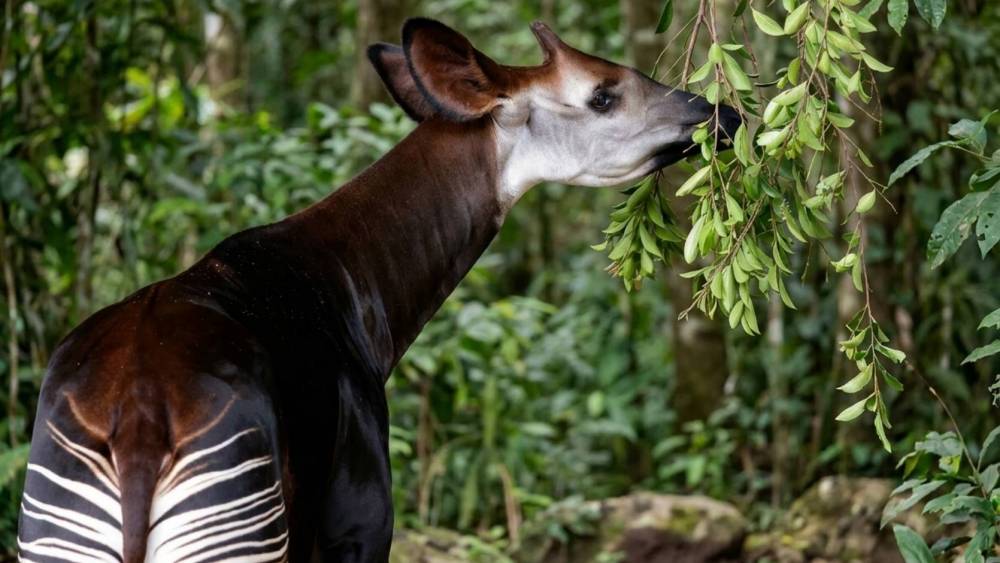
Forest Foragers
Every day, okapis travel almost a kilometre in search of food, and digest almost 30kg of tough plant matter daily with a multi-chambered stomach! They may also occasionally consume clay for their minerals.
Together, We Protect Wildlife
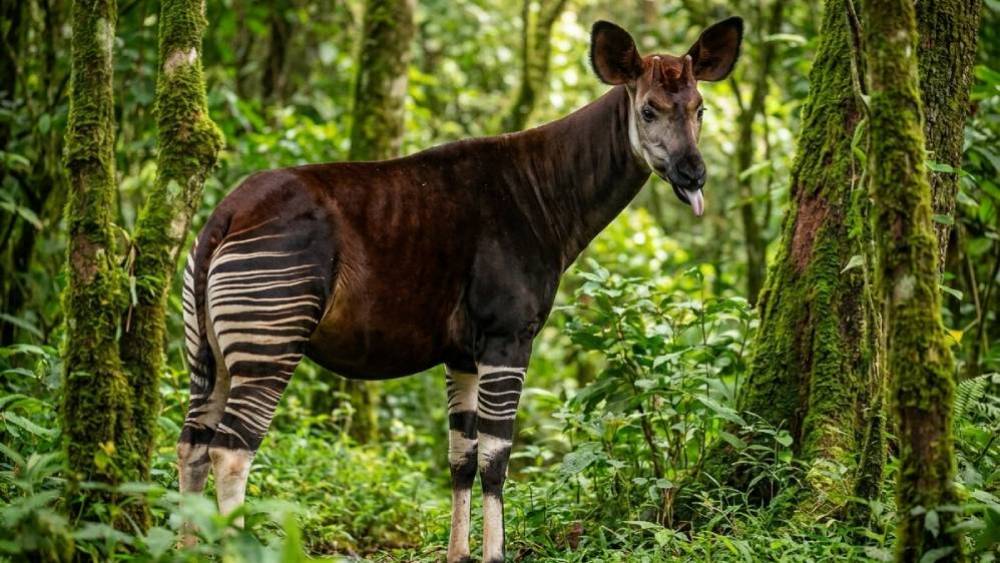
Safeguarding Species
Poaching and habitat loss have led to severe okapi population decline, with scientists estimating that their rate of decline has exceeded 50% over three generations.
We work with member zoos to sustain the population of okapis under human care. Transfer of individuals for breeding enhances genetic diversity to maintain a healthy population.
The IUCN Status
EN
Endangered
At very high risk of extinction in the wild
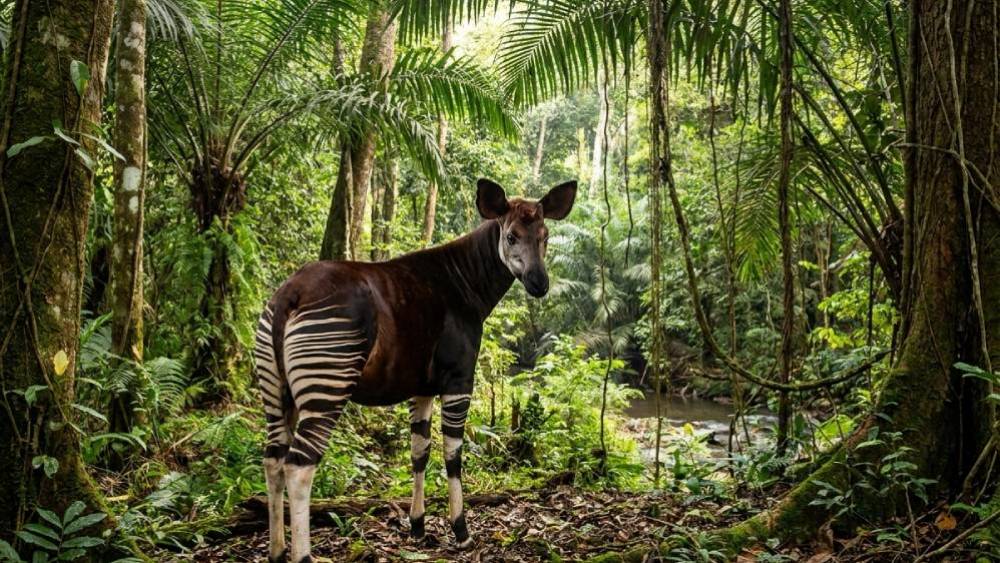
Okapi Conservation Project
We support and fund the Okapi Conservation Project (OCP), which protects wildlife within the Okapi Wildlife Reserve, a protected rainforest in the Democratic Republic of the Congo that safeguards vital habitat for okapi and other endangered species.
The IUCN Status
EN
Endangered
At very high risk of extinction in the wild
On-the-Ground Protection
Through this partnership with OCP, ecoguards patrol the forest to combat poaching, illegal mining and deforestation, while monitoring endangered species such as okapi, forest elephants and chimpanzees.
These guards also collect vital wildlife data during patrols, which have increased detection of illegal activities while ensuring the forest remains a safe refuge for its diverse wildlife.
The IUCN Status
EN
Endangered
At very high risk of extinction in the wild
Working with Communities
OCP also works closely with over 50,000 people living in and around the reserve. Through education, outreach and sustainable farming support, communities are empowered to protect their environment, becoming vital partners who help monitor threats and ensure okapi can thrive in the wild.
The IUCN Status
EN
Endangered
At very high risk of extinction in the wild

The IUCN Red List of Threatened Species
The IUCN Red List of Threatened Species is widely recognized as the most comprehensive, objective global approach for evaluating the conservation status of plant and animal species.
DD
Data Deficient
Unknown risk of extinction
LC
Least Concern
At relatively low risk of extinction
NT
Near Threatened
Likely to become vulnerable in the near future
VU
Vulnerable
At high risk of extinction in the wild
EN
Endangered
At very high risk of extinction in the wild
CR
Critically Endangered
At extremely high risk of extinction in the wild
EW
Extinct in the Wild
Survives only in captivity
EX
Extinct
No surviving individuals in the wild or in captivity