Ah Meng

Catch Ah Meng on TV
Ah Meng's Story
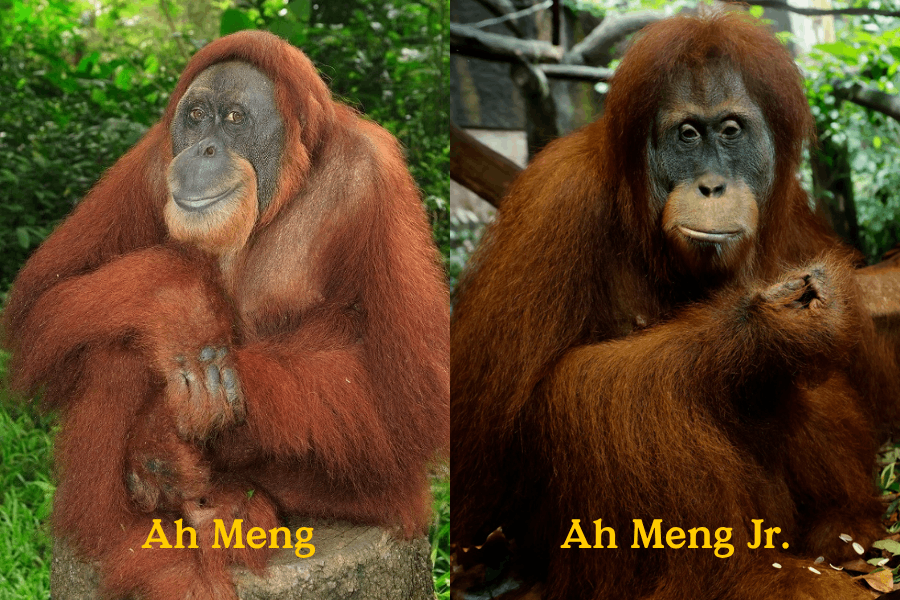

A Familiar Name
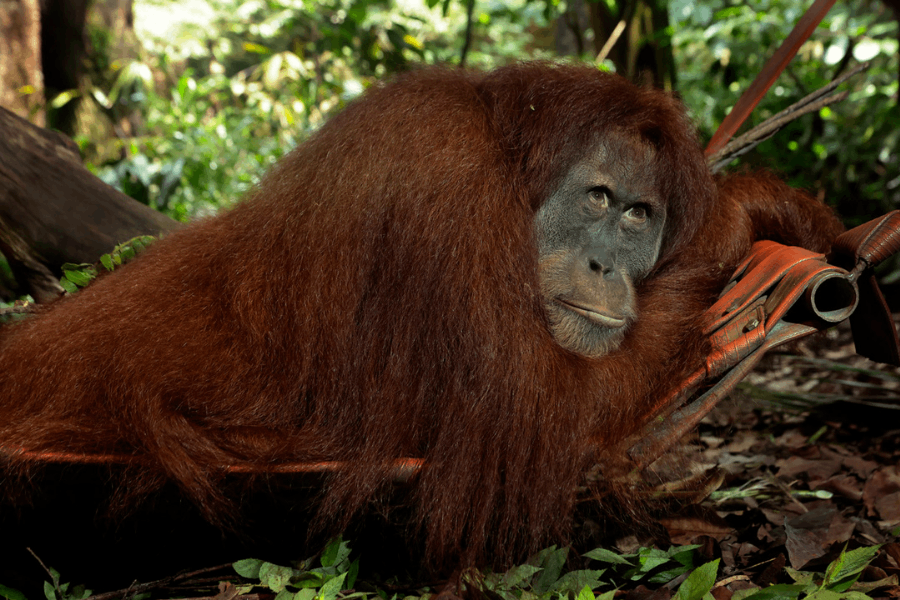
Ah Meng was born on 8 March 2011 at Singapore Zoo and inherited one of the most recognisable names in the park’s history. She is the granddaughter of the original Ah Meng — the well-known Sumatran orangutan who met world leaders, welcomed millions of guests, and became the only non-human tourism ambassador ever appointed by the Singapore Tourism Board.
It is, admittedly, rather a legacy to inherit. Fortunately, Ah Meng has approached the matter in typical orangutan fashion: calmly, quietly, and entirely at her own pace.
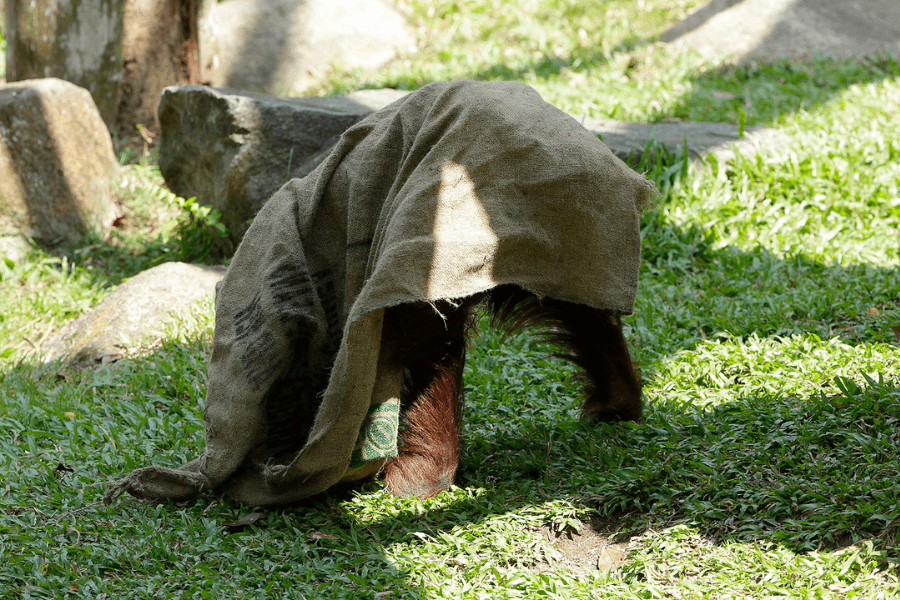
Durian, Mango and Her Gunny Sack
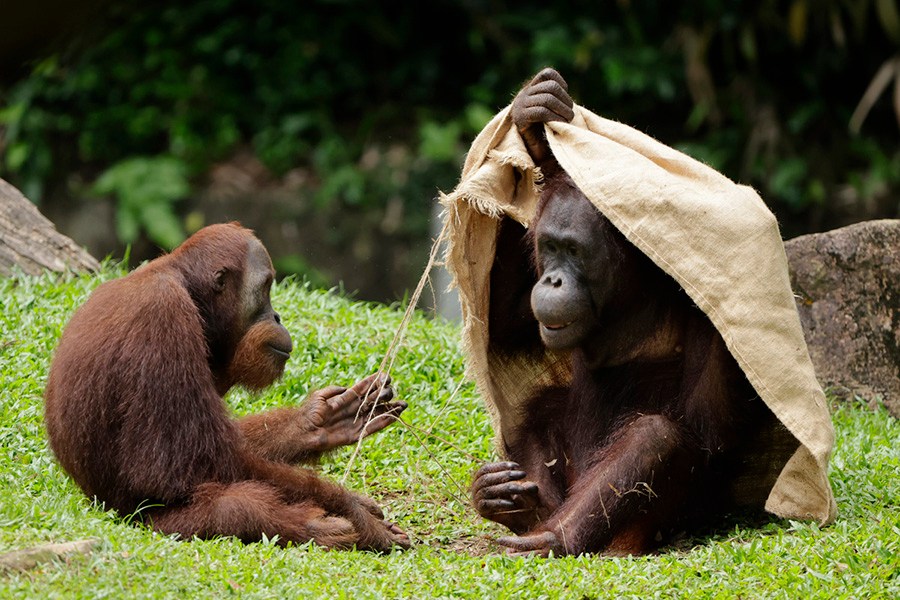
As a younger orangutan, Ah Meng displayed the curiosity and playfulness typical of the species. With age, however, she has become noticeably more measured and observant. She has clear food preferences — durian and mango rank particularly highly — and is frequently seen carrying or resting with her gunny sack, which functions as both enrichment and comfort.
Orangutans, after all, are known for their intelligence. And occasionally, for becoming quite attached to specific household items.
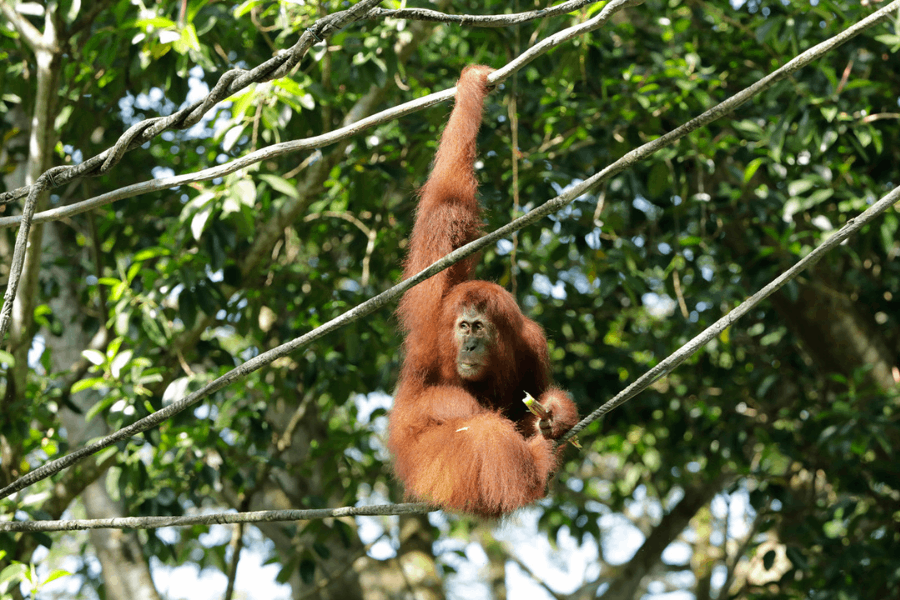
Continuing A Well-Known Legacy
Today, Ah Meng is one of the most recognisable orangutans at Singapore Zoo, and encounters with her provide valuable opportunities to learn more about the intelligence, dexterity, and social behaviour of a critically endangered species.
Much like her grandmother before her, Ah Meng has become an important ambassador for orangutan conservation — though one suspects she remains largely unaware of the title.
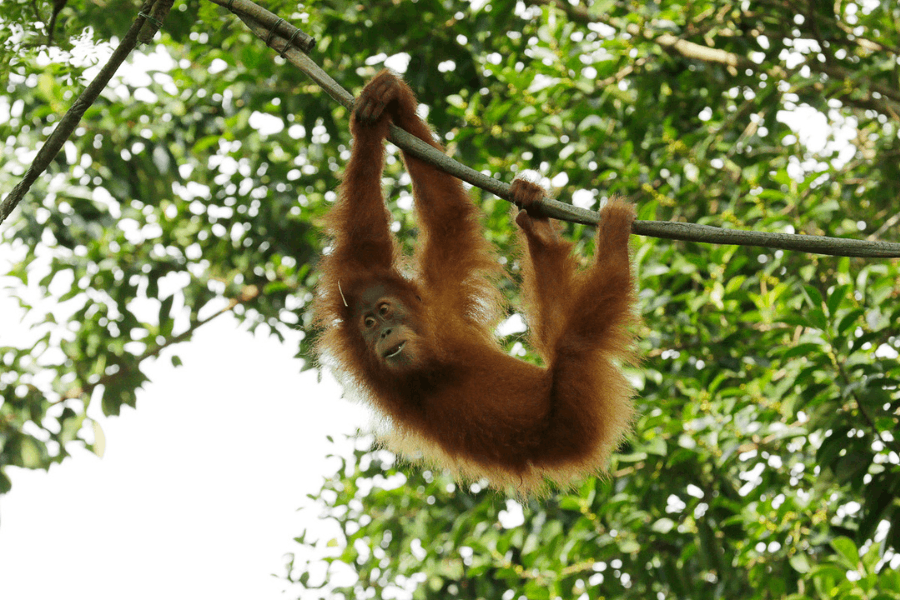
Why She Matters
Sumatran orangutans are critically endangered, with fewer than 14,000 estimated to remain in the wild. Habitat loss and the illegal wildlife trade remain the greatest threats to their survival.
At Singapore Zoo, Ah Meng receives dedicated daily care, including health observations and voluntary husbandry training that supports routine medical procedures. Every guest who meets Ah Meng leaves with a deeper understanding of why her species and the forests they depend on are worth fighting for.
Fan Meets with Ah Meng
Orangutan Hut at Orangutan Island
Thu – Sun & Public Holidays