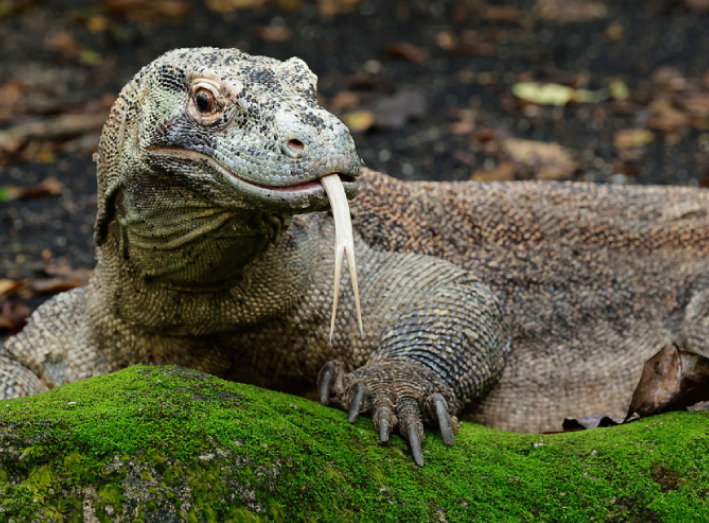
Venomous and massive, this lizard runs at speeds up to 20km/h, and can even vomit to flee faster when threatened!
Step into Reptile Kingdom, where ancient giants like the Aldabra tortoise and Komodo dragon await. From sleek gharials to vibrant chameleons, discover a fascinating world of reptiles thriving in carefully designed habitats.
Learn how we’re helping protect endangered species through dedicated conservation efforts—and uncover the remarkable adaptations that help these animals survive and thrive.
Zones
Armoured Reptiles
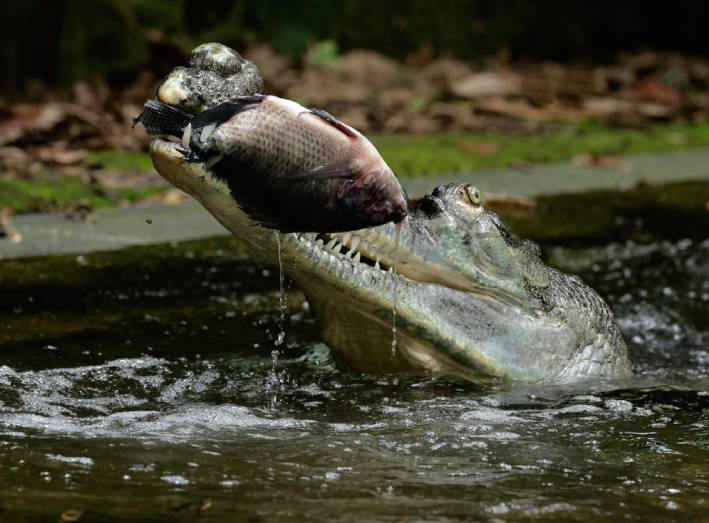
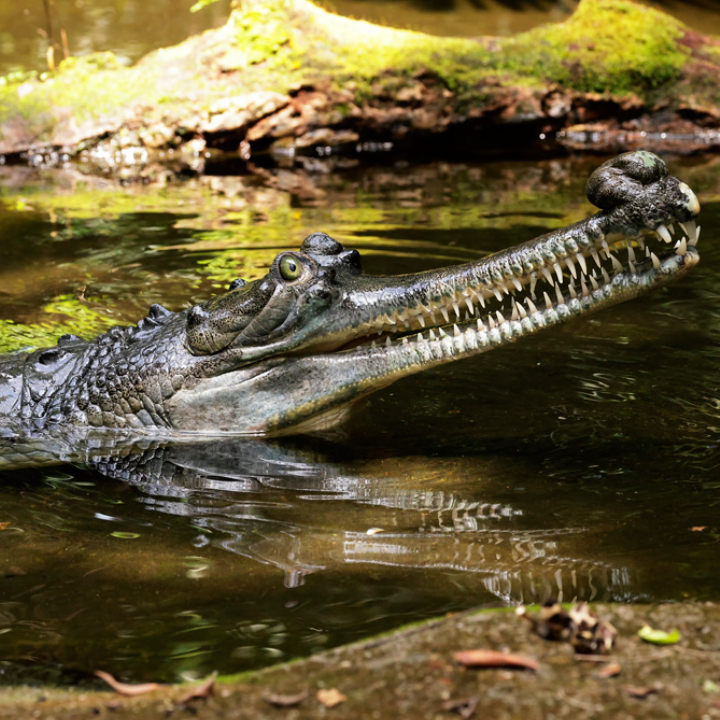
Say hello to the slender-snouted Indian gharial and the critically endangered Burmese roofed turtle.
Discover what sets gharials apart from crocodiles and alligators, learn how we’re helping protect these species through regional conservation and Managed Species Programmes, and even measure yourself against a life-sized gharial board!
RepTopia
From African jungles to arid deserts, RepTopia brings a dazzling array of scaly wonders together under one roof.
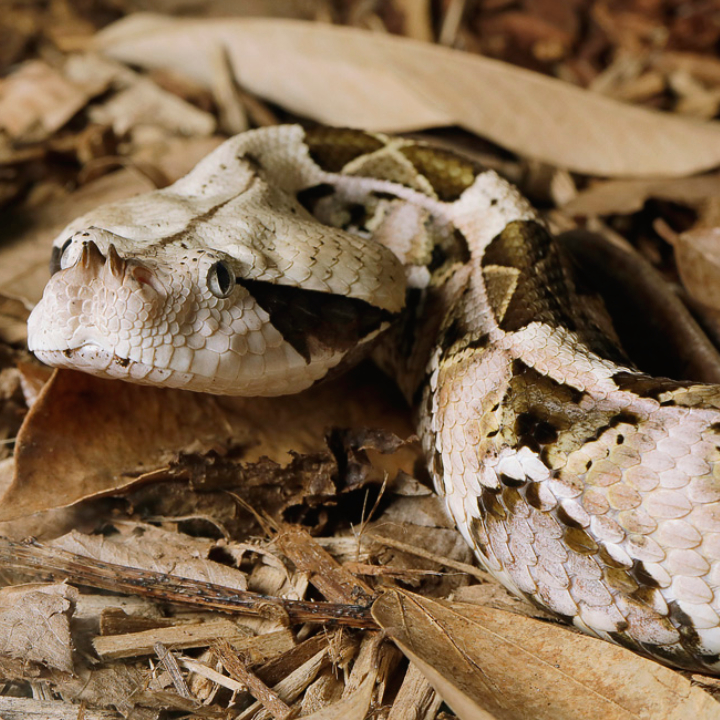
Meet fascinating reptiles like the gaboon viper and alligator snapping turtle, and get up close with critically endangered species like the Rote snake-necked turtle and Burmese roofed turtle.
For a closer look, join our Backstage Pass: RepTopia—featuring feeding sessions, keeper insights, and great photo moments!
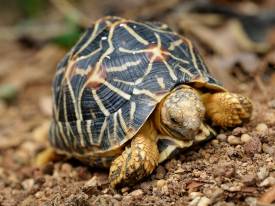
Tortoise Shell-ter
Step into Tortoise Shell-ter, a peaceful sanctuary designed to let our tortoises and other reptiles feel right at home.
Carefully planned habitats—with the right plants, lighting, temperature, and humidity—encourage natural behaviours and even breeding.
From slow-moving tortoises to colourful chameleons and geckos, this space offers a glimpse into the unique needs of these fascinating creatures.
Animals Highlights
Animals
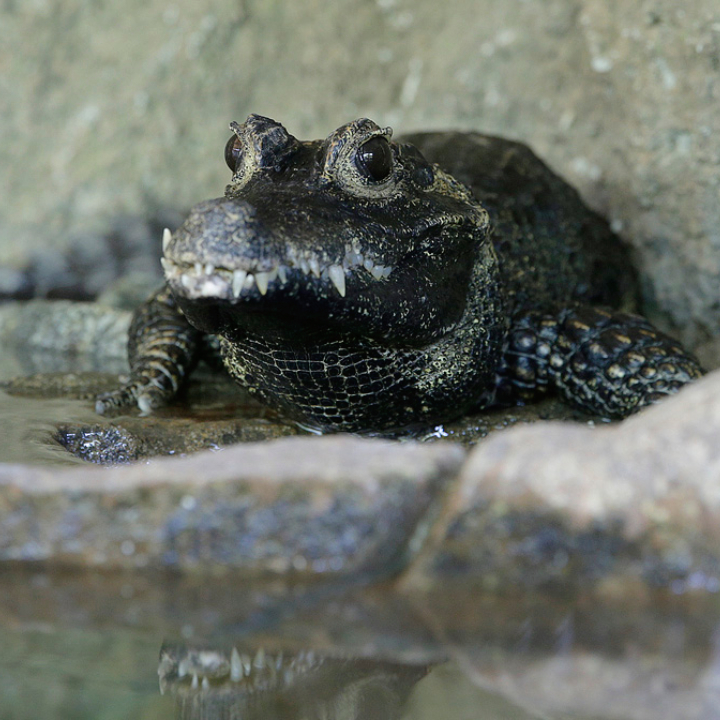
African Dwarf Crocodile
At just 1.5m long, it is one of the smallest crocs. Mostly aquatic, they may bask on logs or even climb onto low tree branches!
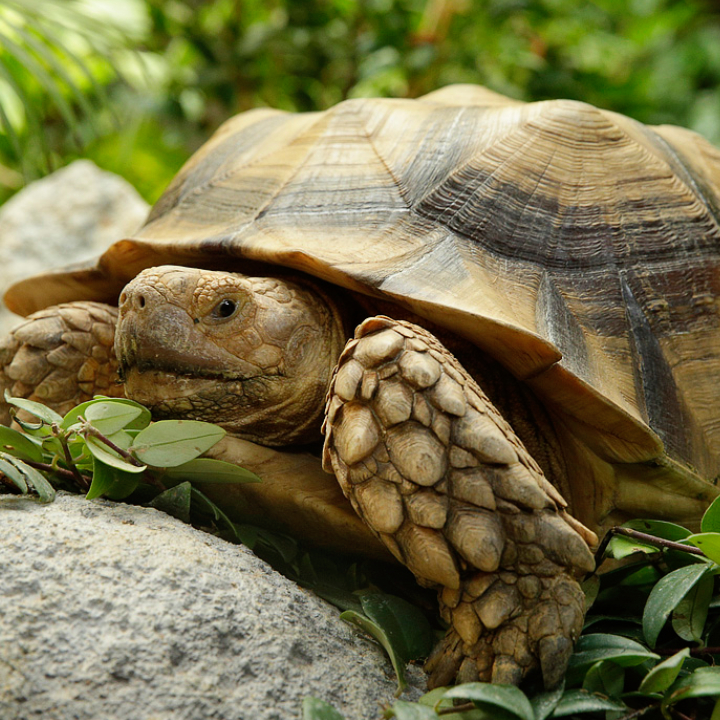
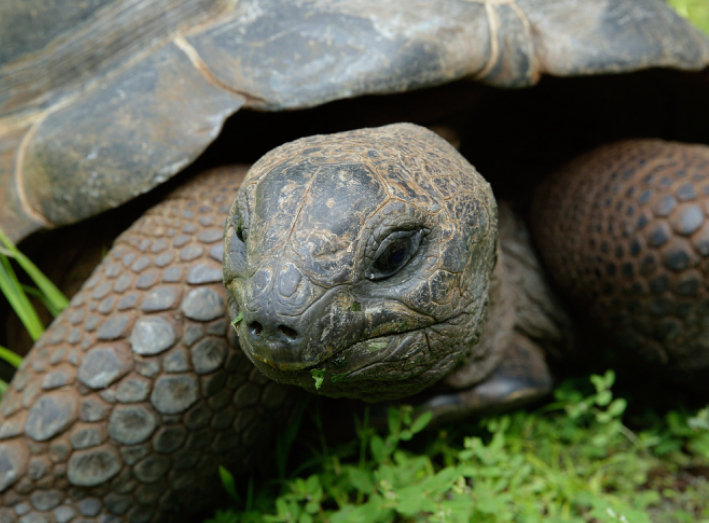
African Spurred Tortoise
At just 1.5m long, it is one of the smallest crocs. Mostly aquatic, they may bask on logs or even climb onto low tree branches!
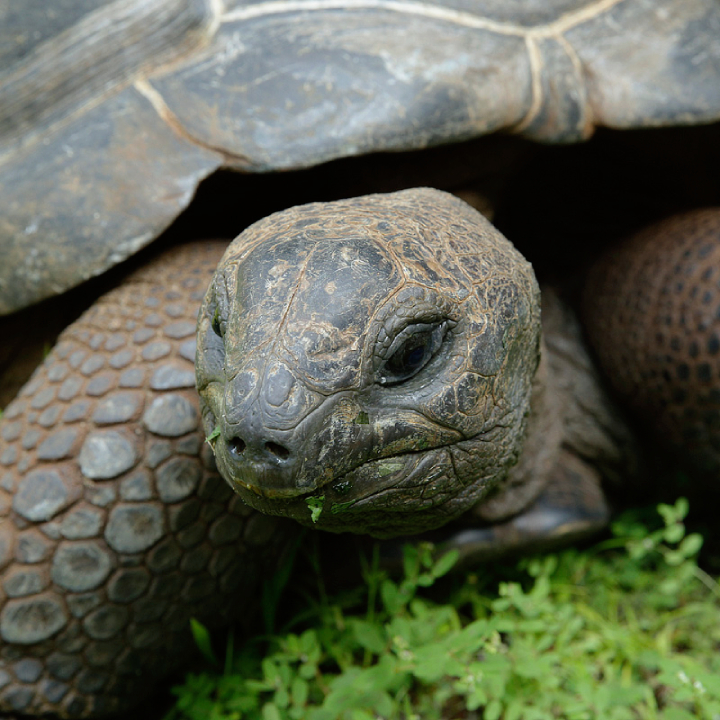
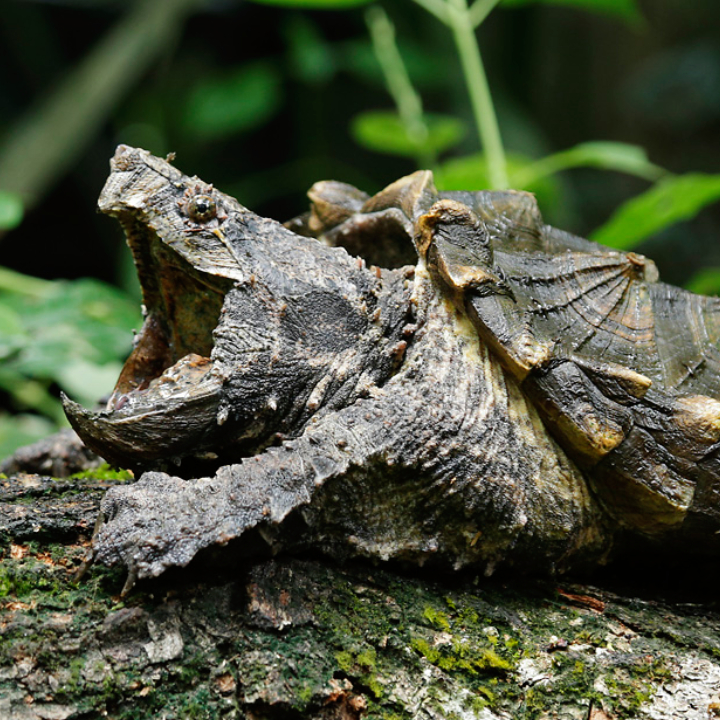
Alligator Snapping Turtle
Primarily carnivorous, these ambush predators stay motionless in the water and reveal the worm-like appendage on their tongues to lure unsuspecting prey.
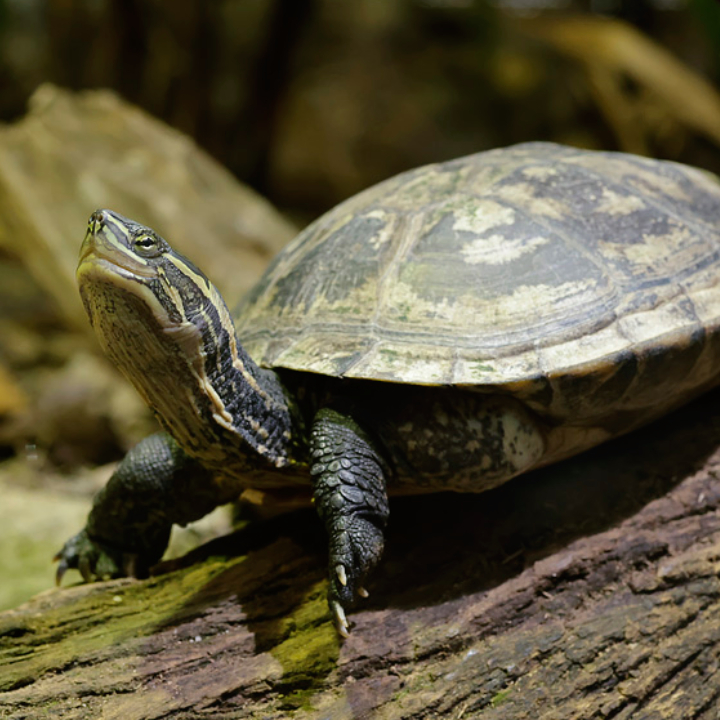
Annam Leaf Turtle
Primarily carnivorous, these ambush predators stay motionless in the water and reveal the worm-like appendage on their tongues to lure unsuspecting prey.
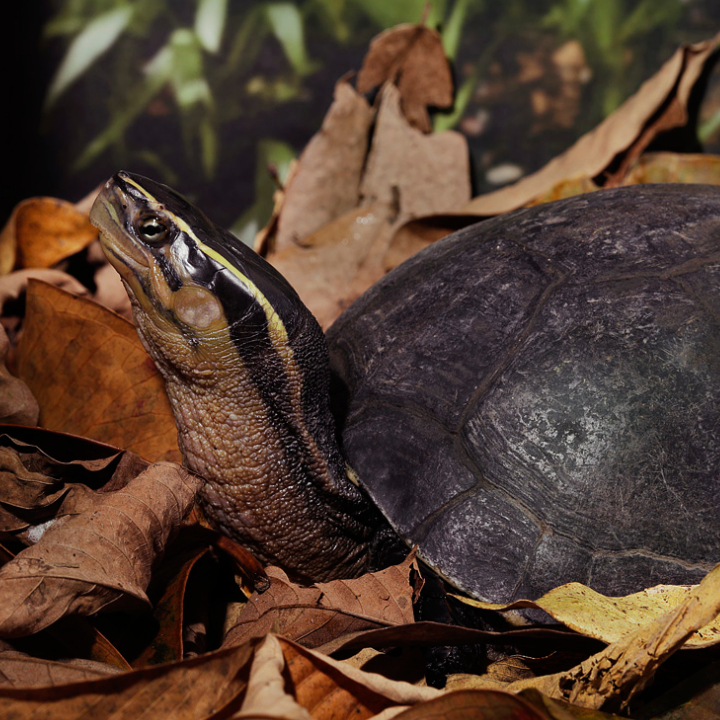
Asian Box Turtle
Its hinged plastron (shell underside) allows it to close its shell completely, protecting their head, limbs, and soft body parts when threatened.
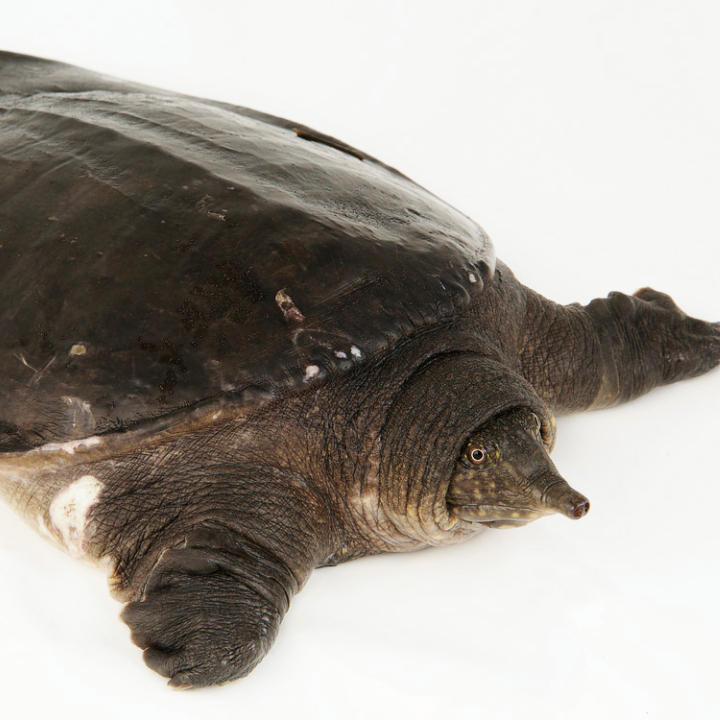
Asian Giant Softshell Turtle
A primarily carnivorous ambush predator, it spends 95% of its life buried and motionless, with only its eyes and mouth protruding from the sand.
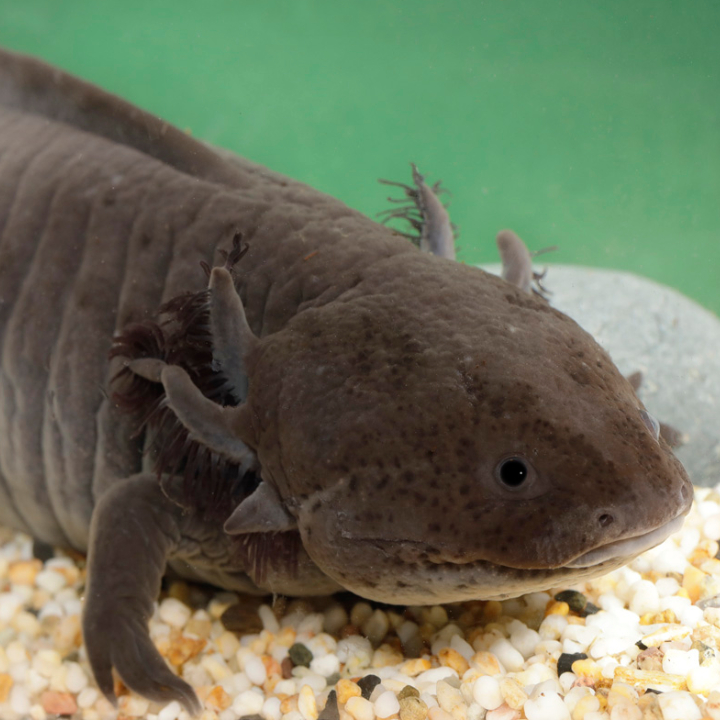
Axolotl
These dark-coloured descendants of the tiger salamander can shift their hue a few shades lighter or darker as needed for camouflage.
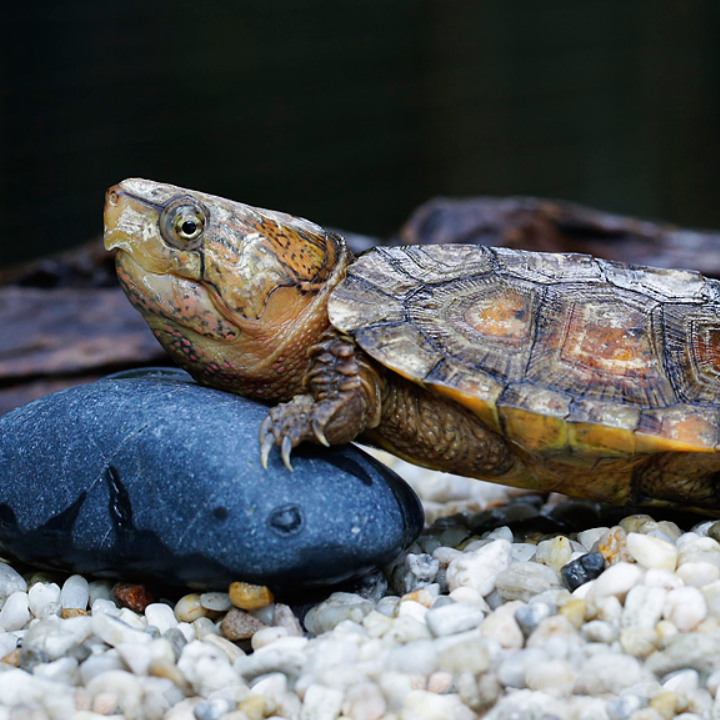
Big-Headed Turtle
While this turtle’s head is so big that it can’t be withdrawn inside its shell, it does have a large bony “roof” on its head for protection.
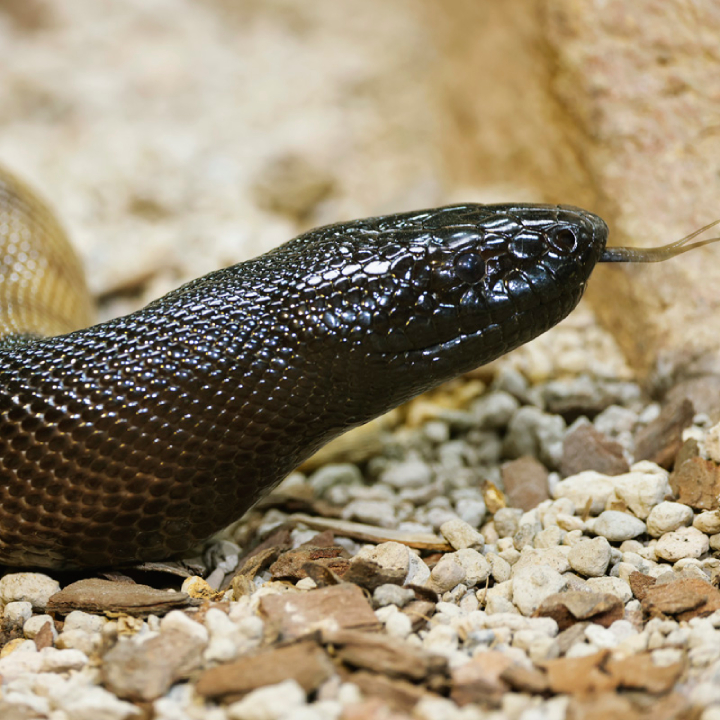
Black-Headed Python
To stay hidden while basking, this snake buries itself with just its head exposed. Its dark colour helps it absorb heat quickly, warming its brain and senses.
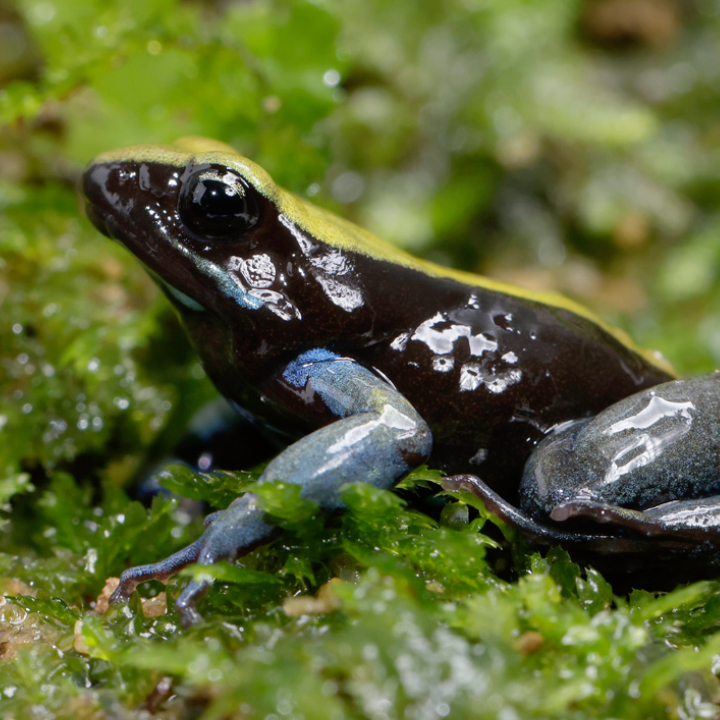
Blue-Legged Mantella
Their eggs are laid on canyon walls or under rocks, which are then flooded by water to complete their development in temporary pools.
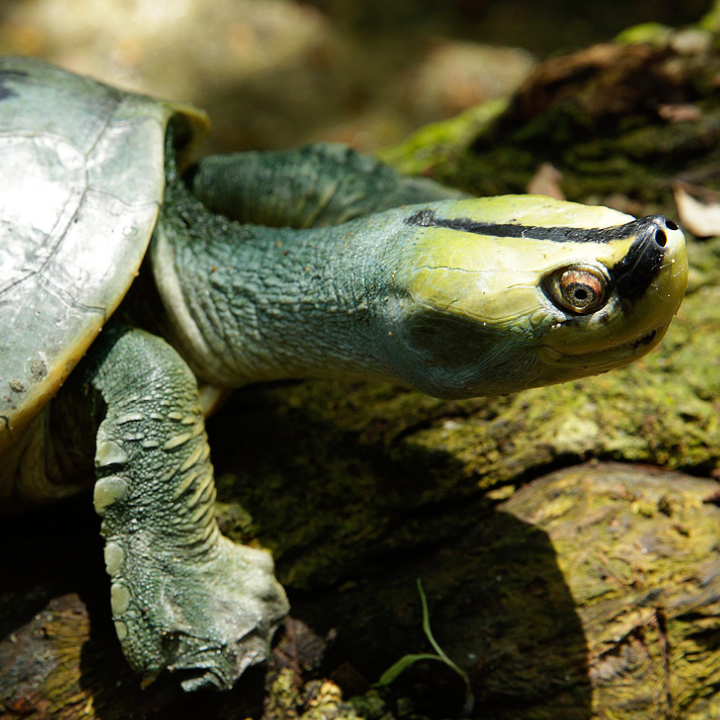
Burmese Roofed Turtle
We work with other zoos through Managed Species Programmes to boost genetic diversity and sustain their population under human care.
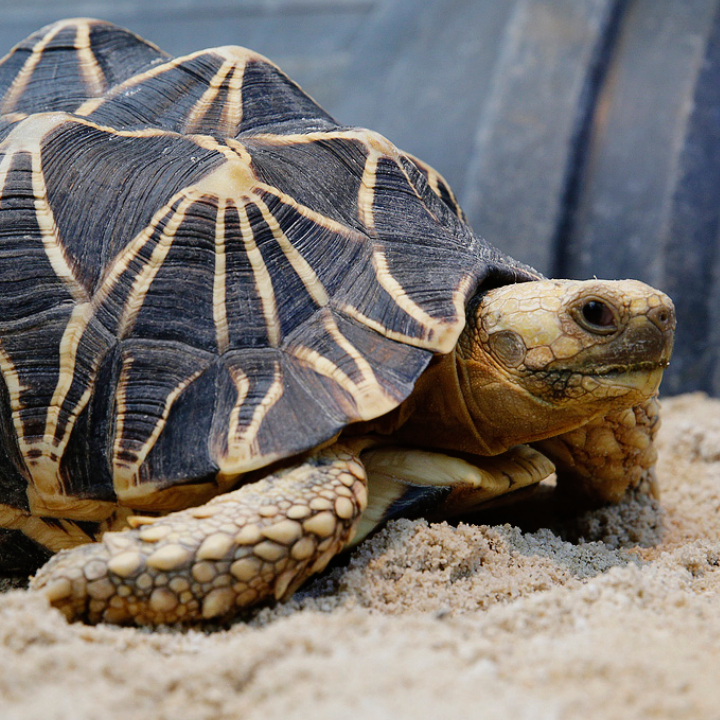
Burmese star tortoise
Deemed functionally extinct in the 2000s. We work with conservation partners to reestablish wild populations in its native home - Myanmar.
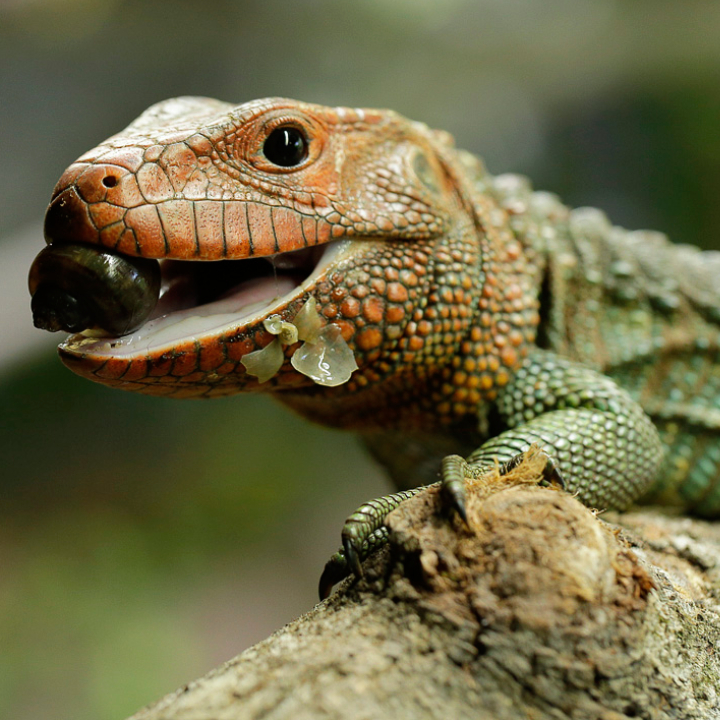
Caiman Lizard
Named for its large, heavy scales. Feeding primarily on invertebrates, it crushes them with strong back teeth, spitting out broken shells before consuming the softer parts.
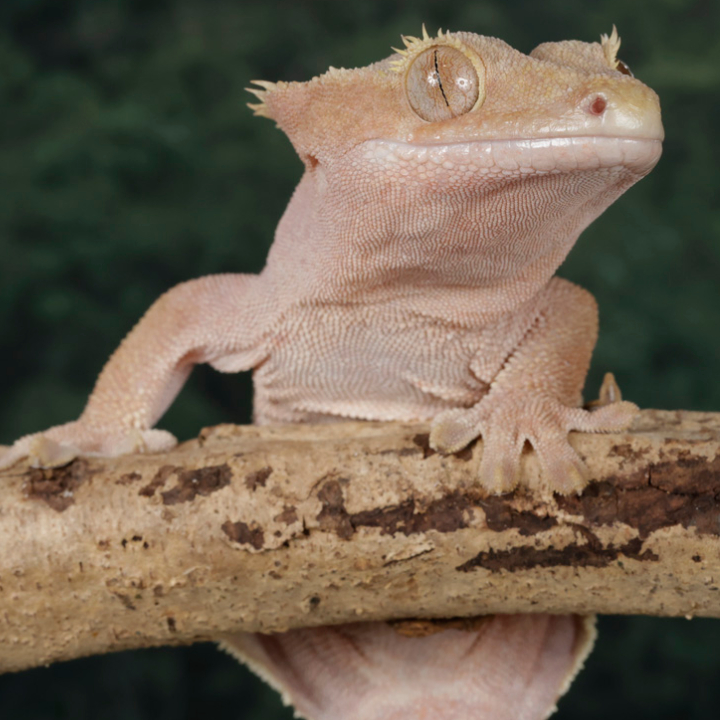
Crested Gecko
These tiny geckos lack eyelids. Instead, they lick a clear membrane over their eyes to keep them clean!
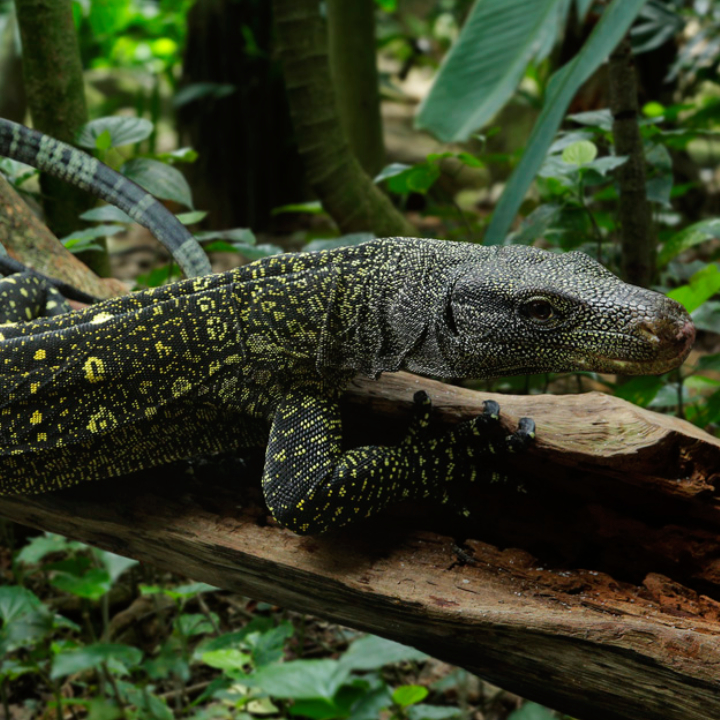
Crocodile Monitor
While it uses its tail primarily as a counterbalance when leaping from branch to branch, it can also use it like a whip for defence.
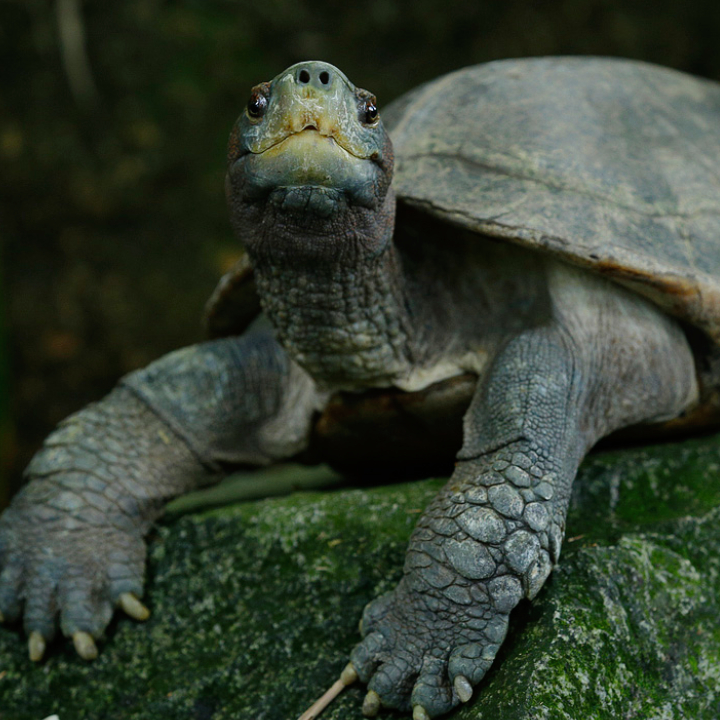
Giant Asian Pond Turtle
Reaching up to half a metre in length and 12kg in weight, this gentle giant is one of the world’s largest freshwater turtles.
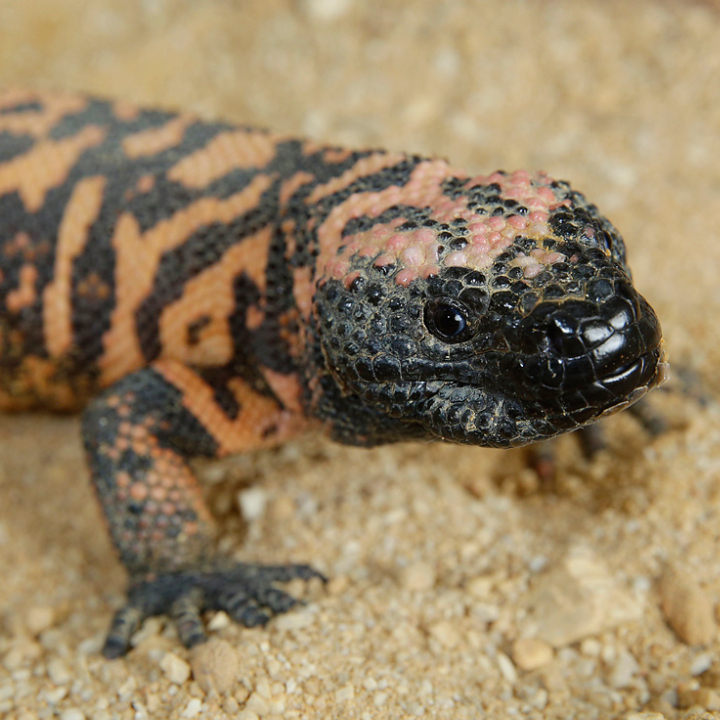
Gila Monster
One of few venomous lizards, it chews venom into its prey using grooved teeth and powerful jaws.
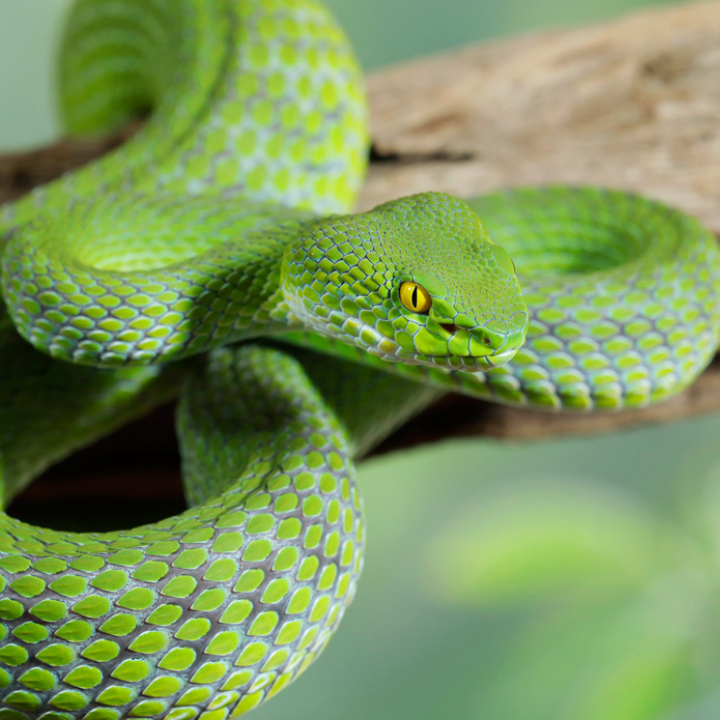
Green Pit Viper
This nocturnal viper uses heat-sensing facial pits to detect and strike warm-blooded prey in the dark.
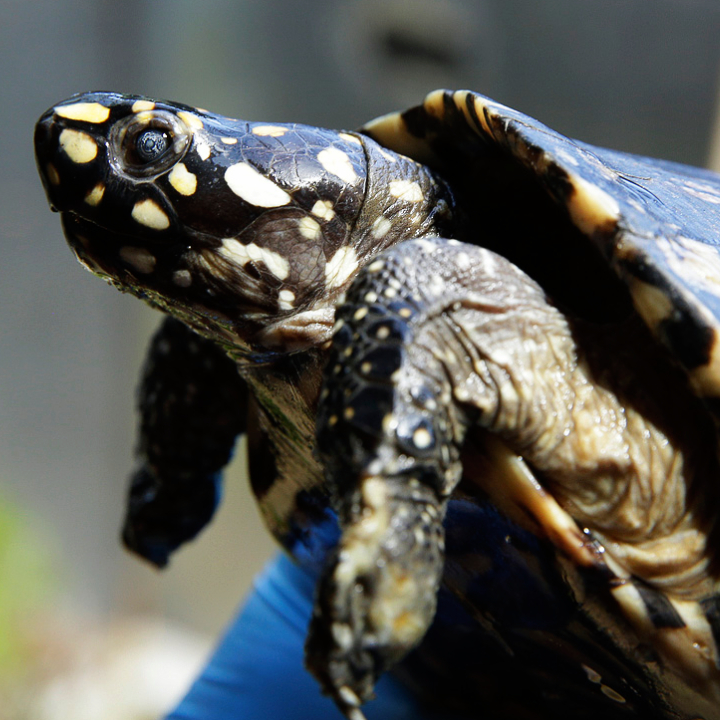
Indian Spotted Pond Turtle
This shy turtle croaks softly when retracting inside its shell, and can grow up to 40.5cm long.
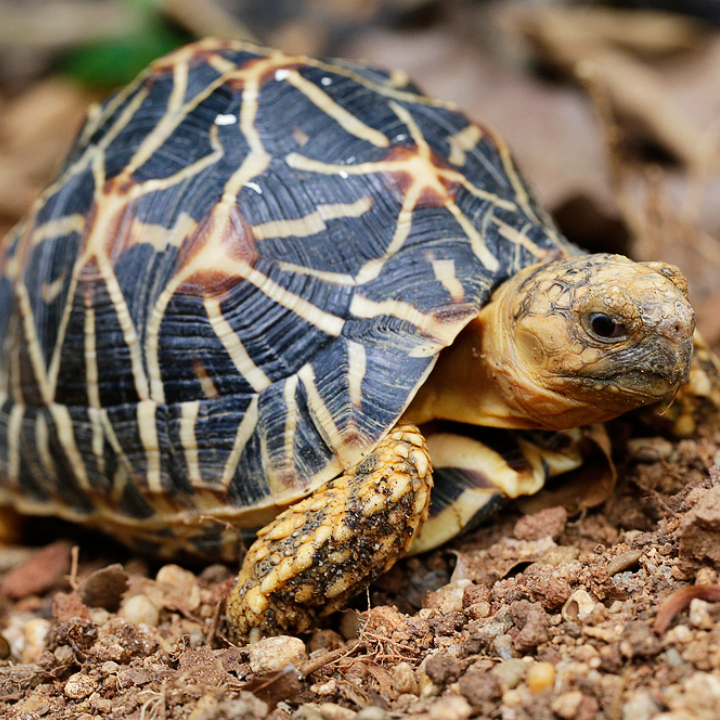
Indian Star Tortoise
Its star-patterned shell helps with camouflage, and males often battle rivals by flipping them over.
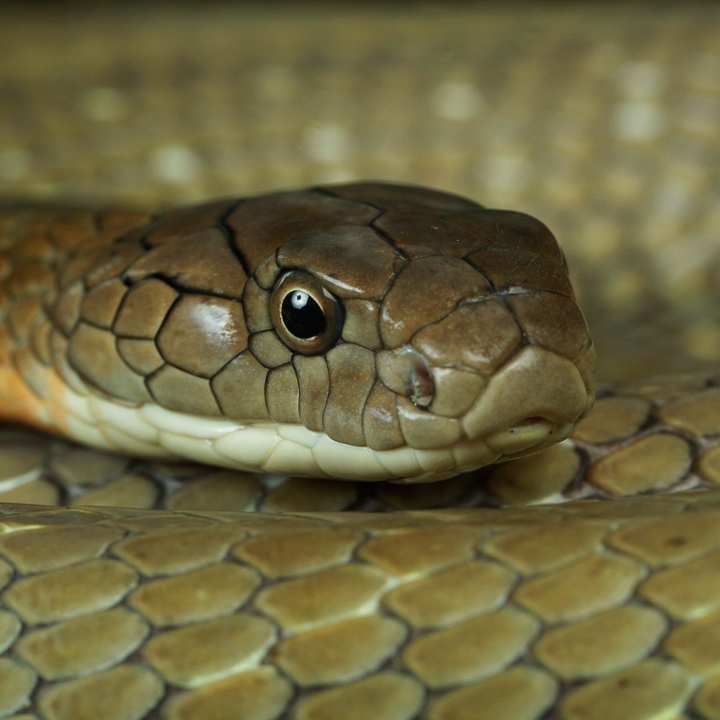
King Cobra
Despite its fearsome reputation amongst humans, the world’s longest venomous snake has a diet consisting mainly of other snakes.
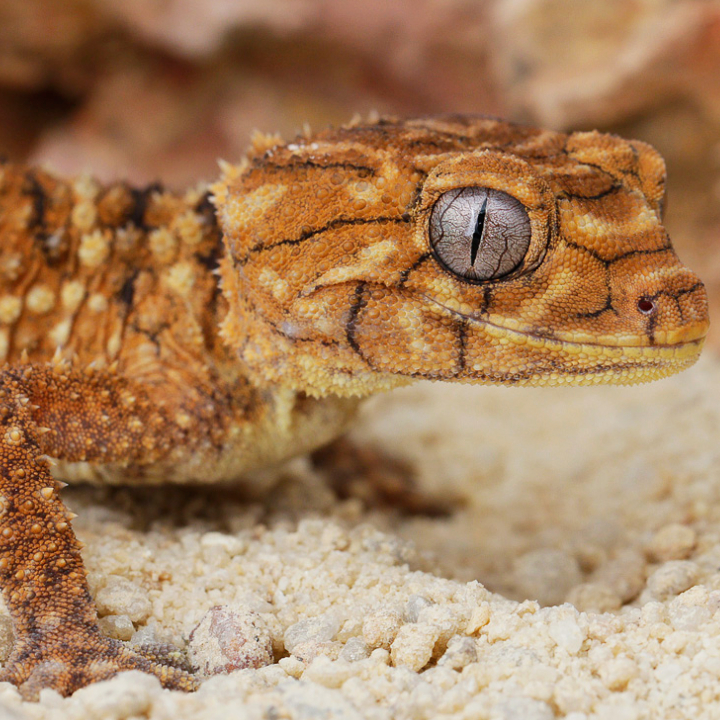
Knob-Tailed Gecko
This ground-dwelling Aussie gecko lives in sand plains and woodlands, rarely climbing trees.
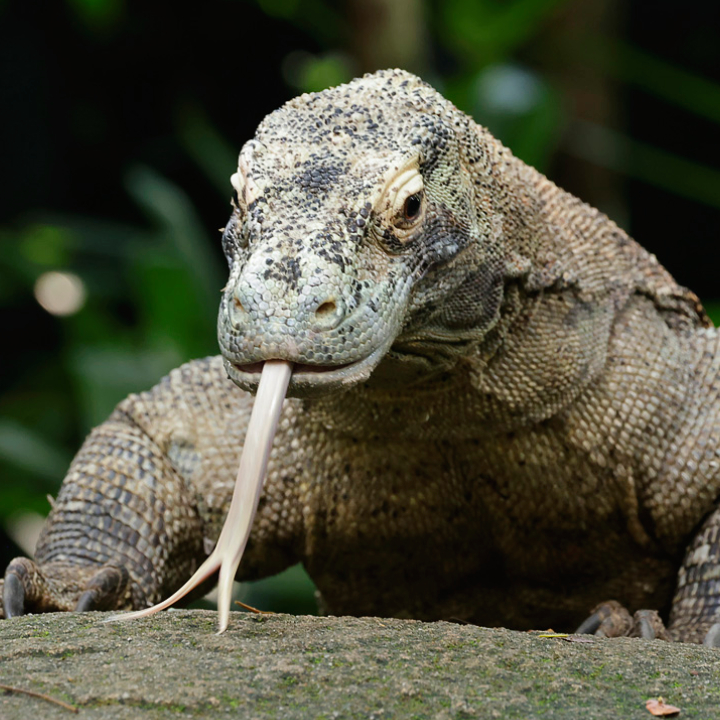
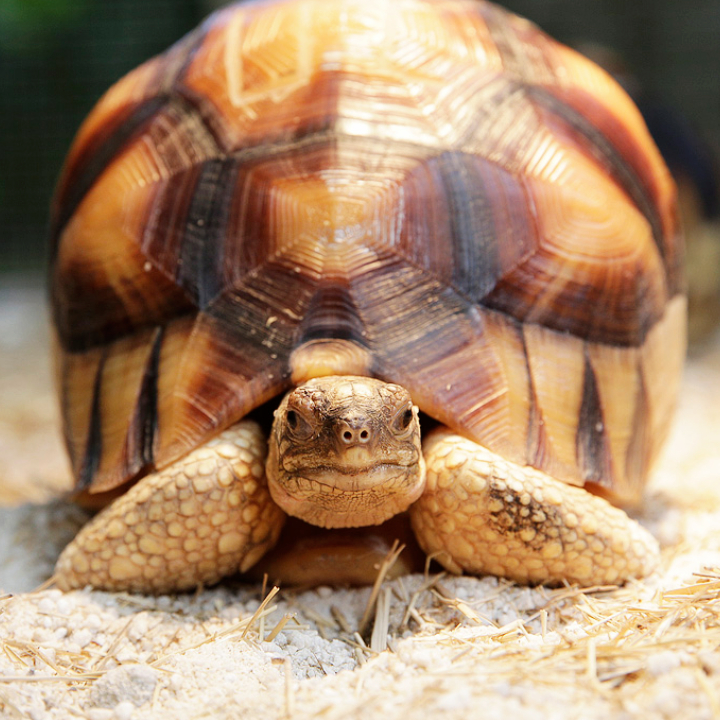
Ploughshore tortoise
Males use their plough-shaped shell tip to ram and flip rivals during courtship battles.
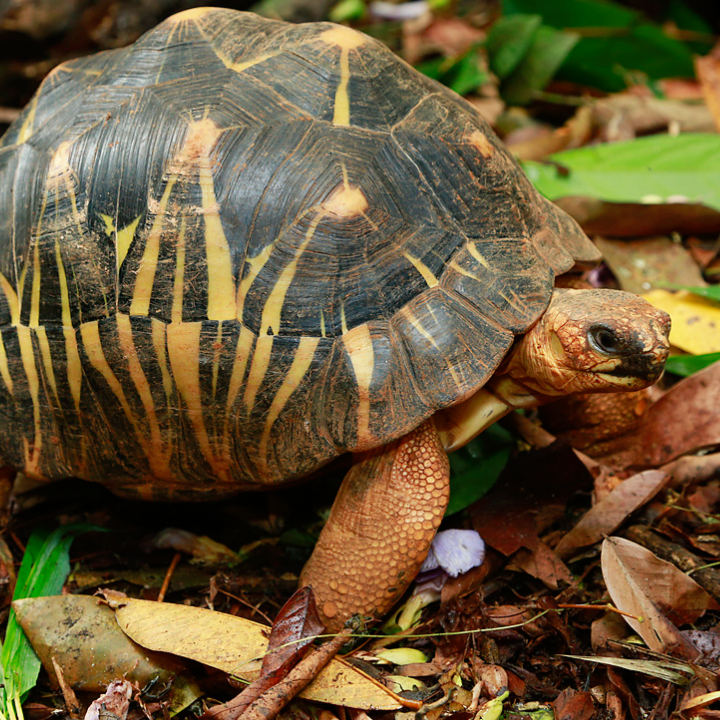
Radiated tortoise
Its shell has fine yellow starbursts and sensitive nerves—it can feel when you touch it!
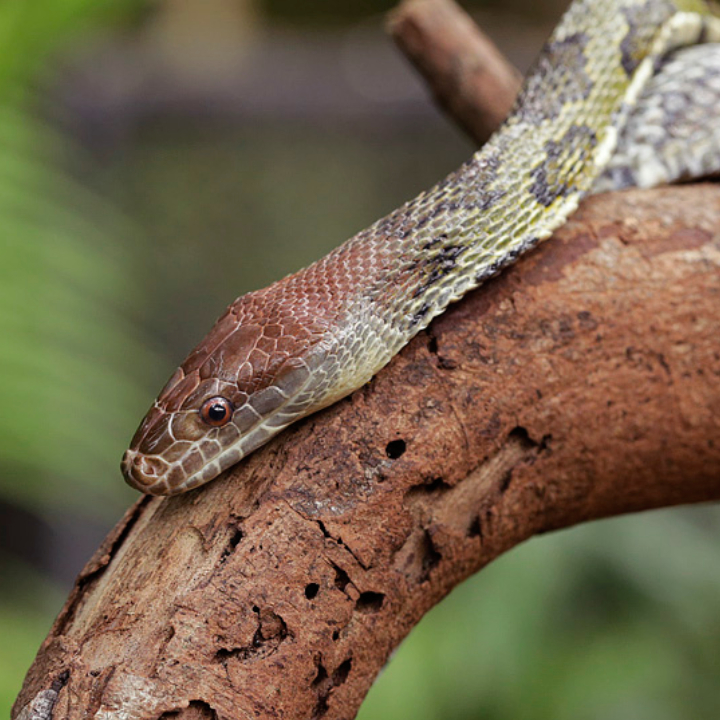
Red-Headed Rat Snake
This tree-dwelling snake uses agility and camouflage to hunt and hide in Asian forests.
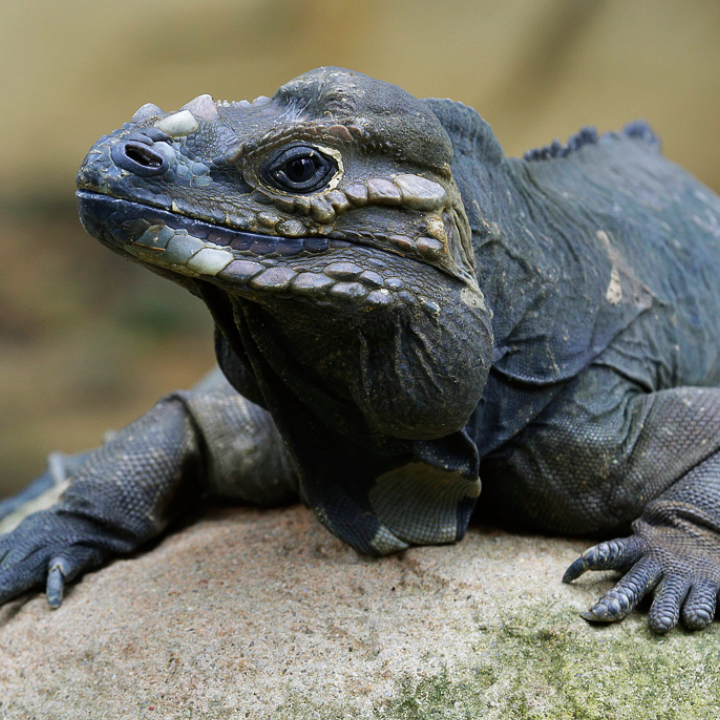
Rhino Iguana
Named for their horned snouts, these stocky iguanas raise back spines to look more fearsome.
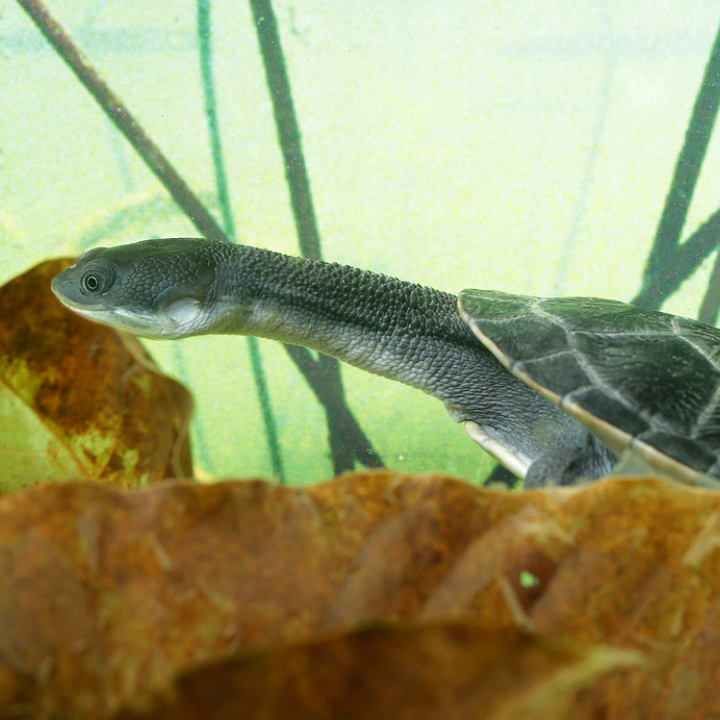
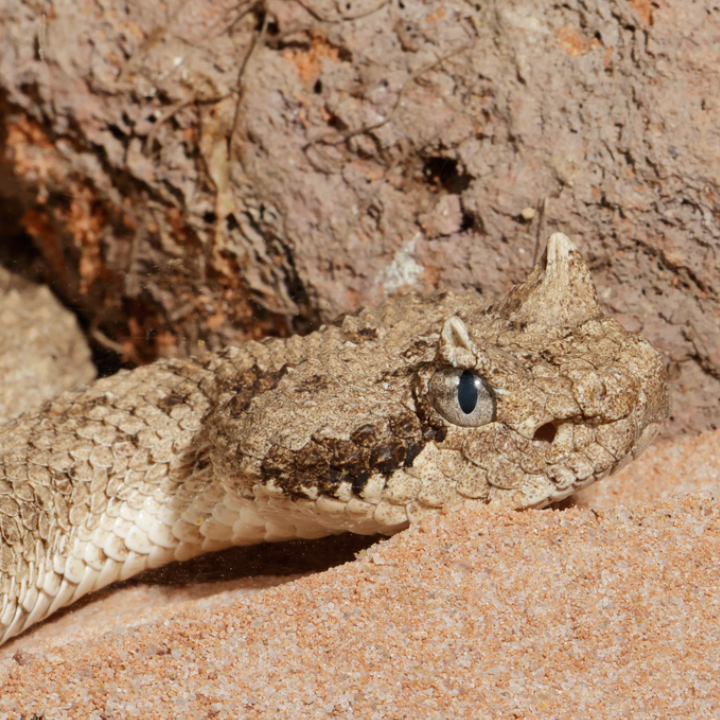
Sidewinder (Rattlesnake)
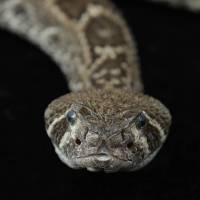
Their sidewinding gait makes them the fastest-moving of all rattlesnakes. Shuffling their bodies into soft sand, with their heads barely exposed, they twitch their tail to attract prey.
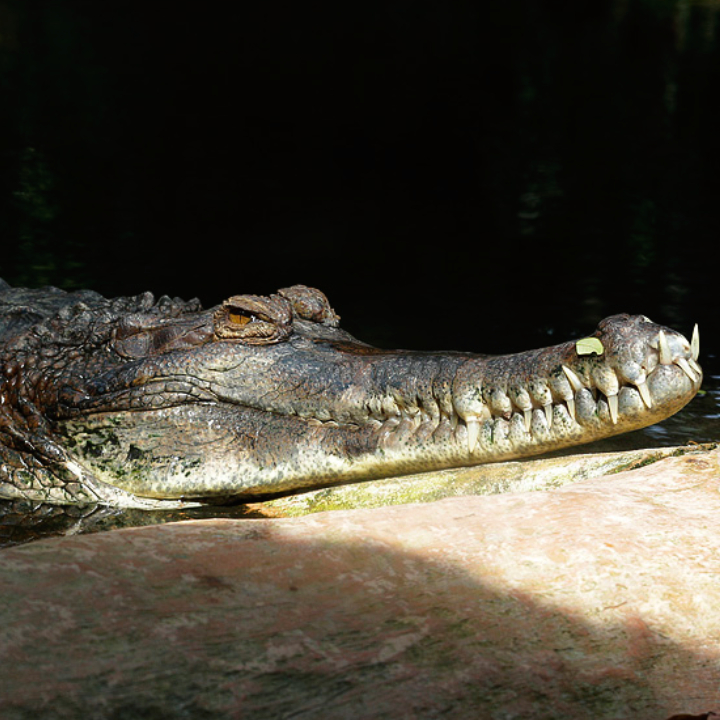
Sunda gharial
"Growing up to 5 metres long, this fish-eater may also opportunistically prey on monkeys!
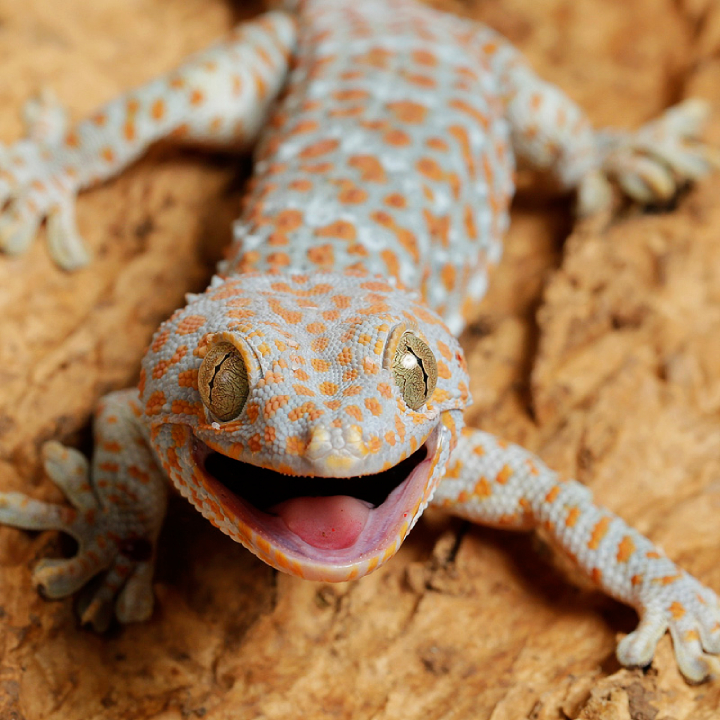
Tokay Gecko
These bug-hunting geckos thrive in cities and even have a light-sensing “third eye” on top of their head.
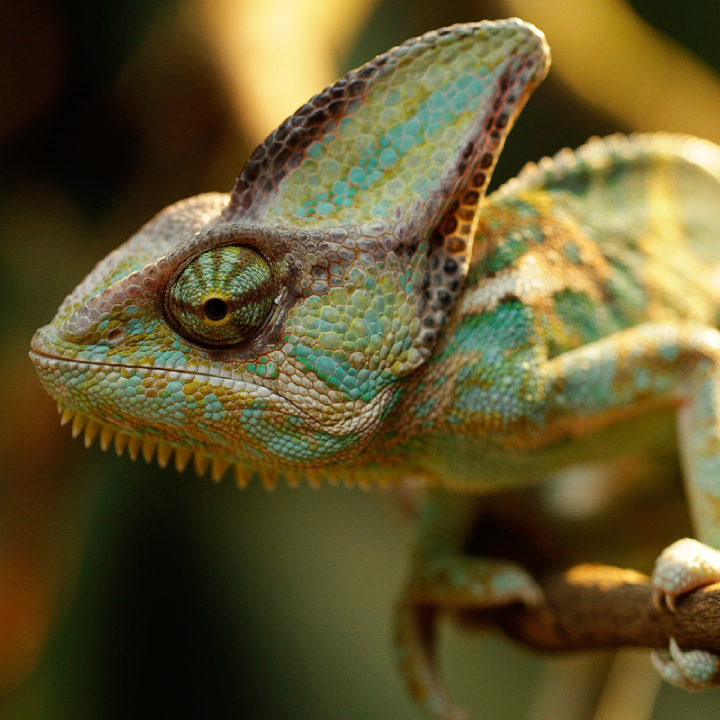
Veiled chameleon
Their binocular vision enables them to move their eyes independently, focusing on two different objects at once!
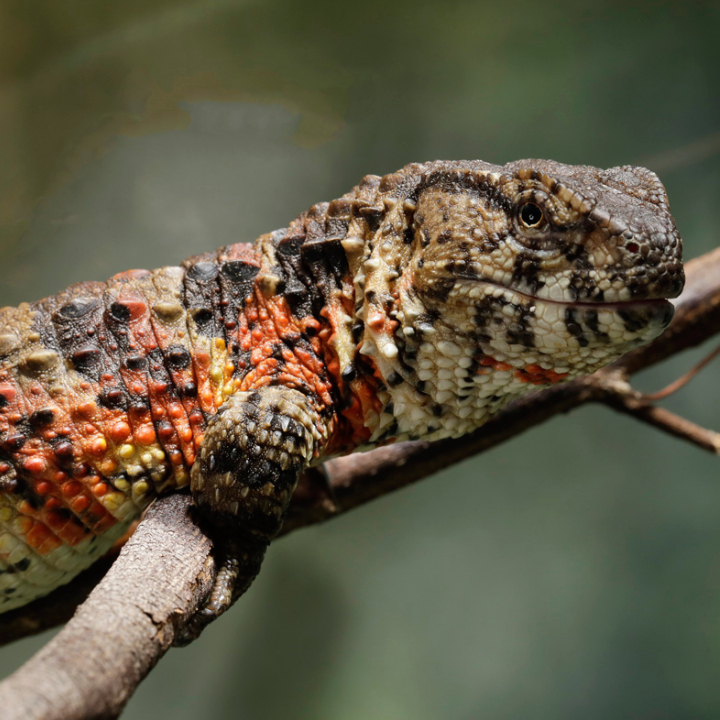
Vietnamese Crocodile Lizard
Named for their croc-like tails, these rare lizards give birth to live young—unusual for reptiles!
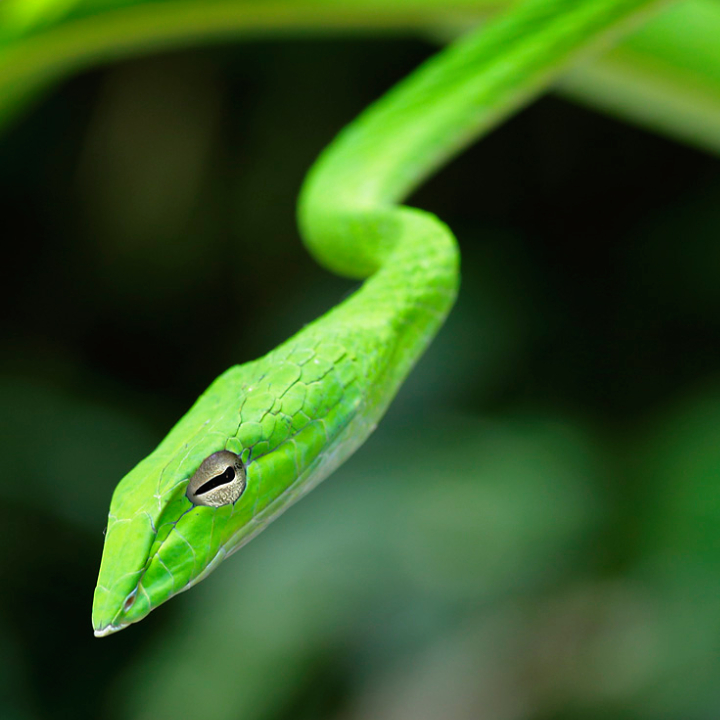
Vine Snake
These slender, tree-dwellers are venomous, using their venom to subdue prey. However, they are not considered dangerous to humans.
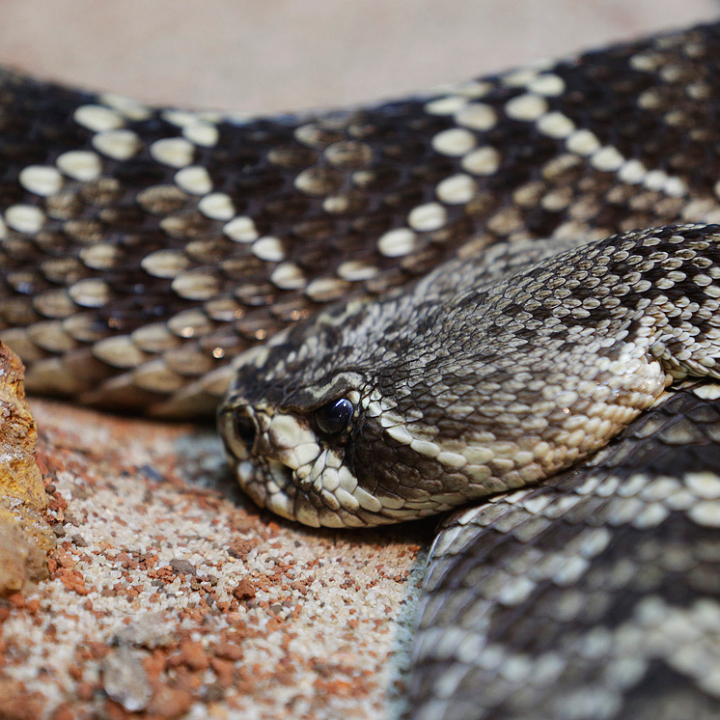
Western Diamondback Rattlesnake
While they aren’t born with rattles, every shedding leaves a little piece on their tail – adding a new ‘button’ and making their rattle bigger.
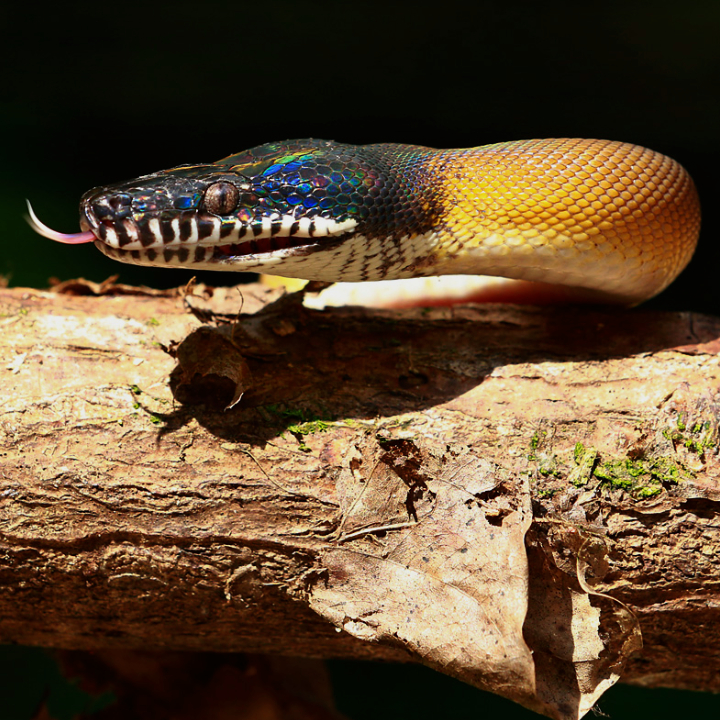
White-Lipped Python
With rainbow-sheen scales and more teeth than any other python, it’s a dazzling ambush hunter.
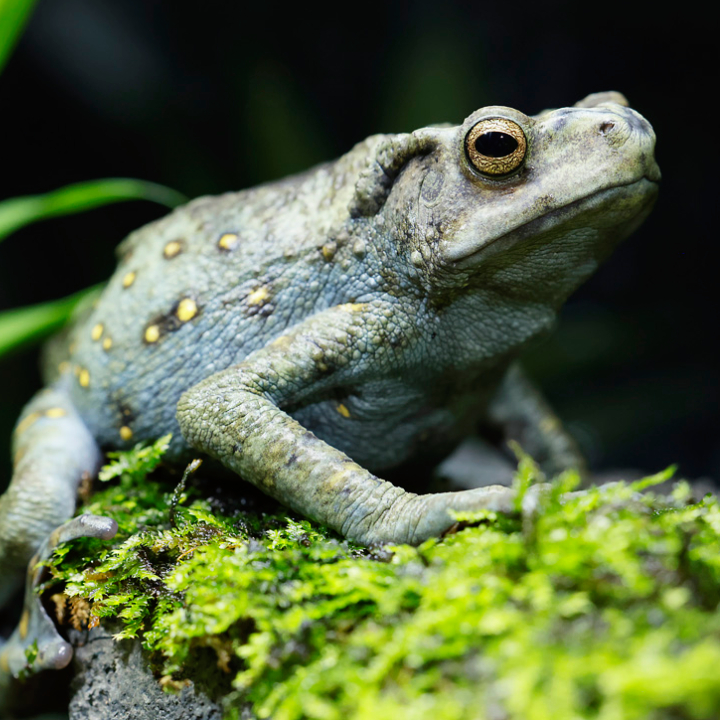
Yellow-Spotted Climbing Toad
Living high in the canopy, females are bigger and brighter than their brownish-orange mates.