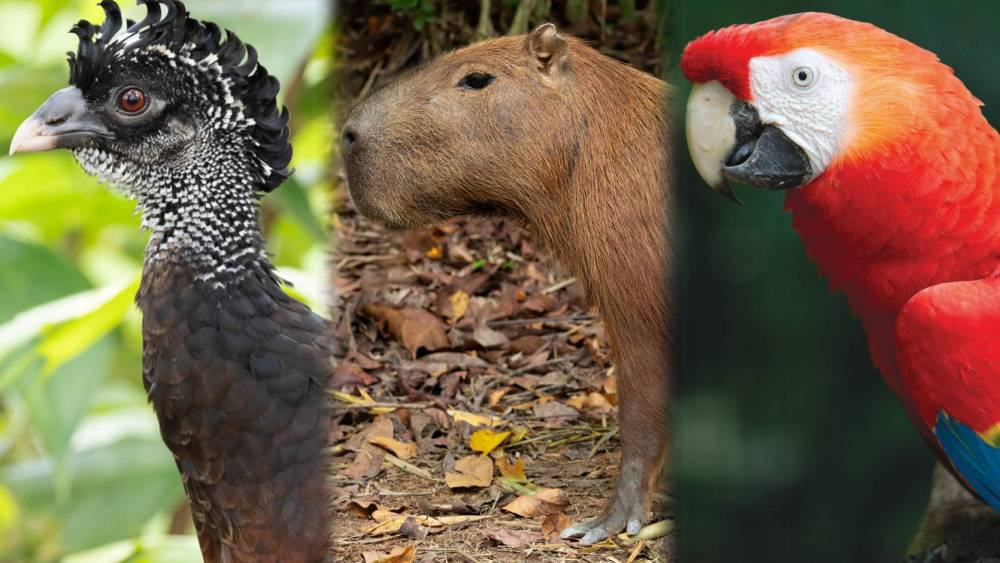

Step into Amazonia Encounters and meet some of the rainforest’s most fascinating creatures up close!
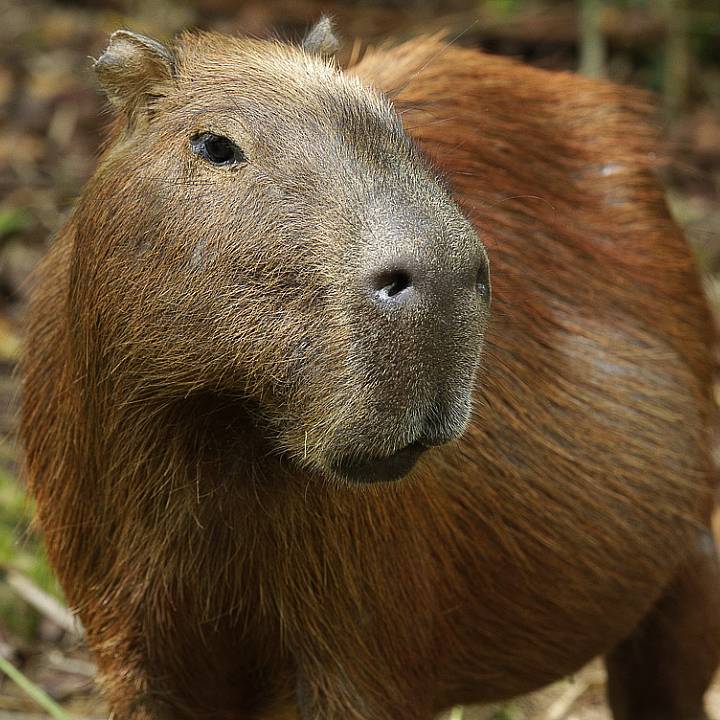
You’ll be able to wander among capybaras, squirrel monkeys, scarlet macaws, and more in this special free-roaming enclosure, but please remember to be respectful and follow the rules to keep both you and the animals safe!
Amazonia Encounters is open daily from 10:30am to 6:00pm (last entry 6pm).
Highlights
Animals
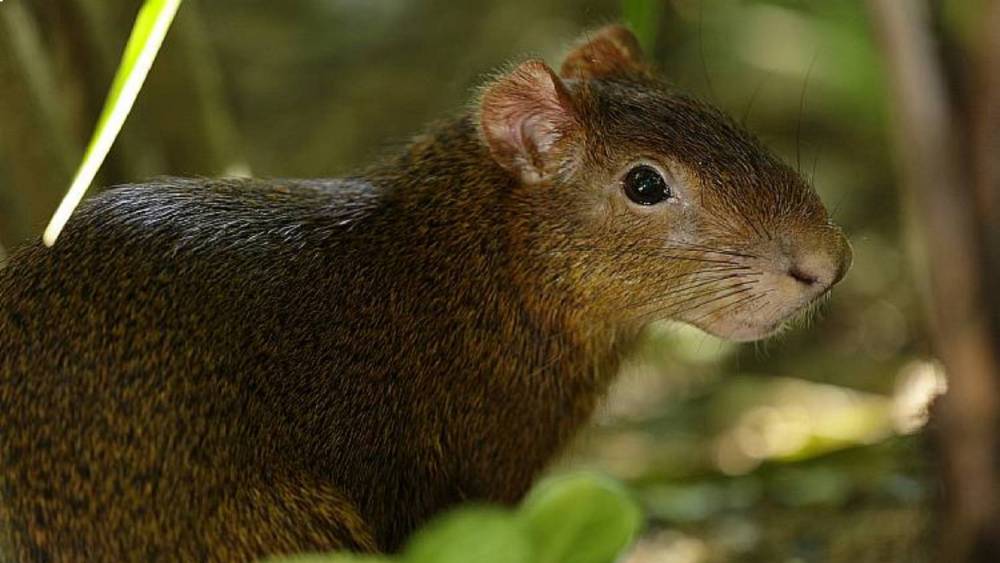
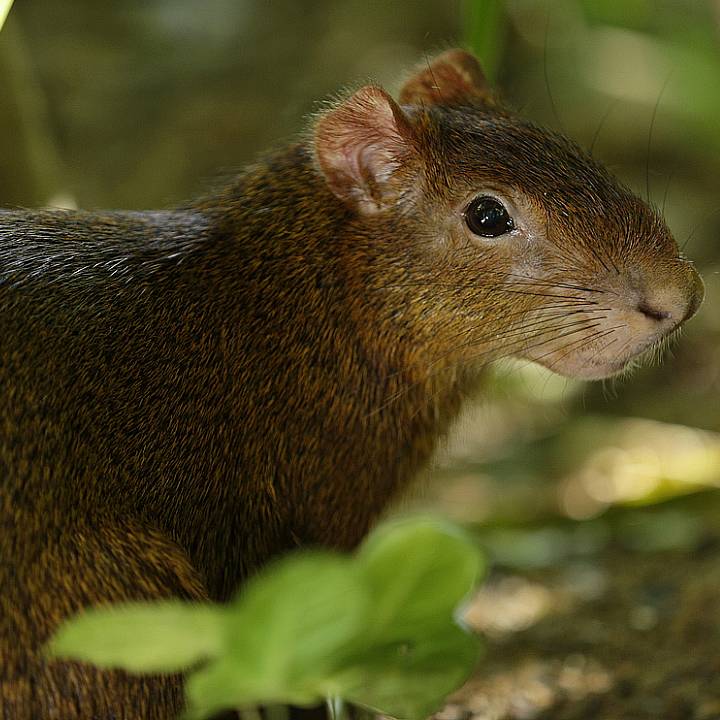
Azara's agouti
These 'jungle gardeners' are thought to be the only mammal that can open a Brazil nut due to their exceptionally sharp teeth!
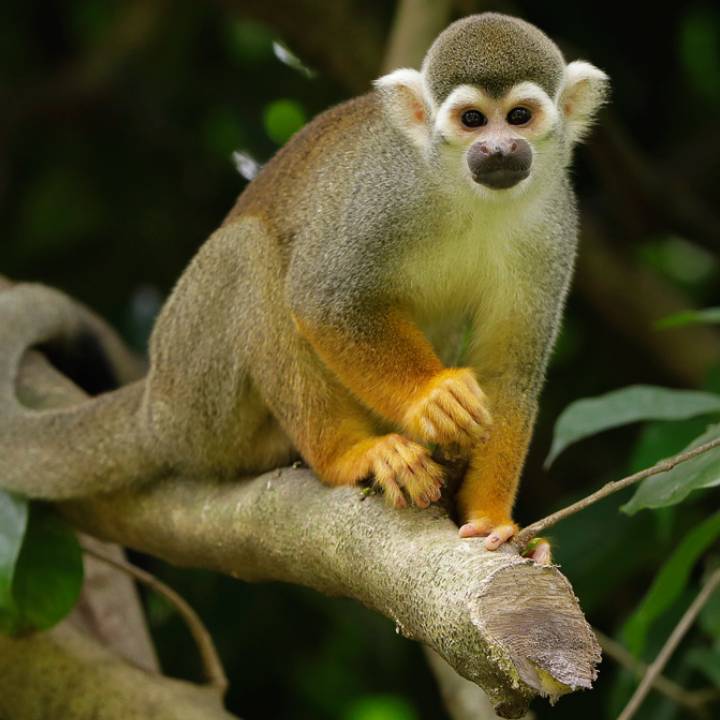
Common squirrel monkey
Small and agile, squirrel monkeys can live in groups of up to a hundred, communicating with chirps, squeaks, calls, and sniffs.
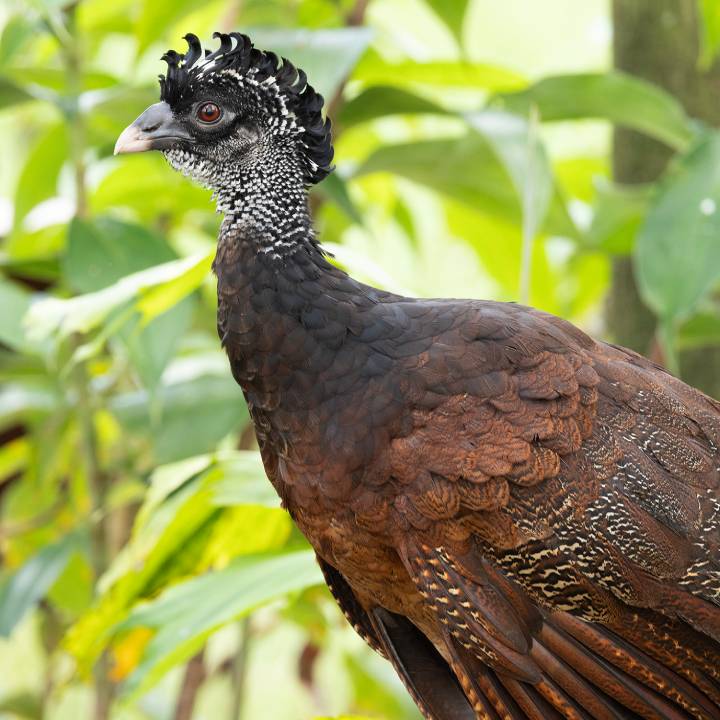
Great curassow
Males have a distinctive yellow "knob" on their beak which they use to attract mates and regulate their temperature.
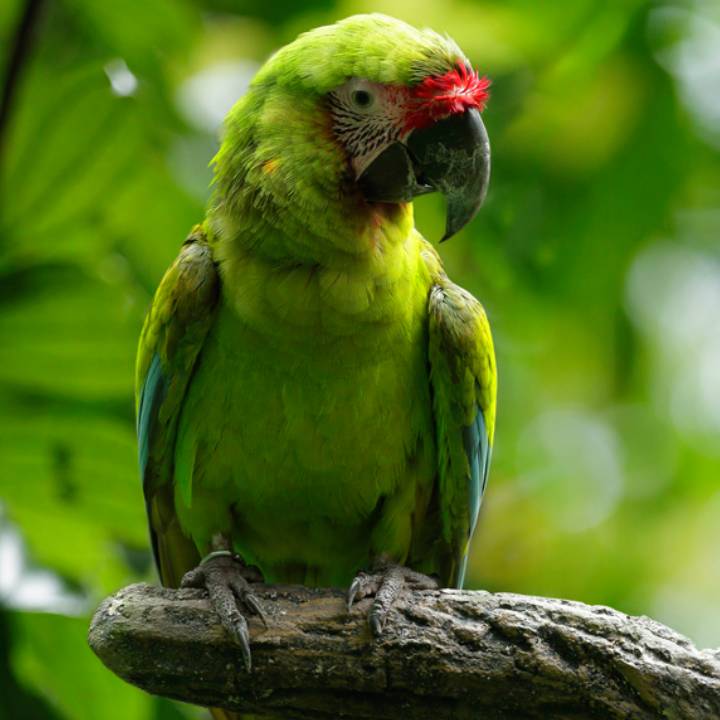
Great green macaw
One of the largest macaws (rivalled only by the hyacinth macaw), known for their loud calls and their ability to mimic human speech.
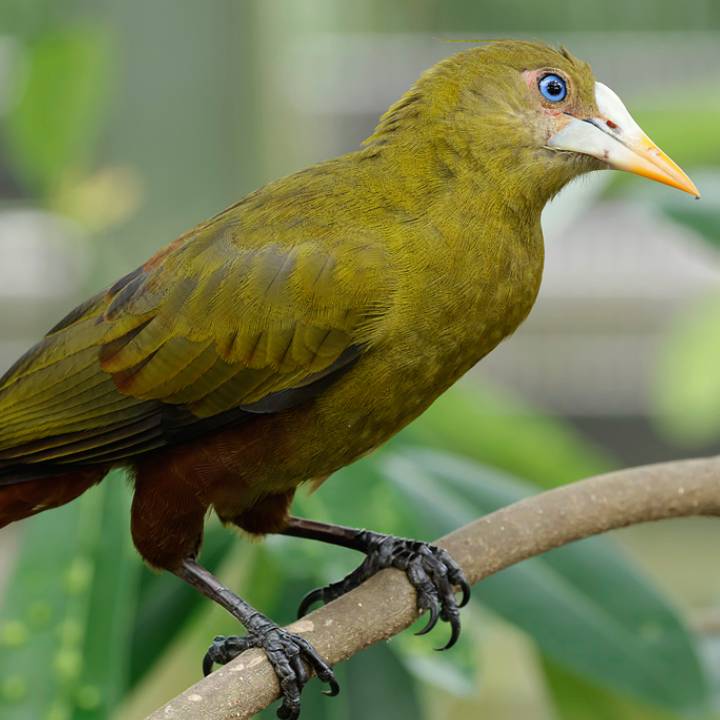
Green oropendola
Social birds that weave long bag-shaped nests that dangle from tree branches, sometimes following red-throated caracaras to feed.
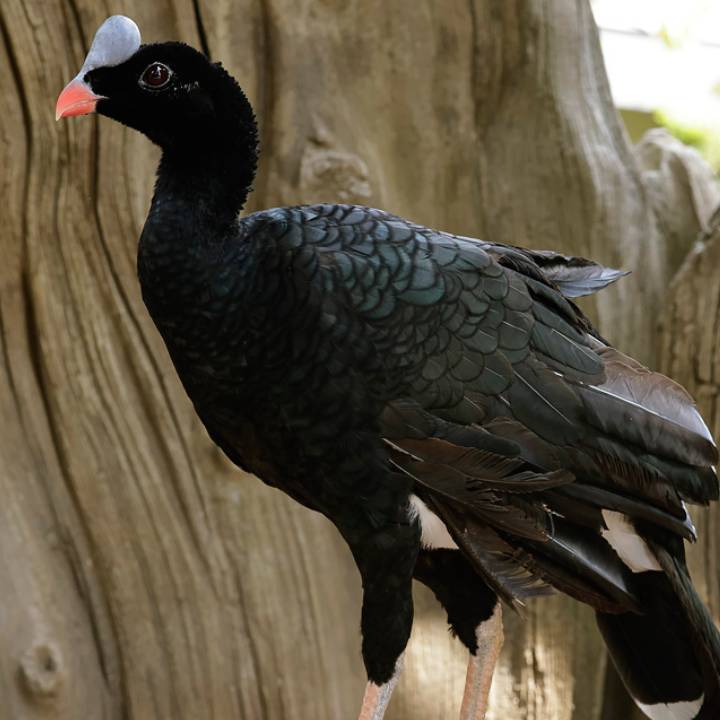
Helmeted curassow
These large, ground-dwelling birds, with distinctive bluish-grey casques on their forehead, grow up to 3.6kg in weight – like turkeys!
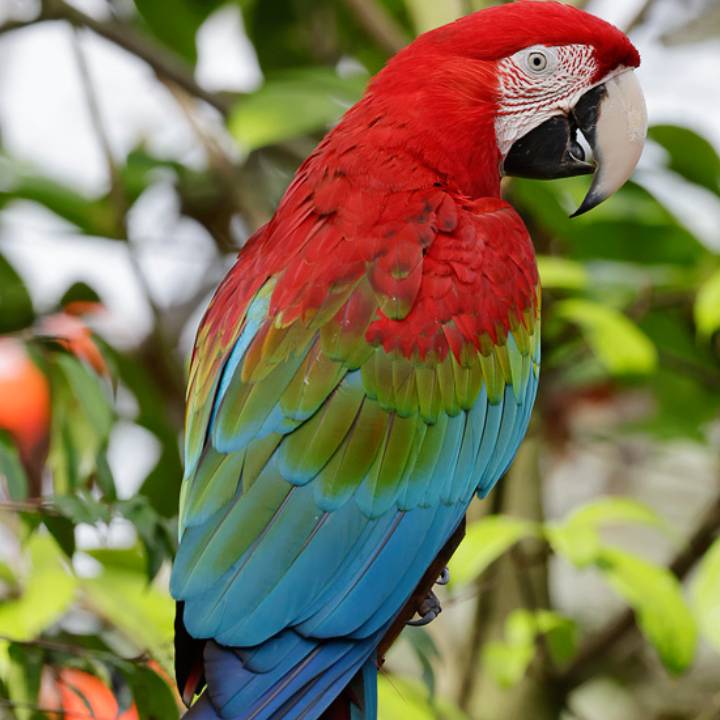
Red-and-green macaw
Also called the green-winged macaw, it is second in length only to the hyacinth macaw. Bonded pairs stay together for life.
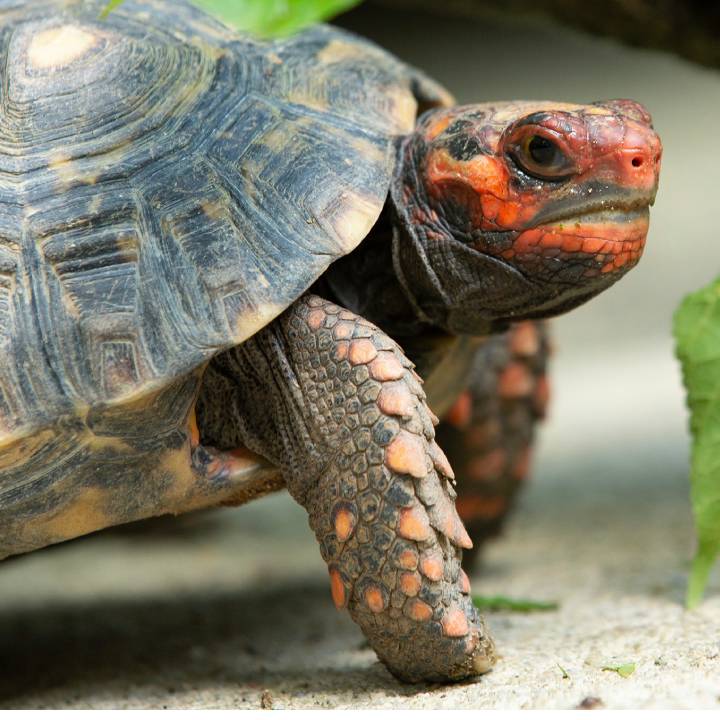
Red-footed tortoise
Characterised by its distinctive bright red/orange feet and head, it’s most active during the day and immediately after rain.
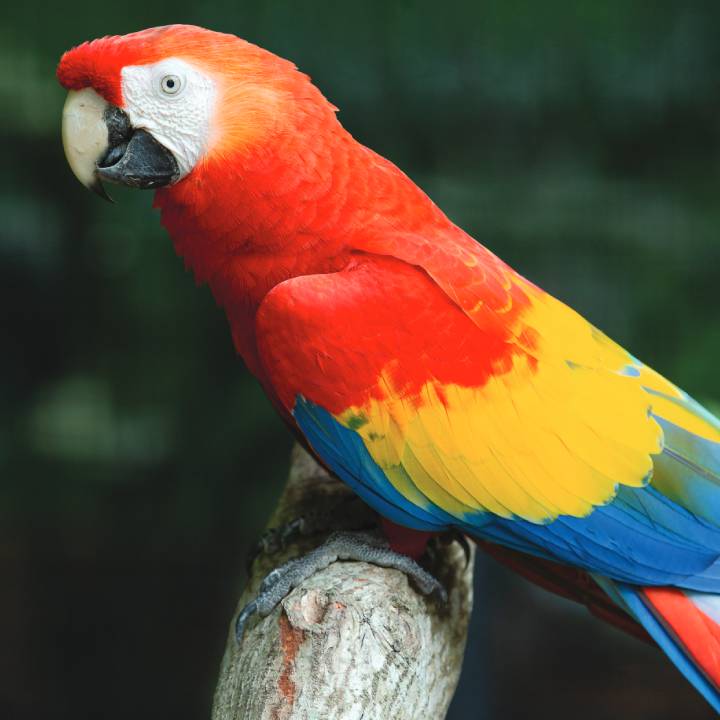
Scarlet macaw
Besides being the national bird of Honduras and having the ability to mimic human speech, these macaws also live up to 50 years in the wild!
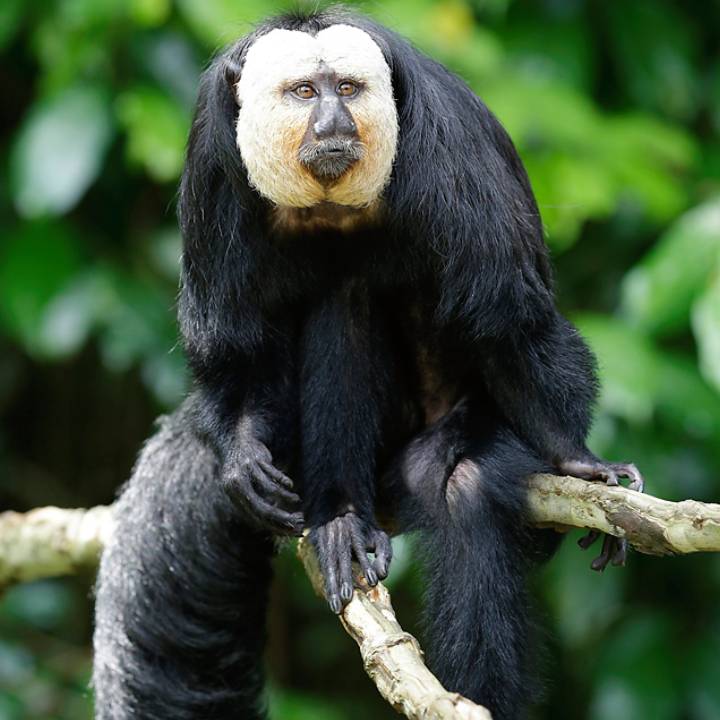
White-faced saki
Despite having long thick tails, they are not prehensile - they can’t use it to grip branches like some other monkeys.
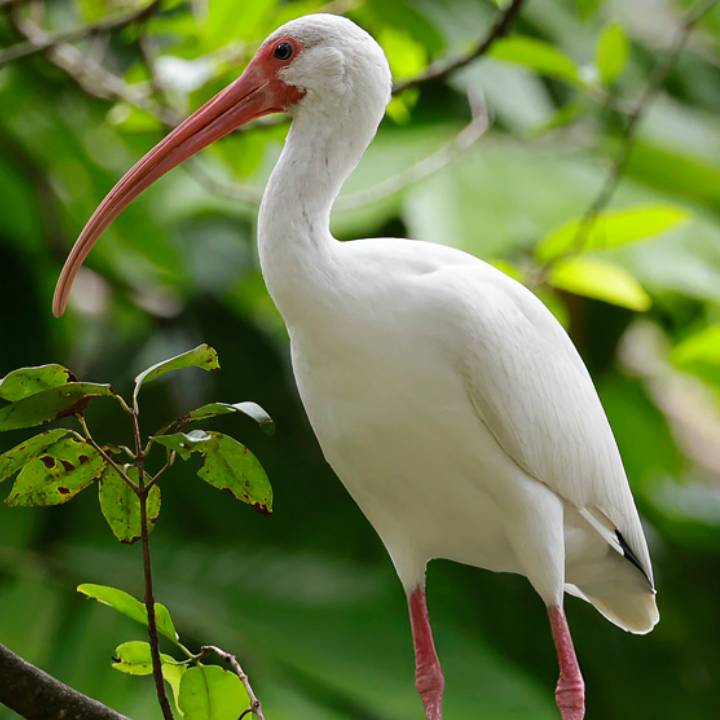
White ibis
Highly gregarious, these birds can live in flocks and nest in large colonies that number in the tens of thousands!
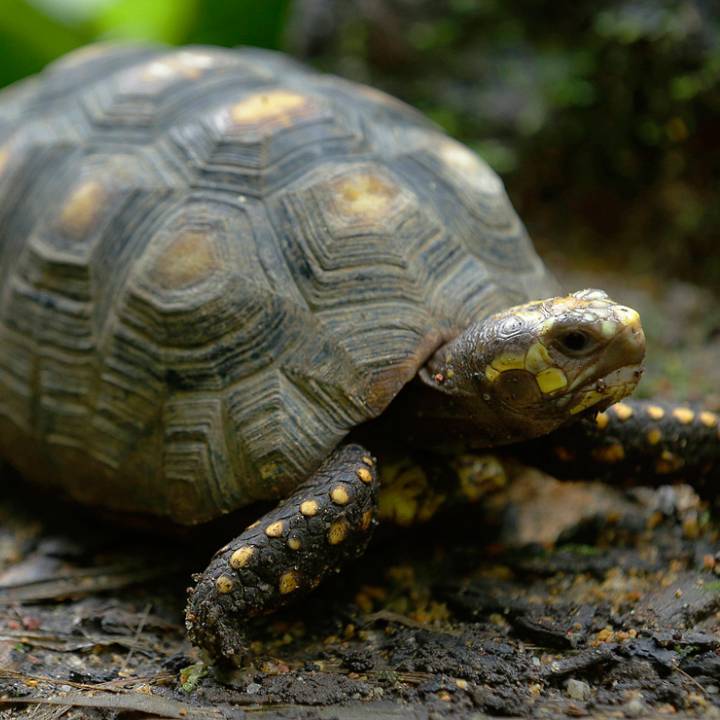
Yellow-footed tortoise
Mating year-round, males tell females apart by watching for head movements - no response usually means it's a female.
Habitat Advisory
Within Amazonia Encounters, you’ll be sure to meet some free-roaming animals.
Here’s how to share the space respectfully and safely: