Lifespan7 to 14 years
Quick Facts


DietFruits, invertebrates, and small vertebrates

HabitatCloud forests

RangeSouth America
The Andean Cock-of-the Rock
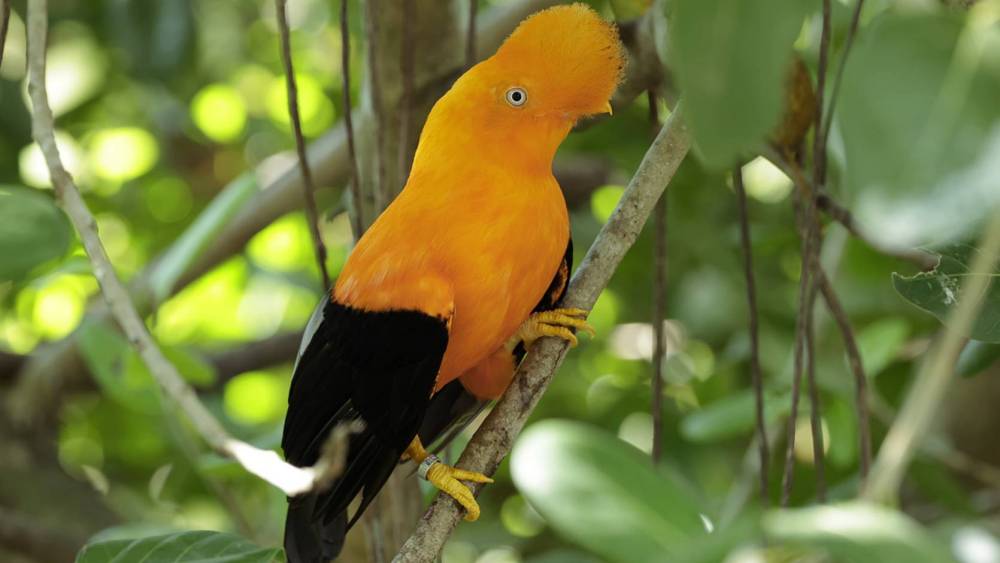

National Bird of Peru
As Peru’s national bird, the attractive Andean cock-of-the-rock lives in the cloud forests of the Andes Mountains.
Frequently featured in wildlife documentaries, this species dwells and nests on rock ledges and cliff faces to provide a safe spot for its chicks, giving rise to its unique name.
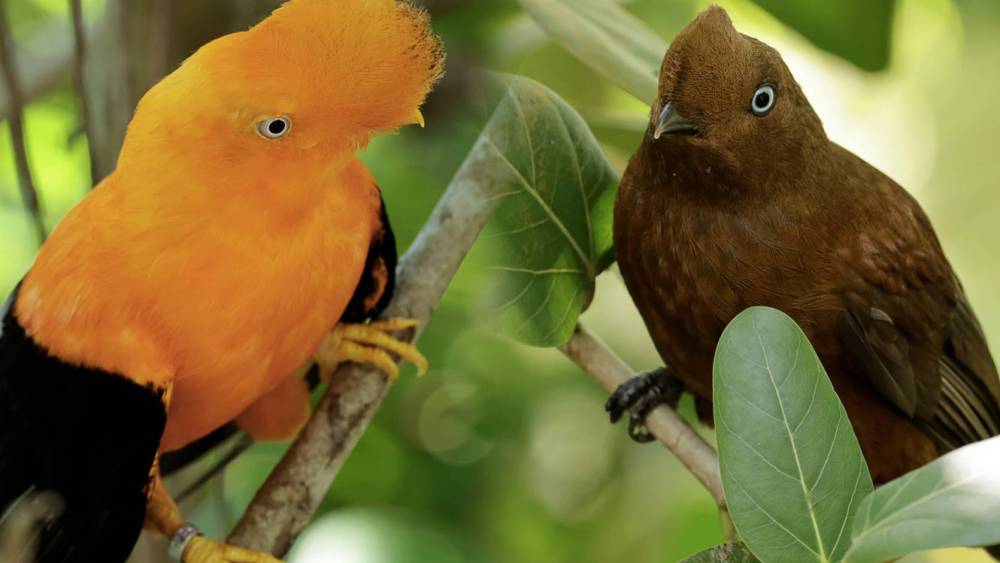
Cocky Courtship Displays
The male’s striking orange plumage is out to impress the ladies. Males gather at communal leks to display their prowess in jumping, wing-flapping, head-bobbing, squealing and beak-clapping.
The performance intensifies when the drab brown females drop in to watch, with the best contender winning their affection.
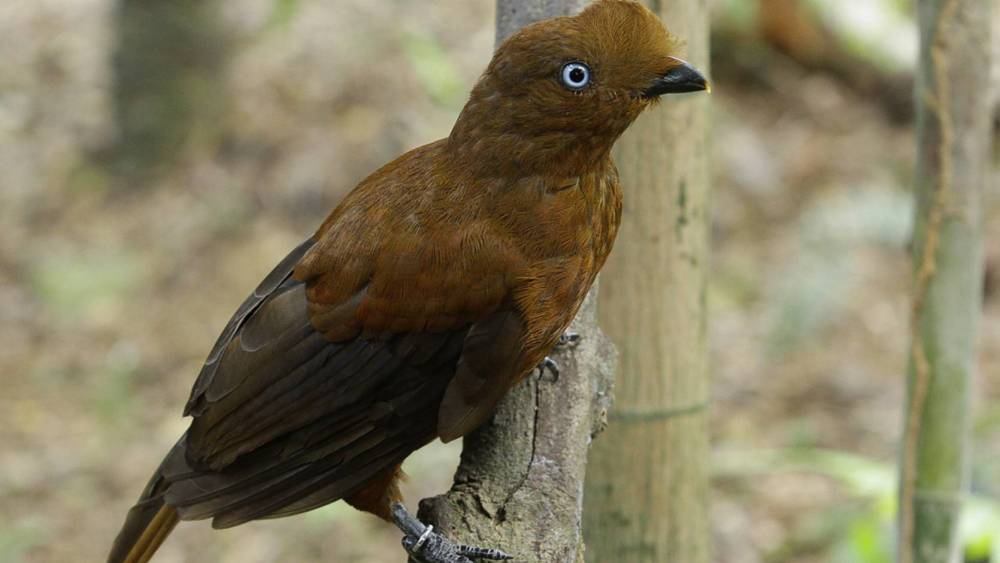
Nest in Peace
Females, with their muted brown tones, stay stealthy during nest building, incubation and chick rearing, which they do so without the help of the males.
Before feeding lizards and frogs to nestlings, they hit the prey against a branch or break them down using their beak.
Together, we protect wildlife
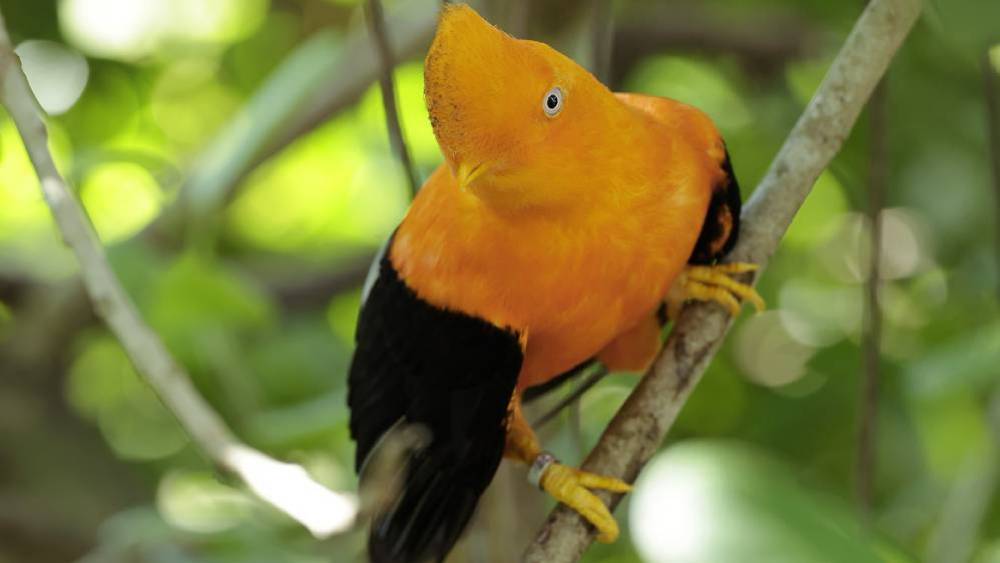
Flamboyant Forest Farmers
The Andean cock-of-the-rock belongs to the cotinga family of colourful fruit-eating forest birds. It helps to regenerate the forest by passing out undigested seeds as it travels, spreading them far away from their parent plant, thus reducing competition for resources as the seeds germinate into saplings.
The IUCN Status
LC
Least Concern
At relatively low risk of extinction

The IUCN Red List of Threatened Species
The IUCN Red List of Threatened Species is widely recognized as the most comprehensive, objective global approach for evaluating the conservation status of plant and animal species.
DD
Data Deficient
Unknown risk of extinction
LC
Least Concern
At relatively low risk of extinction
NT
Near Threatened
Likely to become vulnerable in the near future
VU
Vulnerable
At high risk of extinction in the wild
EN
Endangered
At very high risk of extinction in the wild
CR
Critically Endangered
At extremely high risk of extinction in the wild
EW
Extinct in the Wild
Survives only in captivity
EX
Extinct
No surviving individuals in the wild or in captivity