AnimalsOver 21,000 animals representing nearly 1,000 species call Mandai their home.
Animals In Our Care

Threatened26% of the animal species we care for are threatened with extinction in the wild.
Our parks are home to some 21,000 animals representing nearly 1,000 species. Learn more about the animals in our care at our wildlife attractions.
Animals in
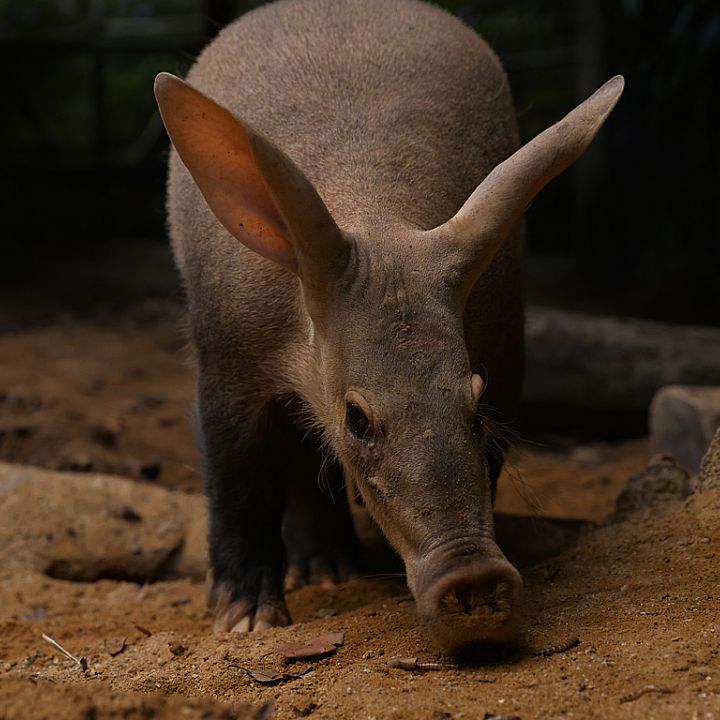
Aardvark
Night Safari
Nicknamed antbear for its appetite for ants and termites, the aardvark can consume as many as 50,000 insects in a night.
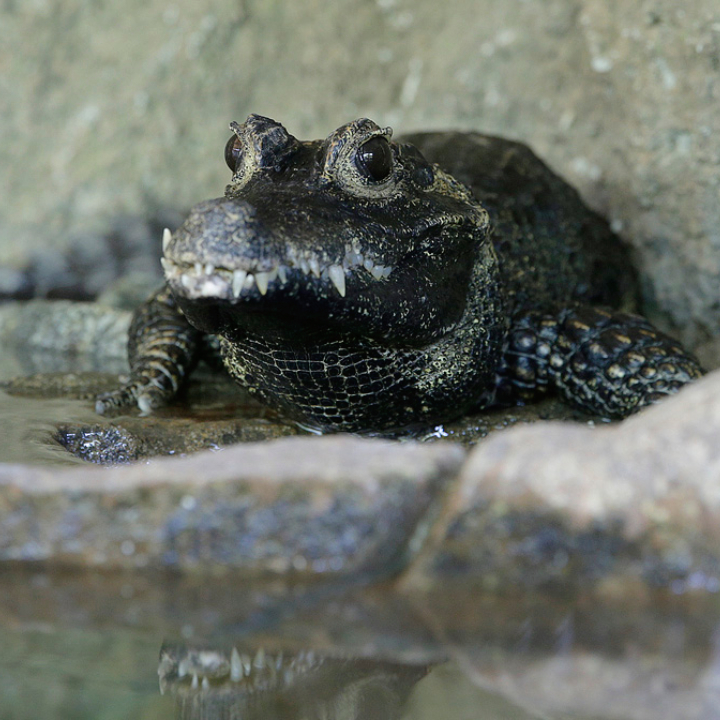
African Dwarf Crocodile
Singapore Zoo
At just 1.5m long, it is one of the smallest crocs. Mostly aquatic, they may bask on logs or even climb onto low tree branches!
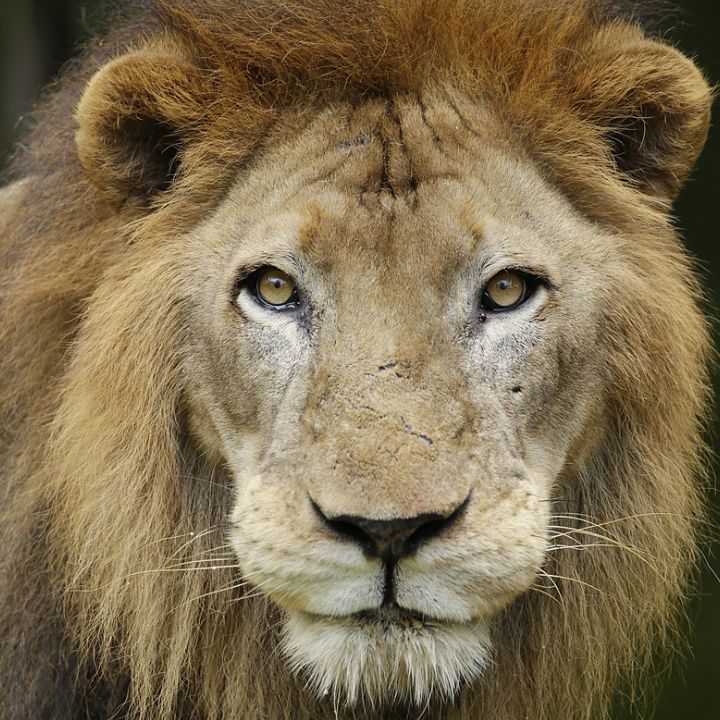
African lion
Singapore Zoo
Lions live in social groups known as prides, made up of one or more mature males, several closely-related females and their young. Males roar and spray urine to advertise their territory to rivals.
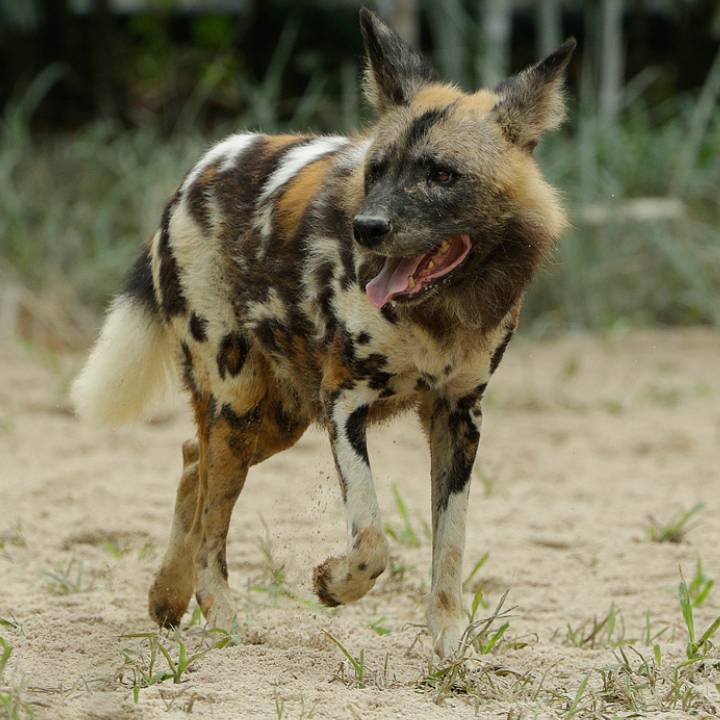
African Painted Dog
Rainforest Wild Adventure EAST
Highly endangered social carnivores known for their mottled coats, exceptional hunting success, and strong bonds in packs.
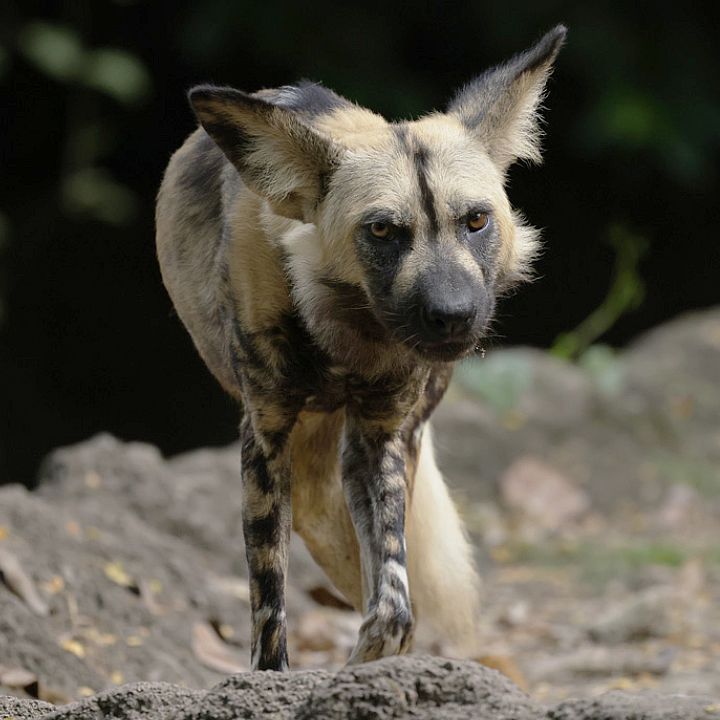
African painted dog
Singapore Zoo
Hunting dogs look out for their pack members, especially the young and the sick.
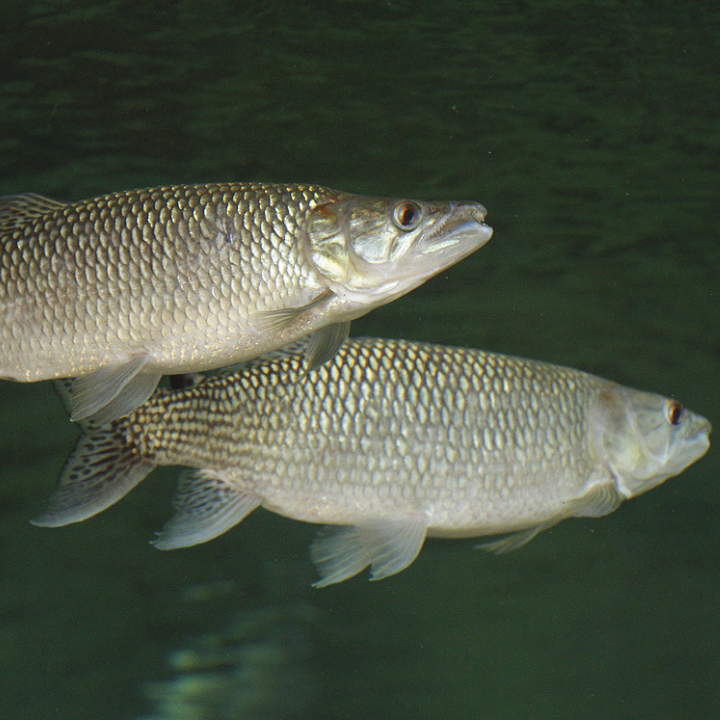
African pike
River Wonders
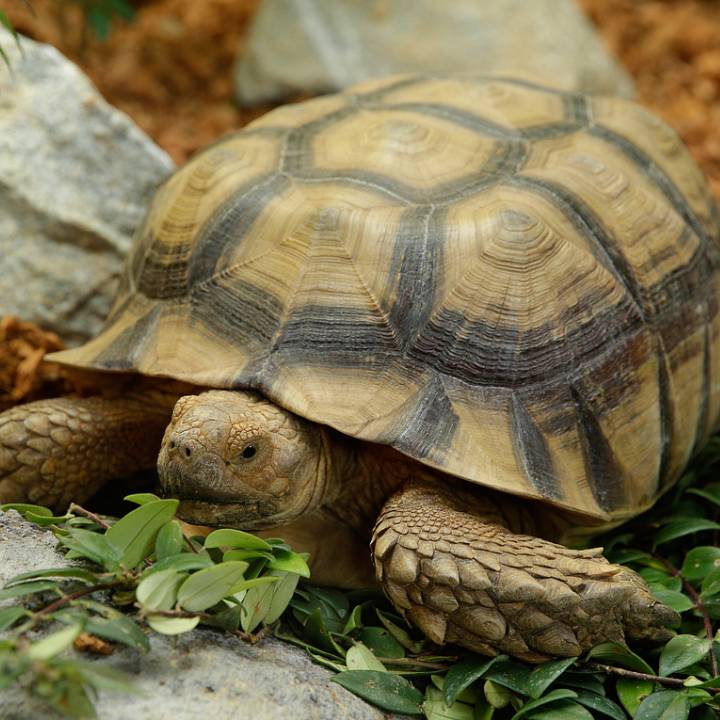
African Spurred Tortoise
Rainforest Wild Adventure EAST
The world’s third-largest tortoise species and Africa’s largest mainland tortoise, capable of weighing up to 90kg.
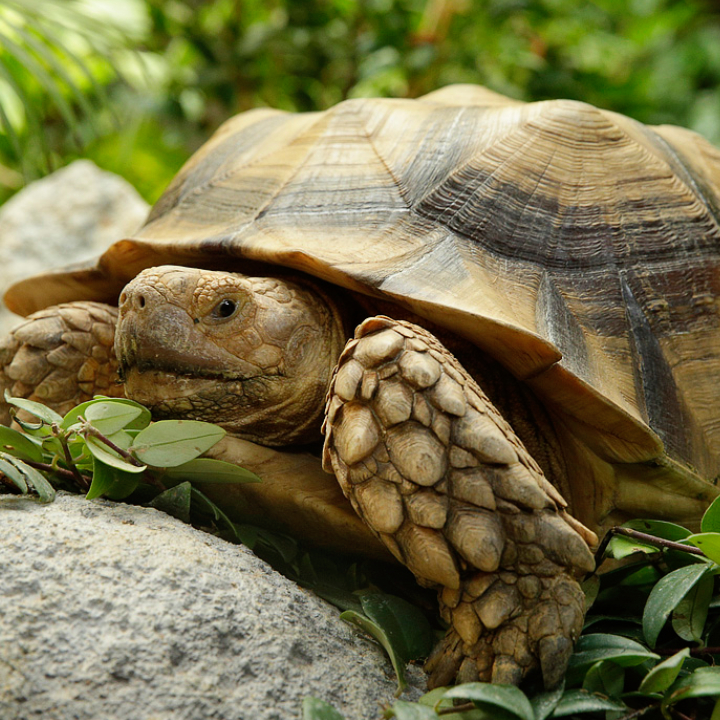
African Spurred Tortoise
Singapore Zoo
At just 1.5m long, it is one of the smallest crocs. Mostly aquatic, they may bask on logs or even climb onto low tree branches!
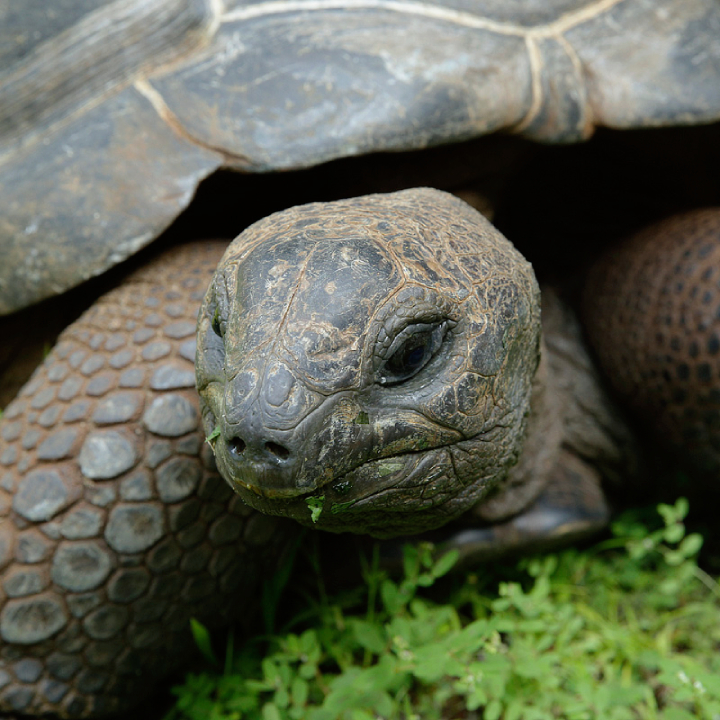
Aldabra Giant Tortoise
Singapore Zoo
Weighing up to 230kg, this slow-moving tortoise’s equally slow metabolism allows it to survive over a year without food or water.
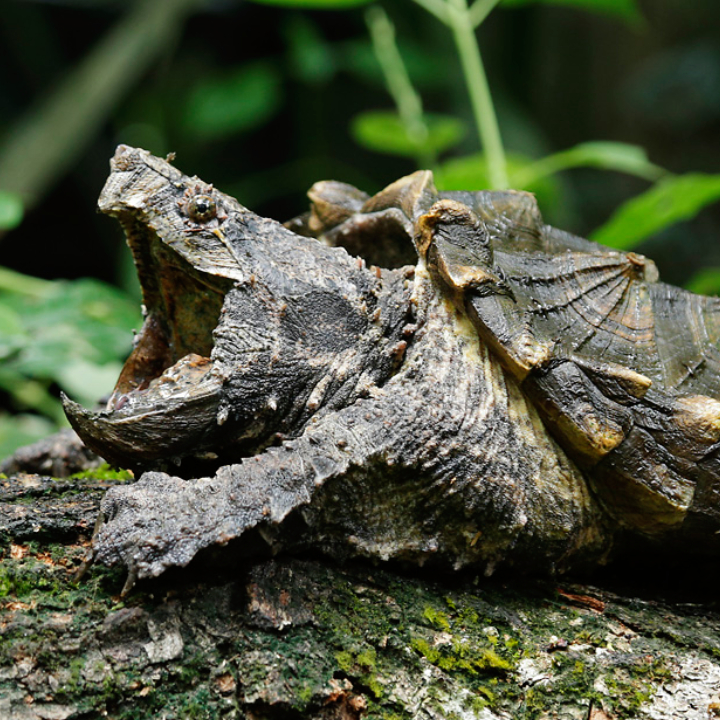
Alligator Snapping Turtle
Singapore Zoo
Primarily carnivorous, these ambush predators stay motionless in the water and reveal the worm-like appendage on their tongues to lure unsuspecting prey.

Altum angelfish
River Wonders
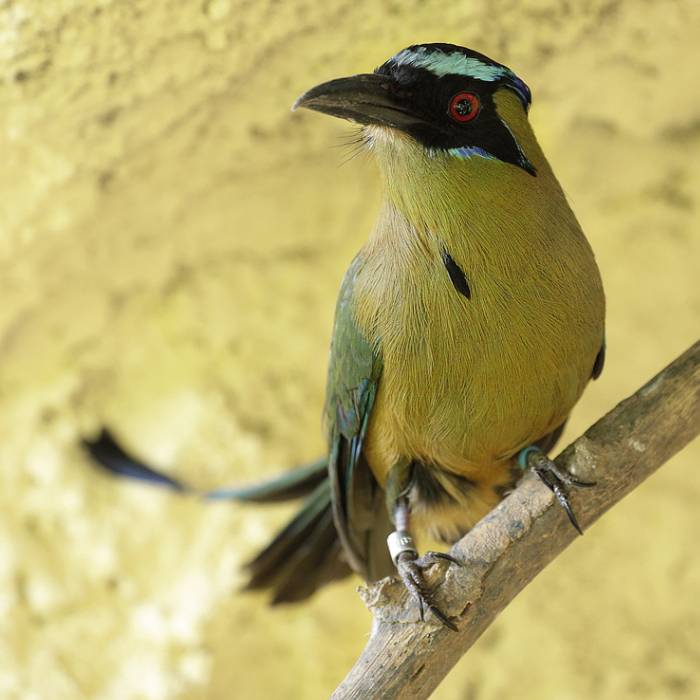
Amazonian motmot
Bird Paradise
Multi-coloured with a long tail ending in two racquets, this dashing crow-sized bird can be found across a broad swathe of lowland forests.
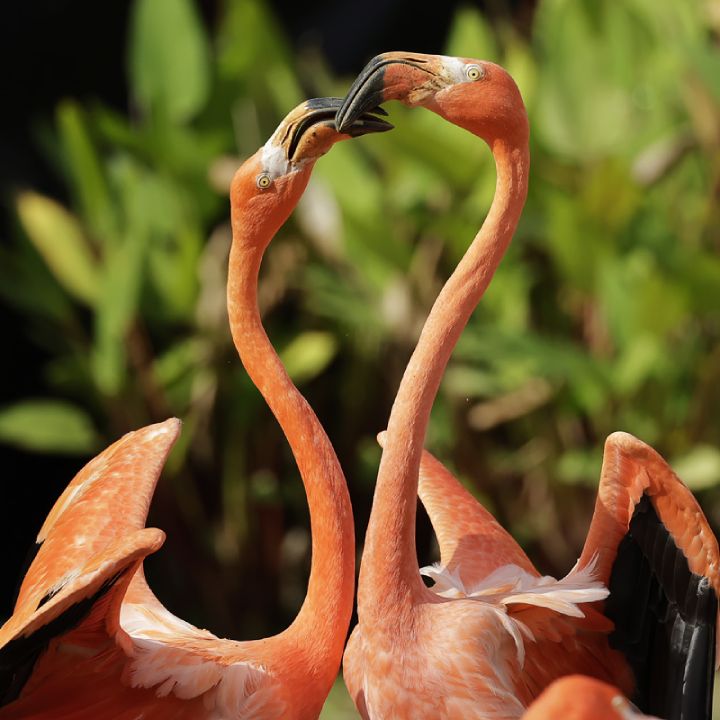
American flamingo
Bird Paradise
This species has the most vibrant plumage of all flamingo species.
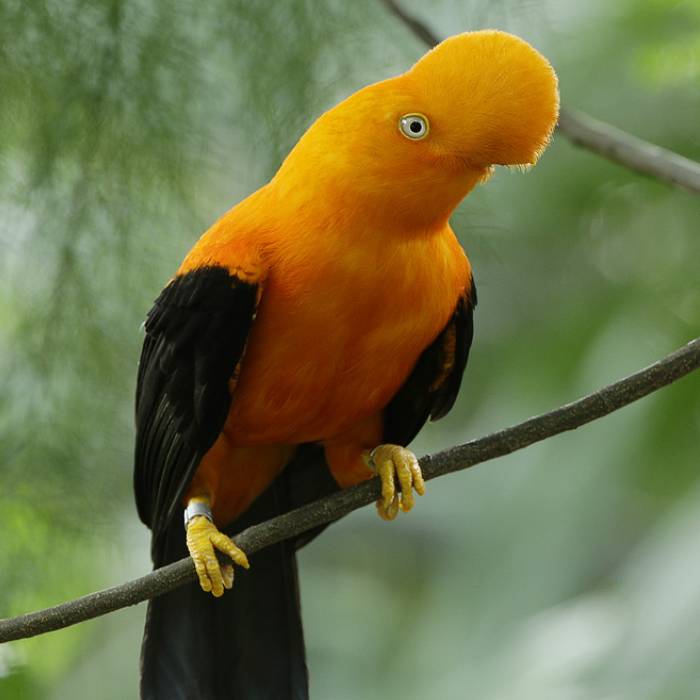
Andean cock-of-the-rock
Bird Paradise
The Andean cock-of-the-rock belongs to the cotinga family of colourful fruit-eating forest birds.
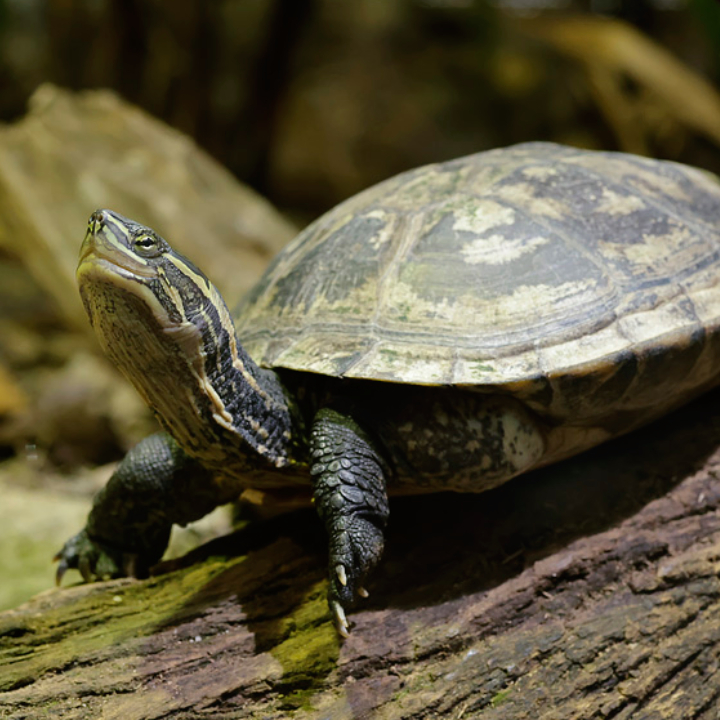
Annam Leaf Turtle
Singapore Zoo
Primarily carnivorous, these ambush predators stay motionless in the water and reveal the worm-like appendage on their tongues to lure unsuspecting prey.

Arapaima
River Wonders
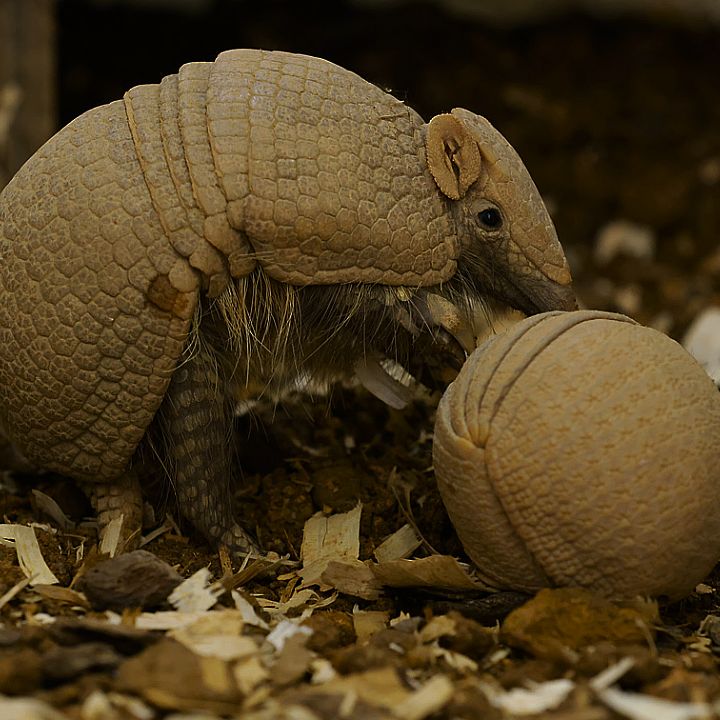
Armadillo
Night Safari
Though “Armadillo” is Spanish for “little armoured thing”, it is more than just “a roly-poly shell with bands”. The armadillo can hold its breath for six minutes, and its diet consists of insects, small reptiles, and even amphibians.
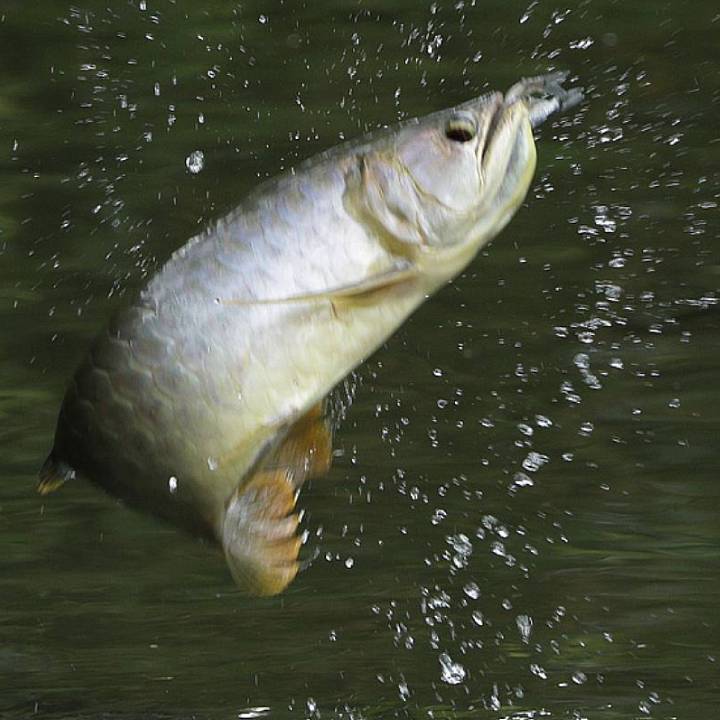
Asian arowana
Rainforest Wild Adventure WEST
Growing up to 90cm in length, they launch their thin, powerful bodies out of the water to capture aerial prey.
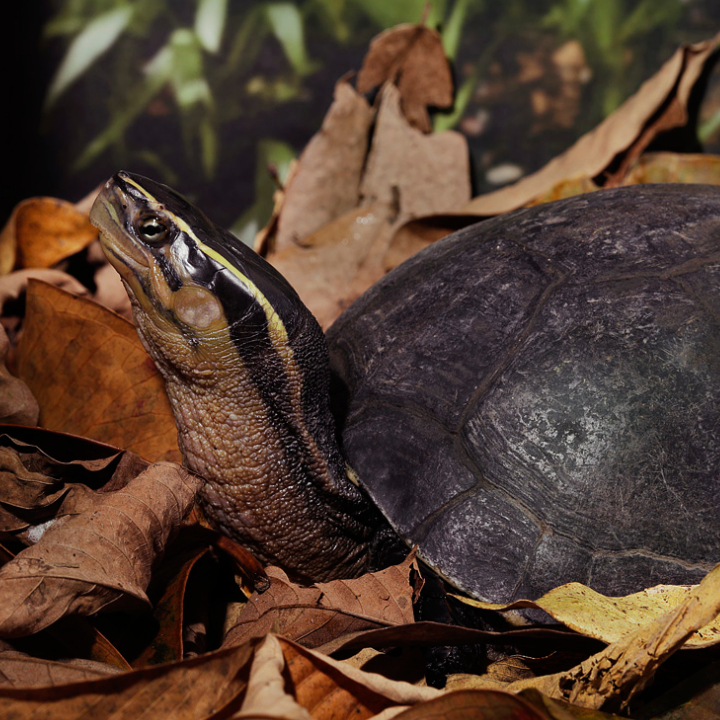
Asian Box Turtle
Singapore Zoo
Its hinged plastron (shell underside) allows it to close its shell completely, protecting their head, limbs, and soft body parts when threatened.
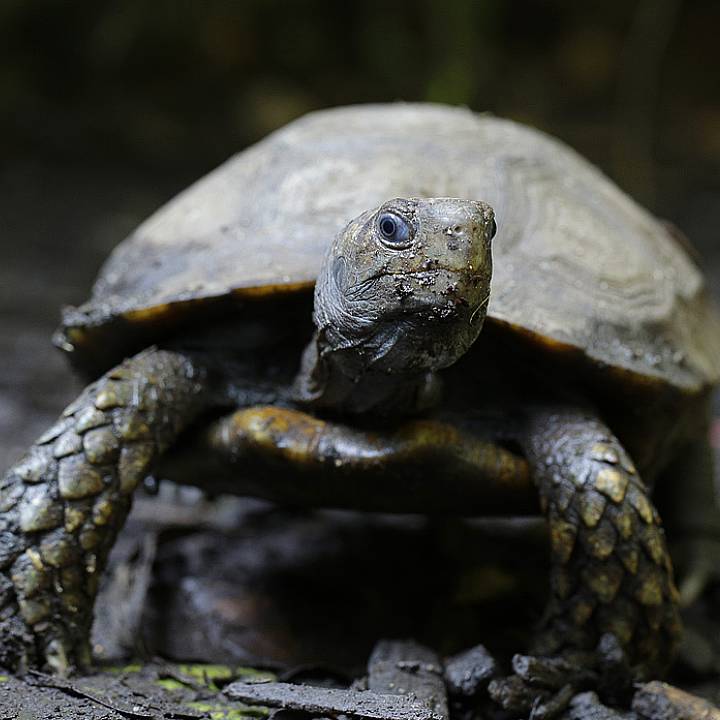
Asian brown tortoise
Rainforest Wild Adventure WEST
Growing up to 60cm in length and 40kg in weight, it is the largest tortoise species in Asia.
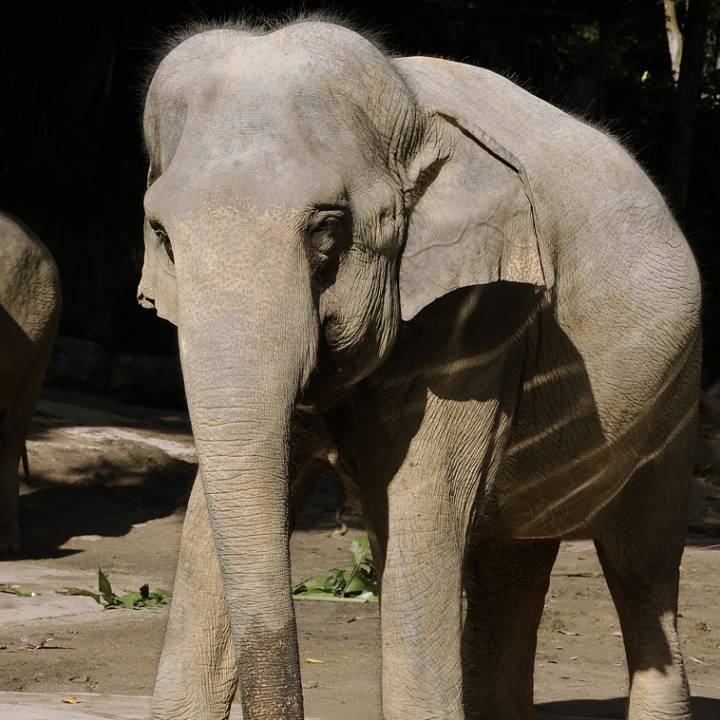
Asian elephant
Singapore Zoo
When size doesn't help. With 40,000-50,000 left in the wild, will the last of the megaherbivores be wiped out too?
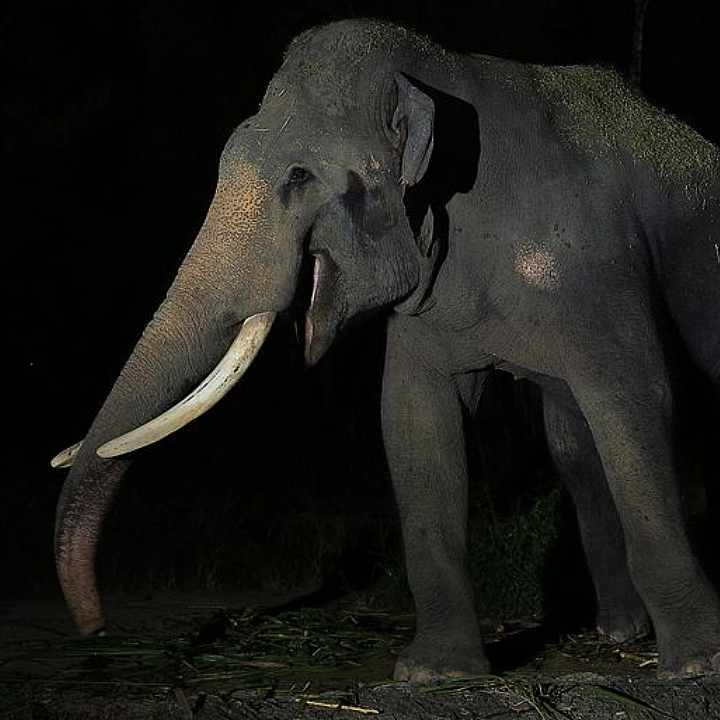
Asian elephant
Night Safari
Elephants in the wild can spend up to 19 hours a day feasting on a variety of plants.
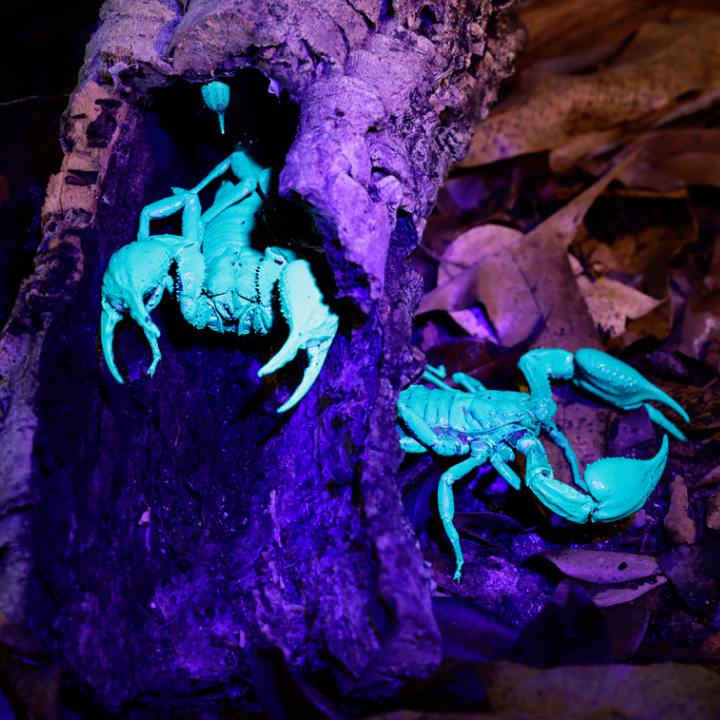
Asian forest scorpion
Rainforest Wild Adventure WEST
Growing up to 20cm in length, it uses its large pedipalps more than its tail when threatened.
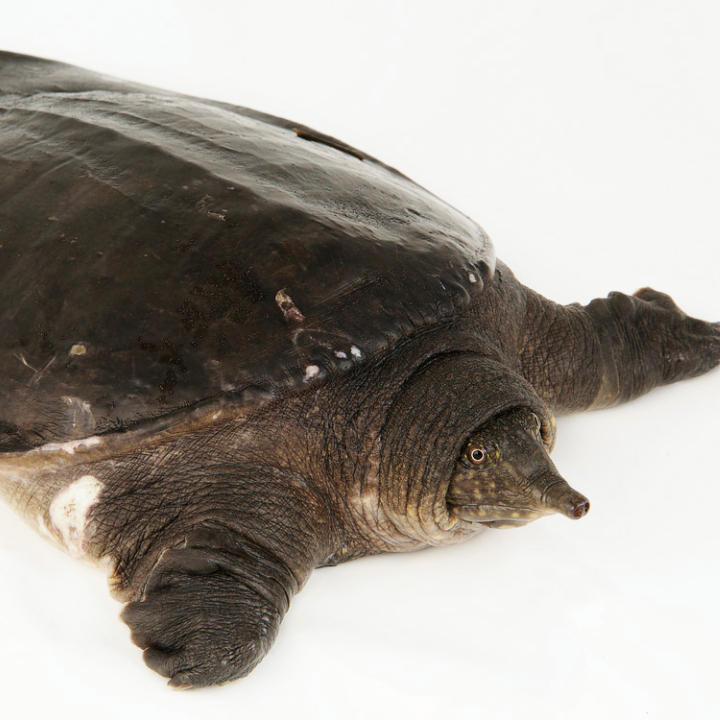
Asian Giant Softshell Turtle
Singapore Zoo
A primarily carnivorous ambush predator, it spends 95% of its life buried and motionless, with only its eyes and mouth protruding from the sand.
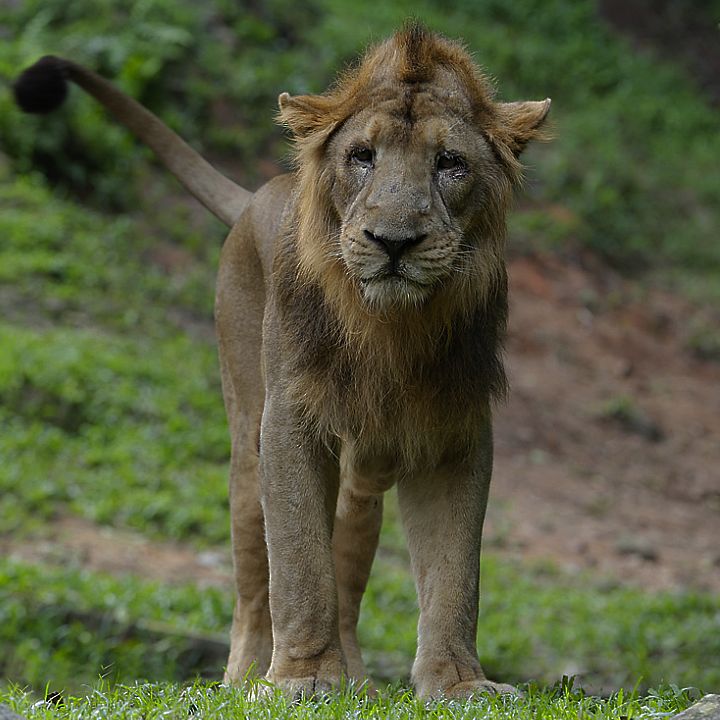
Asian lion
Night Safari
With a comparatively shorter, sparser and darker mane, the male Asian lion's ears are exposed and visible at all times.
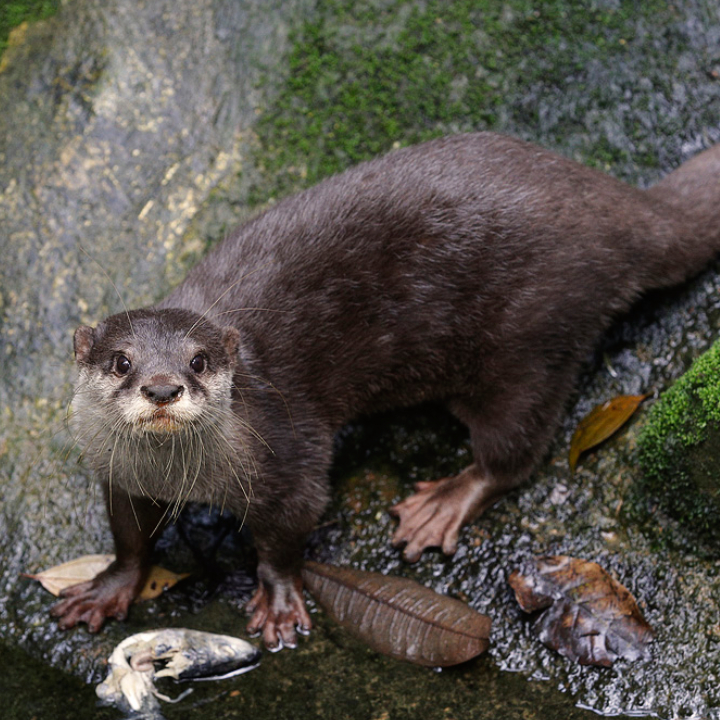
Asian Small-clawed Otter
Rainforest Wild Adventure EAST
Living in close-knit social groups of up to 20, these otters communicate through squeals, chirps, screams and barks, and use scent marking to communicate and mark territory.
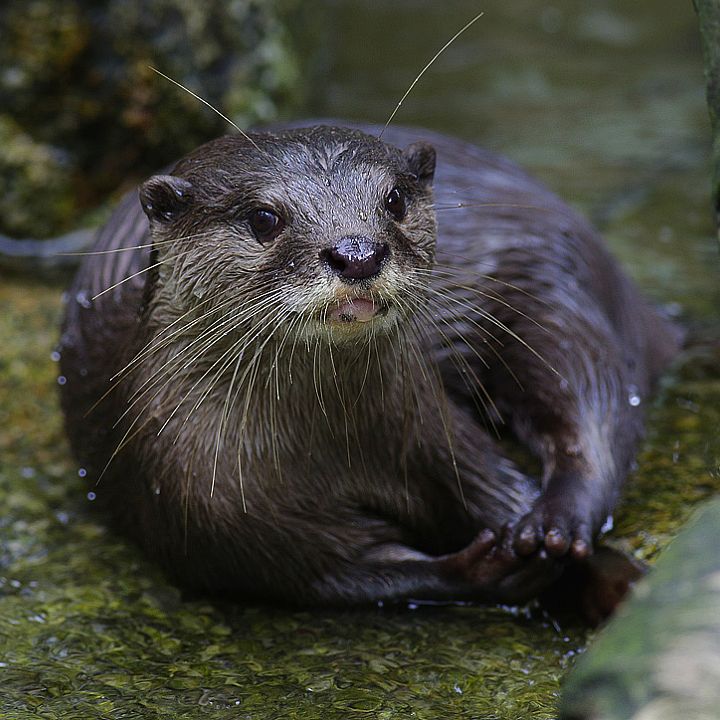
Asian small-clawed otter
Night Safari
Living in close-knit social groups of up to 20 individuals, these otters communicate through squeals, chirps, screams and barks, and use scent marking to communicate and mark territory.
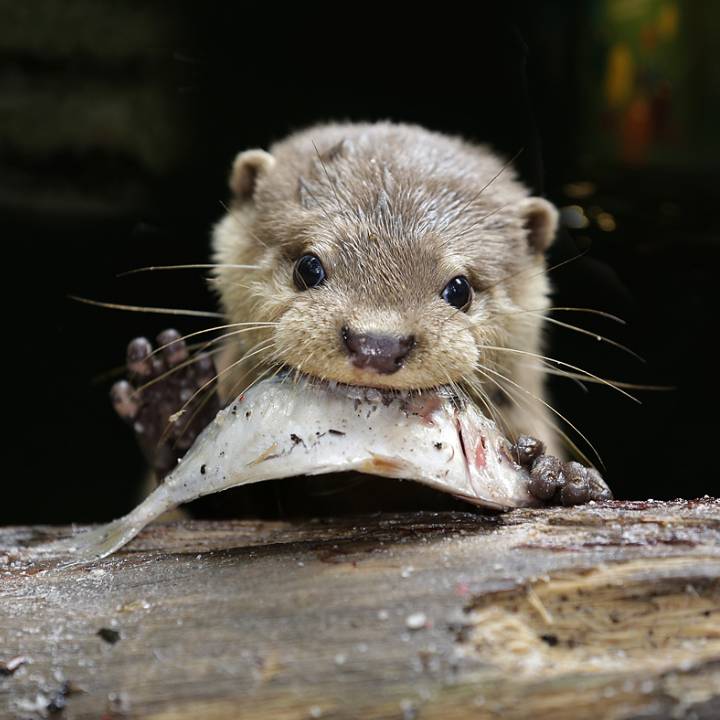
Asian small clawed otter
Singapore Zoo
These smallest of 13 otter species in the world are social and playful animals.
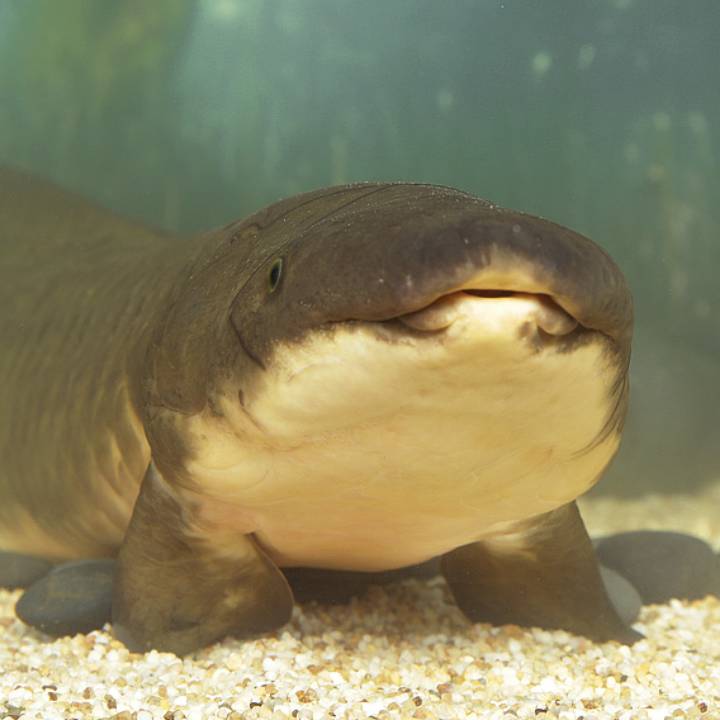
Australian lungfish
River Wonders
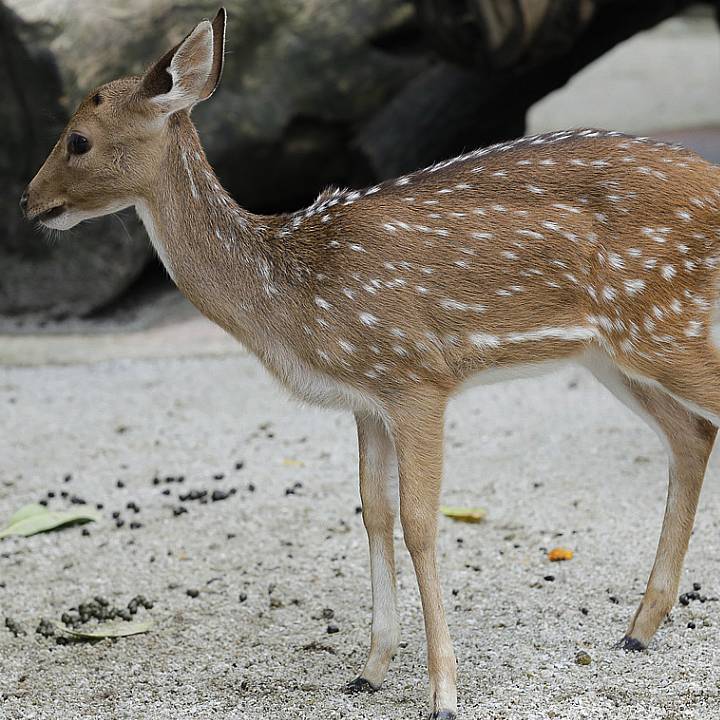
Axis deer
Rainforest Wild Adventure WEST
These speedy deer can run at speeds of up to 60km per hour and jump over obstacles over 1.5m high.
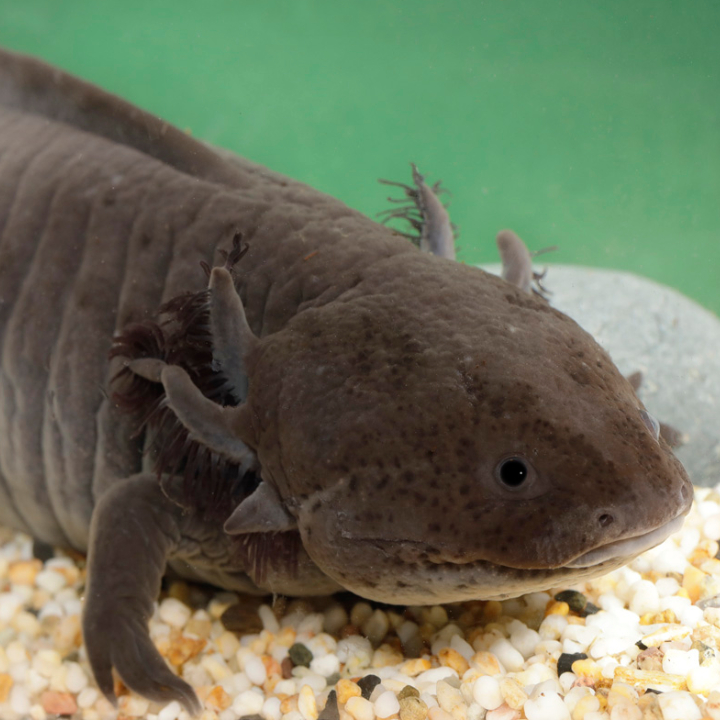
Axolotl
Singapore Zoo
These dark-coloured descendants of the tiger salamander can shift their hue a few shades lighter or darker as needed for camouflage.
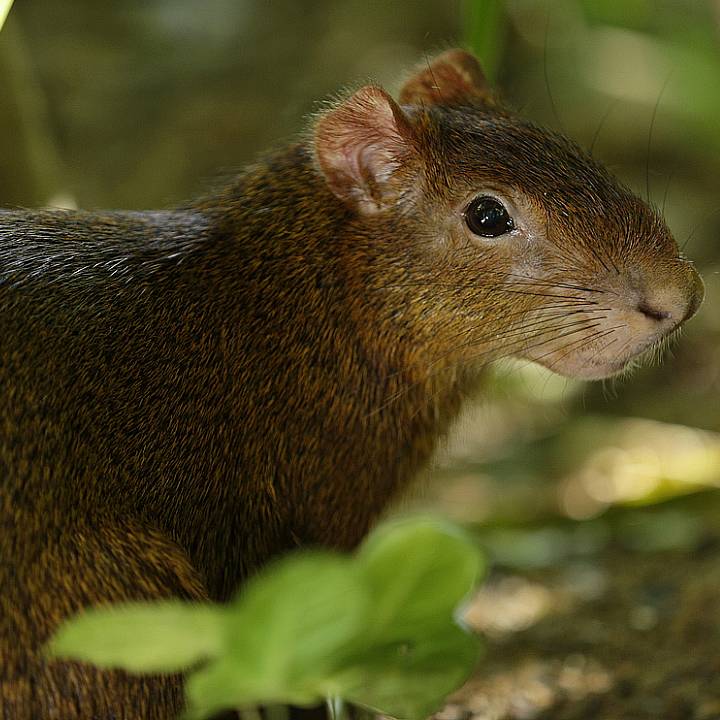
Azara's agouti
River Wonders
These 'jungle gardeners' are thought to be the only mammal that can open a Brazil nut due to their exceptionally sharp teeth!
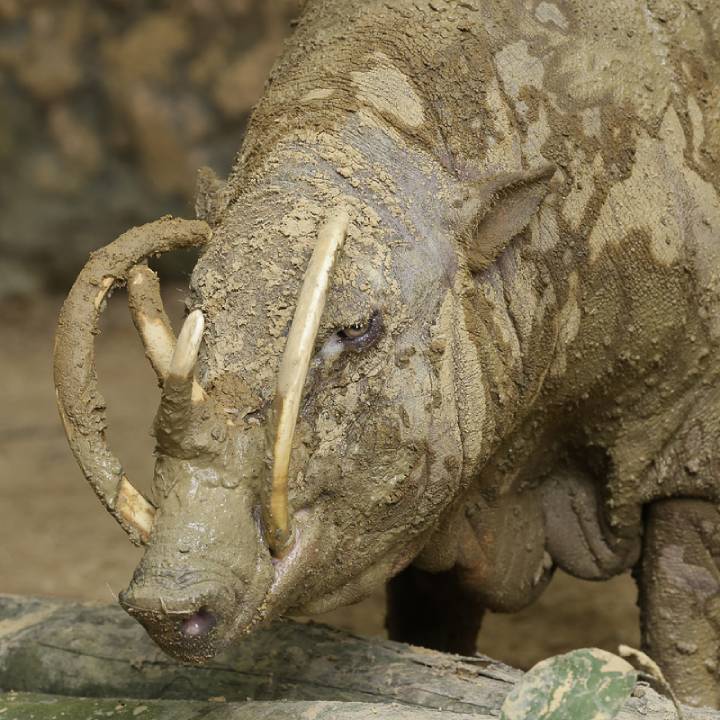
Babirusa
Singapore Zoo
Babirusa means pig deer in Malay due to its tusks that look very much like the antlers of a deer.
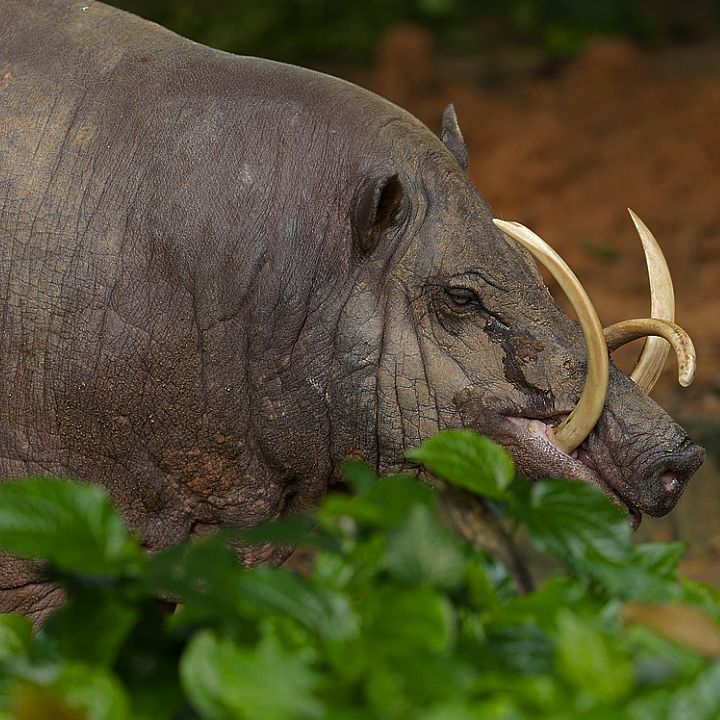
Babirusa
Night Safari
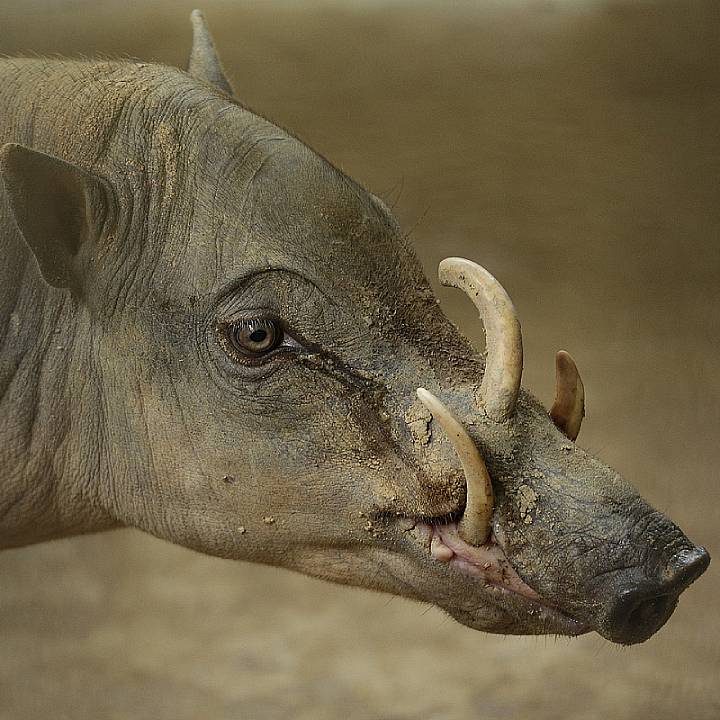
Babirusa
Rainforest Wild Adventure WEST
The babirusa's twisted tusks can grow so long that, if not worn down, start curving back toward their own skull!
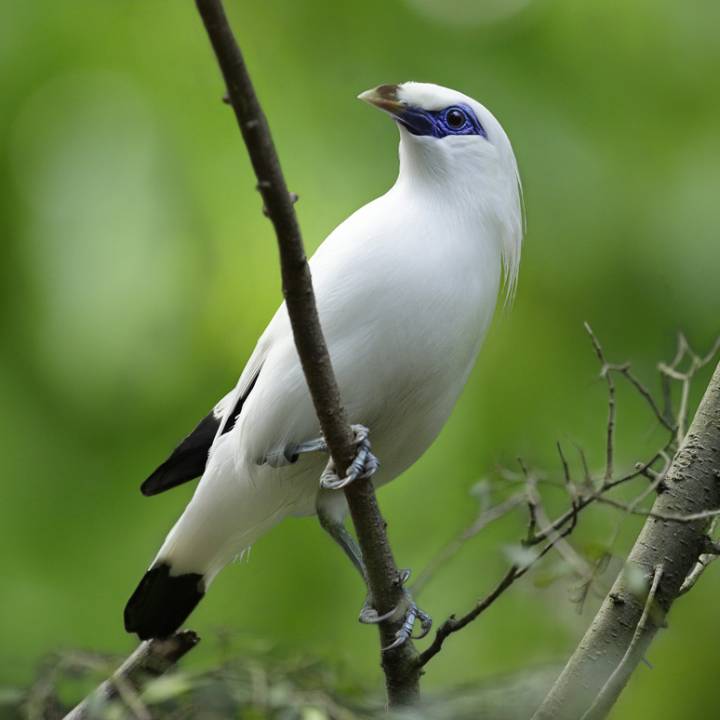
Bali myna
Bird Paradise
The Bali myna is almost entirely white with long head plumes and black wing-tips. Endemic to Bali where it formerly ranged across the north-west third of the island, the species was never very widely distributed.
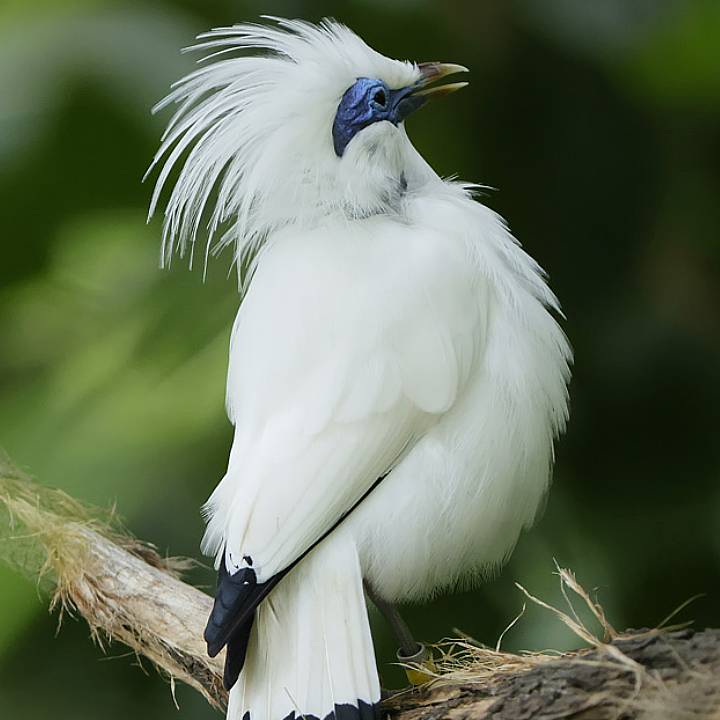
Bali myna
Rainforest Wild Adventure WEST
Before conservation efforts brought them back, there were only six of these birds left in the wild in 2001.
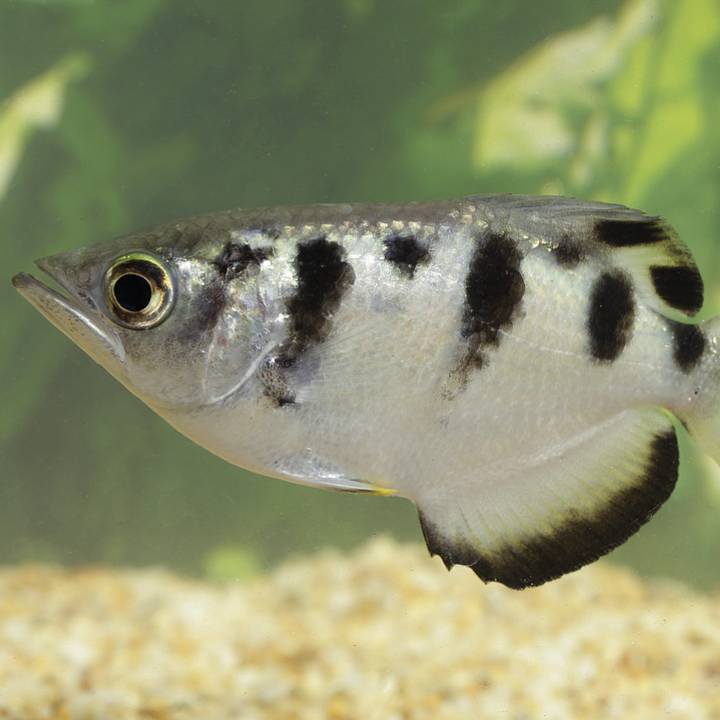
Banded archerfish
River Wonders
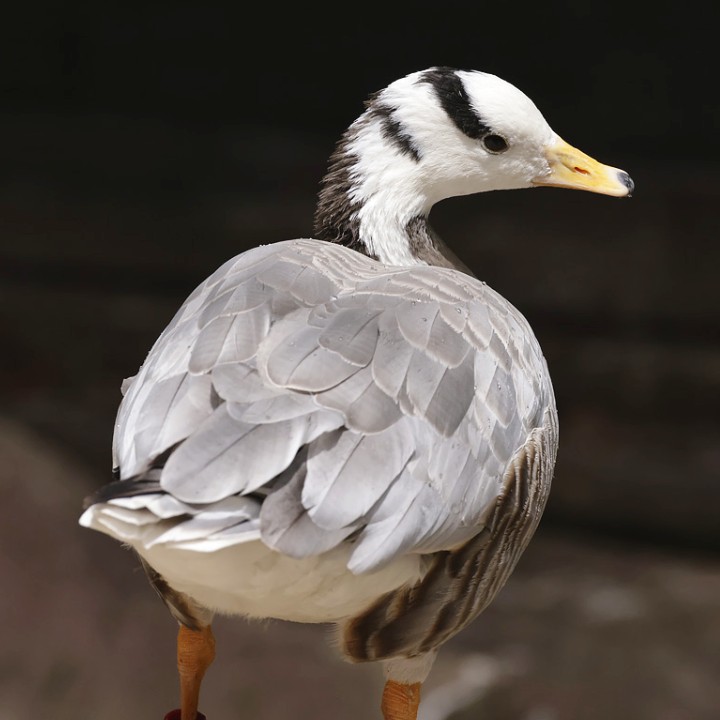
Bar-headed goose
Bird Paradise
As one of the world's highest-flying birds, the bar-headed goose has reached a record altitude of over 7,000m. It migrates over the Himalayas, flying from Mongolia to India to escape the harsh winters.
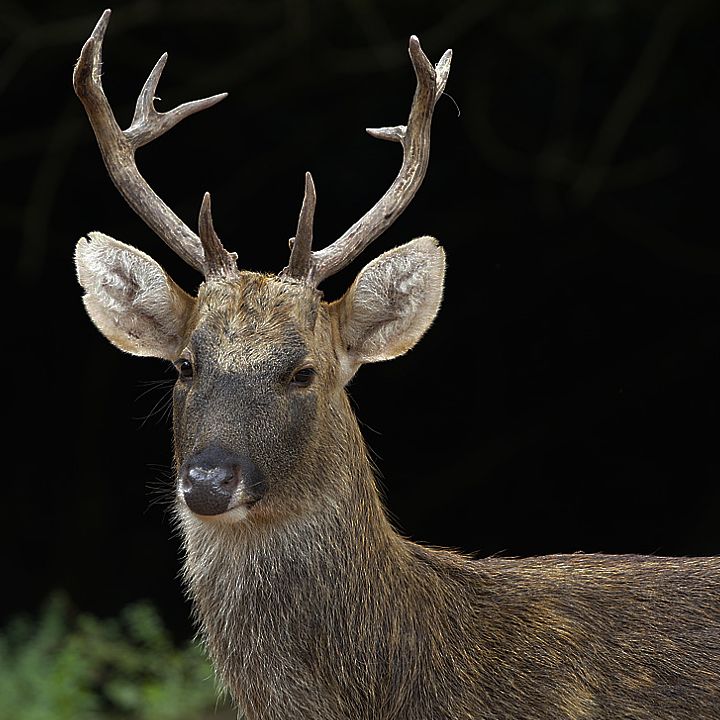
Barasingha
Night Safari
Also known as the swamp deer, it is not uncommon for this large species to have up to 20 tines on their antlers.
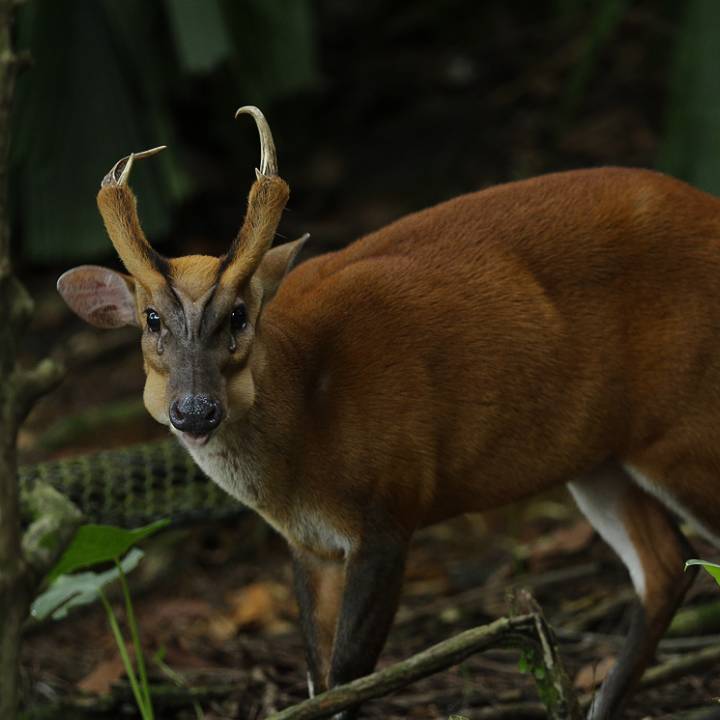
Barking deer
Night Safari
Also known as ‘muntjacs’ or ‘rib-faced deer’, this species fights for territory with their "tusks”, which are actually downward-pointing canine teeth.
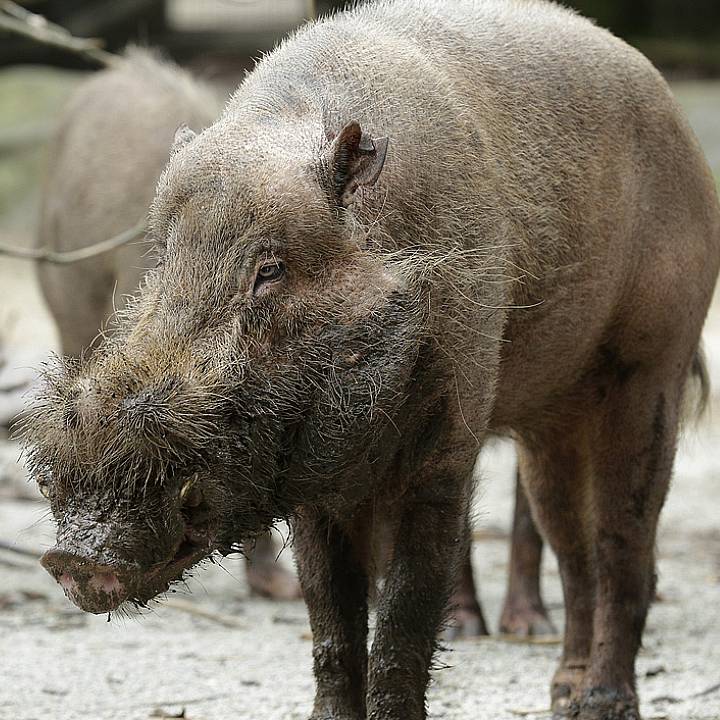
Bearded pig
Rainforest Wild Adventure WEST
Large and long-legged with elongated faces, these pigs have “beards” up to 15cm long, and tusks up to 25cm in length.
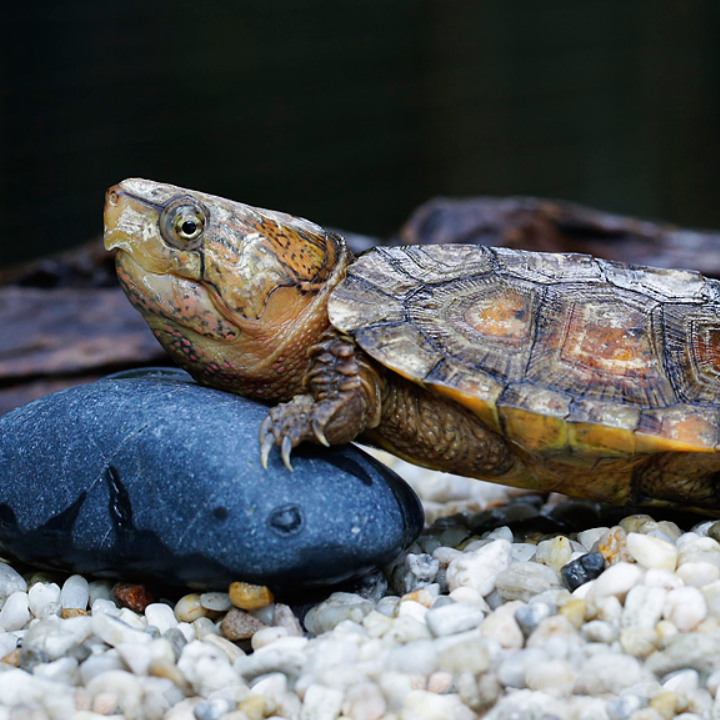
Big-Headed Turtle
Singapore Zoo
While this turtle’s head is so big that it can’t be withdrawn inside its shell, it does have a large bony “roof” on its head for protection.
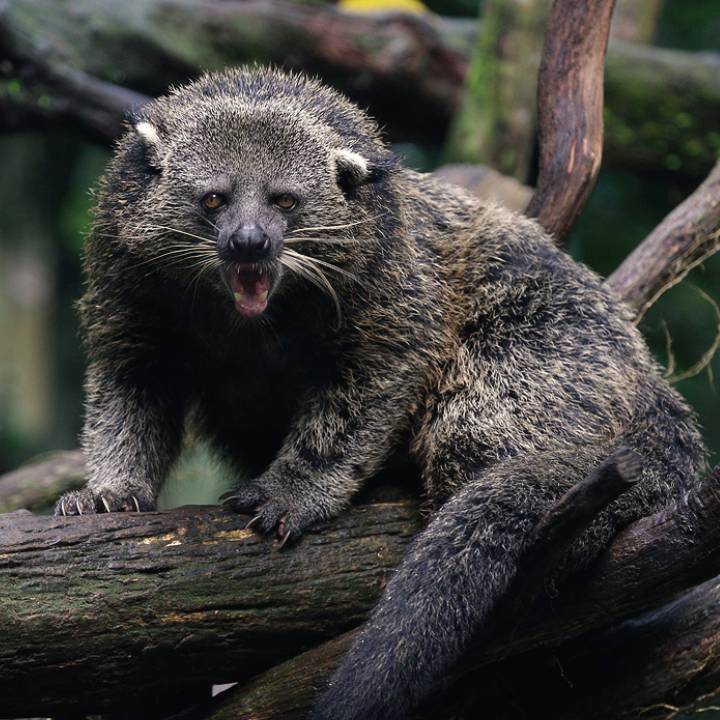
Binturong
Night Safari
Nicknamed the ‘Bearcat’, the binturong is actually related to civets and fossas. Amazingly, it smells like pandan leaves or buttered popcorn!
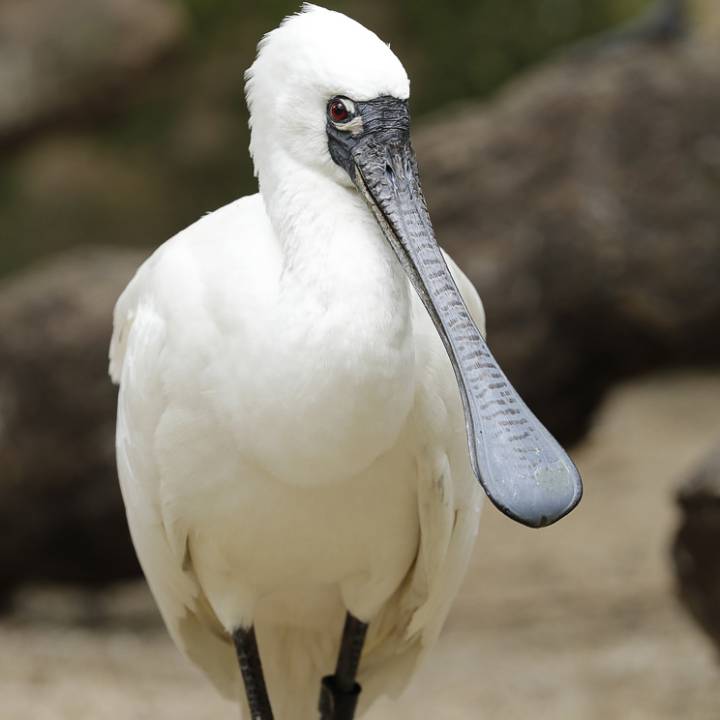
Black-faced spoonbill
Bird Paradise
Black-faced spoonbills are the rarest spoonbills and the only species of spoonbill to be classed as Endangered on the IUCN Red List.
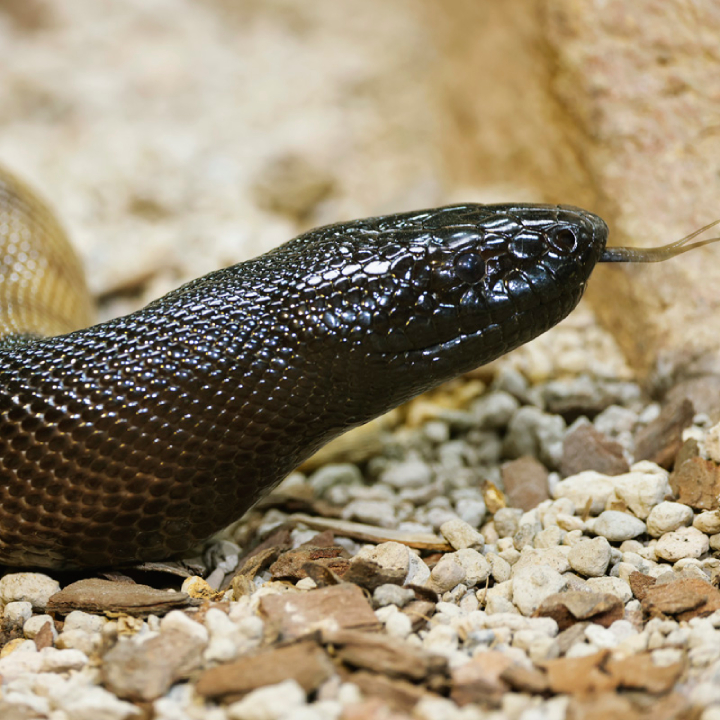
Black-Headed Python
Singapore Zoo
To stay hidden while basking, this snake buries itself with just its head exposed. Its dark colour helps it absorb heat quickly, warming its brain and senses.
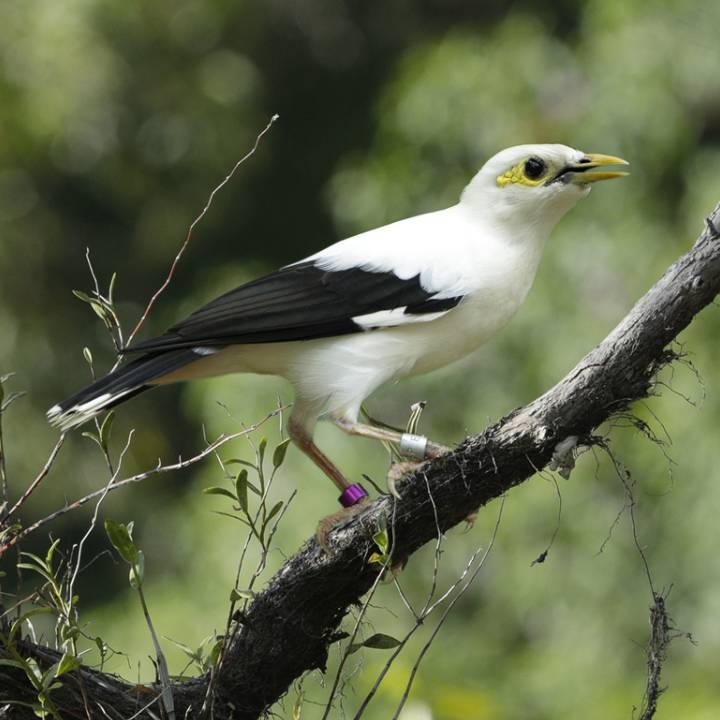
Black-winged myna
Bird Paradise
The black-winged mynas' melodious song, along with their lively temperament and striking plumage make them highly-prized in the cage bird trade.
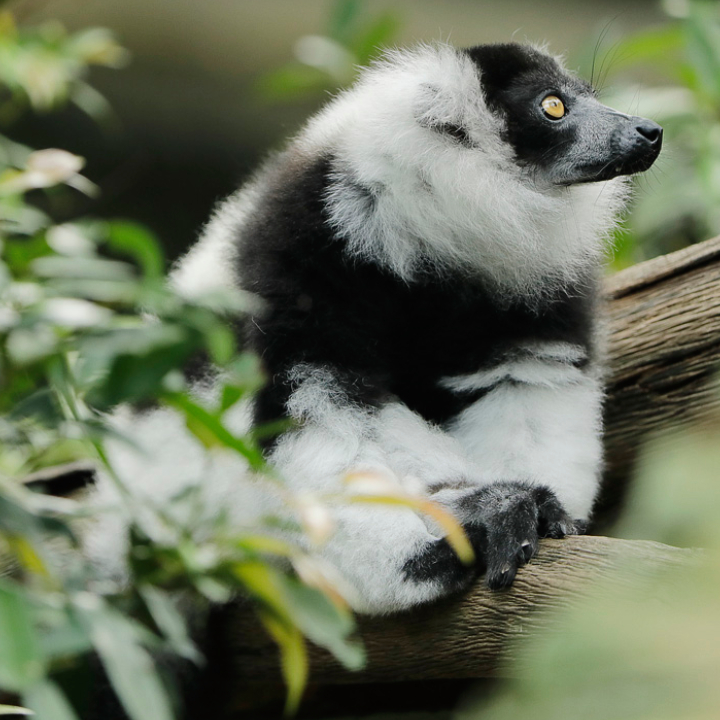
Black and White Ruffed Lemur
Rainforest Wild Adventure EAST
Highly frugivorous, ruffed lemurs hang from their feet to reach ripe fruit, a behaviour more pronounced than in other lemur species.
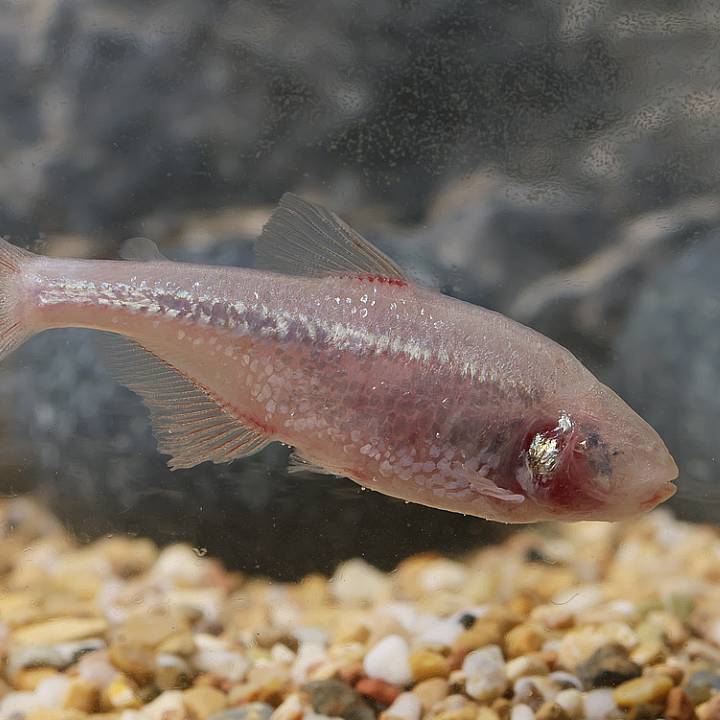
Blind cave fish
Rainforest Wild Adventure WEST
These fish have a more sensitive lateral line system which detects vibrations or changes in pressure in water.
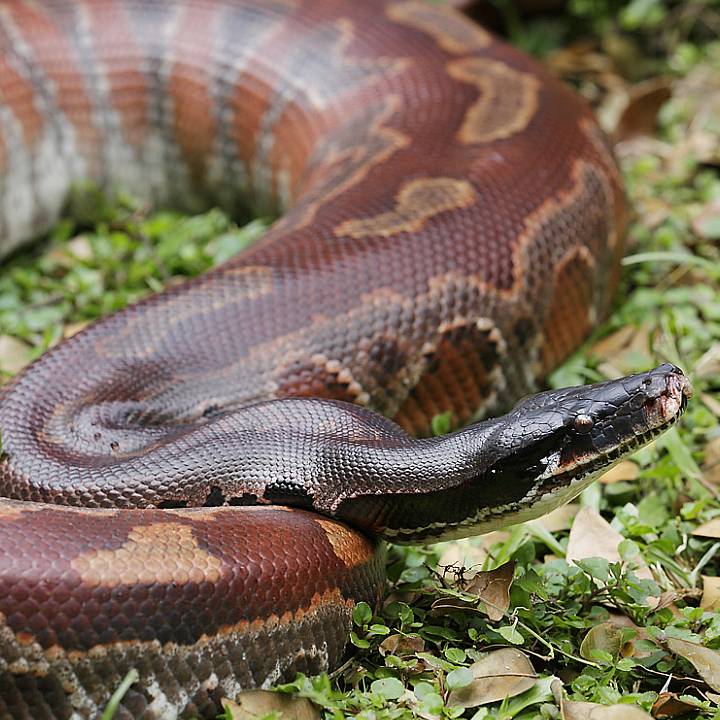
Blood python
Rainforest Wild Adventure WEST
These striking snakes can see a thermal image of their surroundings, making them effective hunters in the dark.
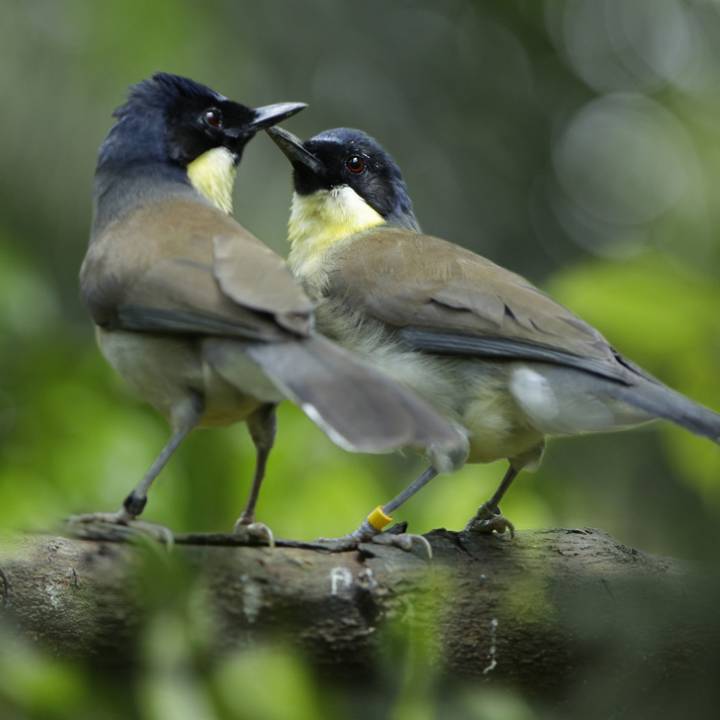
Blue-crowned laughingthrush
Bird Paradise
These birds forage in flocks of 40 or more, looking through leaf litter on the ground, or flitting from one leafy branch to another in bushes and trees, gleaning for insects.
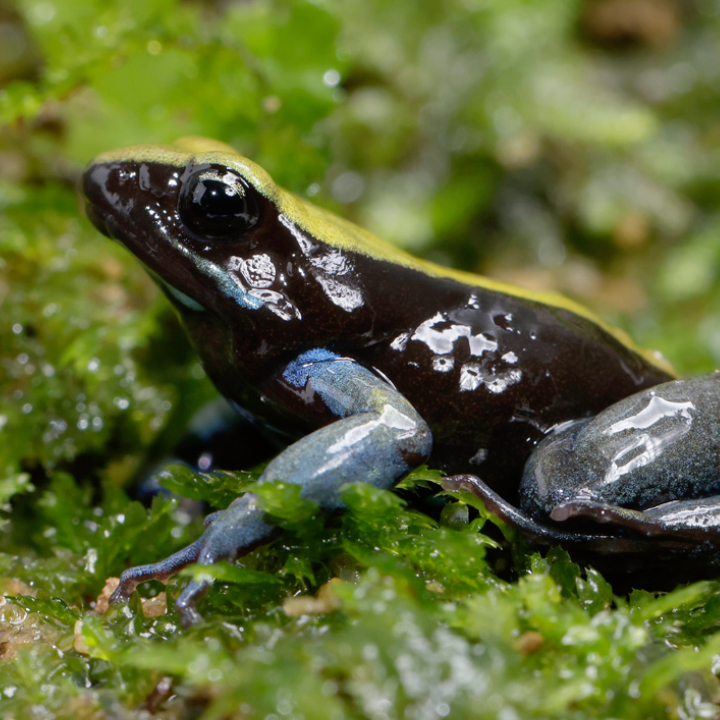
Blue-Legged Mantella
Singapore Zoo
Their eggs are laid on canyon walls or under rocks, which are then flooded by water to complete their development in temporary pools.
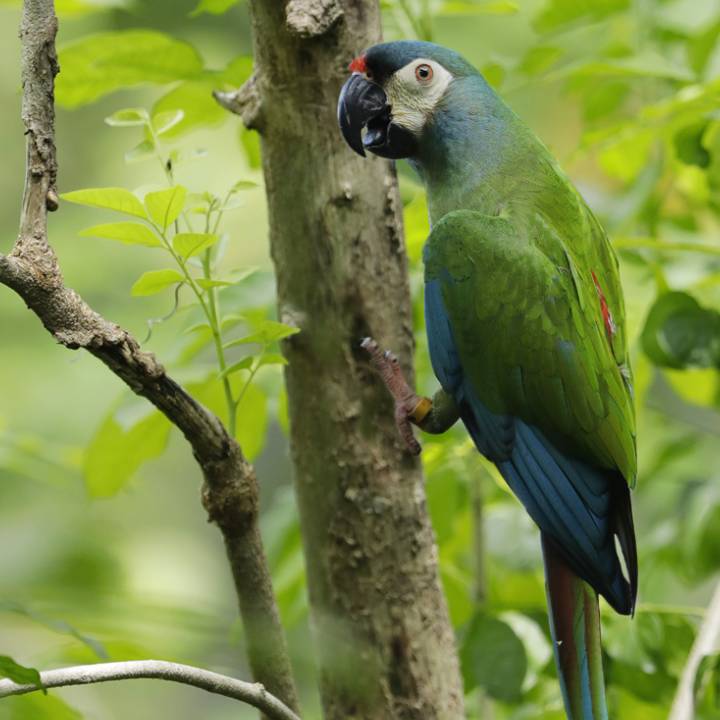
Blue-winged macaw
Bird Paradise
Whittled down by habitat loss, trapping for the pet trade and persecution as crop pests, there are only 1,500 to 7,000 mature blue-winged macaws left in Brazil, Paraguay and Argentina.
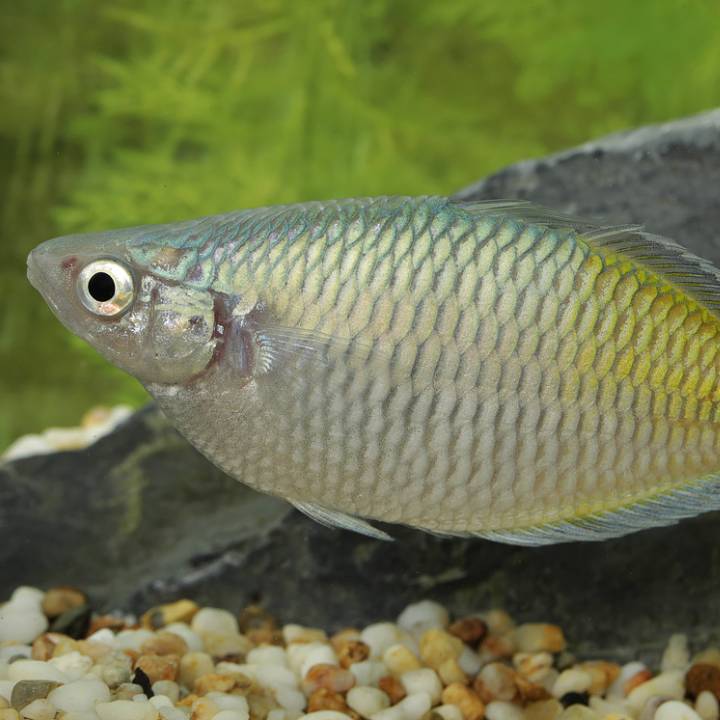
Boeseman's rainbowfish
River Wonders
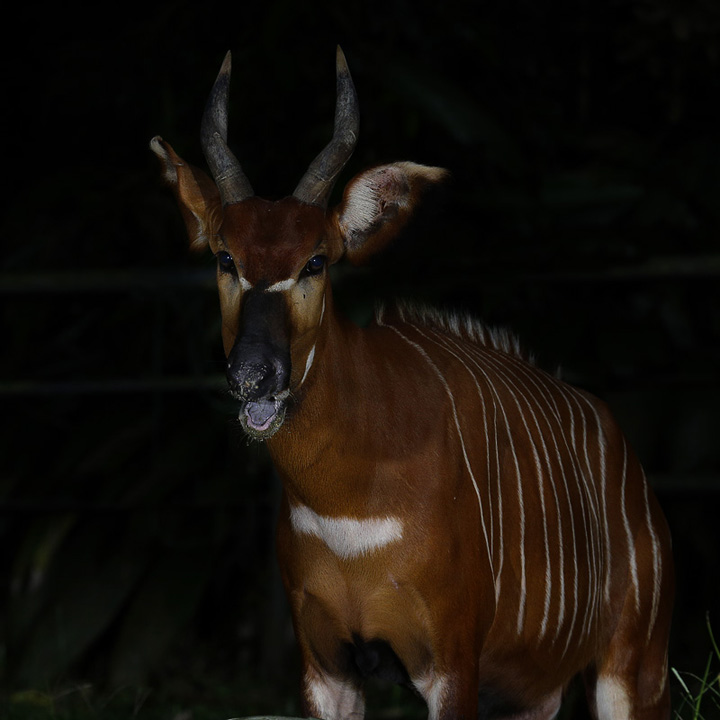
Bongo
Night Safari
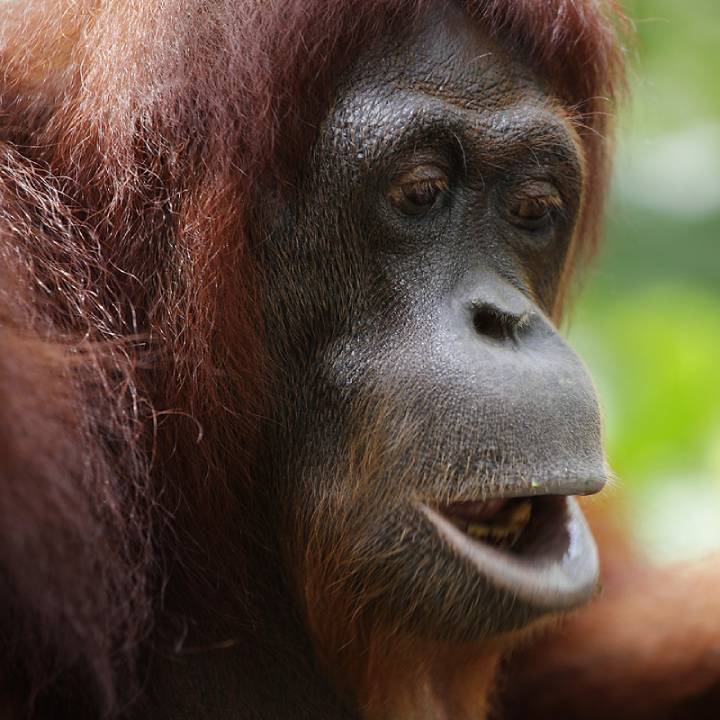
Bornean orangutan
Singapore Zoo
Orangutans are apes, which means that unlike monkeys, they do not have a tail. Found in the rainforests of Borneo and Sumatra, they have special feet with long toes for grasping branches, and long limbs that can stretch out far so that they can move easily through the treetops.
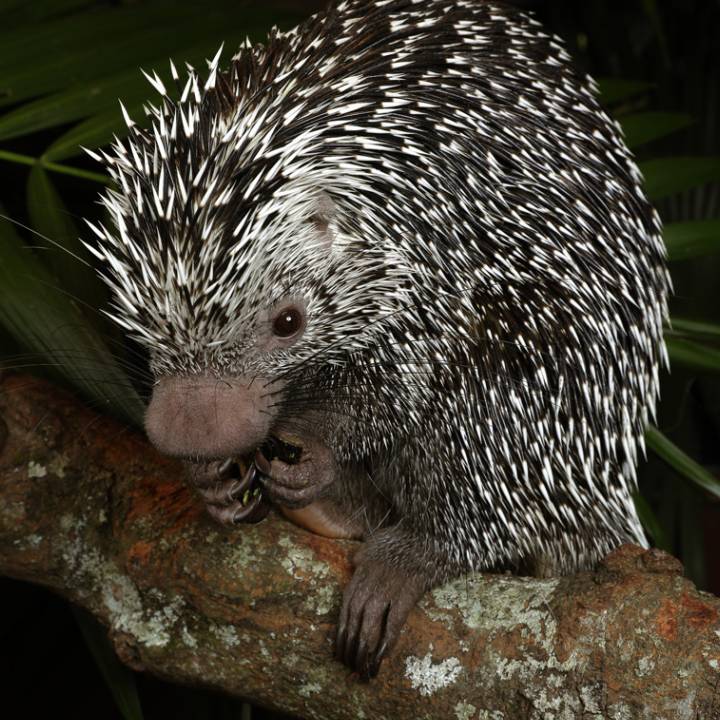
Brazilian porcupine
Night Safari
Though adorable, this species does not hesitate to attack an adversary, which it does by biting, or sitting on its haunches to shake its quills.
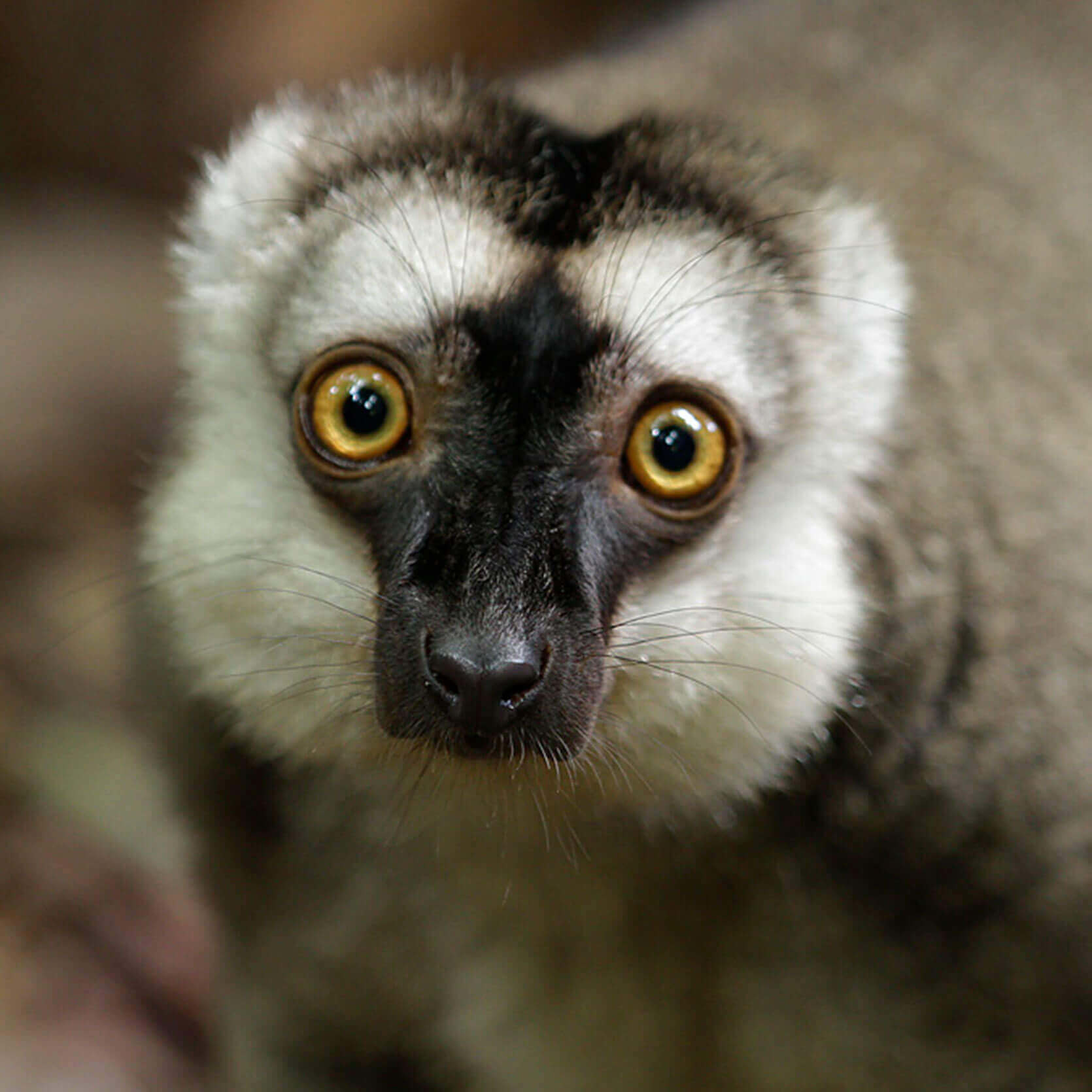
Brown lemur
Singapore Zoo
The brown lemur moves through the forest canopy on all fours. Its tail is as long as or longer than its body and is used to maintain its balance when it performs aerial leaps.
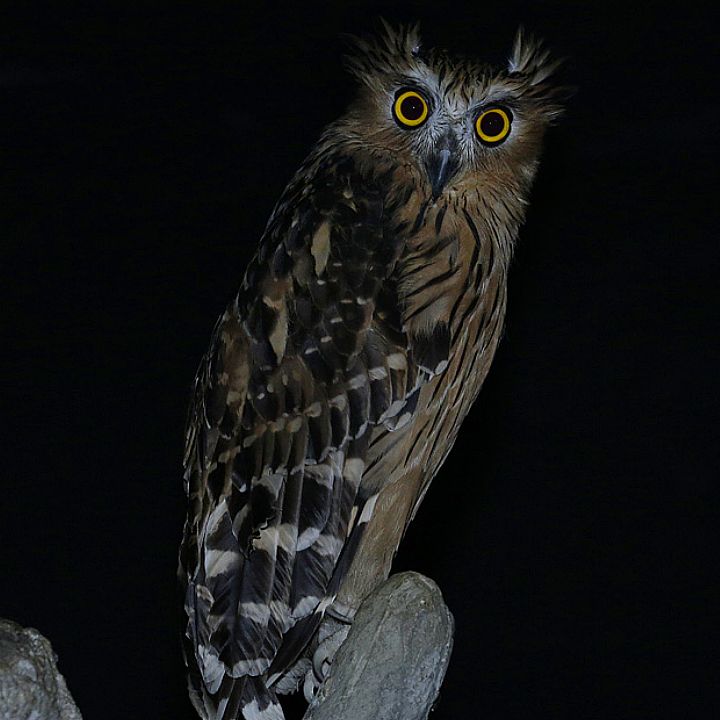
Buffy fish-owl
Night Safari
Though their diet consists mostly of fish, these owls also prey on crabs, shrimp, frogs, crayfish, small mammals, large insects, snakes, and even young false gharials.
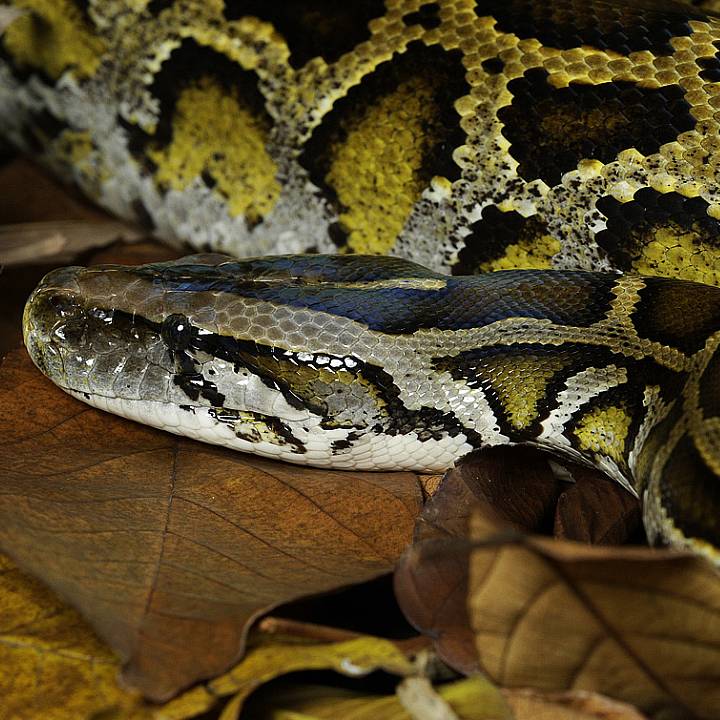
Burmese python
Rainforest Wild Adventure WEST
Known to grow up to 7m in length, this python is one of the top five largest snakes in the world.
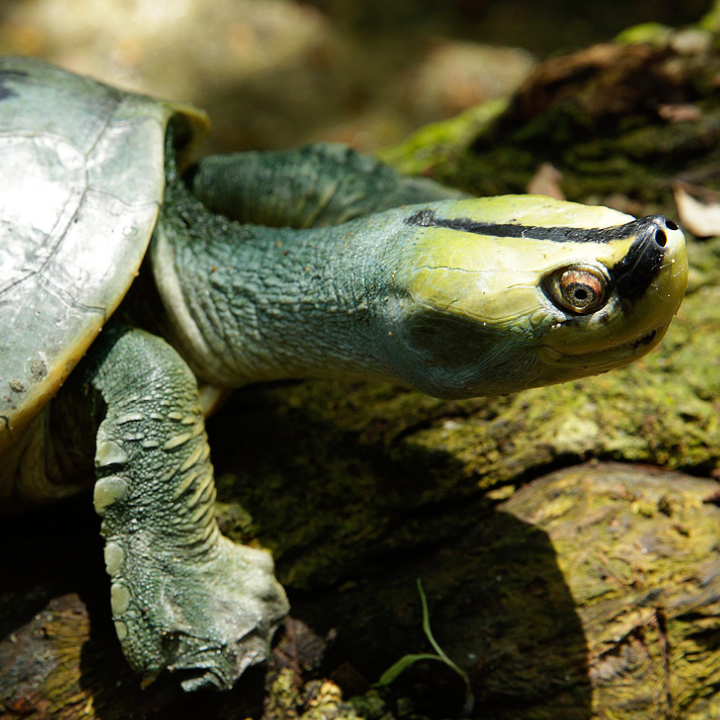
Burmese Roofed Turtle
Singapore Zoo
We work with other zoos through Managed Species Programmes to boost genetic diversity and sustain their population under human care.
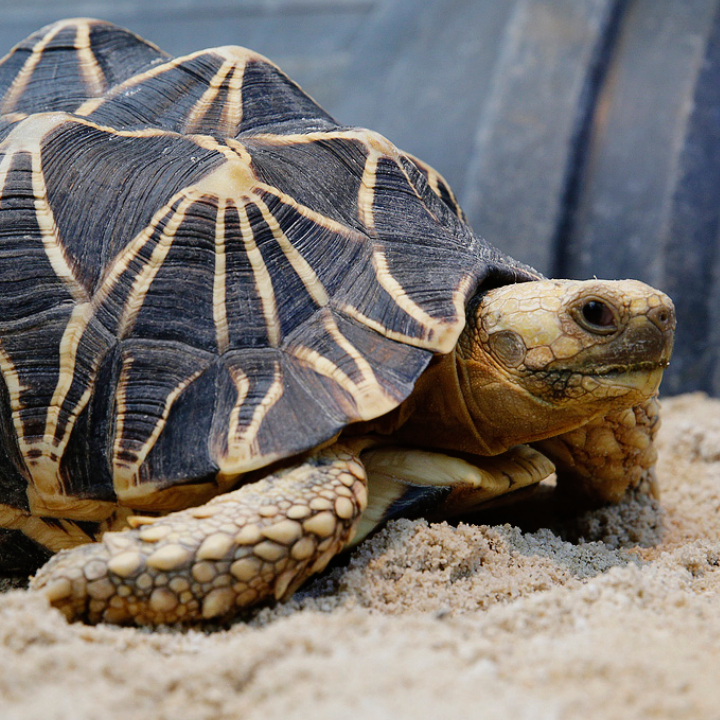
Burmese star tortoise
Singapore Zoo
Deemed functionally extinct in the 2000s. We work with conservation partners to reestablish wild populations in its native home - Myanmar.
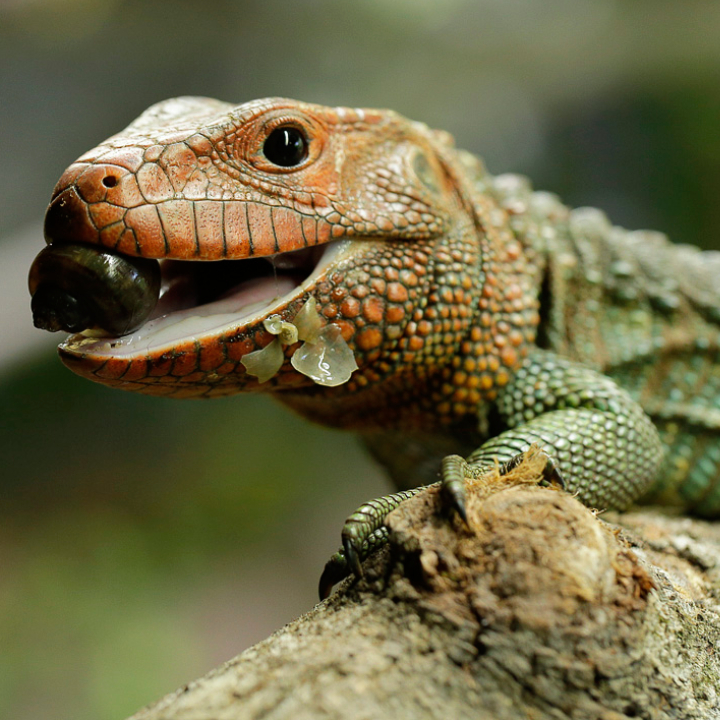
Caiman Lizard
Singapore Zoo
Named for its large, heavy scales. Feeding primarily on invertebrates, it crushes them with strong back teeth, spitting out broken shells before consuming the softer parts.
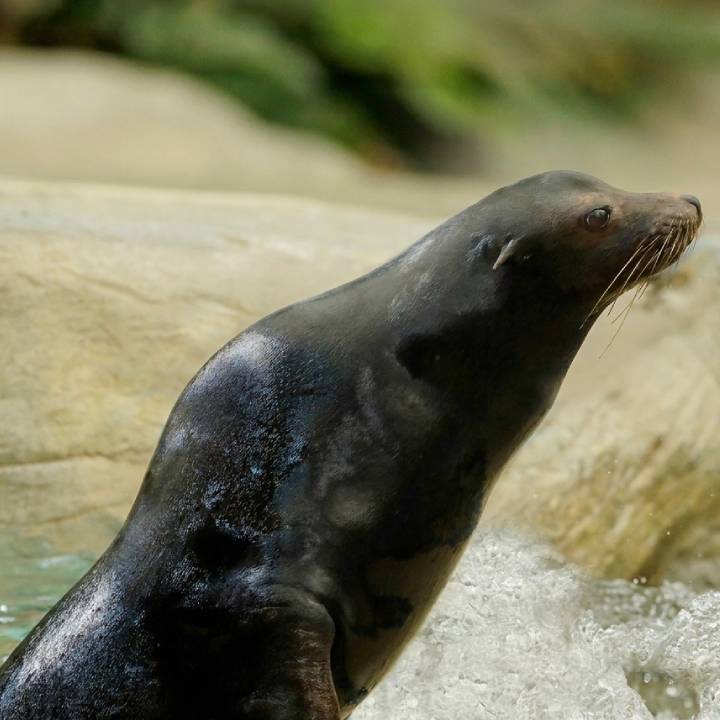
Californian Sea Lion
Singapore Zoo
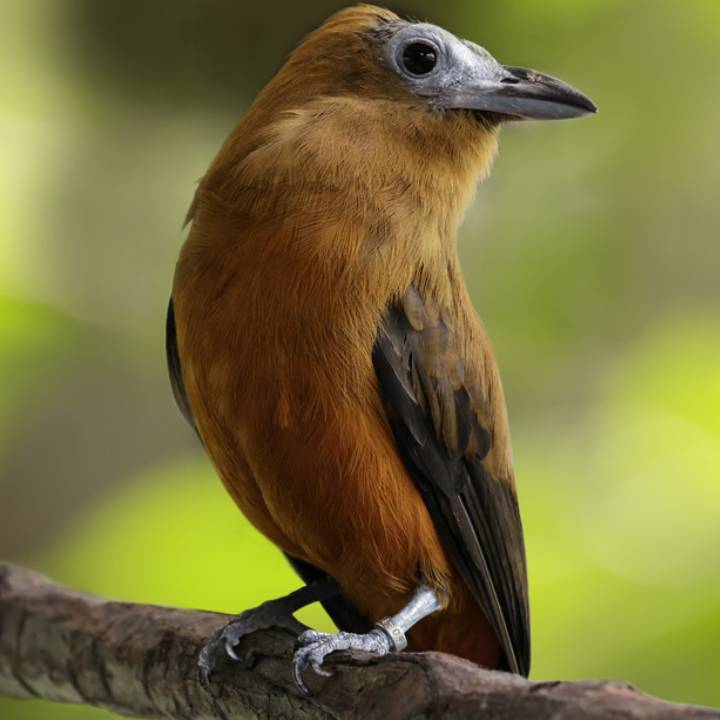
Capuchinbird
Bird Paradise
This bizarre bird inhabits the evergreen lowland rainforests of South America where it forages for fruits and large insects in the canopy.
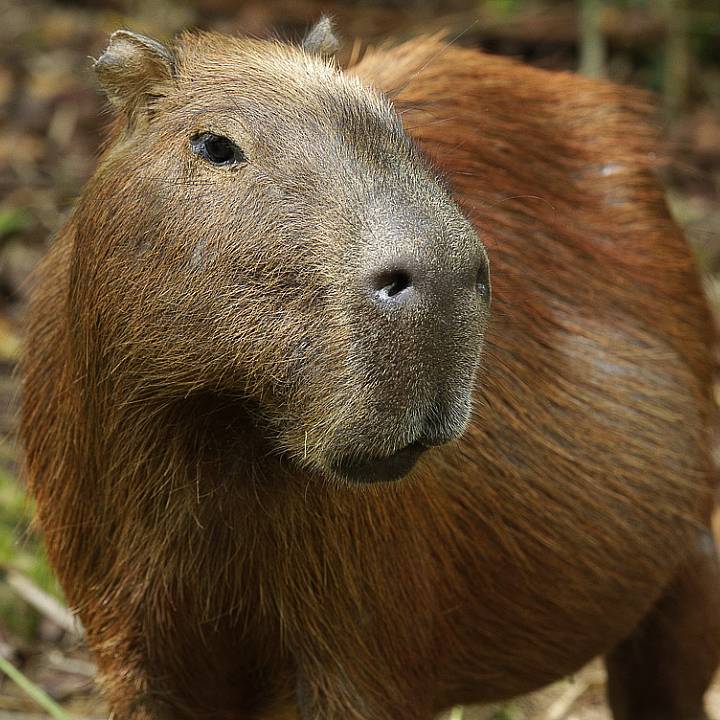
Capybara
River Wonders
The largest rodent on Earth, these semi-aquatic animals can sprint up to 35 km/h, and use their partially webbed feet to swim up to 8 km/h!
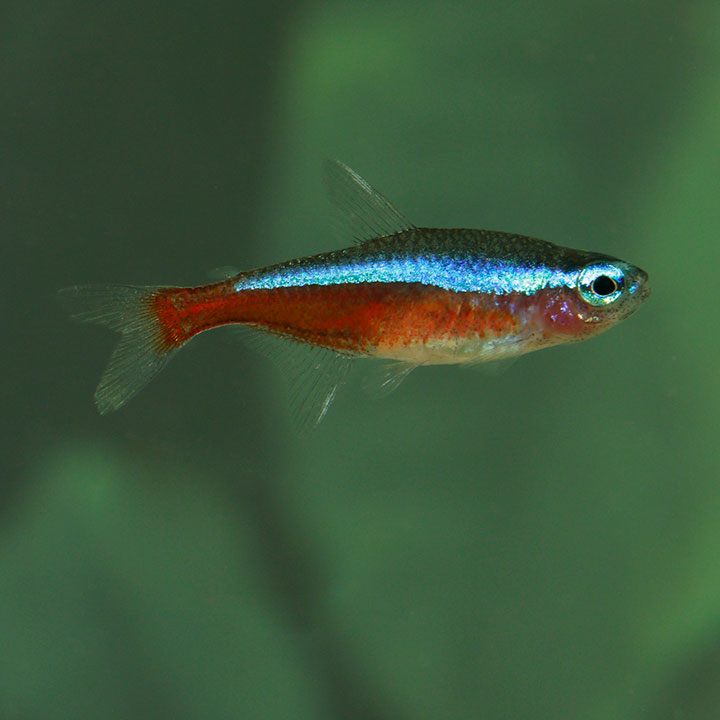
Cardinal tetra
River Wonders
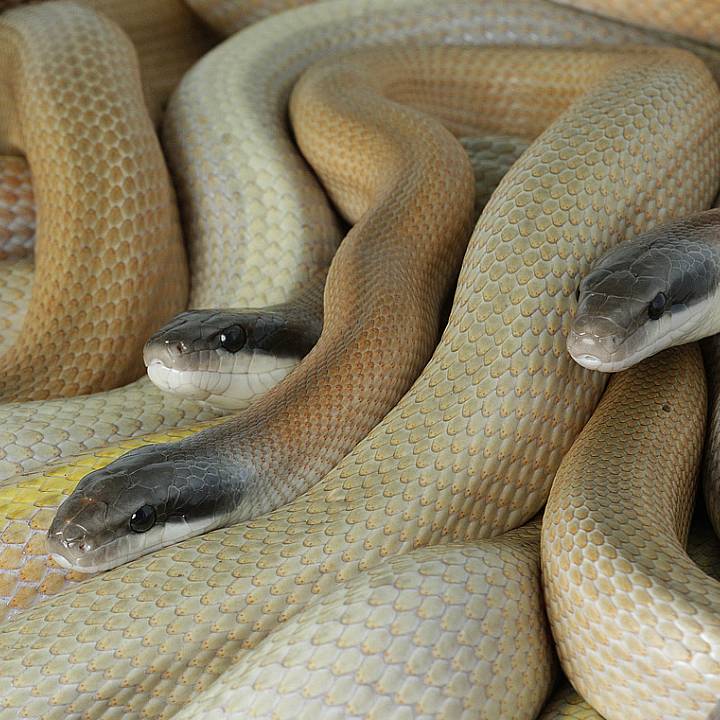
Cave racer
Rainforest Wild Adventure WEST
Also called the beauty rat snake, this constrictor has the remarkable ability to move along cave walls very efficiently.
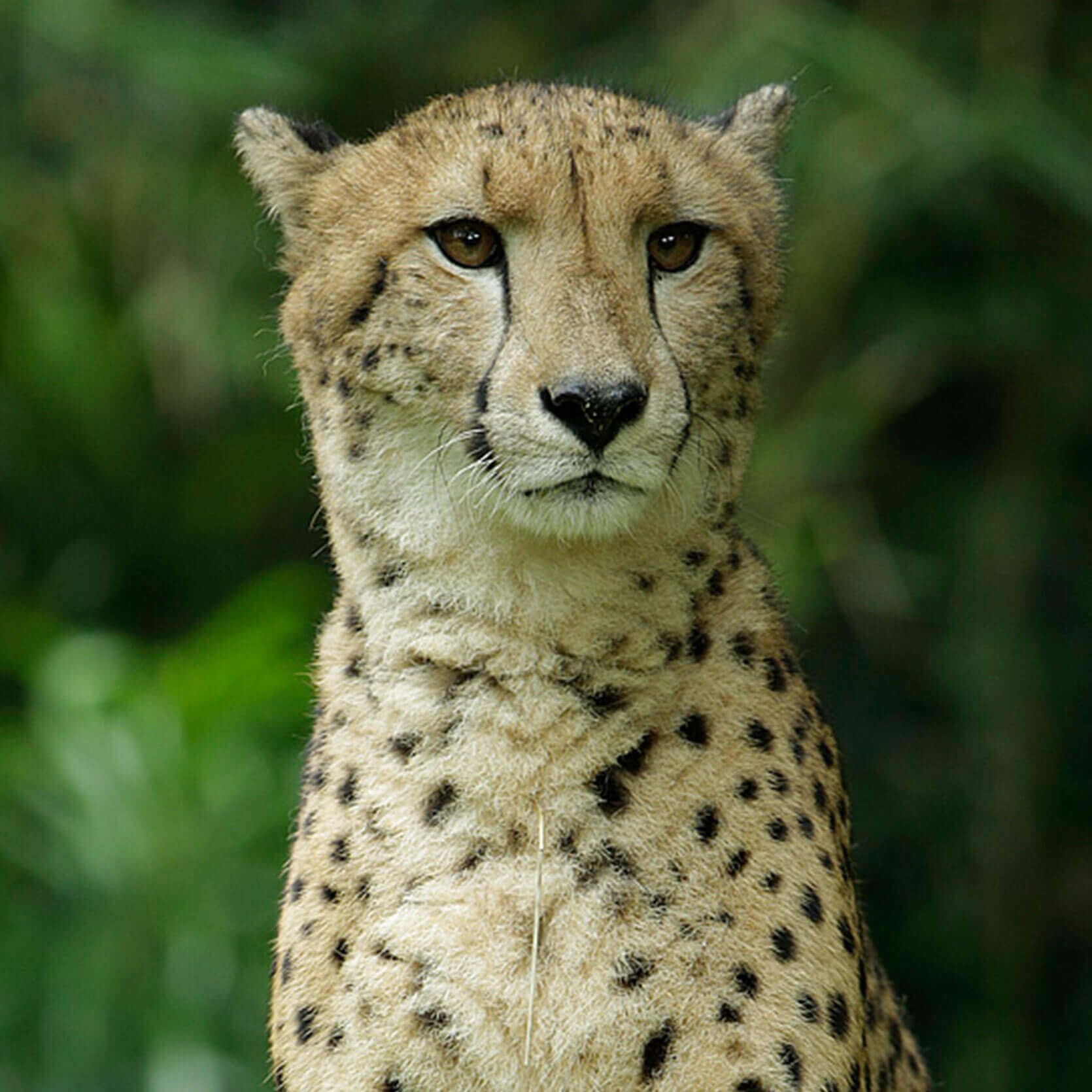
Cheetah
Singapore Zoo
The fastest land animals, differentiate from other spotted cats by two black tear lines that extend from the corner of their eyes to the mouth.
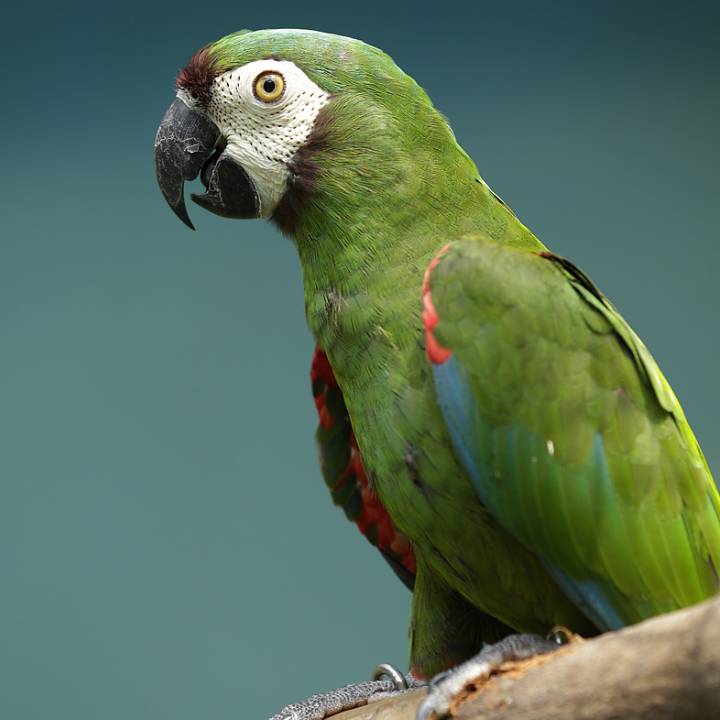
Chestnut-fronted macaw
Bird Paradise
In spite of their bright colours, macaws are camouflaged in the forest canopy as they blend in with the colourful fruits and flowers they feed on. The chestnut-fronted macaw is found throughout Central and South America.
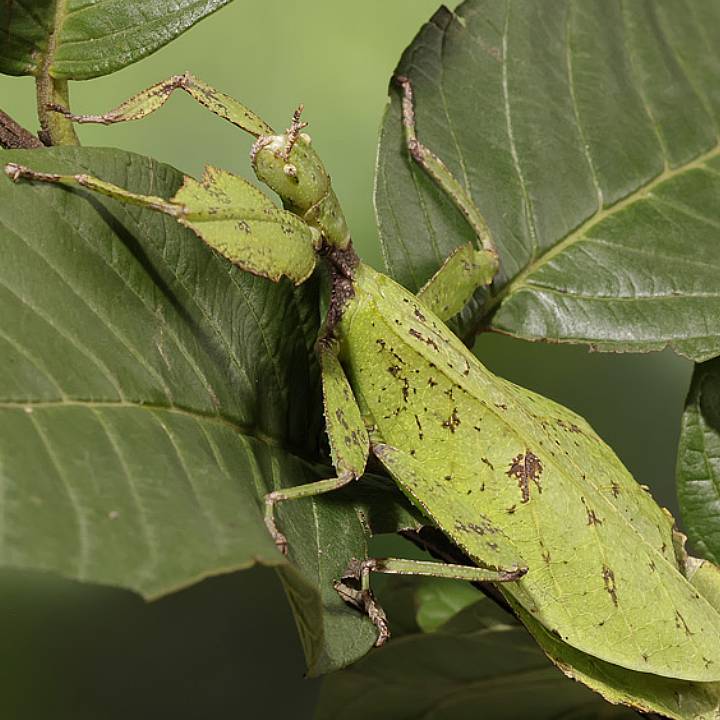
Chrisangi leaf insect
Singapore Zoo
This insect, a master of disguise, is a species of leaf insect native to Singapore. Resembling a leaf, it blends into its surroundings, making it difficult to spot.
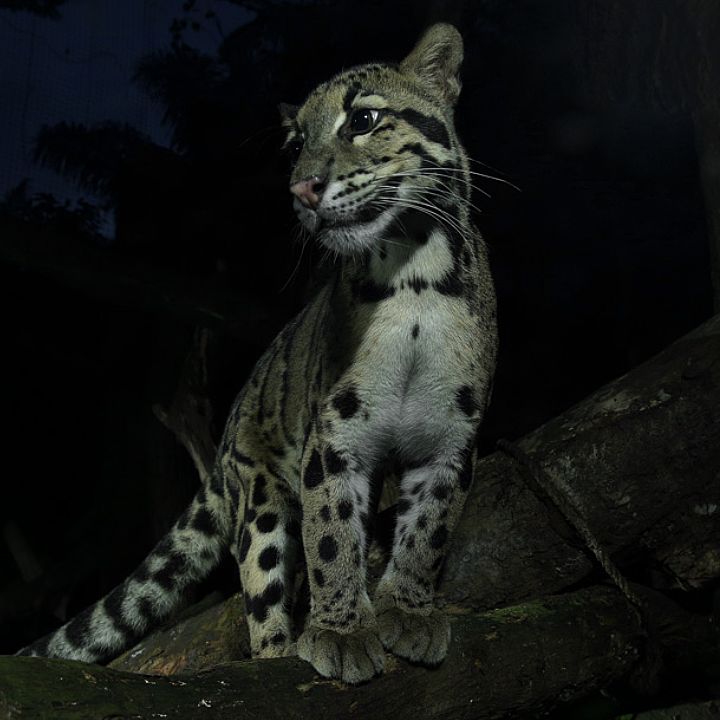
Clouded leopard
Night Safari
Named for its cloud-shaped coat markings, this cat is threatened by hunting and habitat loss.
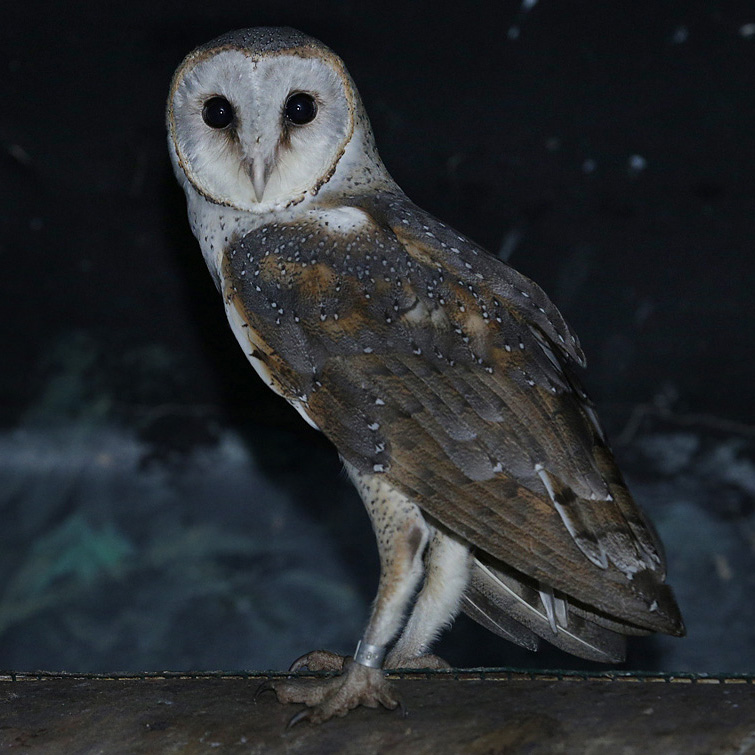
Common barn-owl
Night Safari
It’s the most widespread owl species on Earth, but the common barn-owl has some uncommon vocal calls – it does not hoot! Instead, it produces an eerie, long-drawn-out shriek.
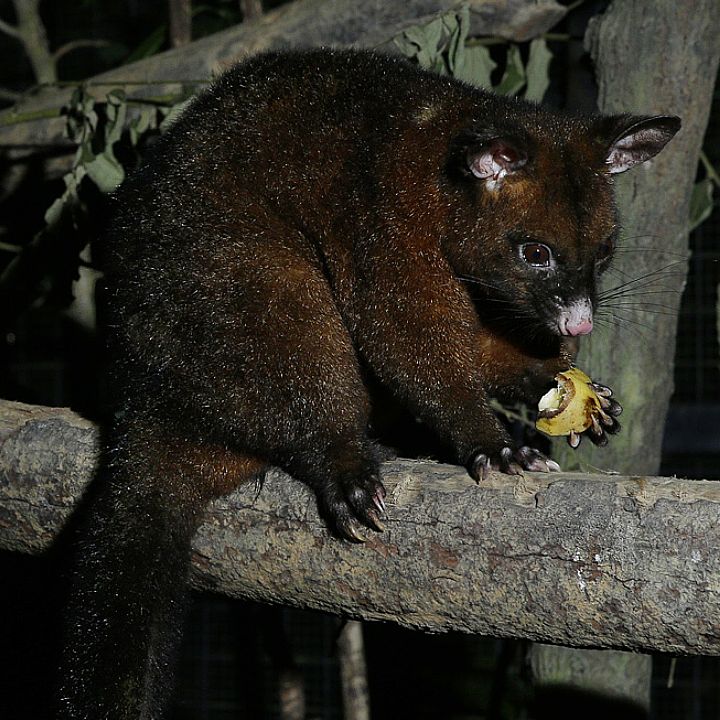
Common brushtail possum
Night Safari
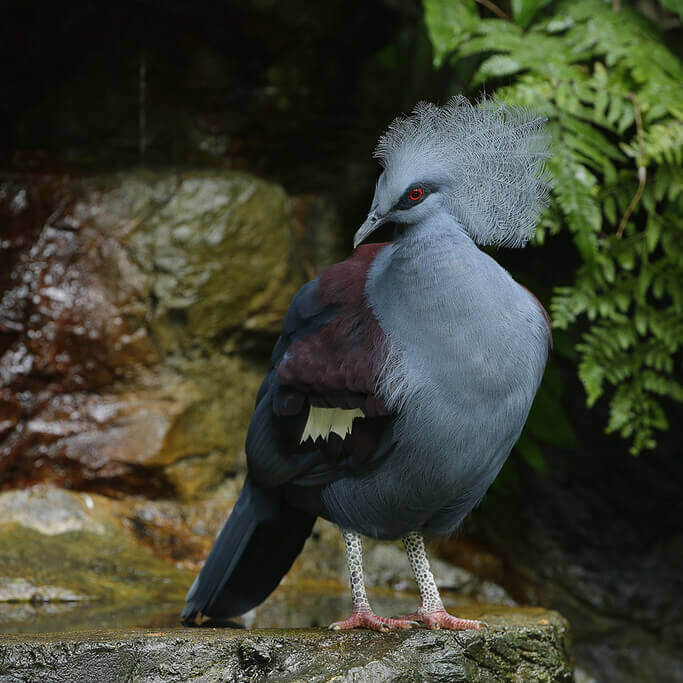
Common crowned pigeon
Singapore Zoo
Their namesake blue lacey crests, resembling elaborate crowns, are actually modified feathers, making them truly majestic.
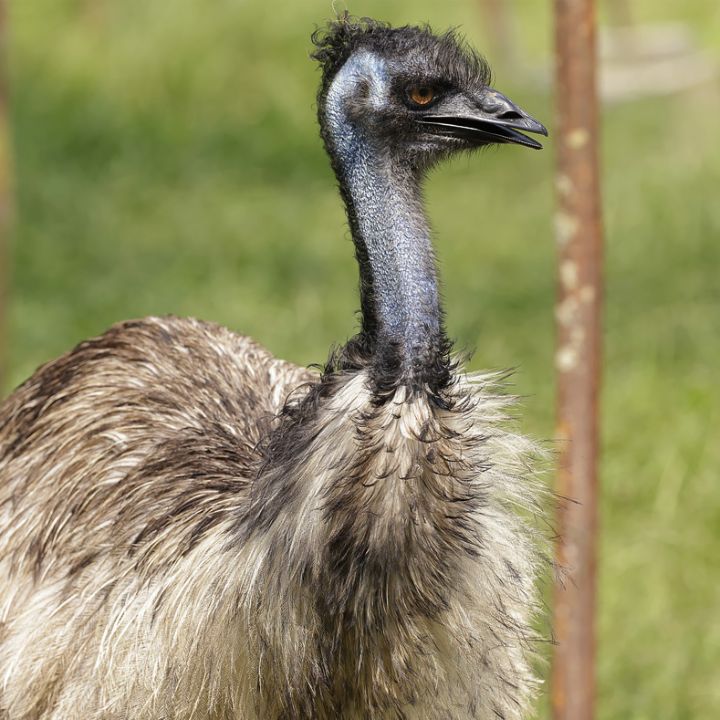
Common emu
Bird Paradise
Emus belong to a family of flightless birds called ratites, which also include ostriches, rheas, cassowaries and kiwis.
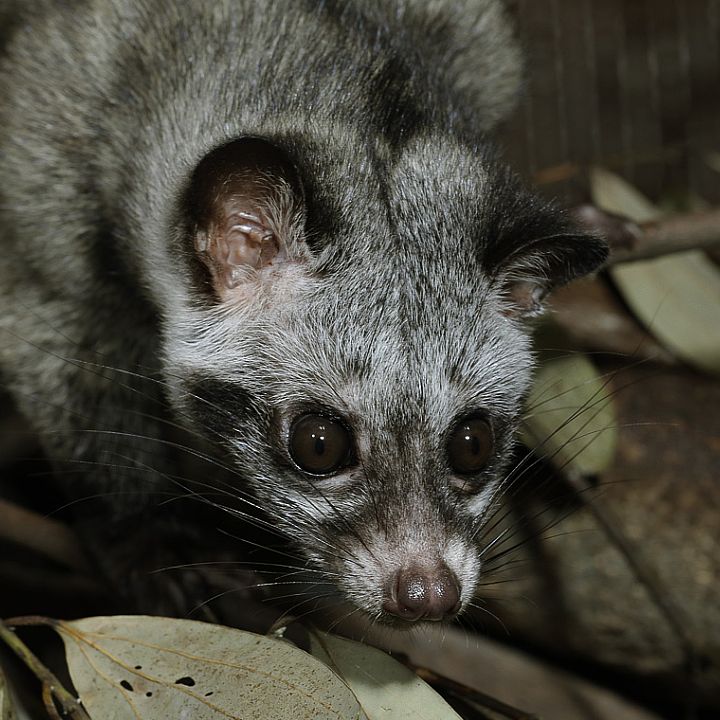
Common palm civet
Night Safari
Affectionately nicknamed the “Toddy cat”, this furry fellow is essential for seed dispersal and forest restoration.
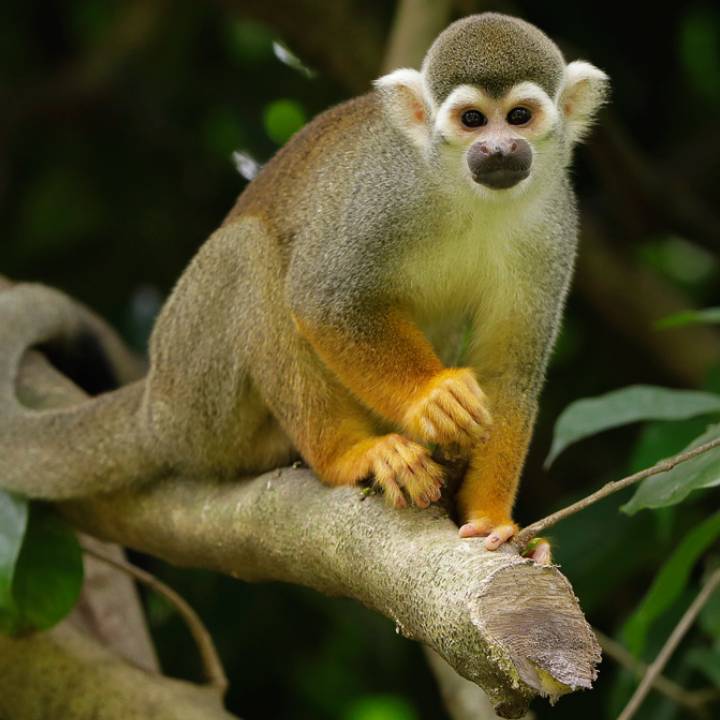
Common squirrel monkey
River Wonders
Small and agile, squirrel monkeys can live in groups of up to a hundred, communicating with chirps, squeaks, calls, and sniffs.
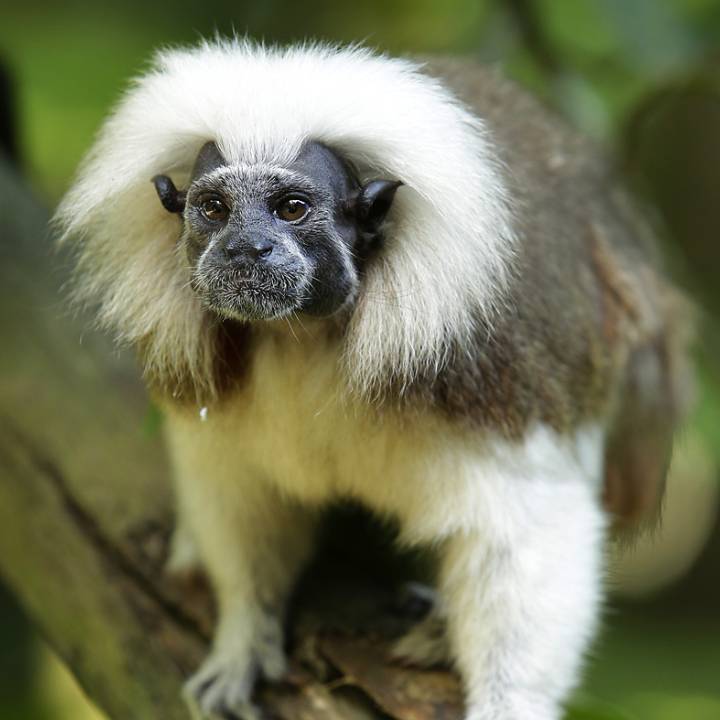
Cotton-top tamarin
Singapore Zoo
Tamarins usually have twins or triplets. Dad piggybacks the babies most of the time, passing them back to mum only when the babies need to nurse.
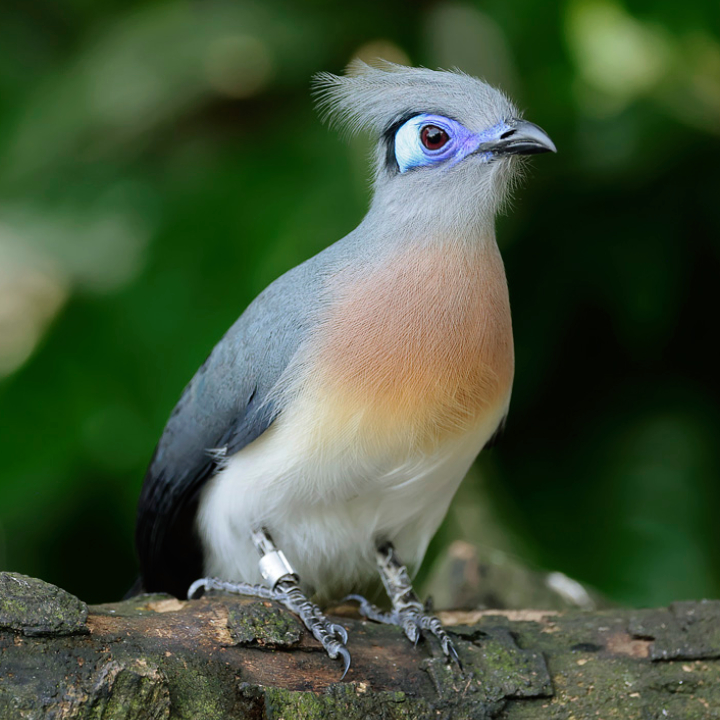
Crested Coua
Rainforest Wild Adventure EAST
Part of the cuckoo family, crested couas are solitary or found in pairs, with both males and females sharing parental care.
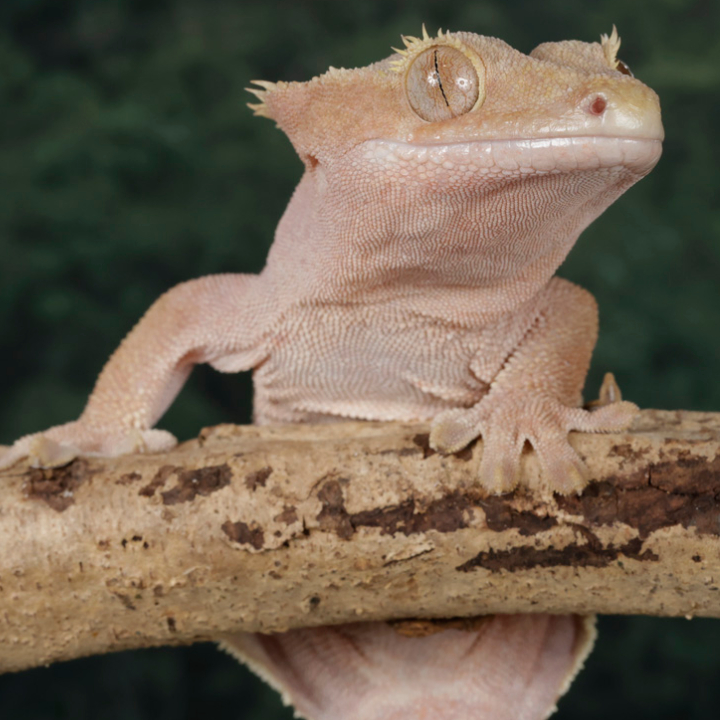
Crested Gecko
Singapore Zoo
These tiny geckos lack eyelids. Instead, they lick a clear membrane over their eyes to keep them clean!
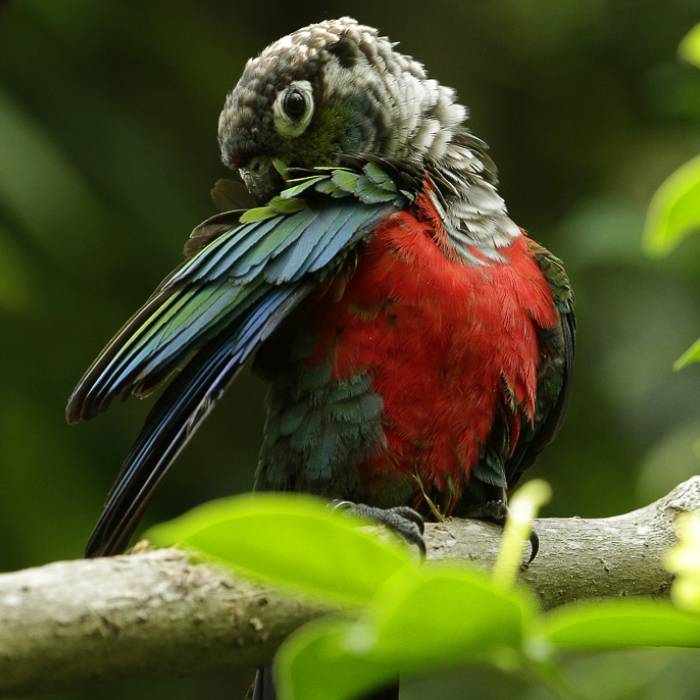
Crimson-bellied parakeet
Bird Paradise
Living in small flocks in the Amazon rainforest, this parakeet is often seen foraging for fruits and flowers.
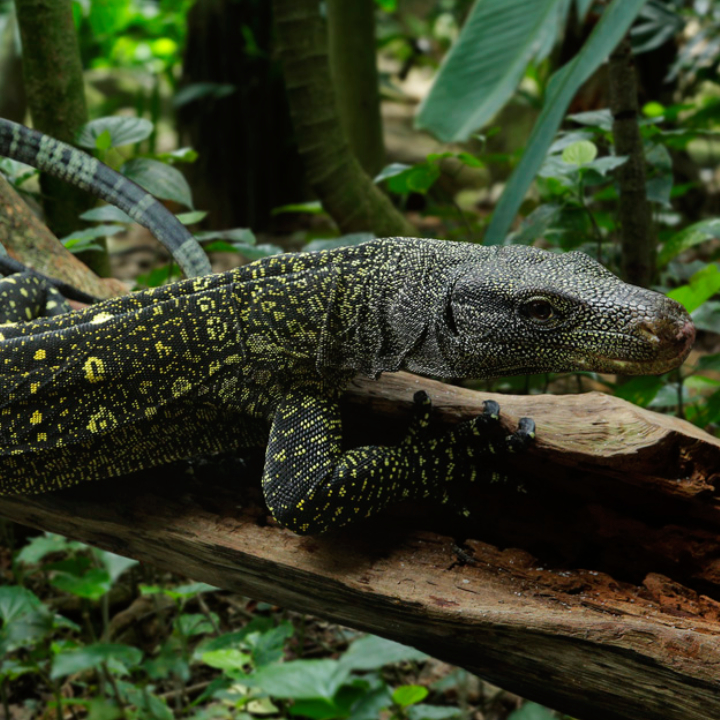
Crocodile Monitor
Singapore Zoo
While it uses its tail primarily as a counterbalance when leaping from branch to branch, it can also use it like a whip for defence.
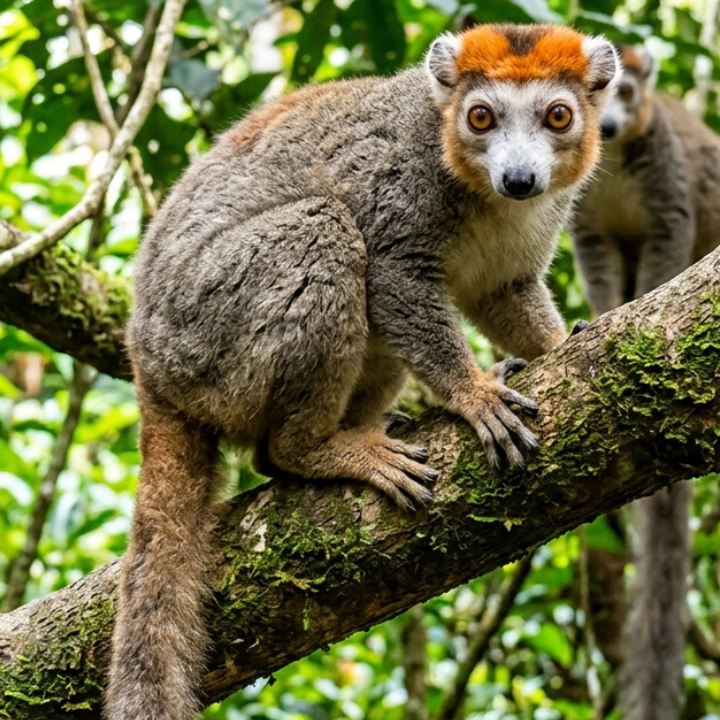
Crowned Lemur
Rainforest Wild Adventure EAST
Their specialised lower incisors form a “tooth comb,” used for grooming and strengthening social bonds.
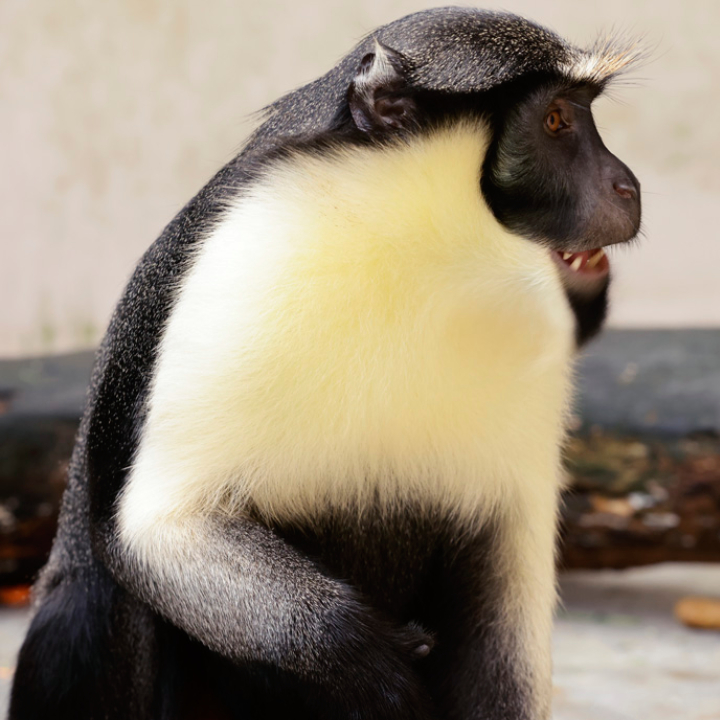
Diana Monkey
Rainforest Wild Adventure EAST
Highly vocal, endangered primates with specific alarm calls for different predators - other species sometimes interpret these calls to escape danger.

Discus
River Wonders
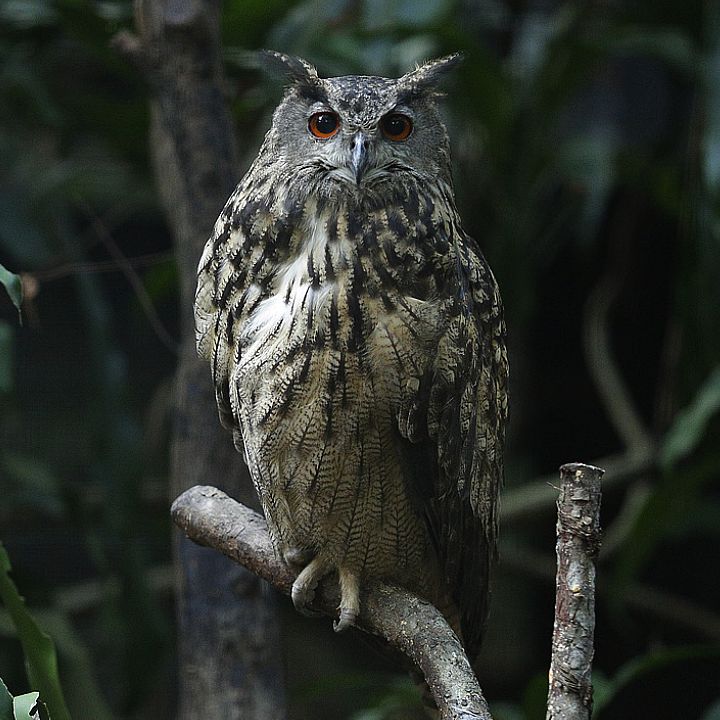
Eagle owl
Night Safari
Eagle owls are large, powerful owls known for their prominent ear tufts, deep booming hoots, and fierce predatory skills.
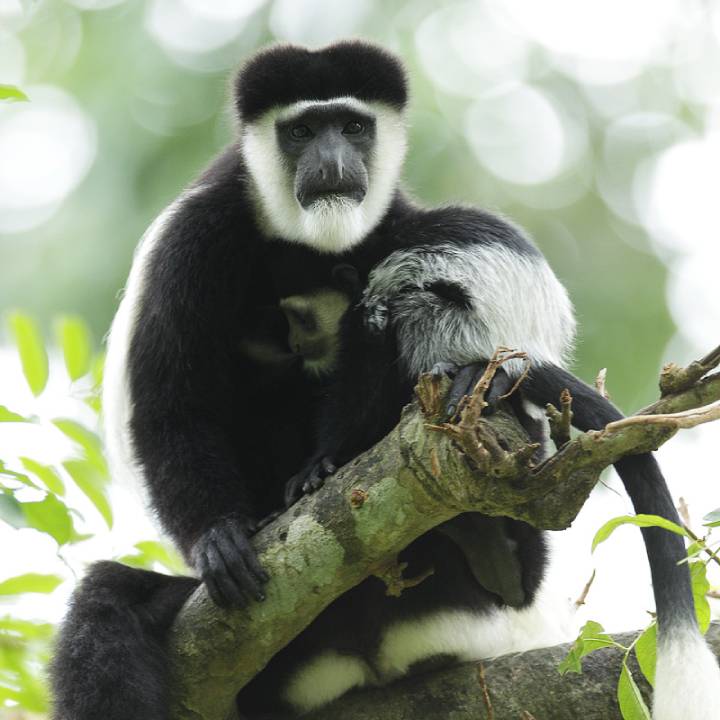
Eastern black-and-white Colobus monkey
Singapore Zoo
See more of our Colobus monkeys at Primate Kingdom. They are capable of leaping up to 15 metres and are rarely seen on ground.
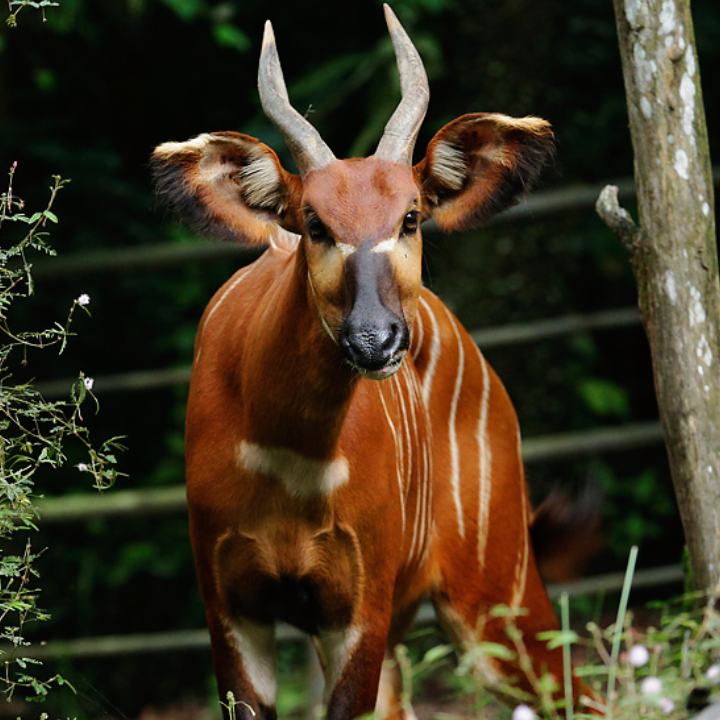
Eastern Bongo
Rainforest Wild Adventure EAST
The largest and heaviest forest antelope, with fewer than 80 individuals estimated to remain in the wild.
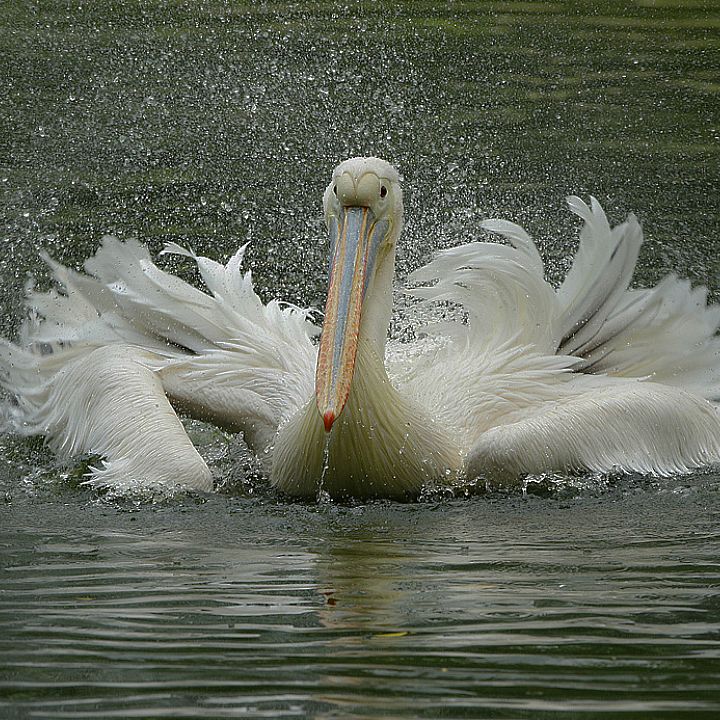
Eastern white pelican
Night Safari
Often seen fishing cooperatively, these birds swim in a wide arc to round up fish before scooping them into their yellow-orange throat pouches.
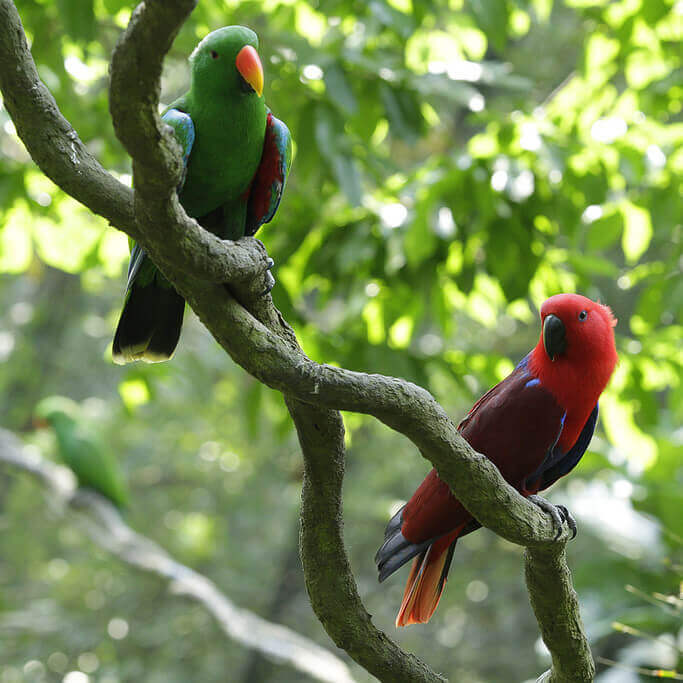
Eclectus parrot
Singapore Zoo
Eclectus parrots are among the best talking birds, easily mimicking human speech and a wide range of sounds like bells, whistles, and even laughter.
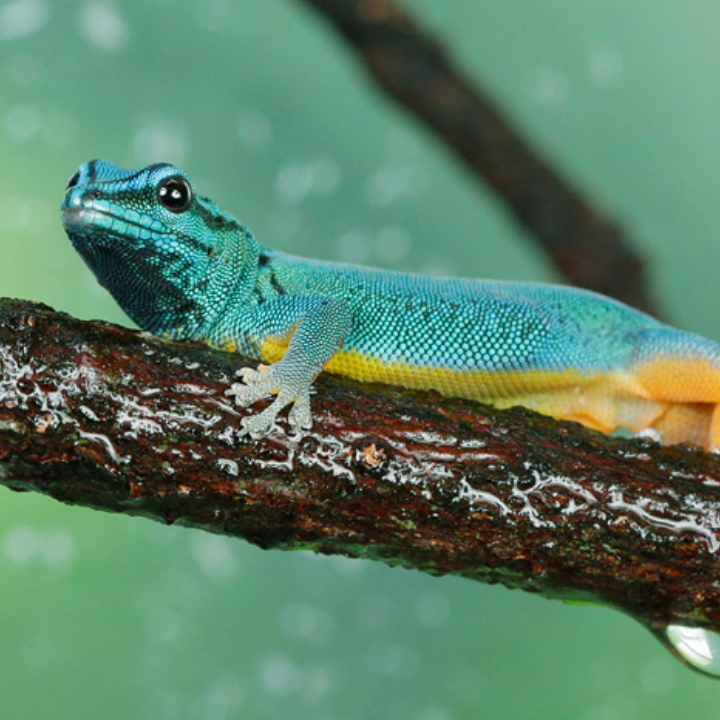
Electric Blue Gecko
Singapore Zoo
Critically endangered and just 3 inches long, this bright blue gecko uses colour—not venom—to avoid predators.
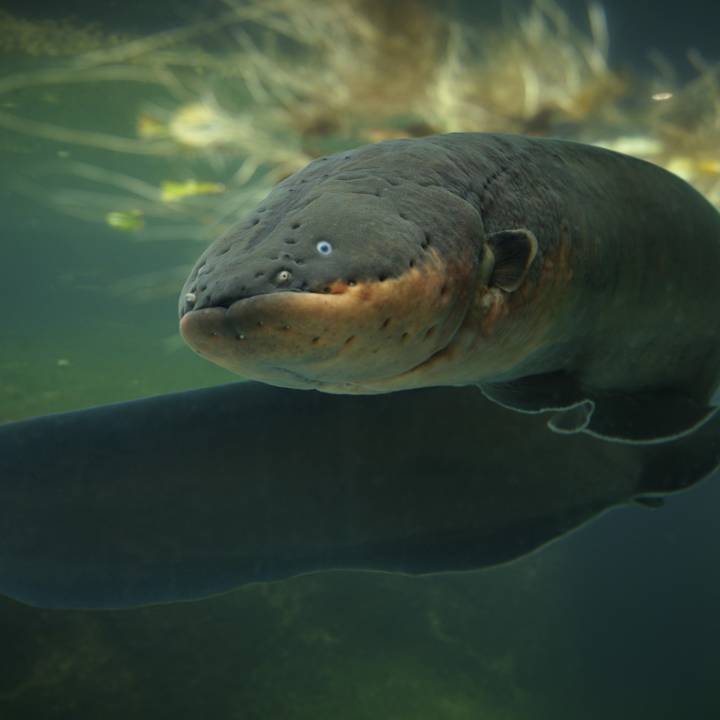
Electric eel
River Wonders
Named for the electrical charge it releases to stun its prey and enemies, the electric eel can generate up to 800 volts of electricity, enough to kill an adult human.
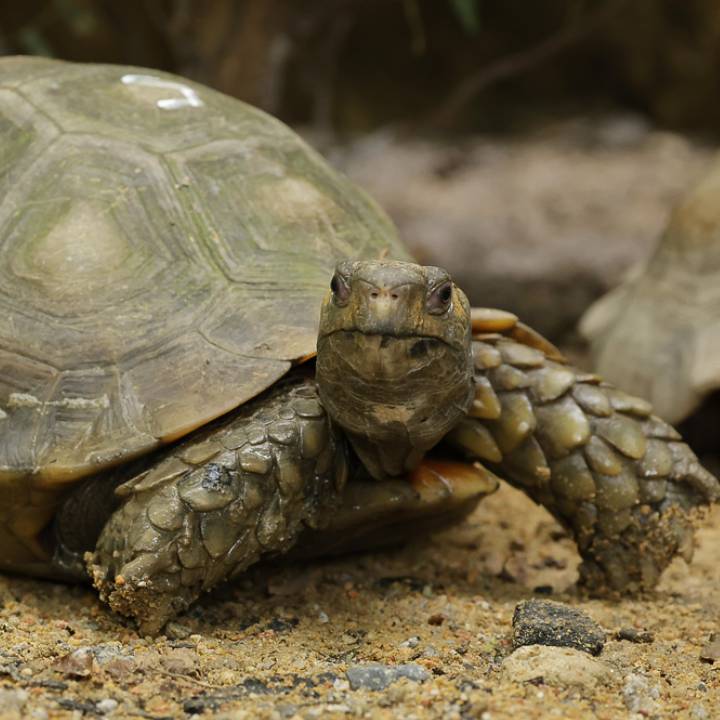
Elongated tortoise
Rainforest Wild Adventure WEST
While their patterns range from pale-yellow to solid black, males sport a pink colour around their nostrils when breeding.
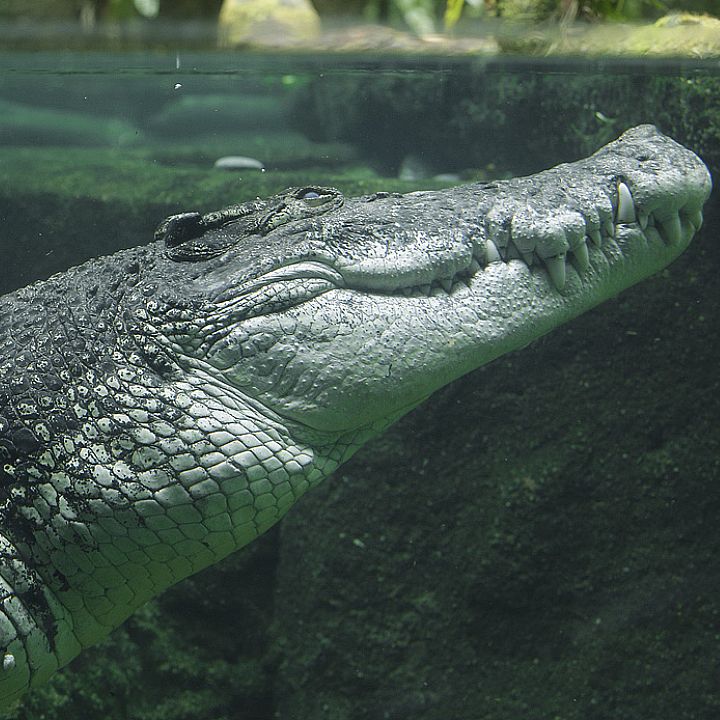
Estuarine crocodile
Rainforest Wild Adventure EAST
Besides being the largest living reptile, reaching up to 6m in length and 1500kg in weight, it also has the strongest bite of any living animal.
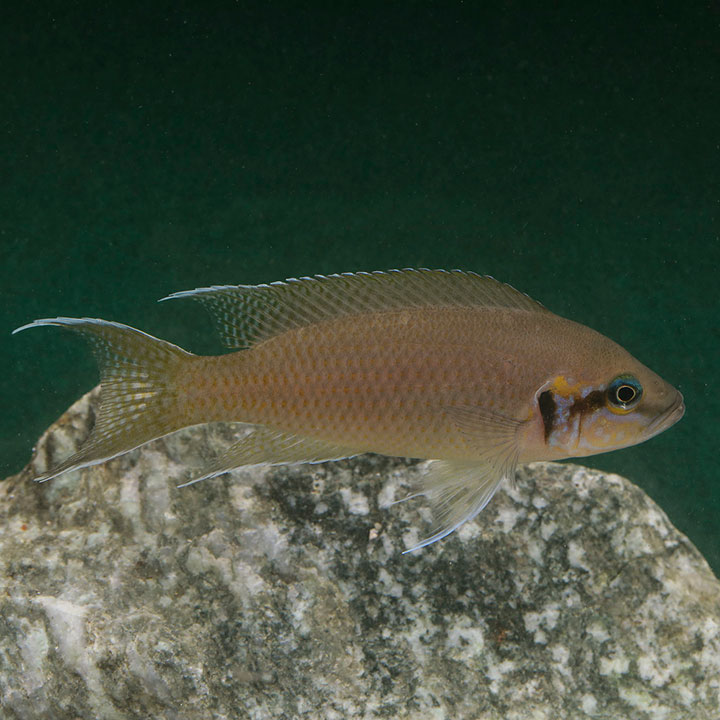
Fairy cichlid
River Wonders
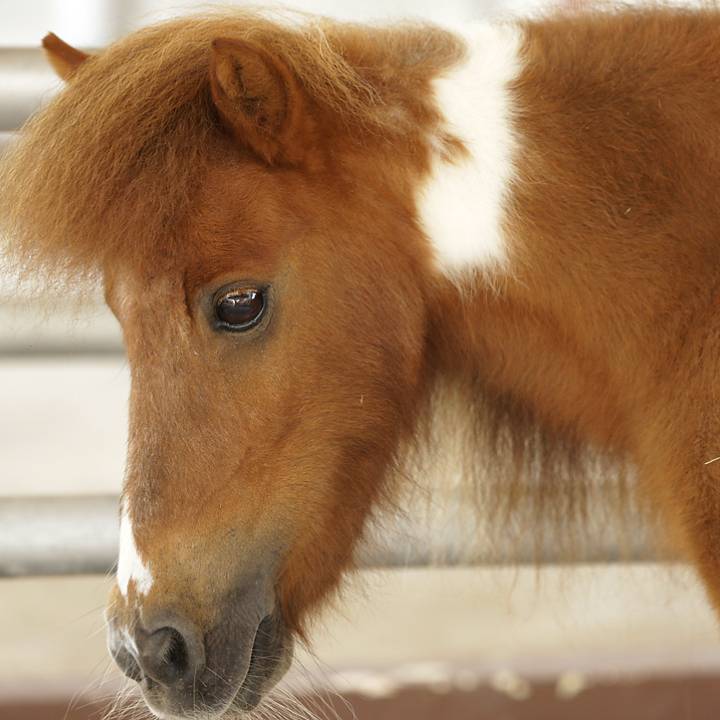
Falabella
Singapore Zoo
Falabellas are the smallest breed of horses in the world.
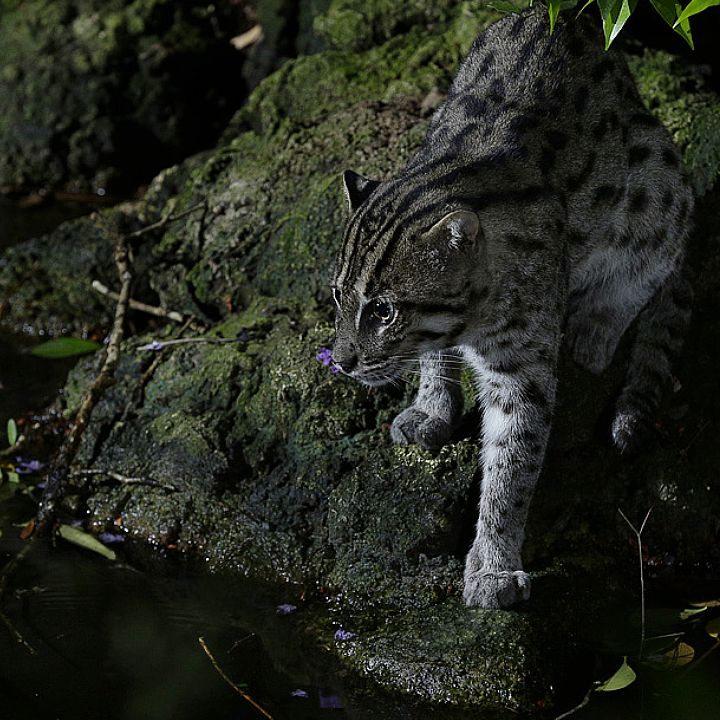
Fishing cat
Night Safari
Unlike some other cats, these felines love the water and are some of the best swimmers around. In fact, fishing cats have been seen swimming underwater to grab ducks’ legs!
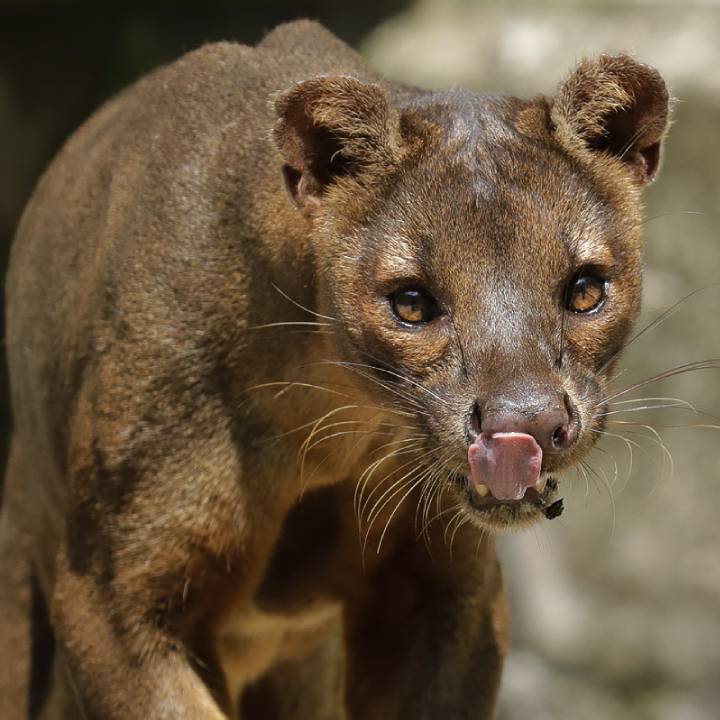
Fossa
Singapore Zoo
What makes the fossa Madagascar’s top predator? Its adaptations include a good sense of smell and keen vision, even in low-light conditions.
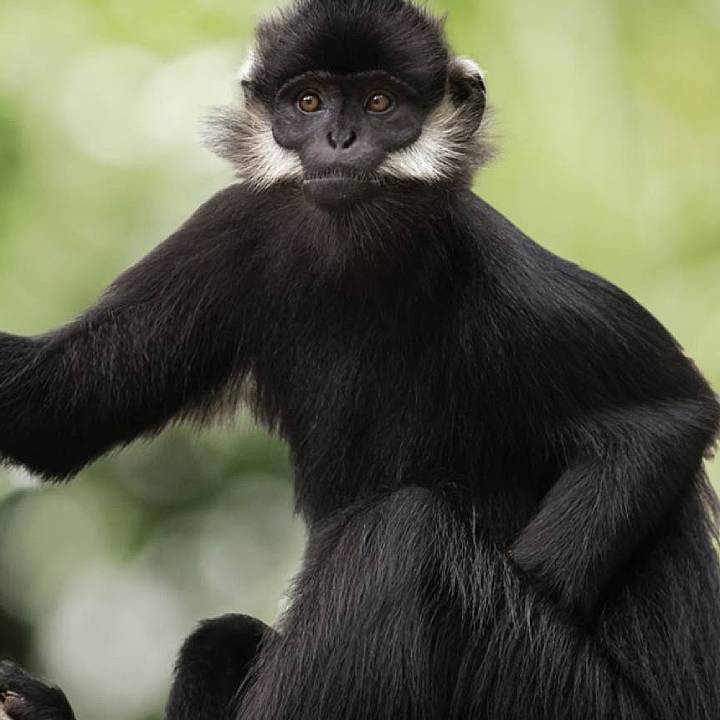
Francois’ langur
Rainforest Wild Adventure WEST
These leaf-eating monkeys are born bright orange, but their fur gradually turns black as they grow up!
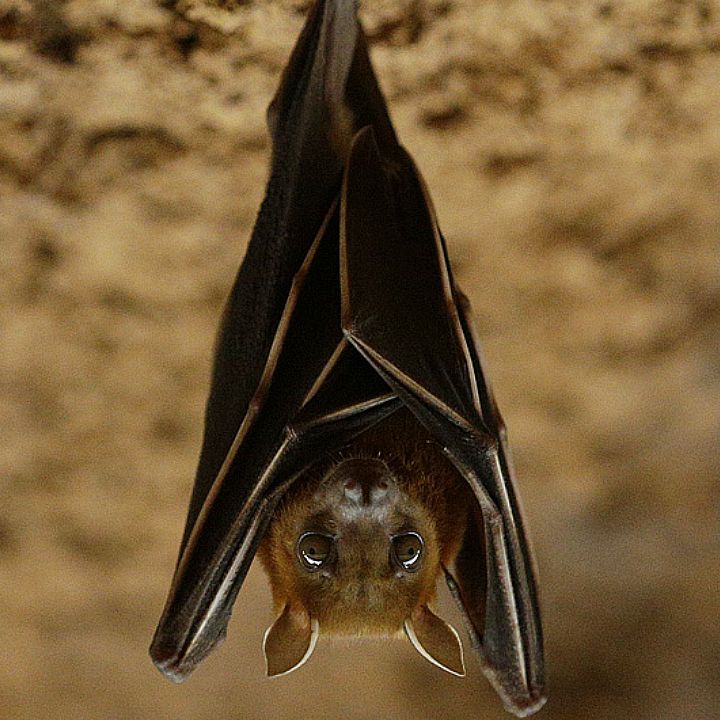
Fruit bat
Night Safari
Fruit bats play a crucial role in maintaining forest health by spreading seeds and pollinating numerous plant species, including commercially important crops.
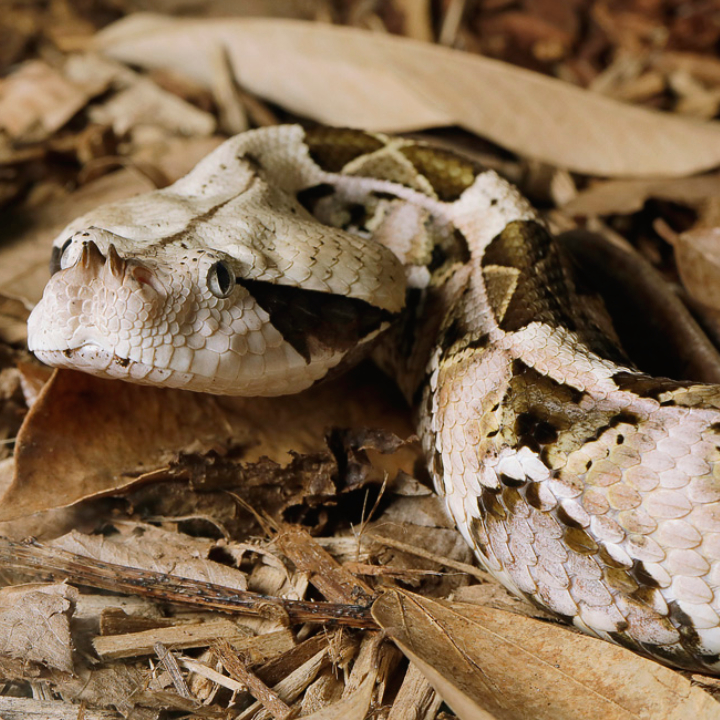
Gaboon Viper
Singapore Zoo
The Gaboon viper has the longest fangs of any venomous snake—up to 2 inches—and a powerful, silent strike.
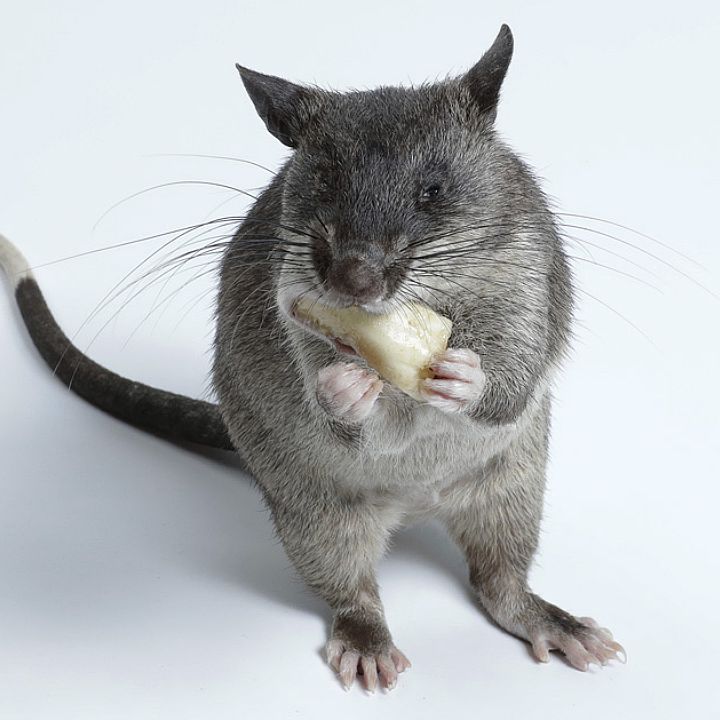
Gambian pouched rat
Night Safari
It is one of the world's largest rat species, with a distinctive long, nearly hairless tail.
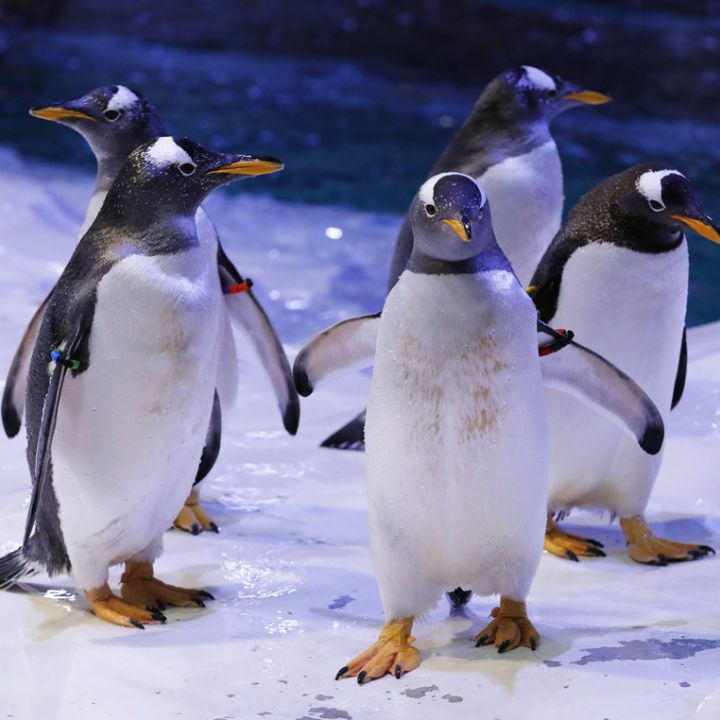
Gentoo penguin
Bird Paradise
Gentoo Penguins is the world’s fastest underwater bird, swimming at speeds of up to 36km/h!
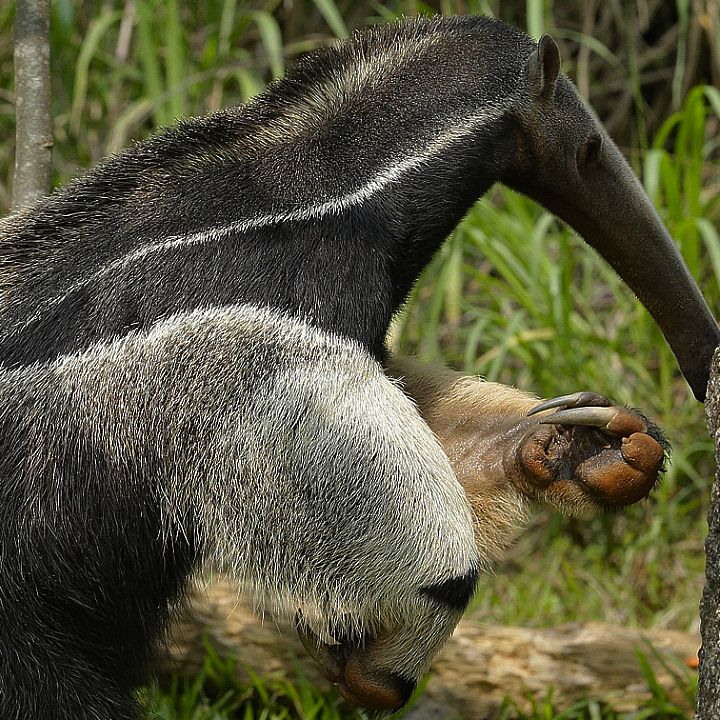
Giant anteater
Night Safari
The largest of the four anteater species, giant anteaters can reach lengths of 2-2.5 metres. Feeding on ants and termites, their 60cm-long tongues can flick in and out up to 150 times per minute!
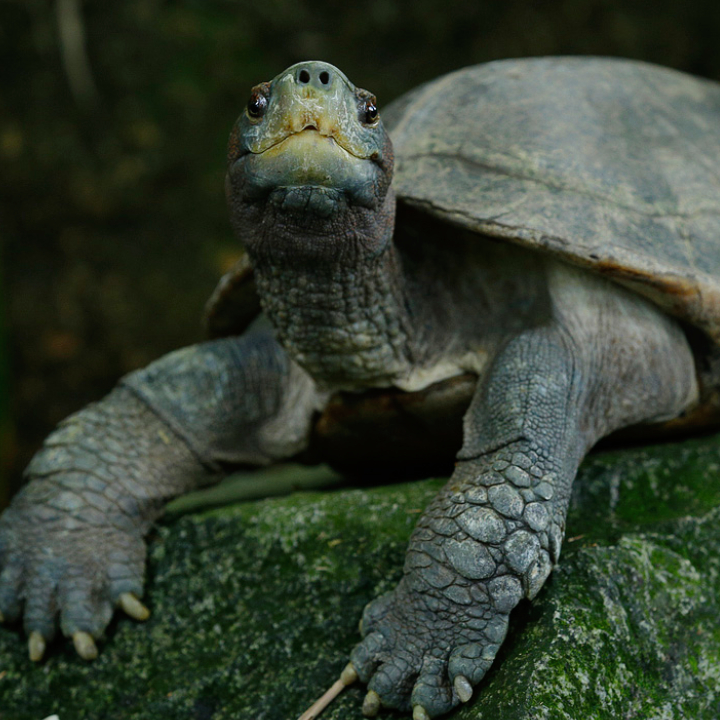
Giant Asian Pond Turtle
Singapore Zoo
Reaching up to half a metre in length and 12kg in weight, this gentle giant is one of the world’s largest freshwater turtles.
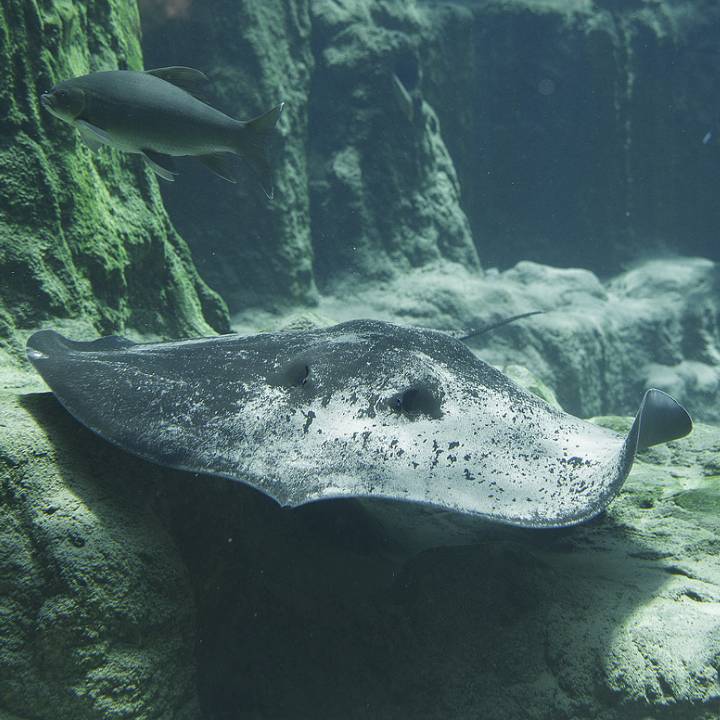
Giant freshwater stingray
River Wonders
As one of the world's largest freshwater fish, this stingray can weigh up to 600kg.
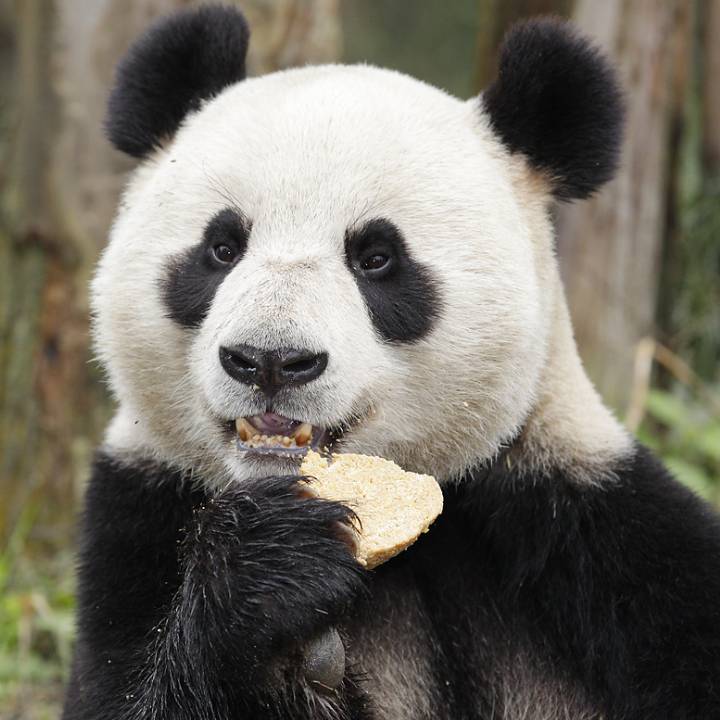
Giant panda
River Wonders
Come meet Singapore's resident giant pandas, Kai Kai and Jia Jia!
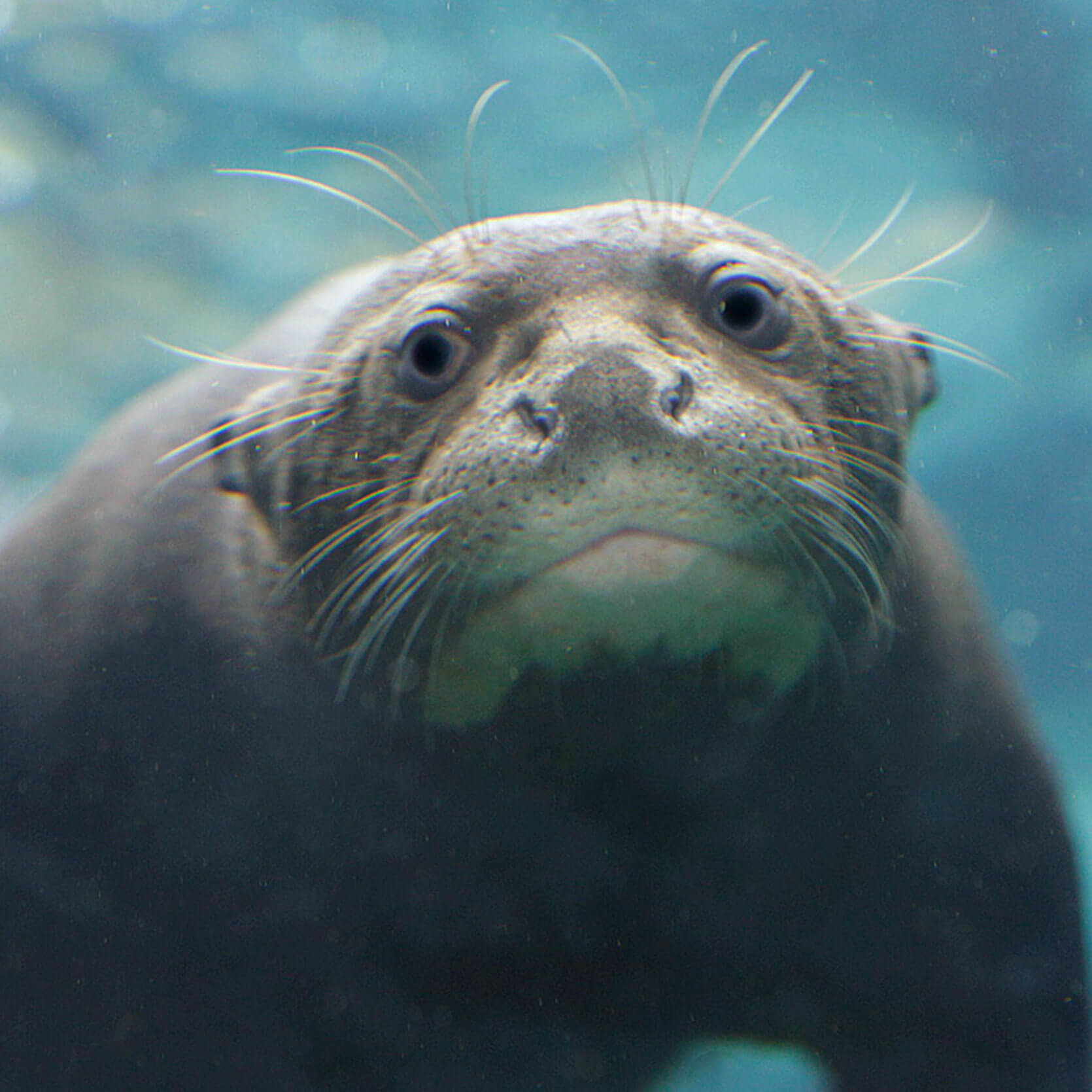
Giant river otter
River Wonders
This largest of all otters can grow to a standing height of 1.8m and take down small caimans.
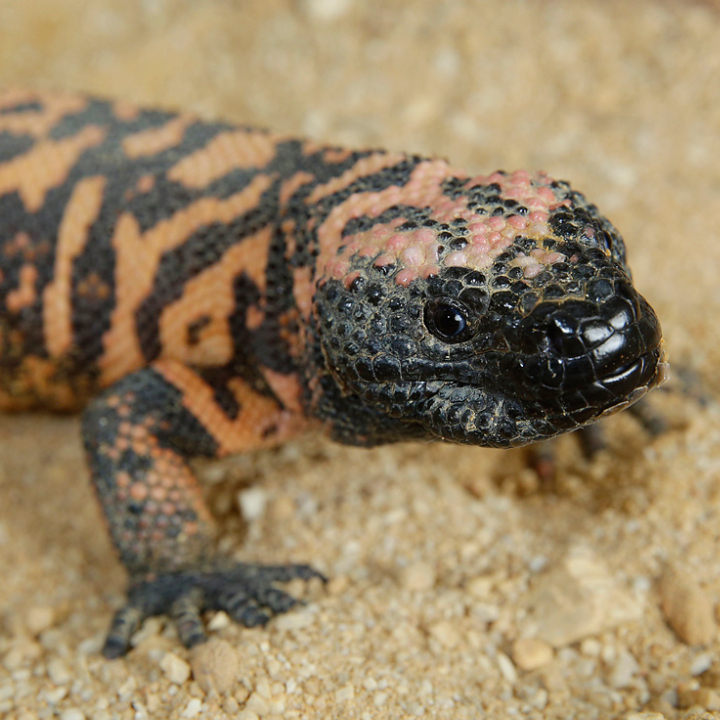
Gila Monster
Singapore Zoo
One of few venomous lizards, it chews venom into its prey using grooved teeth and powerful jaws.
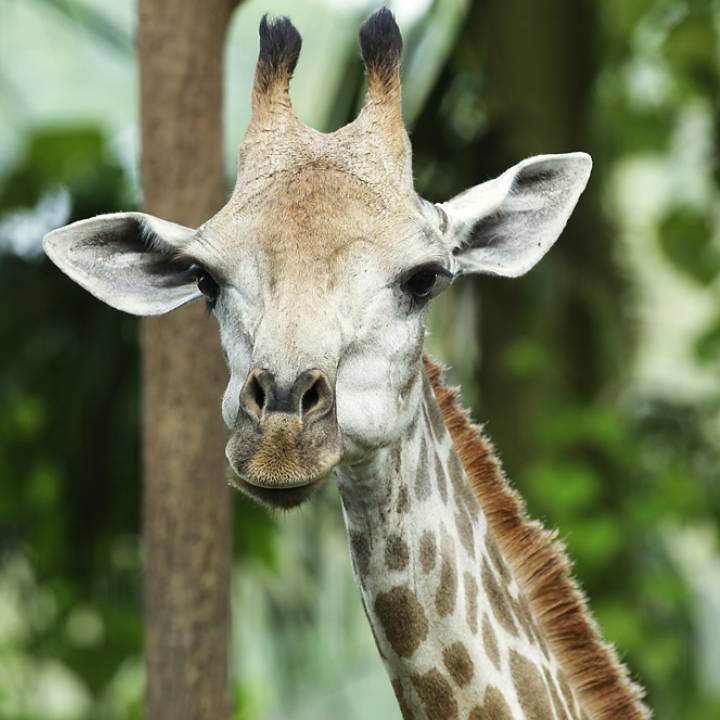
Giraffe
Singapore Zoo
Two young Rothschild’s giraffes Adhil and Balaji arrived at Singapore Zoo, part of a globally managed breeding programme under the EAZA Ex-situ Programme.
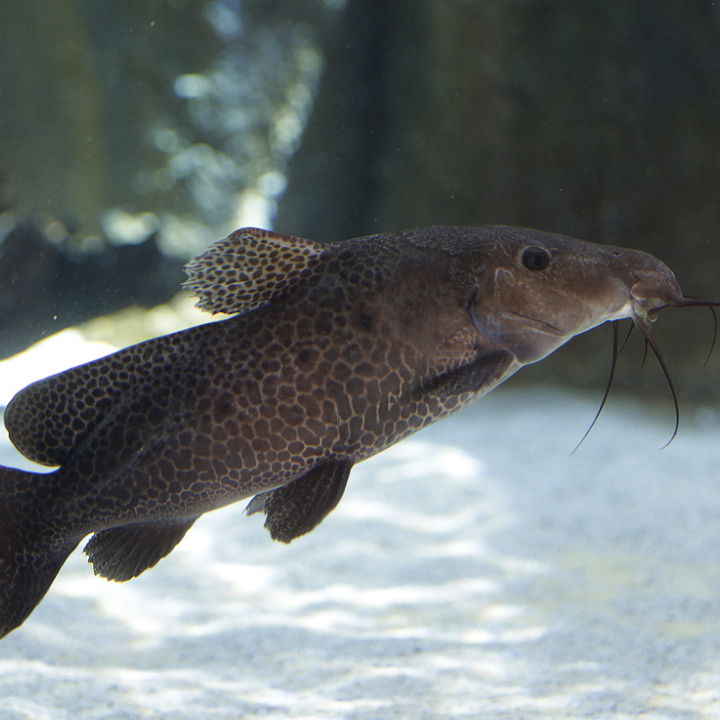
Giraffe catfish
River Wonders
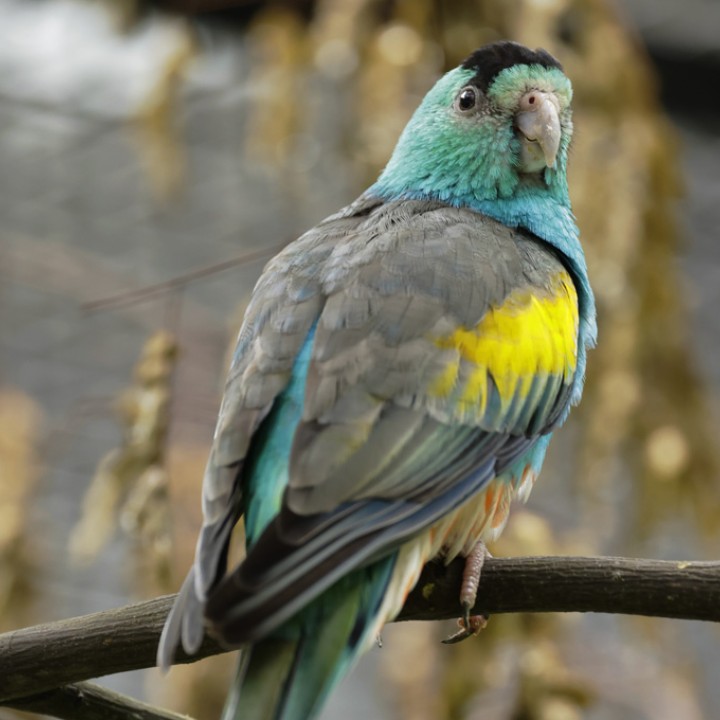
Golden-shouldered parrot
Bird Paradise
The golden-shouldered parrot nests in conical termite mounds. Dubbed the ‘antbed parrot’, it excavates its nest during the wet season when the mound is rain softened.
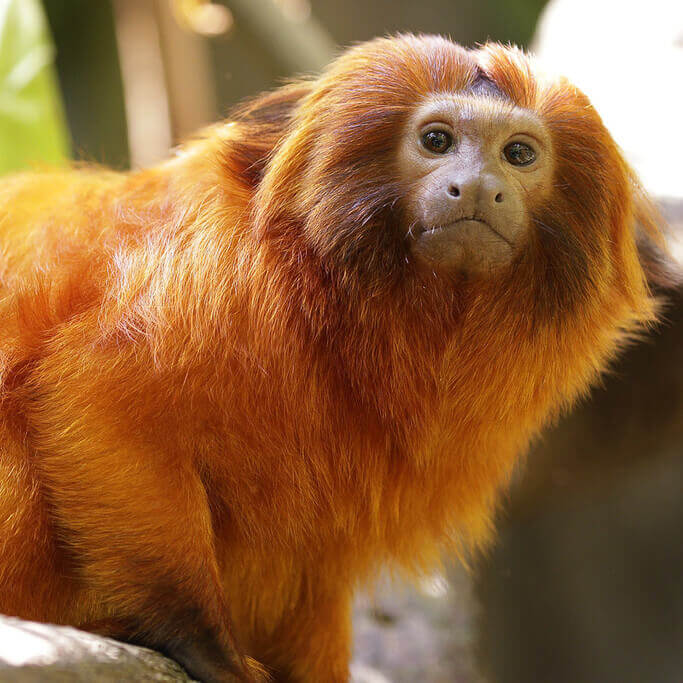
Golden lion tamarin
Singapore Zoo
Their namesake mane isn't just for looks. The long fur around their face and ears enhances their hearing and helps with communication within their group.
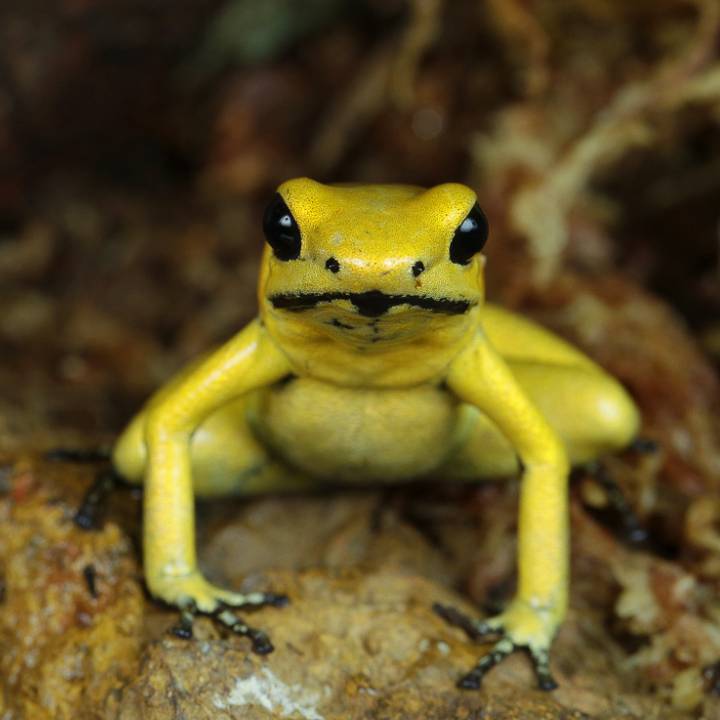
Golden poison frog
Singapore Zoo
Known for their extreme toxicity, these frogs produce toxins twenty times more potent than that of any other poison dart frog.
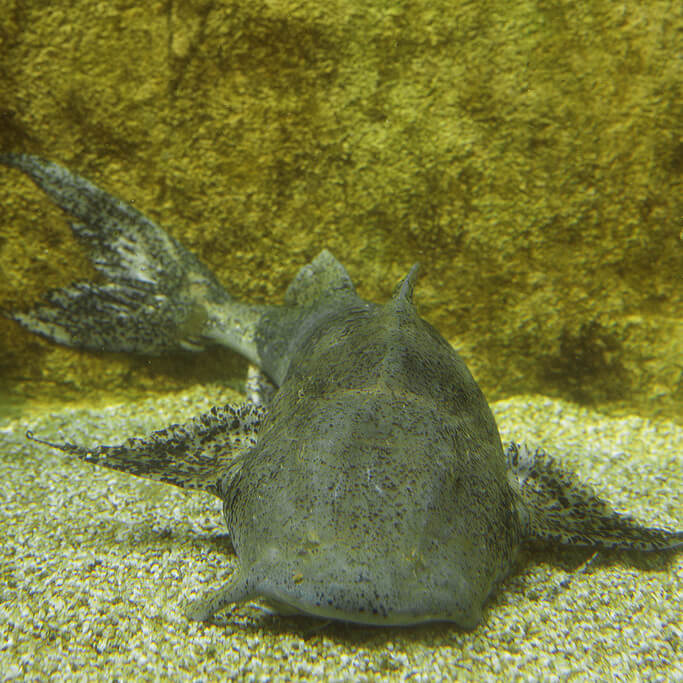
Goonch catfish
River Wonders
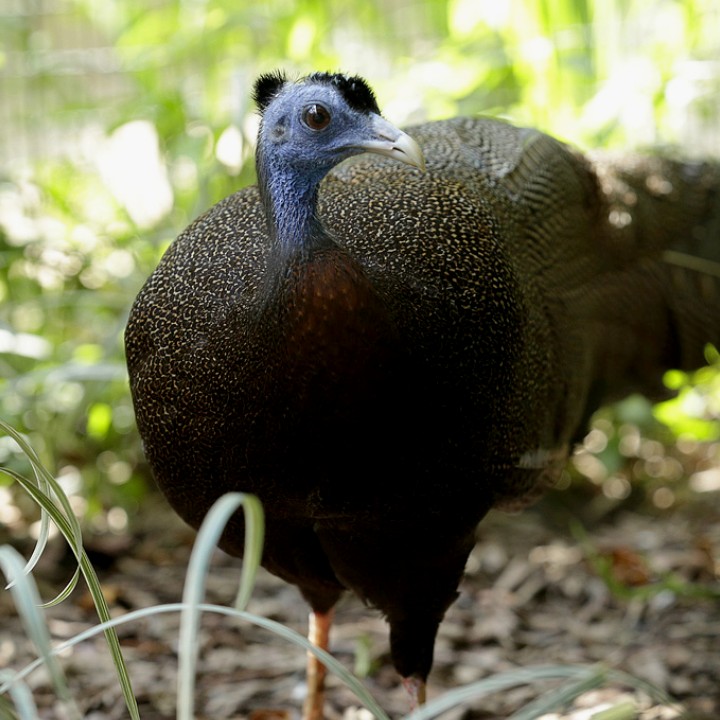
Great argus
Bird Paradise
Great Argus are amongst the largest pheasants, related to the peafowls.
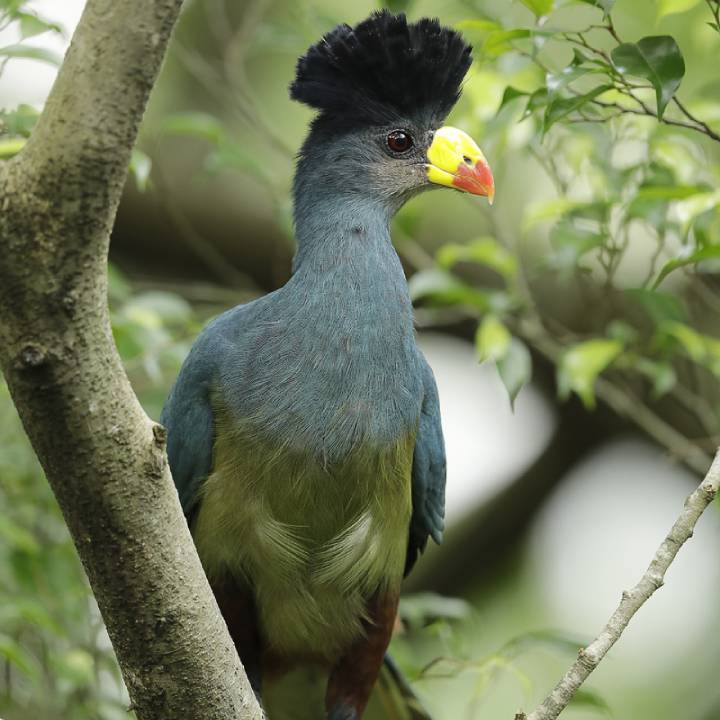
Great blue turaco
Bird Paradise
This shy bird not easily observed among the forest foliage except when small groups gather and call in chorus, sometimes for several minutes.
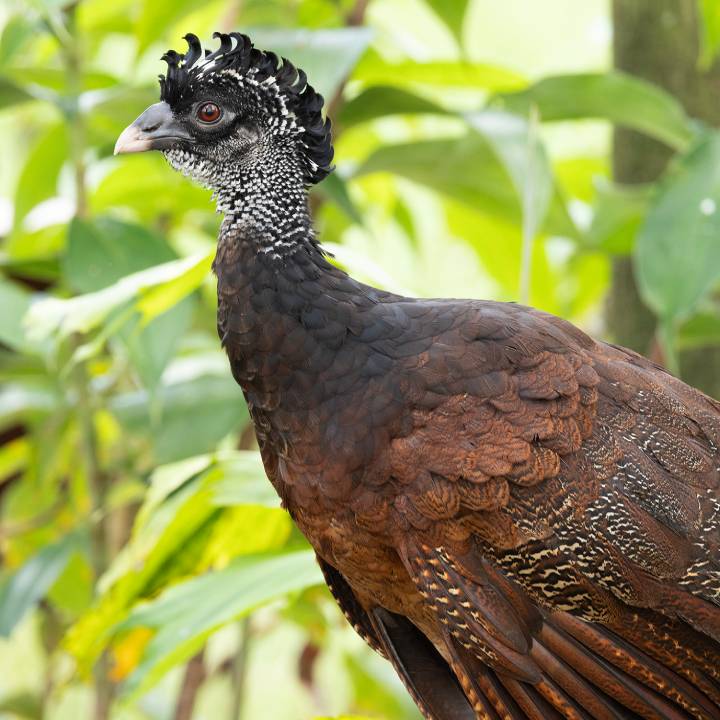
Great curassow
River Wonders
Males have a distinctive yellow "knob" on their beak which they use to attract mates and regulate their temperature.
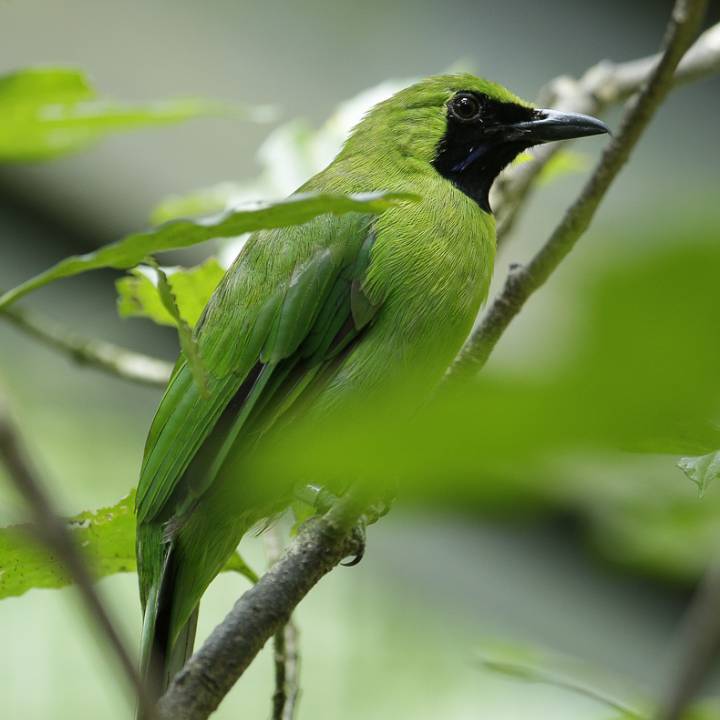
Greater green leafbird
Bird Paradise
The largest and heaviest leafbird, this bird has a powerful, hooked bill that it uses to pierce mid-sized fruits with a tough covering.
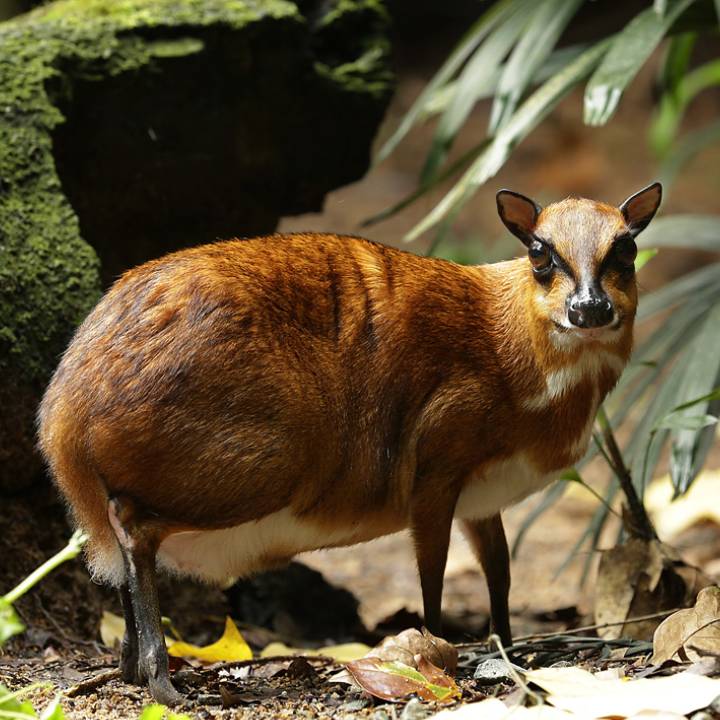
Greater mousedeer
Singapore Zoo
Despite their names, greater mousedeer are neither rodents nor true deer. They belong to their own unique family, Tragulidae, and are considered one of the most primitive living ungulates (hoofed mammals)!
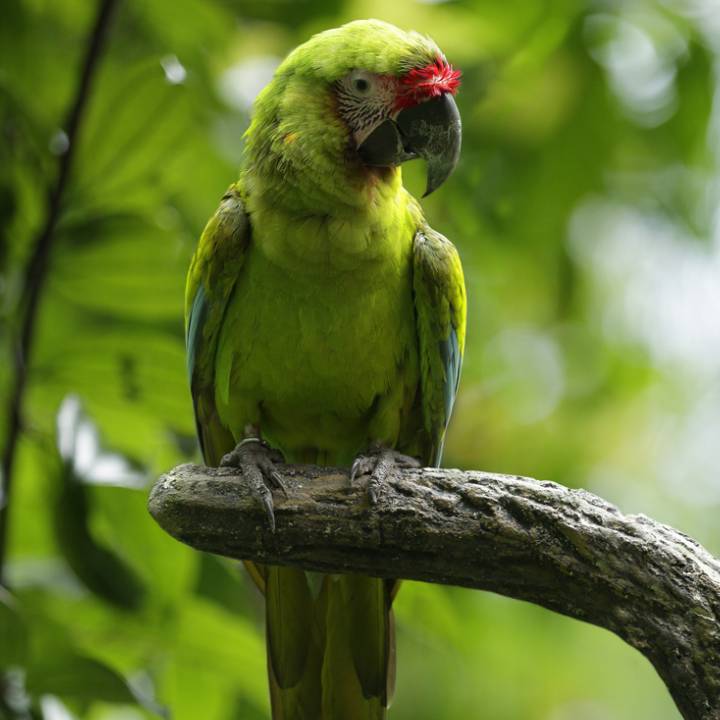
Great green macaw
Bird Paradise
Hailing from the forests of Central America, the great green macaw is Critically Endangered with only 500 to 1,000 mature individuals surviving in the wild.
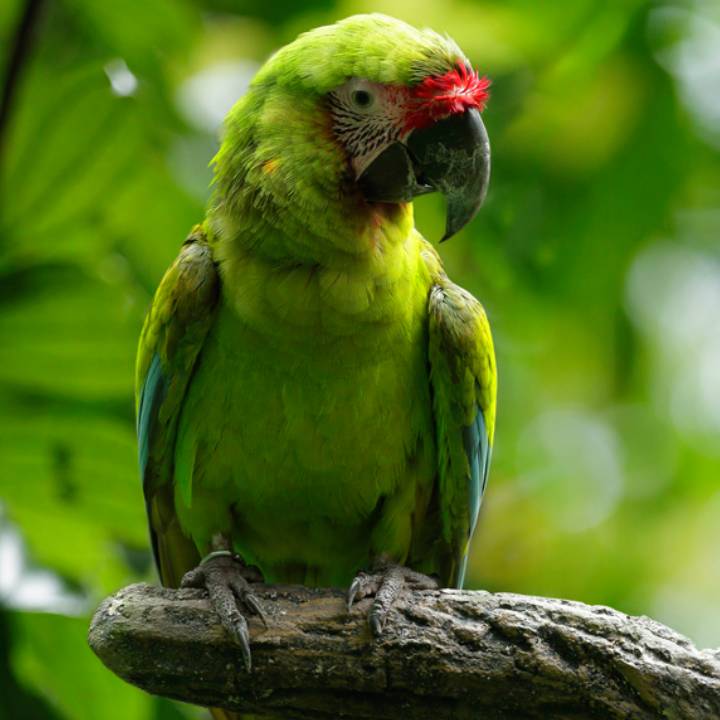
Great green macaw
River Wonders
One of the largest macaws (rivalled only by the hyacinth macaw), known for their loud calls and their ability to mimic human speech.

Great Pied Hornbill
Bird Paradise
This species is threatened by habitat destruction, especially the felling of old-growth trees required for nesting.
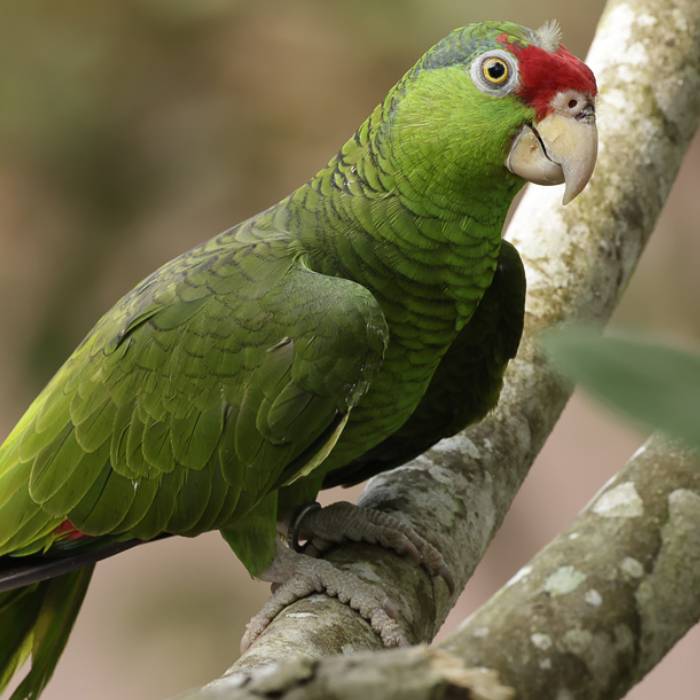
Green-cheeked amazon
Bird Paradise
This parrot loves company. Hundreds of them gather to roost communally in a few trees, socialising in animated chatters before spending the night together.
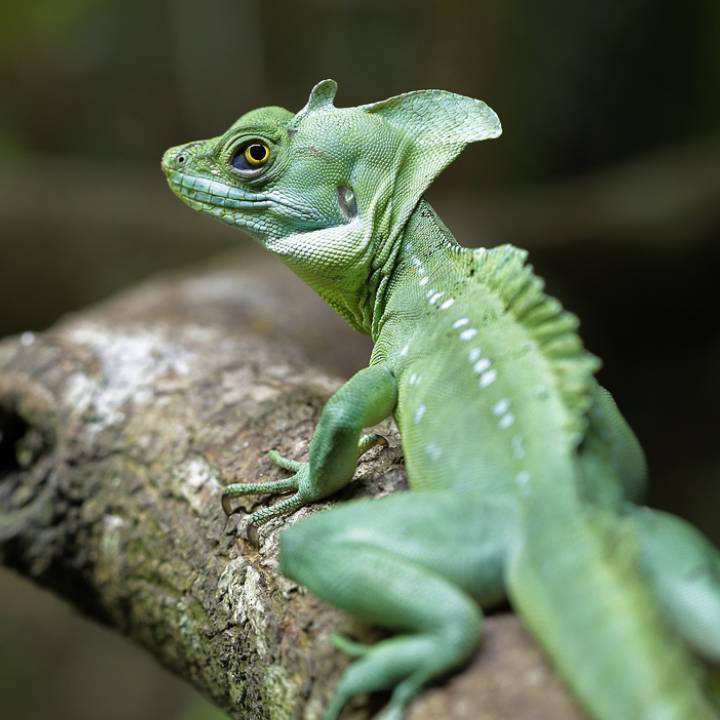
Green basilisk
Singapore Zoo
The green basilisk lizard is also known as the plumed or double-crested basilisk. Males can be distinguished by the showy crests on their heads and backs, which are used to impress females.
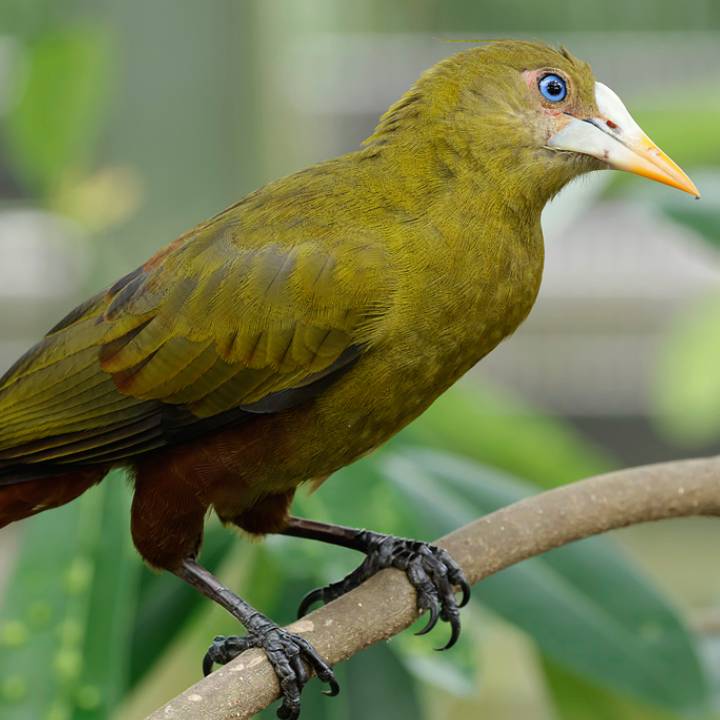
Green oropendola
River Wonders
Social birds that weave long bag-shaped nests that dangle from tree branches, sometimes following red-throated caracaras to feed.
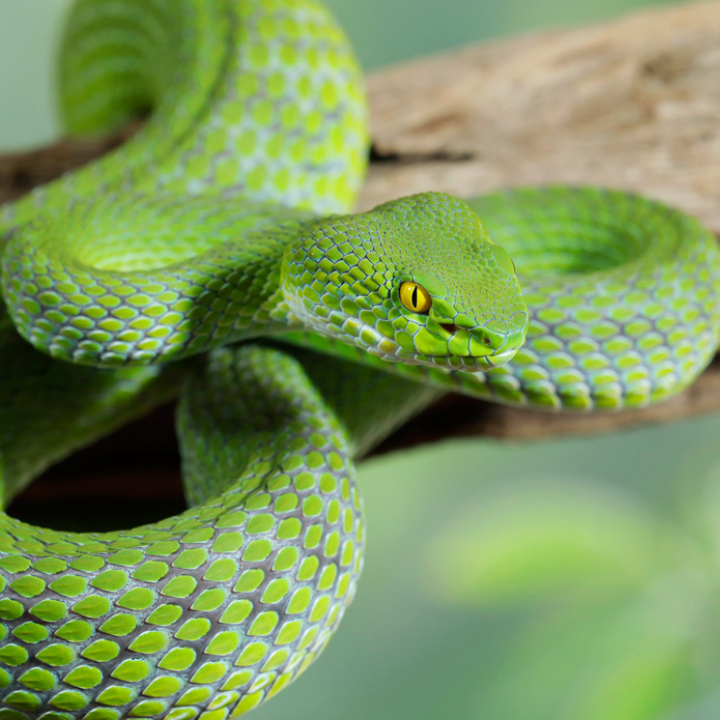
Green Pit Viper
Singapore Zoo
This nocturnal viper uses heat-sensing facial pits to detect and strike warm-blooded prey in the dark.
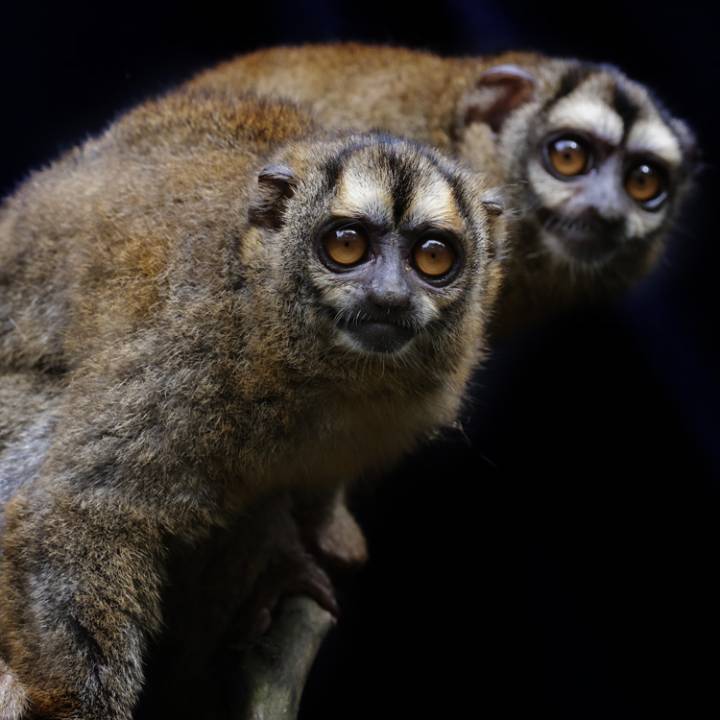
Grey-handed night monkey
Night Safari
Large round eyes that are perfectly adapted to night vision help this arboreal monkey forage at night. While their diet may vary, they do like to grab and squish insects for food. Yikes!
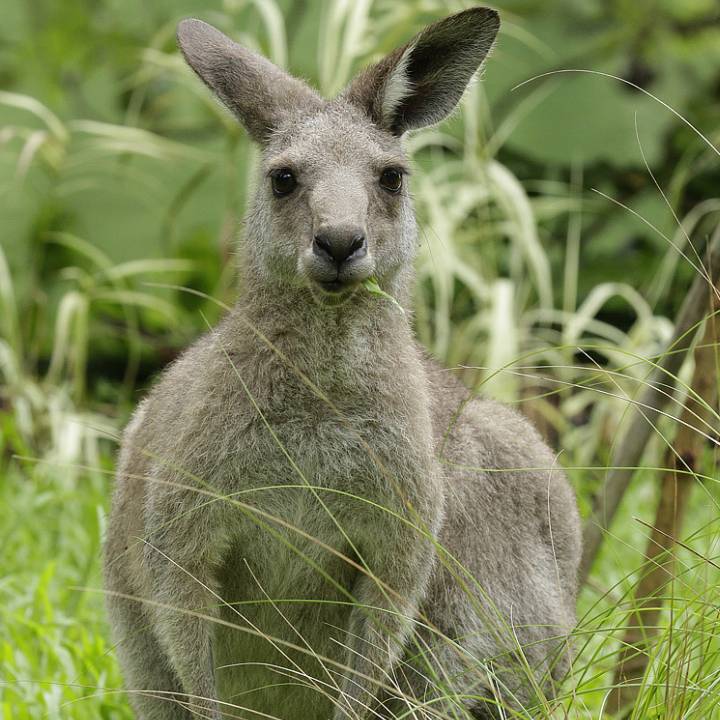
Grey kangaroo
Singapore Zoo
One of the largest kangaroo species commonly found in Australia, the eastern grey kangaroo swims well and evades predators by diving.
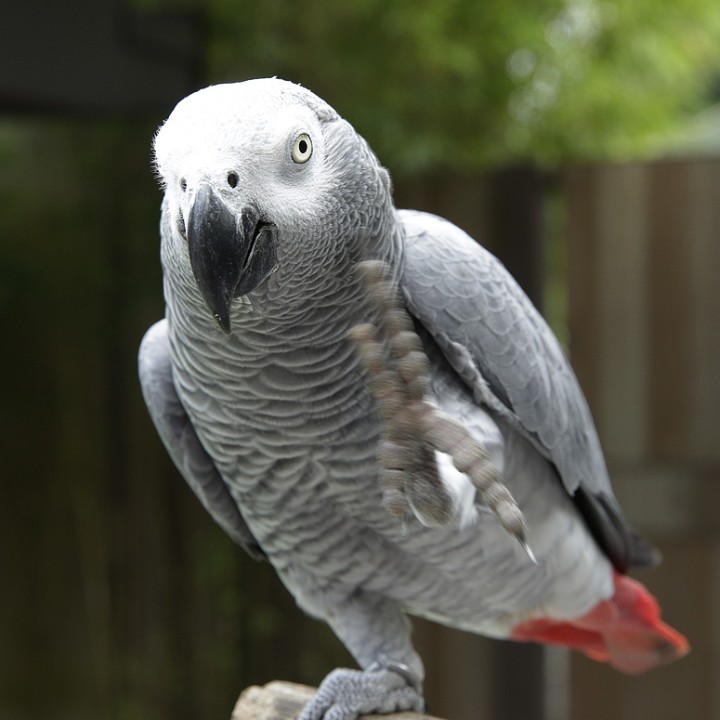
Grey parrot
Bird Paradise
Among the 350 odd parrot species worldwide, grey parrots are best able to mimic human speech.
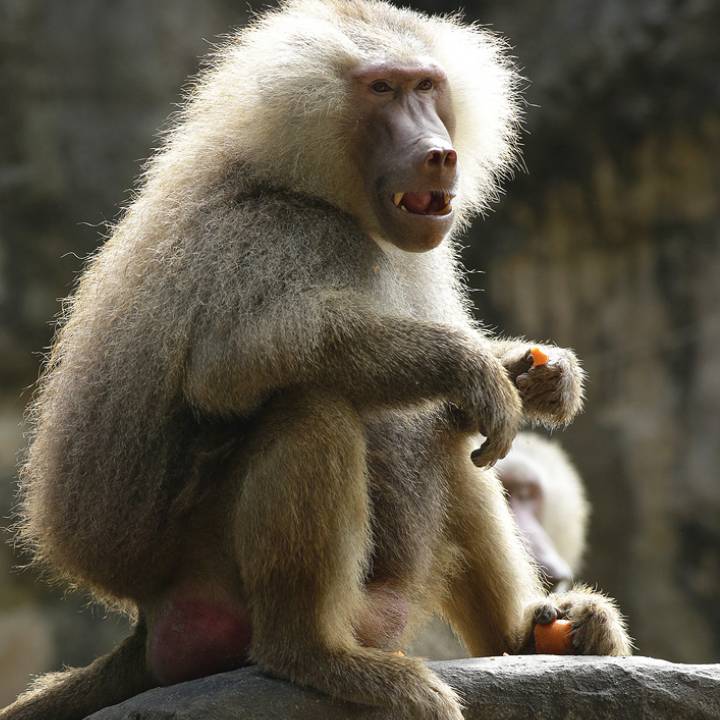
Hamadryas baboon
Singapore Zoo
Hamadryas baboon are hardy monkeys with a strong build and a dog-like snout. Males and females look so dissimilar that they have been thought to be of different species.
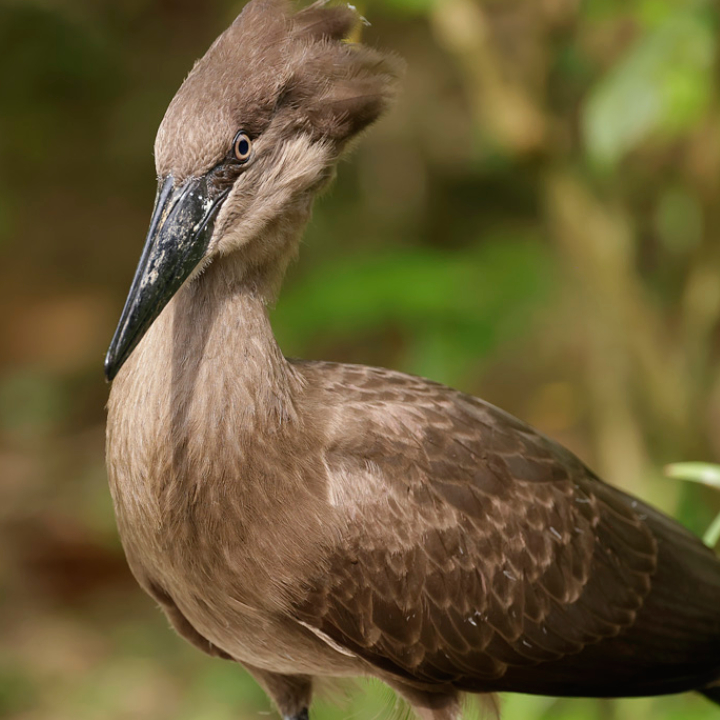
Hamerkop
Rainforest Wild Adventure EAST
Named for their distinctive hammer-shaped heads, they build the largest domed nests of any bird, using vegetation and often decorating them with colourful materials.
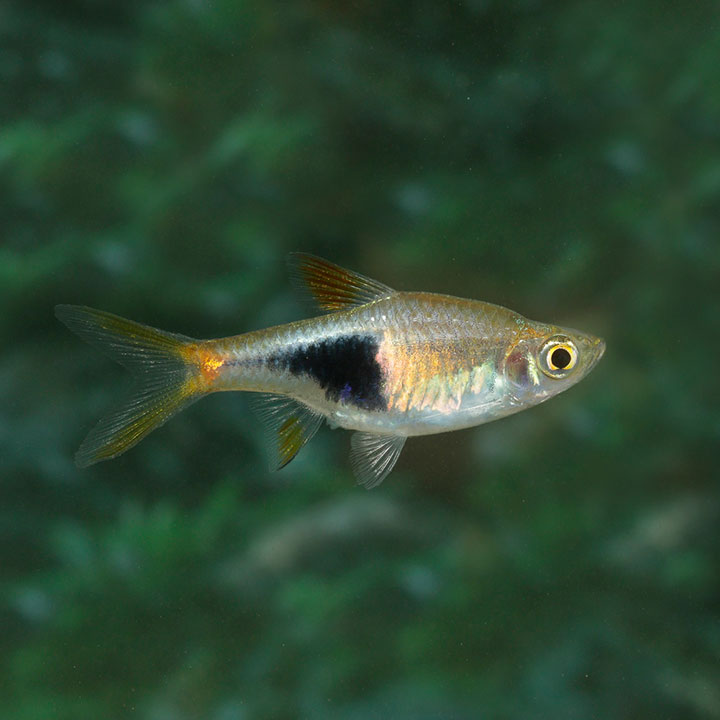
Harlequin rasbora
River Wonders
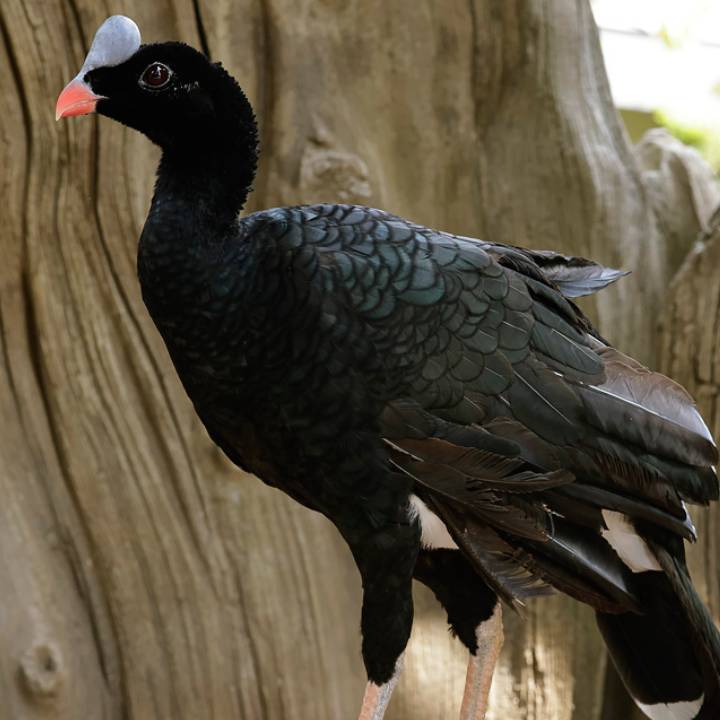
Helmeted curassow
River Wonders
These large, ground-dwelling birds, with distinctive bluish-grey casques on their forehead, grow up to 3.6kg in weight – like turkeys!
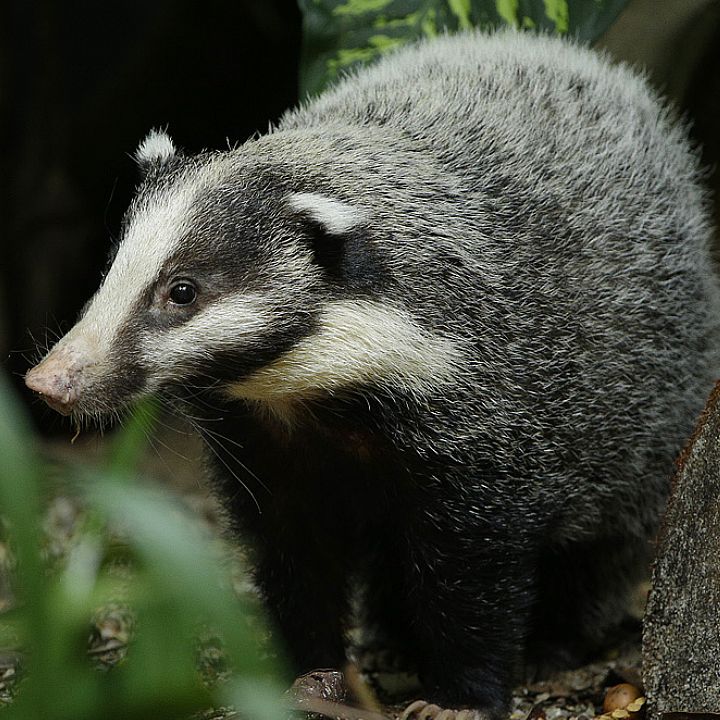
Hog badger
Night Safari
They are known to dig burrows, that can then be used by other animals.
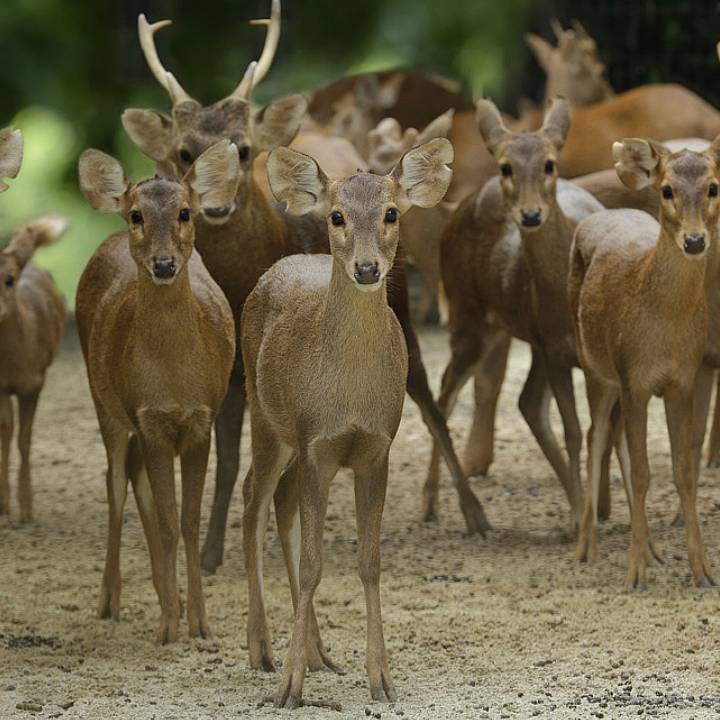
Hog deer
Rainforest Wild Adventure WEST
These deer often rush through grass with their head down like a pig, rather than bounding over obstacles like other deer.
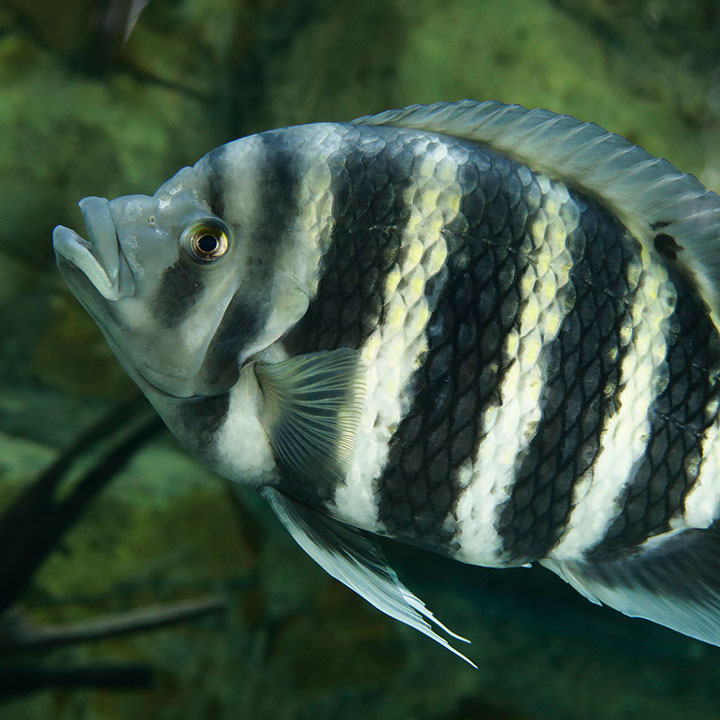
Hornet tilapia
River Wonders
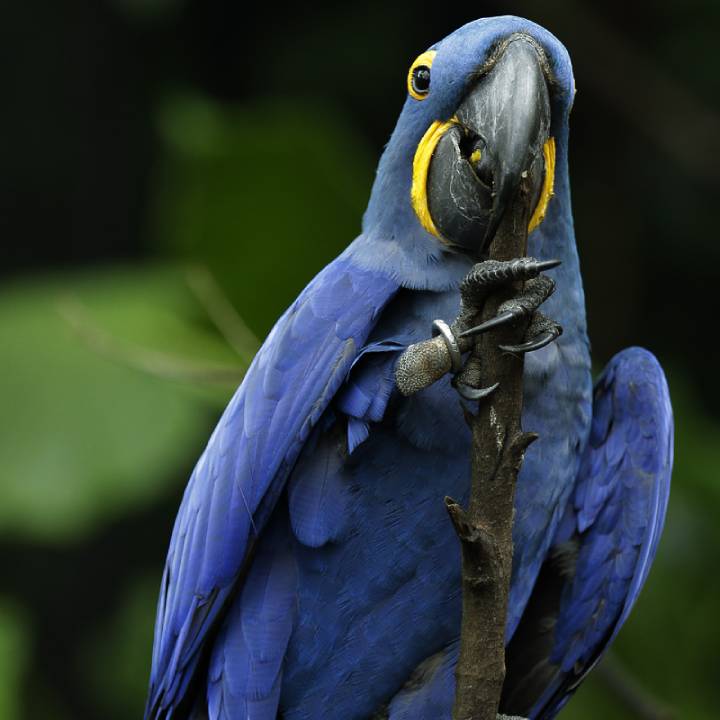
Hyacinth macaw
Bird Paradise
The hyacinth macaw stands out as the largest of all parrots at 1 m long, attractively cloaked in cobalt blue feathers.
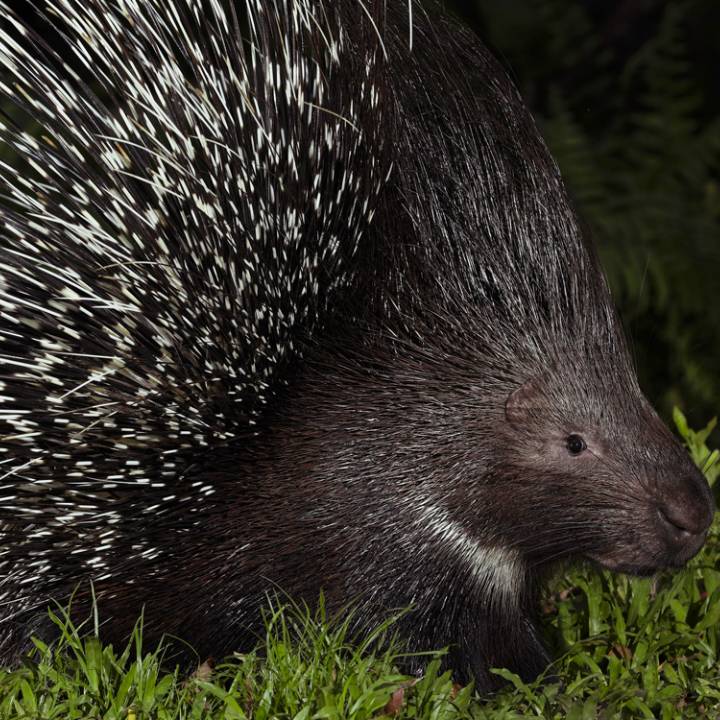
Indian crested porcupine
Singapore Zoo
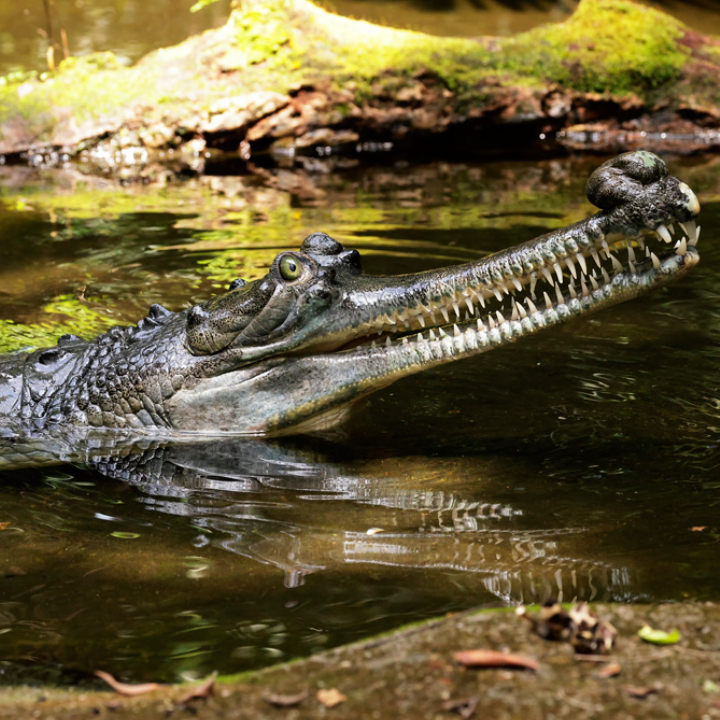
Indian Gharial
Singapore Zoo
Males grow a snout bump that acts as a vocal resonator and helps attract mates during the breeding season.
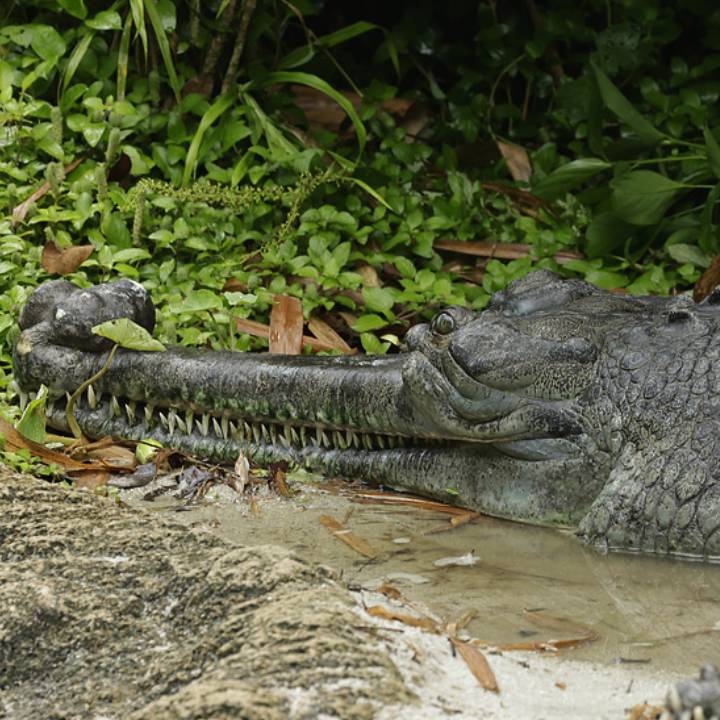
Indian gharial
Night Safari
With its bulbous growth on the tip of males’ snouts, it’s no wonder this crocodilian gets its name from the word ‘ghara’ – ‘pot’ in Hindi.
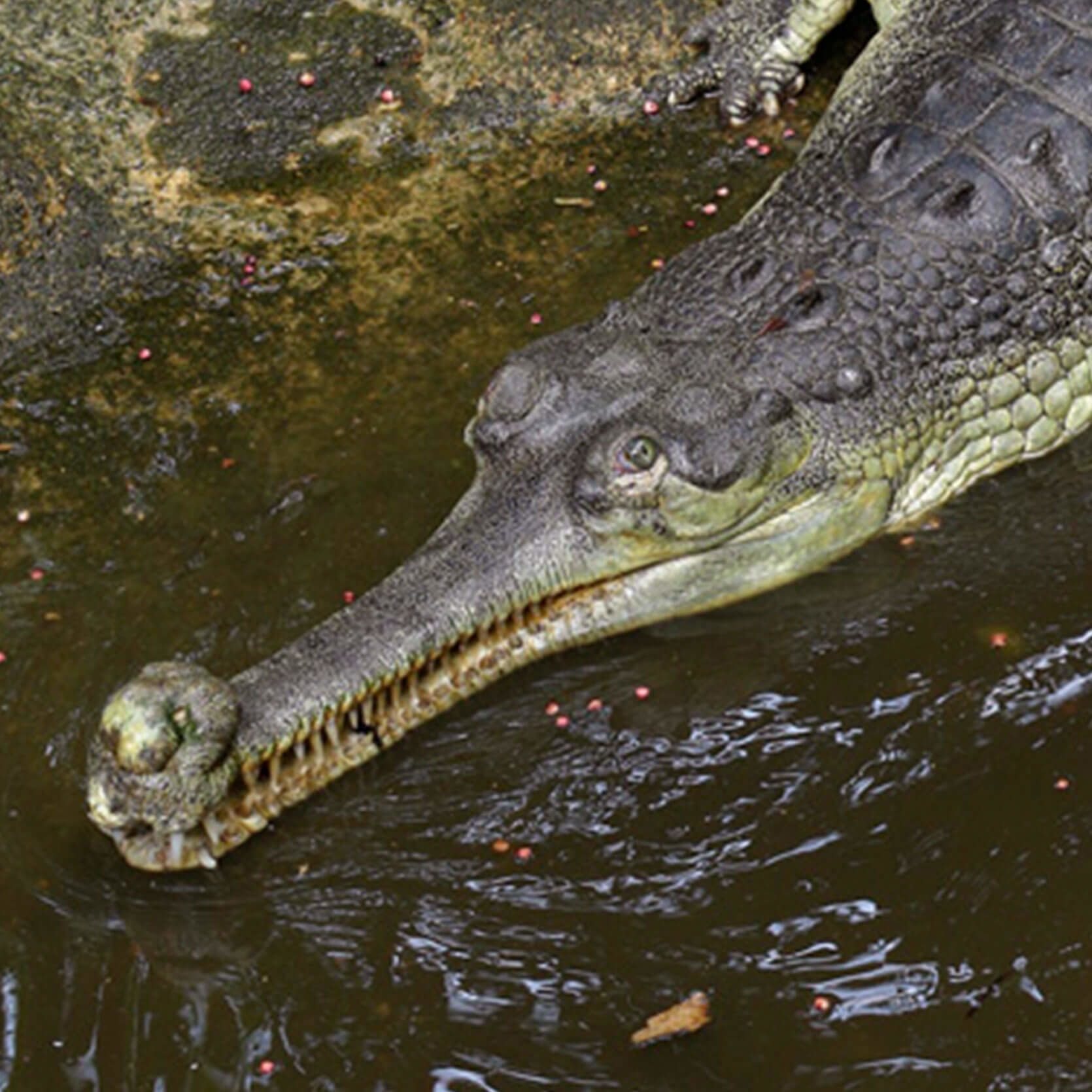
Indian gharial
River Wonders
A narrow snout, attended by an array of fearsome teeth, helps the gharial catch its fish.
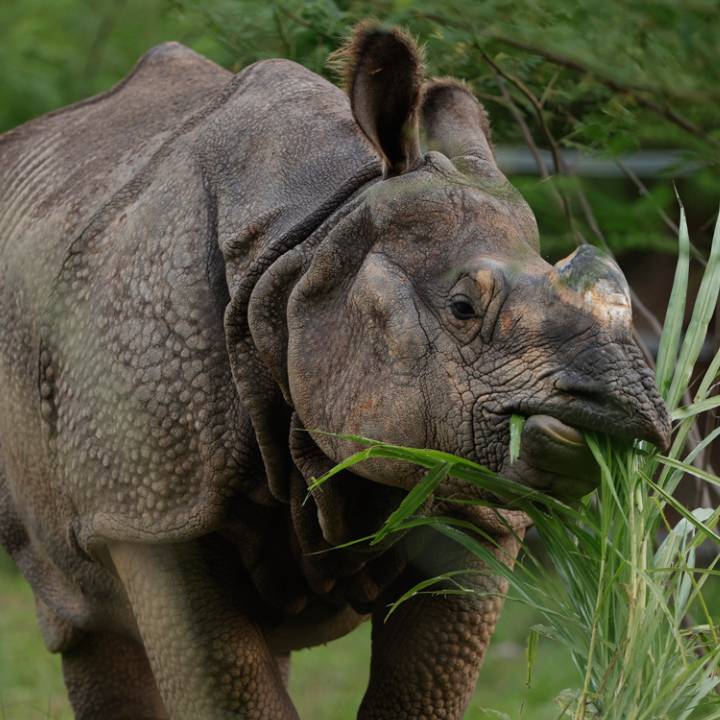
Indian Rhinoceros
Night Safari
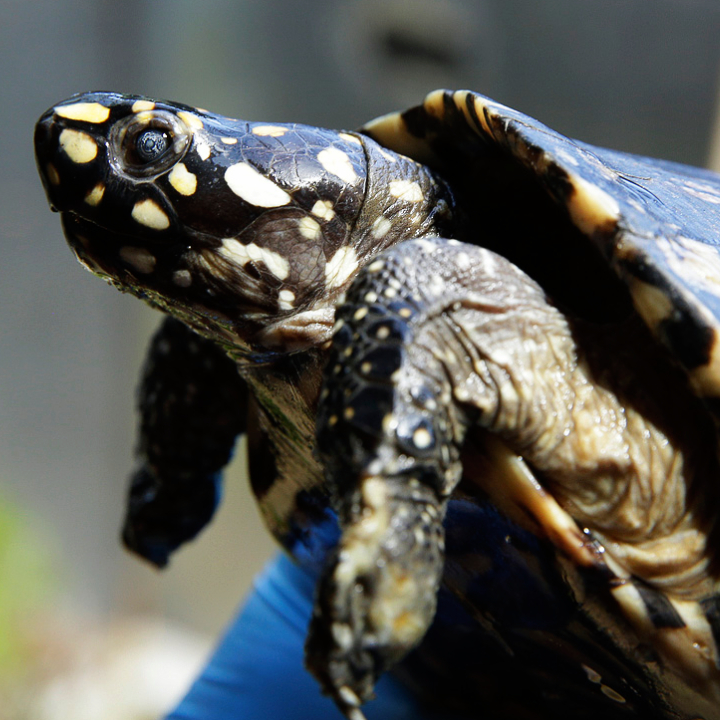
Indian Spotted Pond Turtle
Singapore Zoo
This shy turtle croaks softly when retracting inside its shell, and can grow up to 40.5cm long.
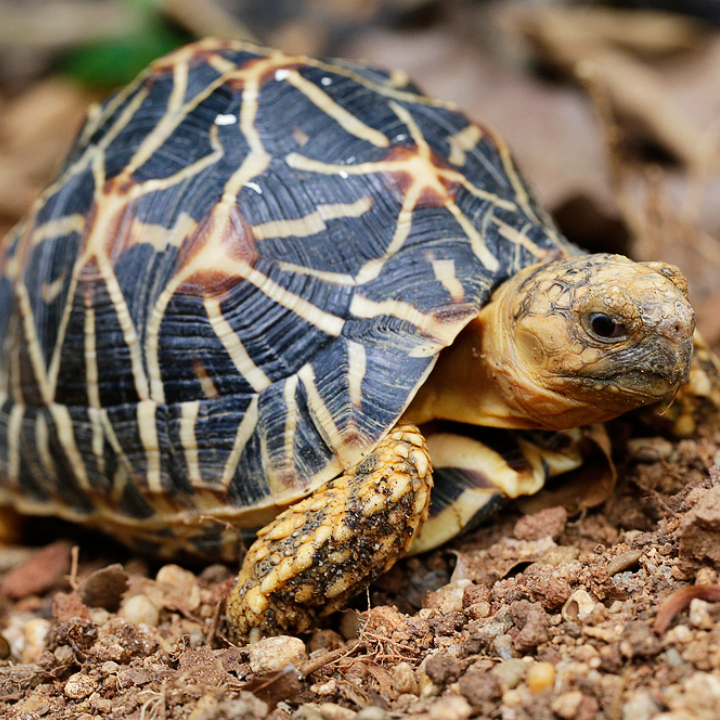
Indian Star Tortoise
Singapore Zoo
Its star-patterned shell helps with camouflage, and males often battle rivals by flipping them over.
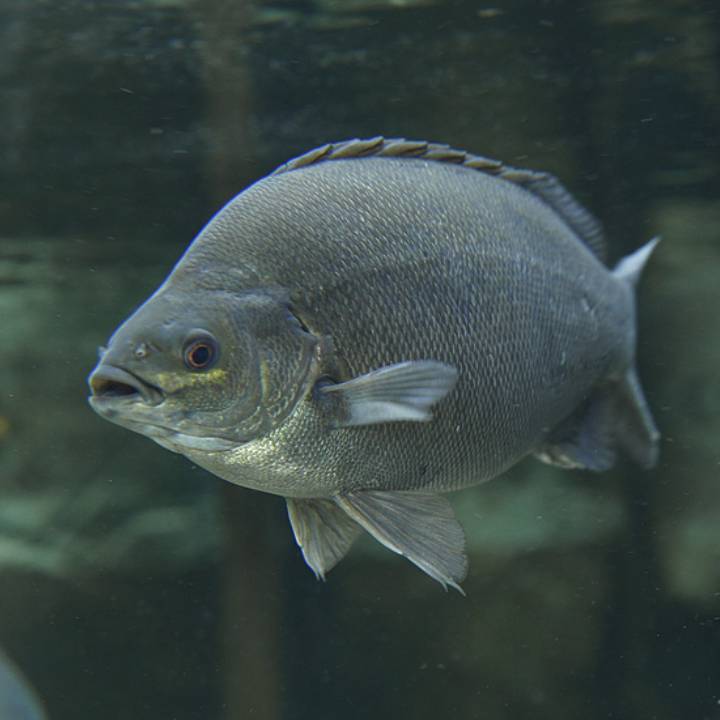
Jade perch
River Wonders
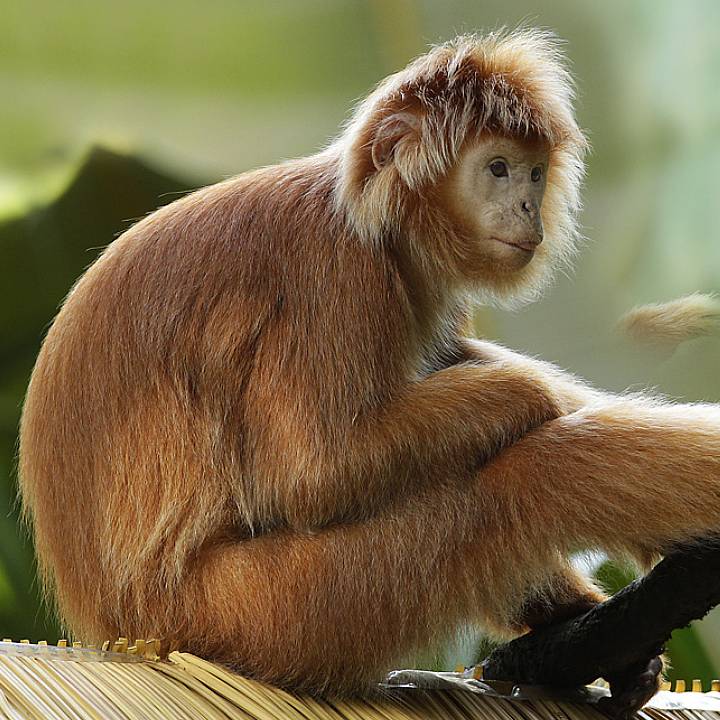
Javan langur
Rainforest Wild Adventure WEST
We help conserve them, protecting their natural habitat through the cultivation of sustainable shade coffee, Owa Coffee.
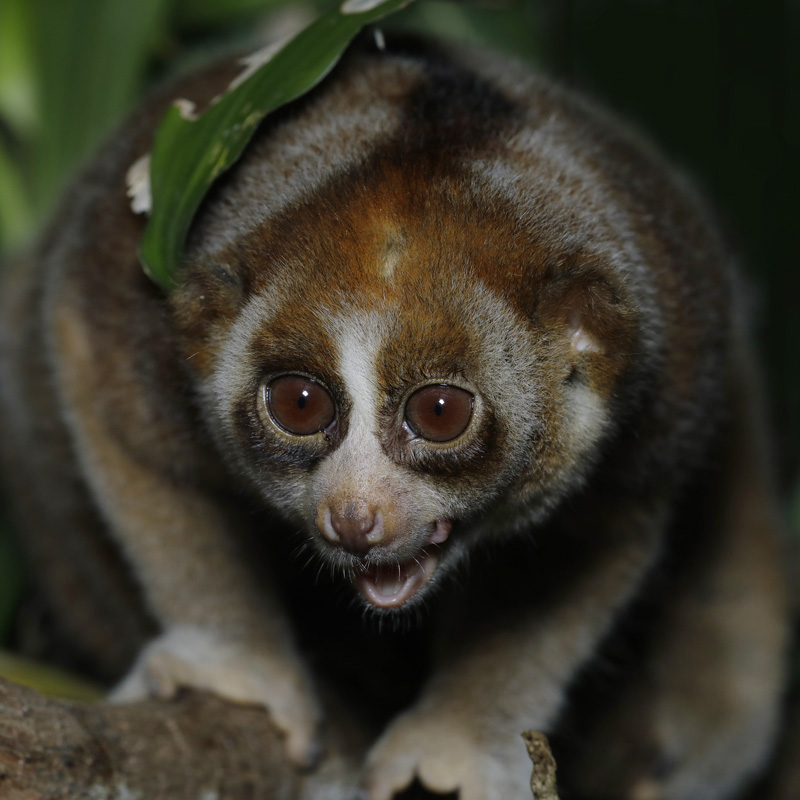
Javan slow loris
Night Safari
Only a few mammals are known to produce venom and the slow loris is one of them. It mixes the secretion from a gland on the underside of its arm with its saliva to produce a toxin.
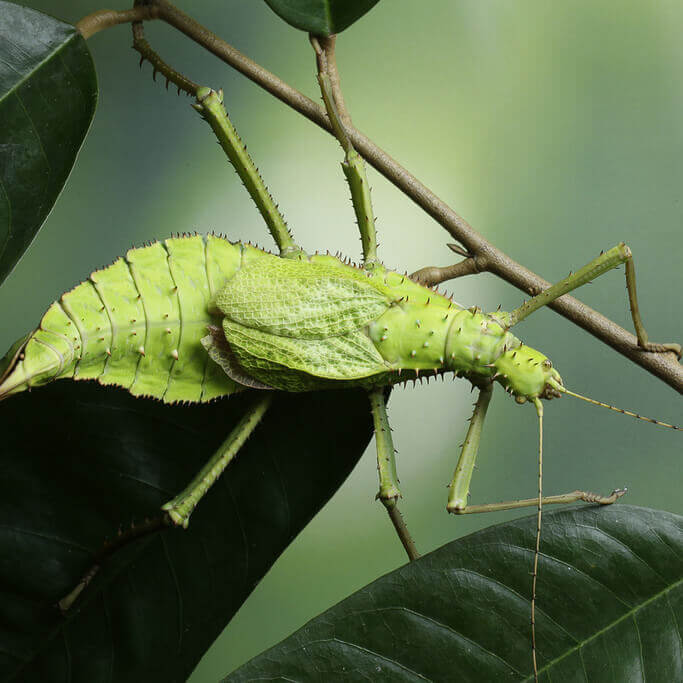
Jungle nymph
Singapore Zoo
The undisputed queen of stick insects, adult females can reach a whopping 65 grams, making them the heaviest in the world! Males, on the other hand, are slender and lightweight, topping out at around 6 grams.
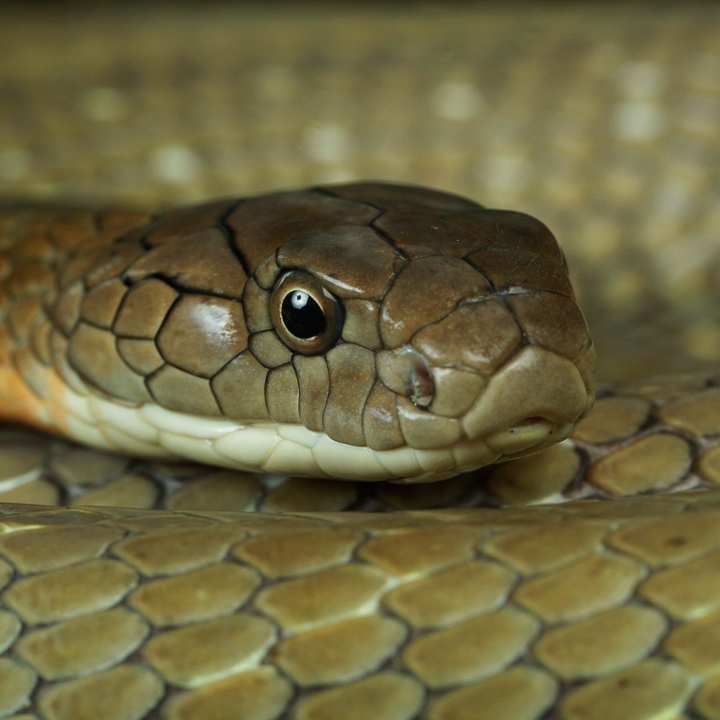
King Cobra
Singapore Zoo
Despite its fearsome reputation amongst humans, the world’s longest venomous snake has a diet consisting mainly of other snakes.
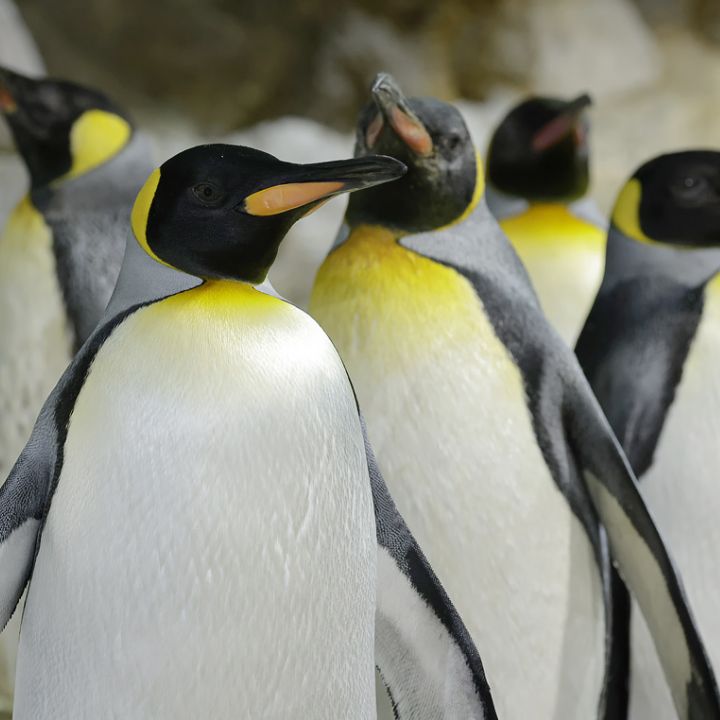
King penguin
Bird Paradise
The King Penguin stands at a height of 1 metre. It is the second tallest penguin, after the Emperor Penguin, which is 1.3m tall.
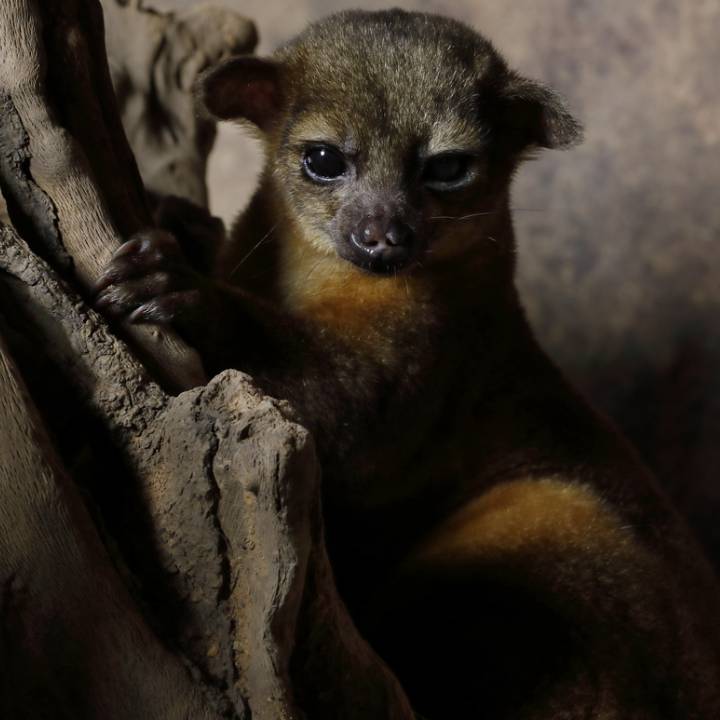
Kinkajou
Night Safari
With dense woolly fur that acts as a raincoat, and a strong tail that they themselves can use to climb back up on, this carnivore is perfectly equipped to raid beehives for honey.
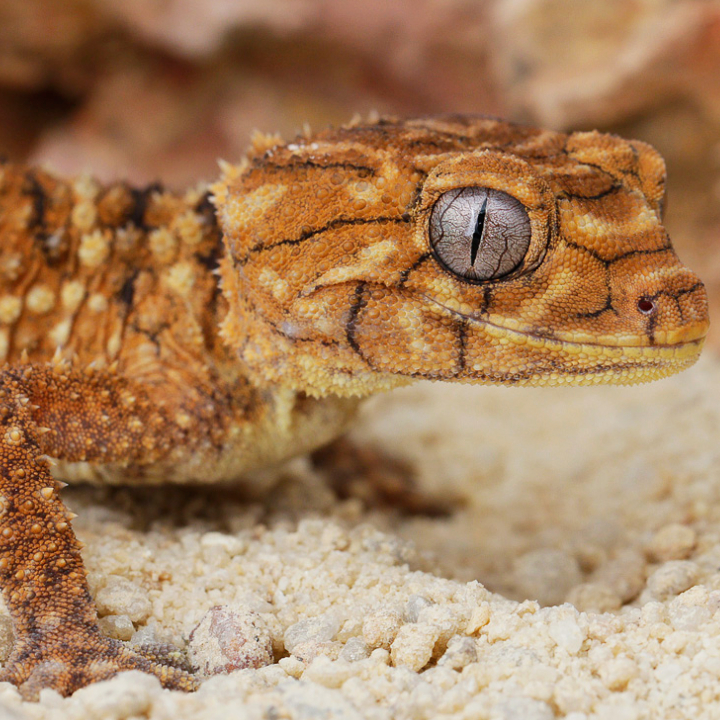
Knob-Tailed Gecko
Singapore Zoo
This ground-dwelling Aussie gecko lives in sand plains and woodlands, rarely climbing trees.
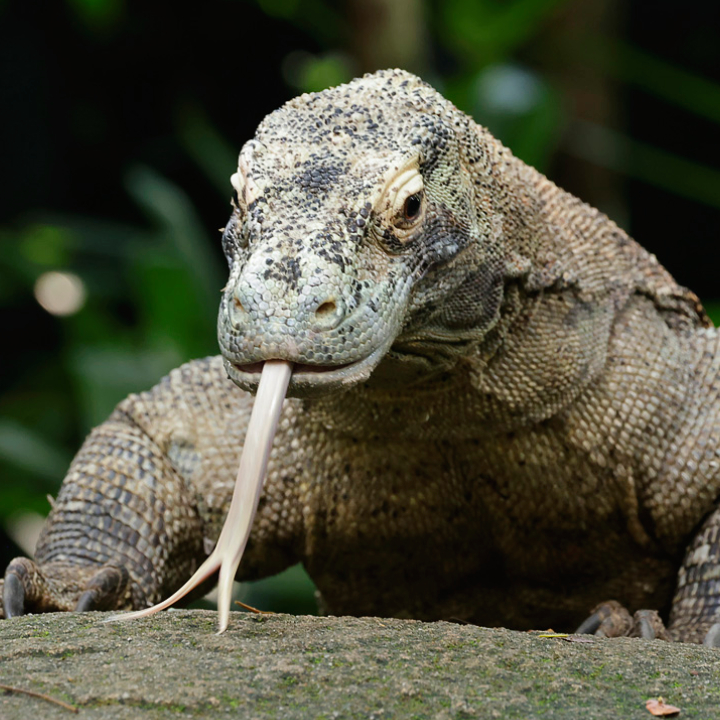
Komodo Dragon
Singapore Zoo
Venomous and massive, this lizard runs at speeds up to 20km/h, and can even vomit to flee faster when threatened!
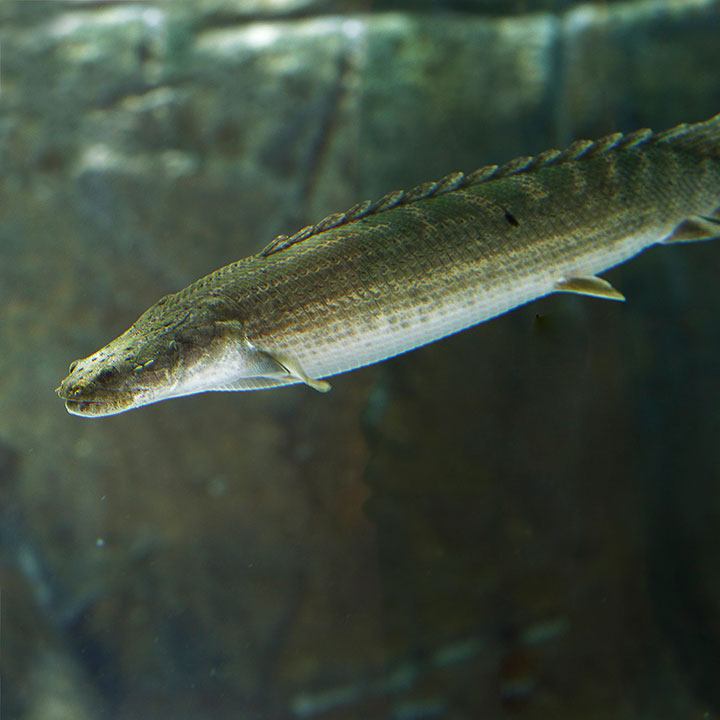
Lapradei bichir
River Wonders
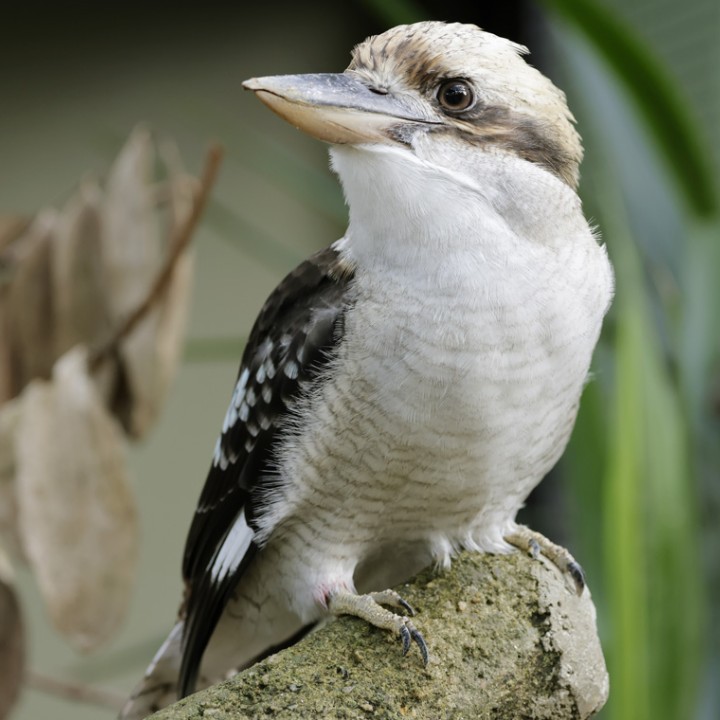
Laughing kookaburra
Bird Paradise
The cackle of the laughing kookaburra is an iconic sound of the dry eucalypt forests of eastern Australia at dawn and dusk.
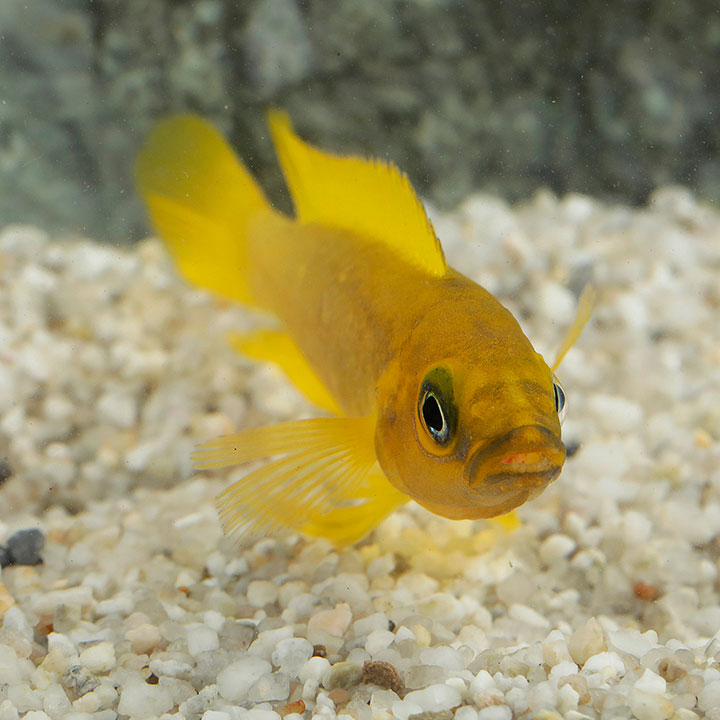
Lemon cichlid
River Wonders
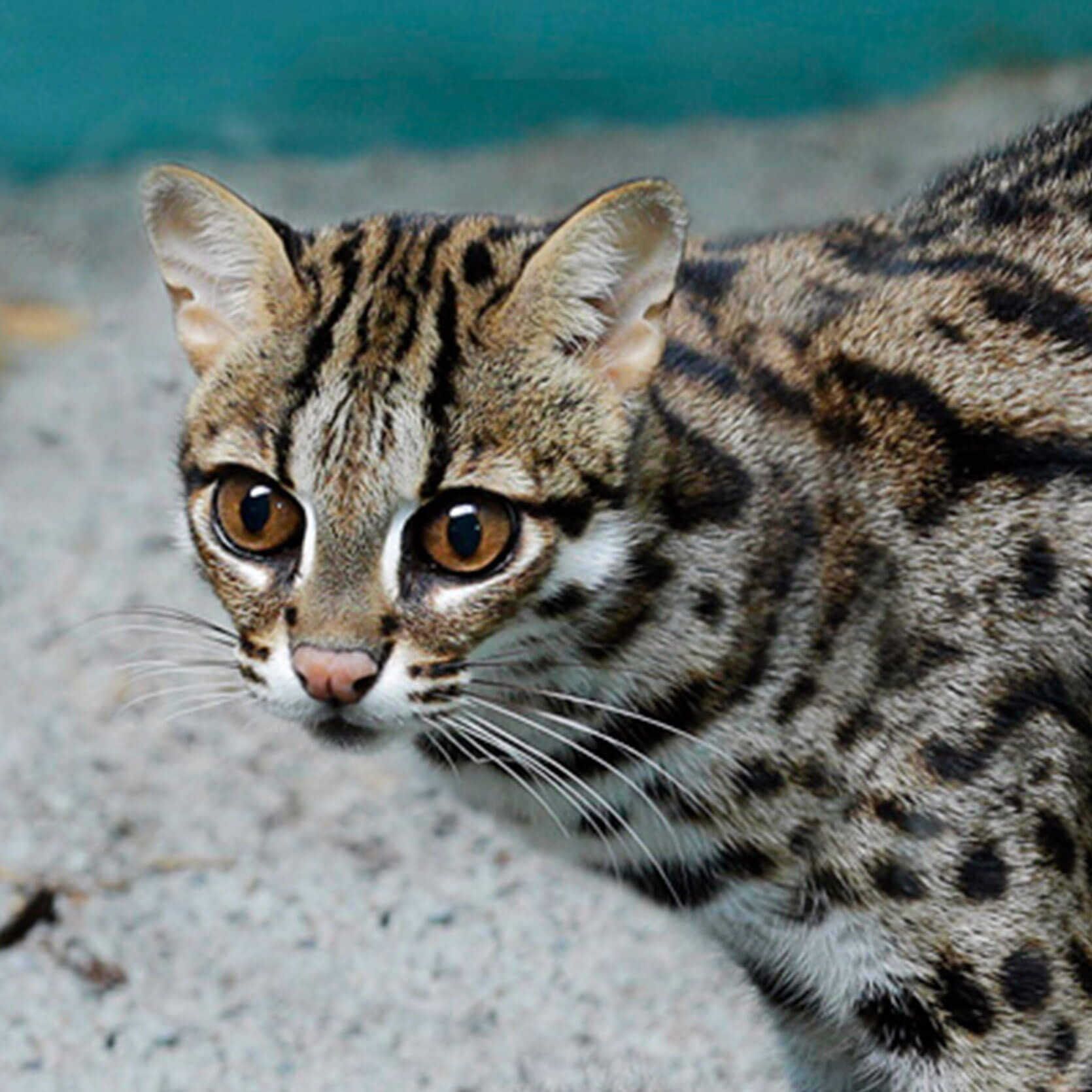
Leopard cat
Night Safari
With fewer than 50 of them left in Singapore and its surrounding islands, the Leopard cat is Singapore’s last wild cat. Be sure to slow down for them when driving along forested areas!
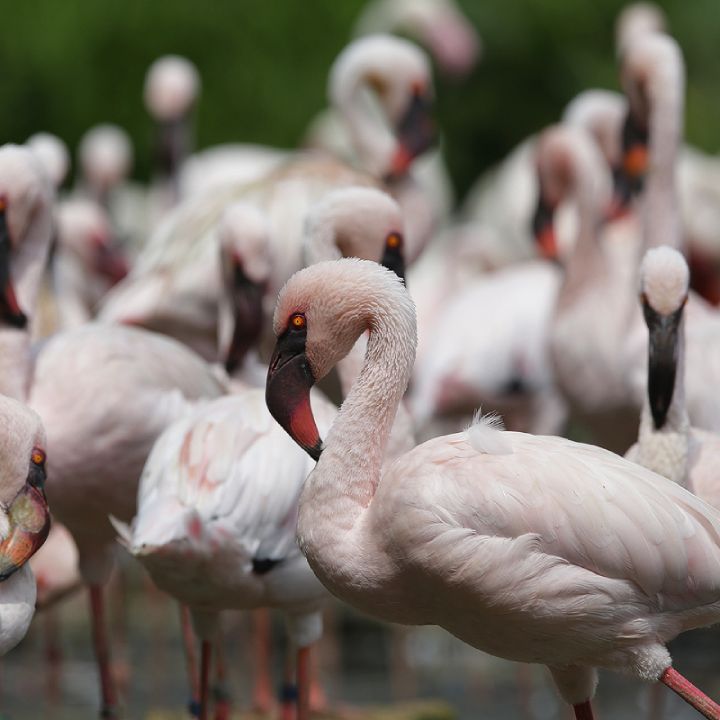
Lesser flamingo
Bird Paradise
Out of six flamingo species, the lesser flamingo is the smallest and most numerous with around three million individuals.
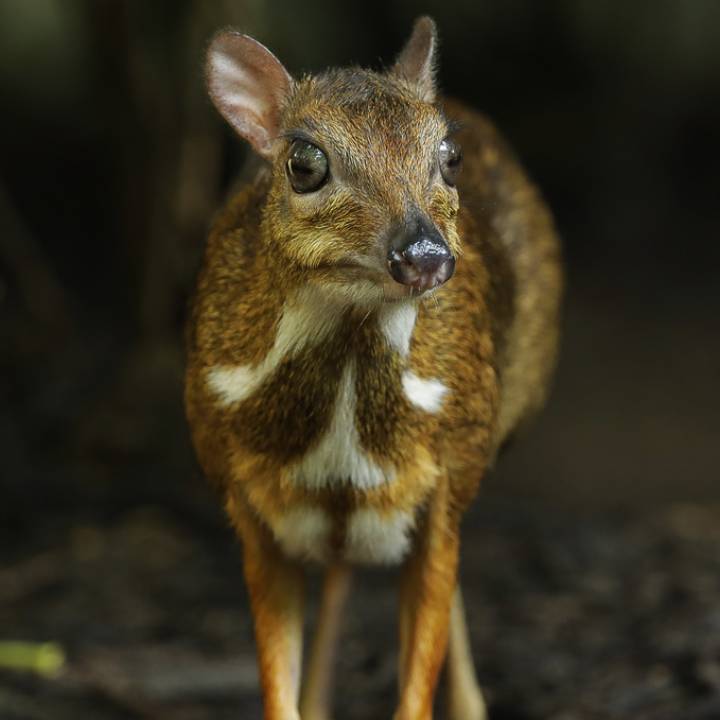
Lesser mousedeer
Singapore Zoo
With a rodent-like face and a rabbit's body perched precariously atop the pencil-thin feet of a piglet, the mousedeer looks like an odd mix of different animals.
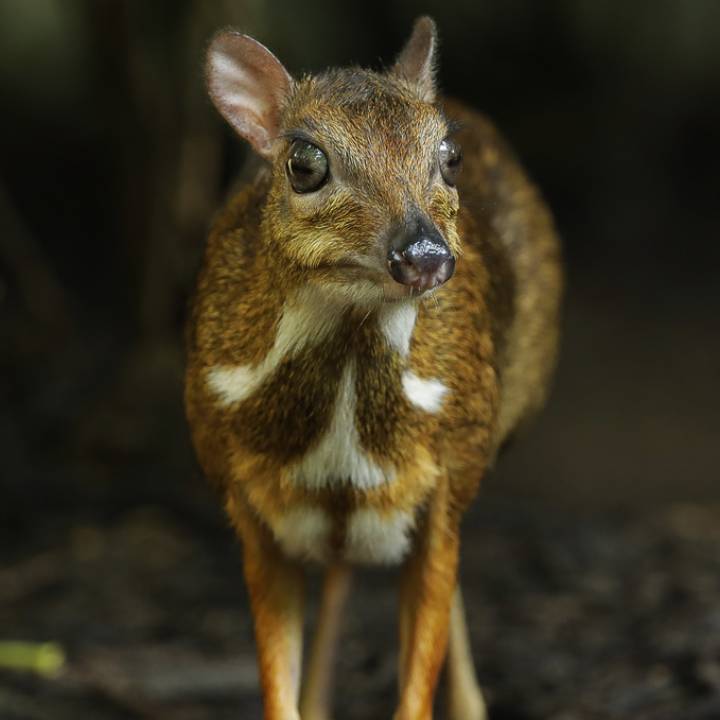
Lesser mousedeer
Night Safari
Being one of the world’s smallest hoofed animals, the lesser mousedeer has fangs instead of antlers.
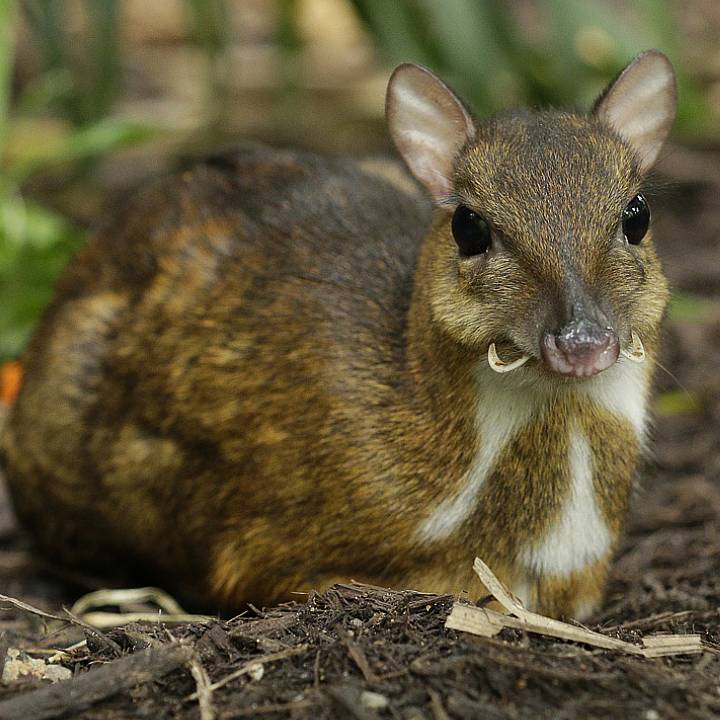
Lesser mousedeer
Rainforest Wild Adventure WEST
Being one of the world’s smallest hoofed animals, the lesser mousedeer has fangs instead of antlers.
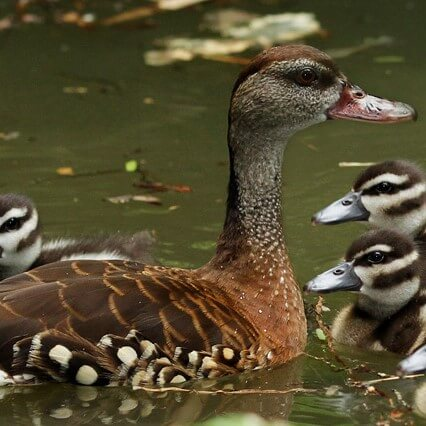
Lesser whistling duck
Night Safari
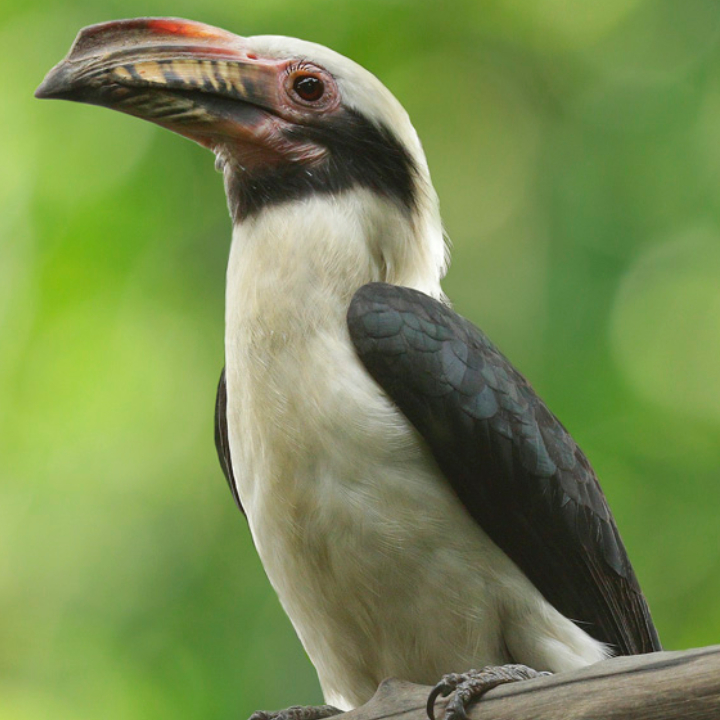
Luzon Hornbill
Bird Paradise
This diminutive hornbill is restricted to Luzon and nearby islands in the Philippines. Males and females look different, with males being mostly pale while females are entirely black.
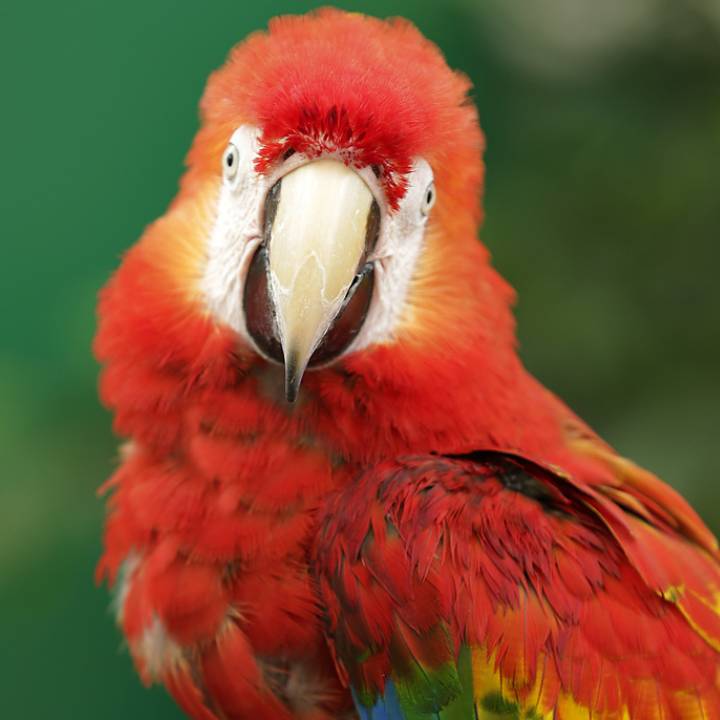
Macaw
Singapore Zoo
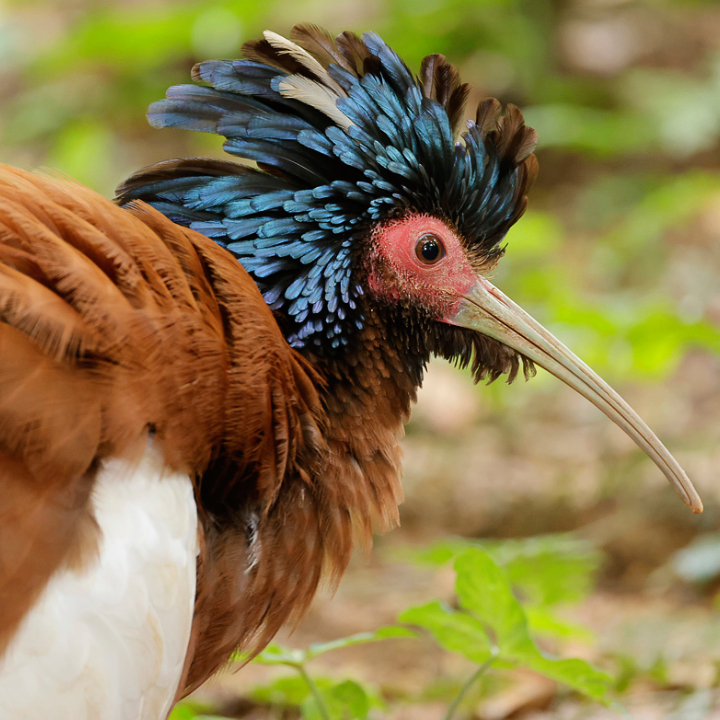
Madagascar Crested Ibis
Rainforest Wild Adventure EAST
While its striking white wings are most visible in flight, this bird actually spends most of its time foraging on the forest floor for insects and small prey.
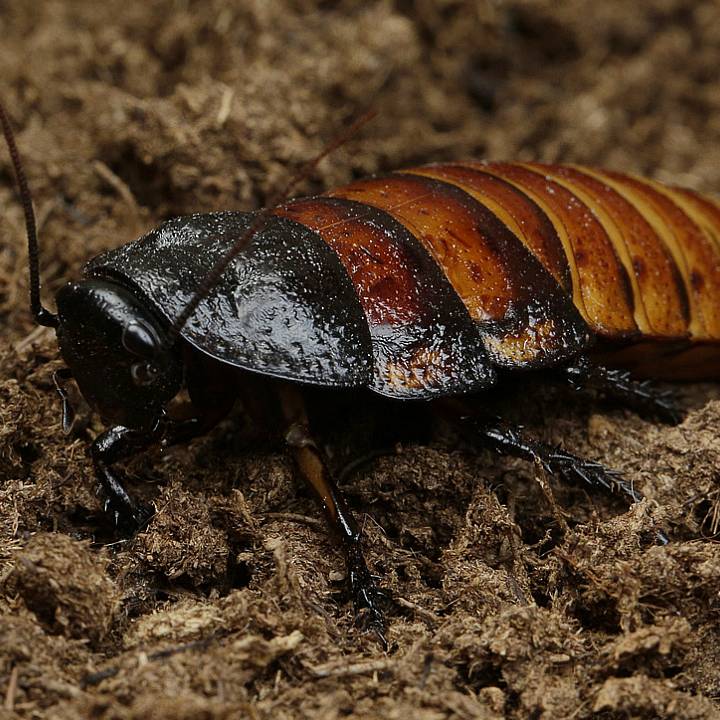
Madagascar hissing cockroach
Rainforest Wild Adventure WEST
One of the largest species of cockroaches it hisses by expelling air through abdominal breathing pores.
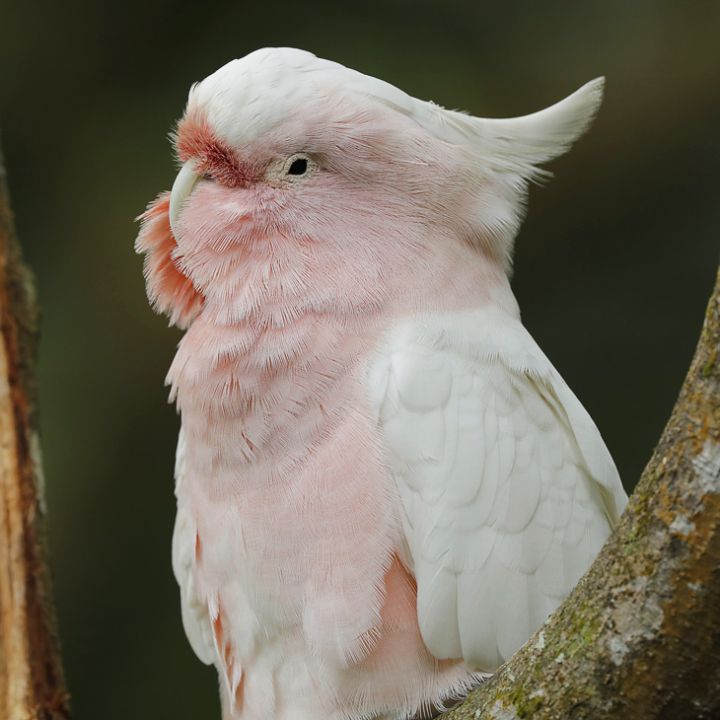
Major Mitchell's cockatoo
Bird Paradise
Being seedeaters, cockatoos have large beaks with which seeds can be dehusked efficiently.
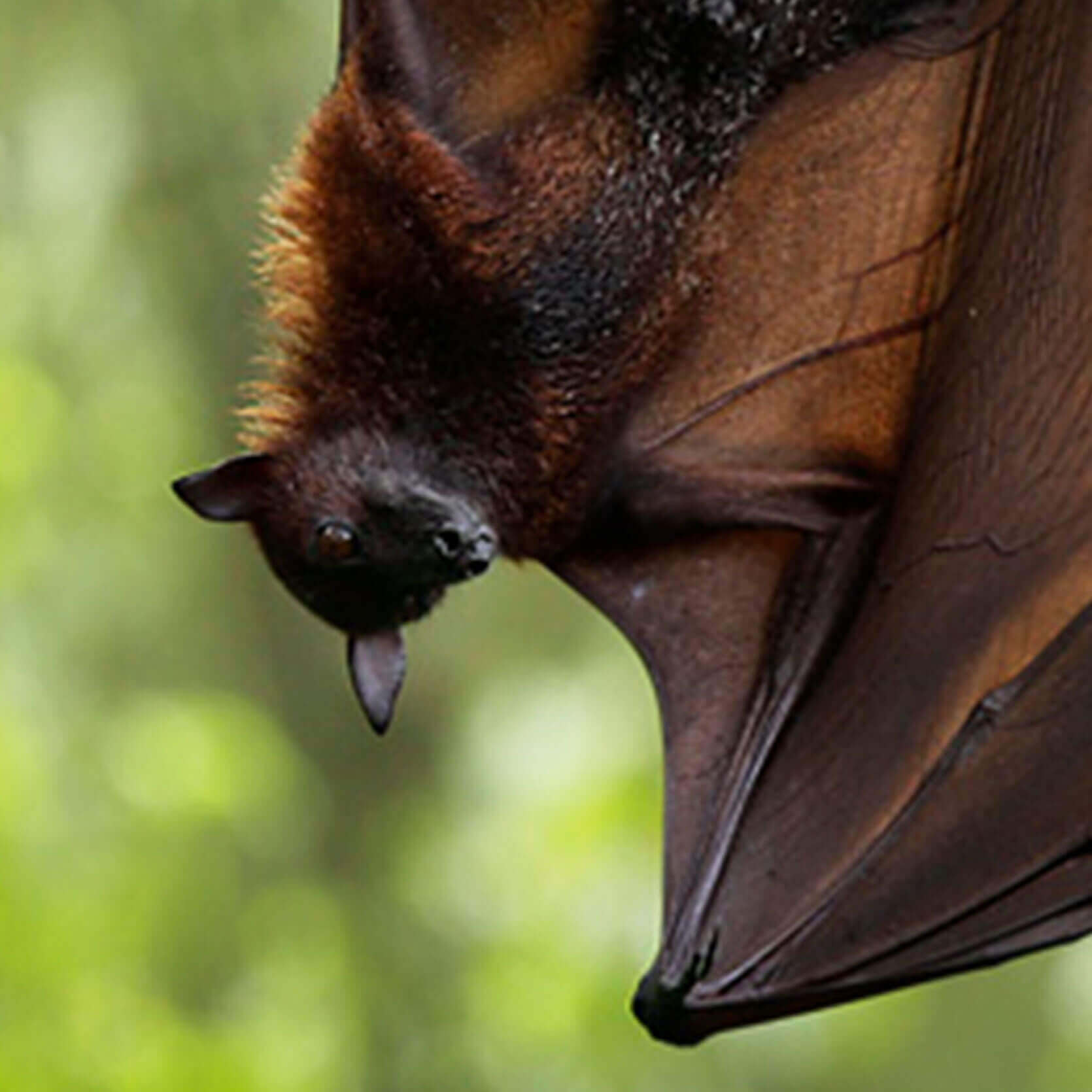
Malayan flying fox
Singapore Zoo
With a wingspan of 1.5 – 1.7m, these are some of the largest bats in the world.
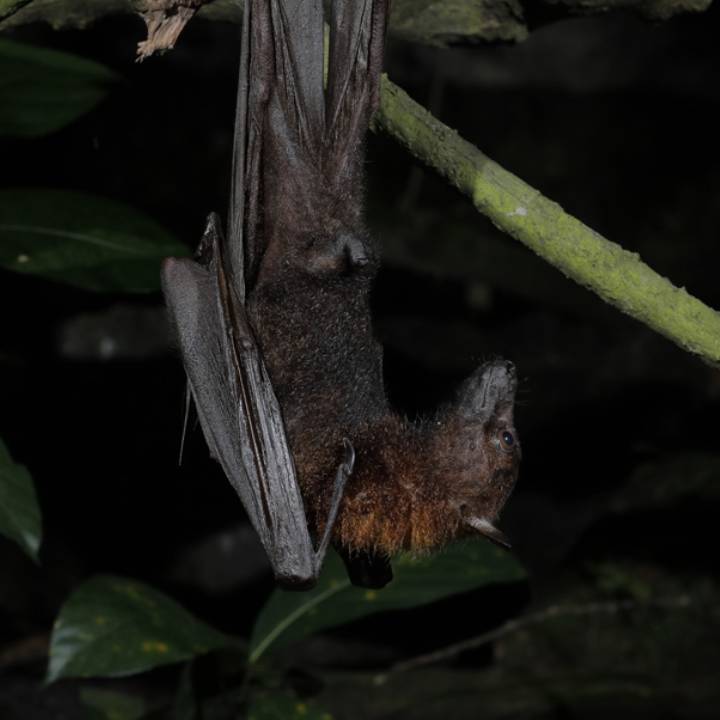
Malayan flying fox
Night Safari
When night falls, the flying foxes leave their daytime roost to feed. their keen vision and sense of smell helps them locate fruit and flowers easily.
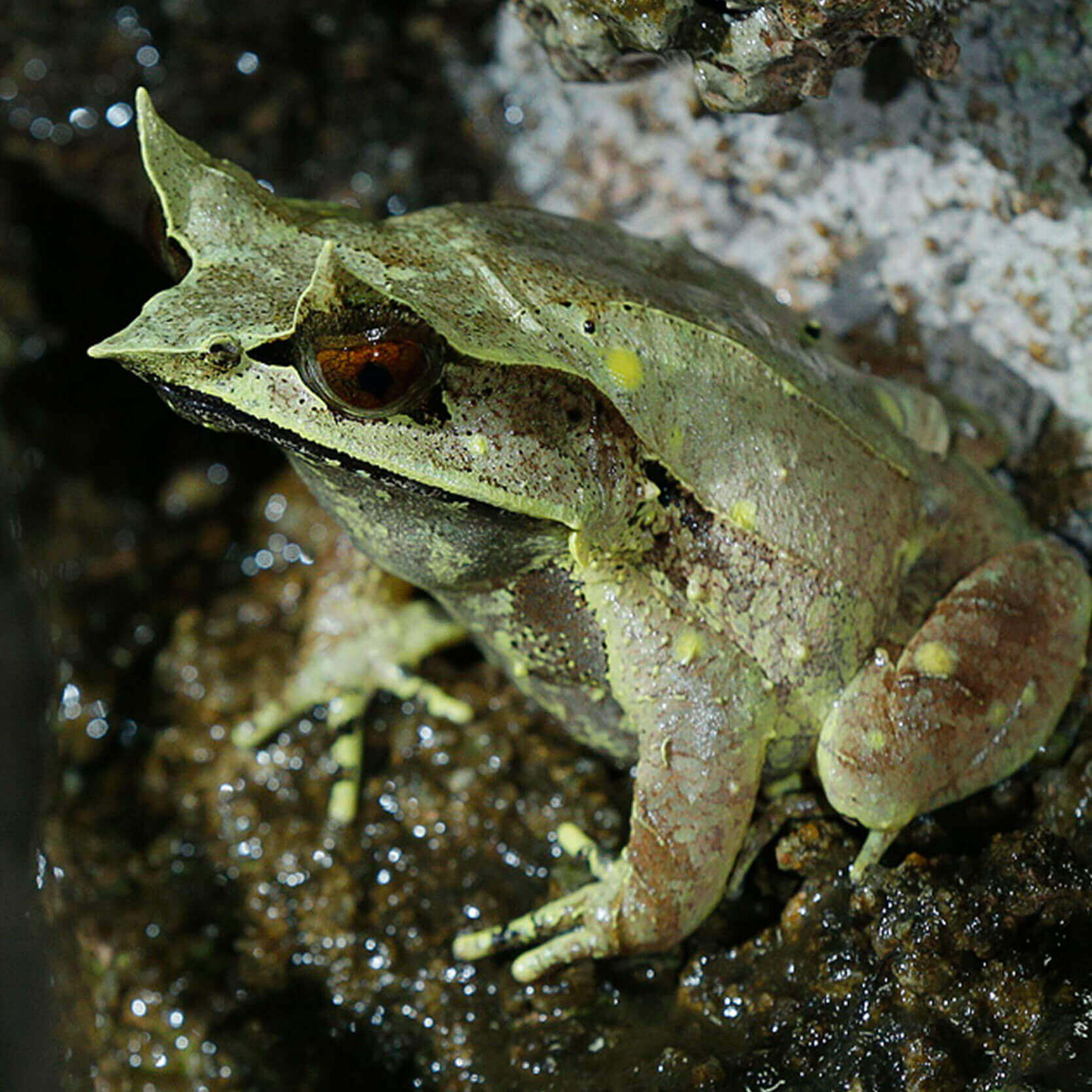
Malayan horned frog
Singapore Zoo
When threatened, they inflate their throat and let out a loud, unexpected honk that sounds like a cross between a duck and a car horn.
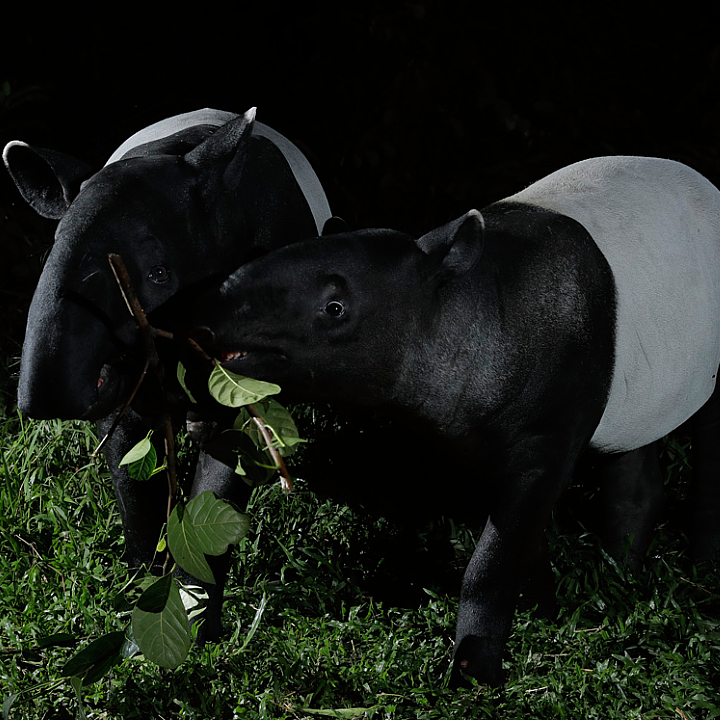
Malayan tapir
Night Safari
The Malayan tapir has a dramatic coat pattern, often referred to as the "saddle" pattern because of its position and shape.
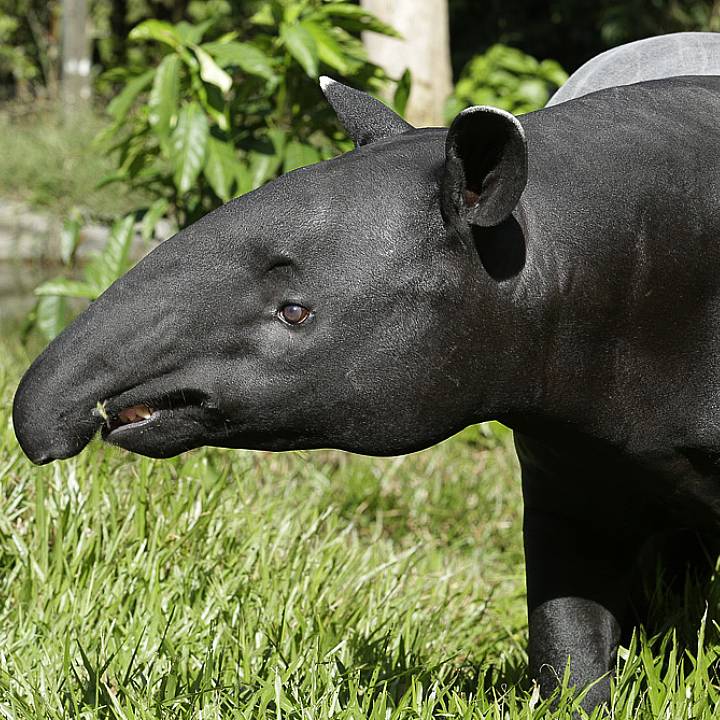
Malayan tapir
Rainforest Wild Adventure WEST
Despite their shape, they can run through dense forest vegetation, climb steep slopes on riverbanks, and swim with great finesse!
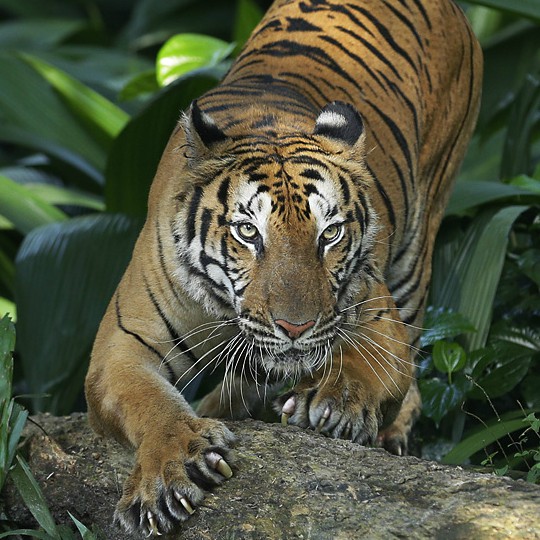
Malayan tiger
Singapore Zoo
Tigers are at the apex of the food chain. These solitary hunters can handle animal prey up to a ton in weight.
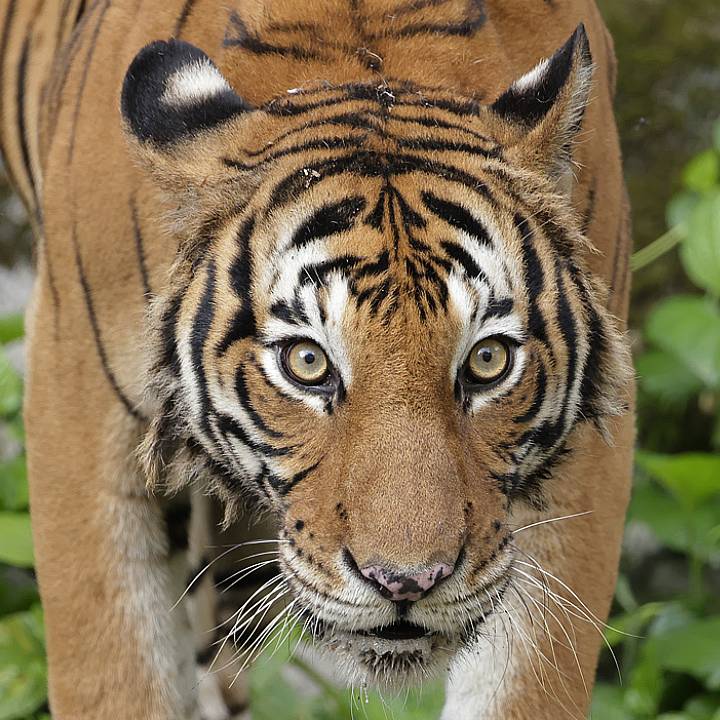
Malayan tiger
Rainforest Wild Adventure WEST
These big cats are expert swimmers and hunters, having been recorded venturing from water up to 2km above sea level!
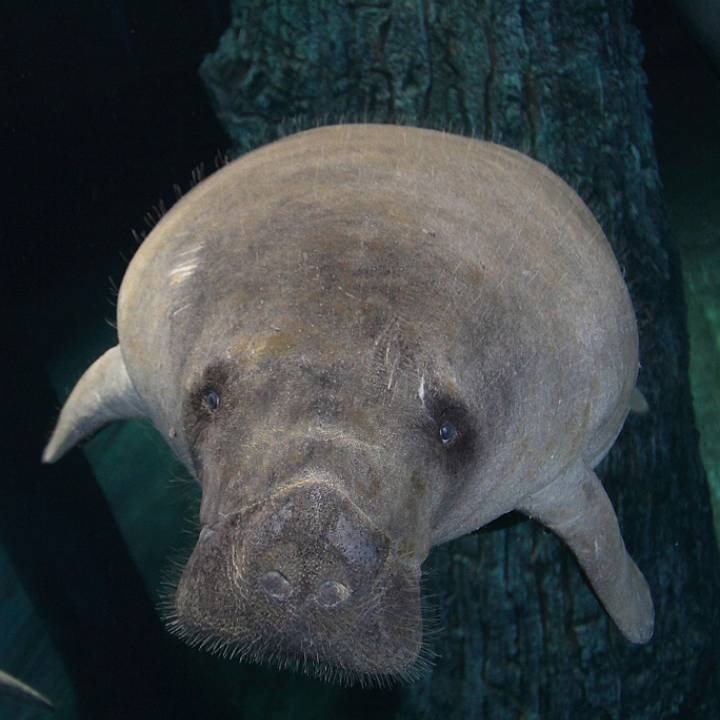
Manatee
River Wonders
Manatees and their dugong cousins are the only aquatic mammals to feed solely on plants.
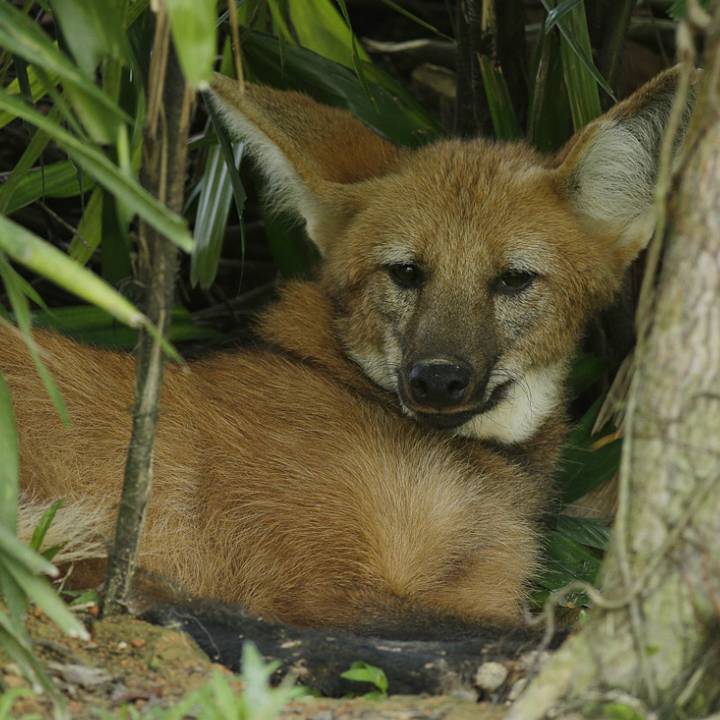
Maned wolf
Night Safari
Despite its name, it is neither fox nor true wolf. In fact, it is the only member of its genus, Chrysocyon! Instead of howling, they bark or roar to let their mate know where they are.
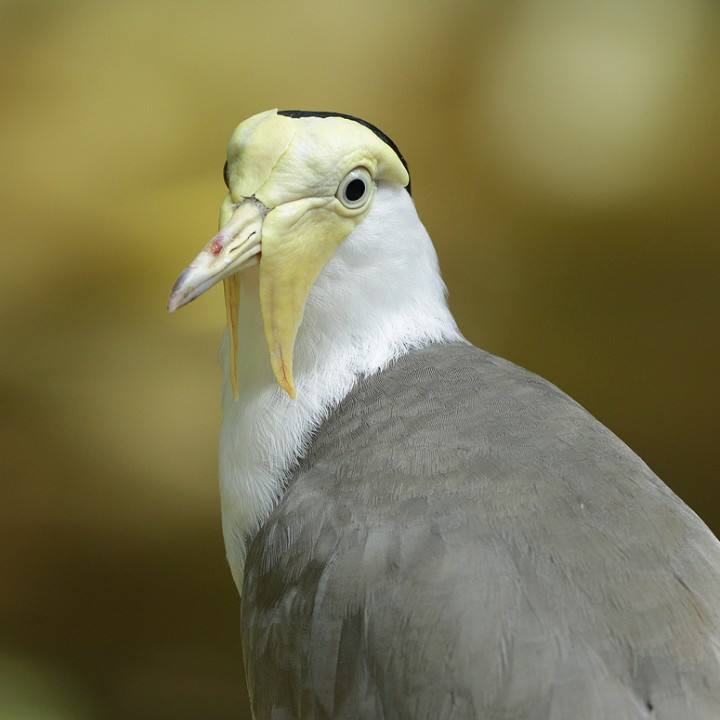
Masked lapwing
Bird Paradise
Natives call the masked lapwing the ‘spear-carrying bird’ due to the sharp yellow spurs on its wings.
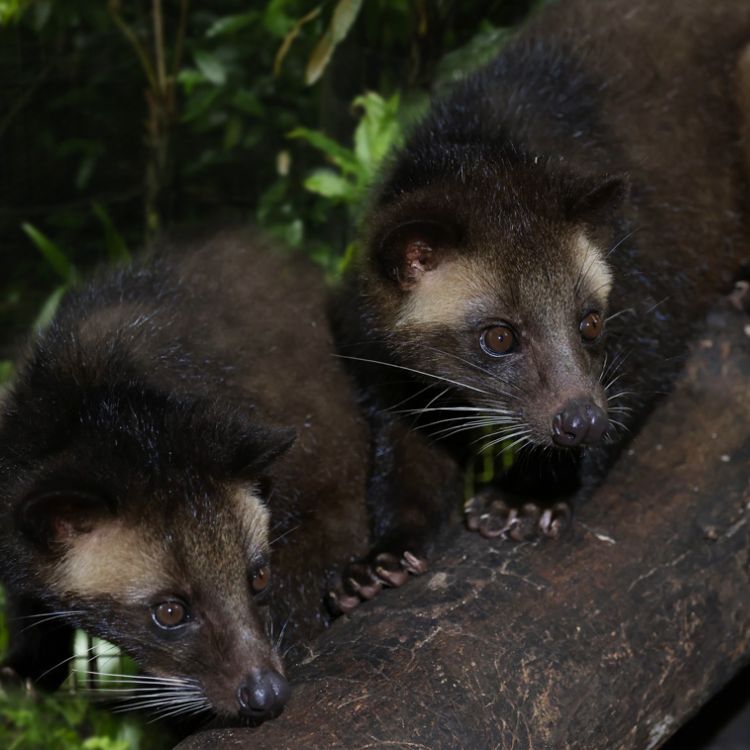
Masked Palm Civet
Night Safari
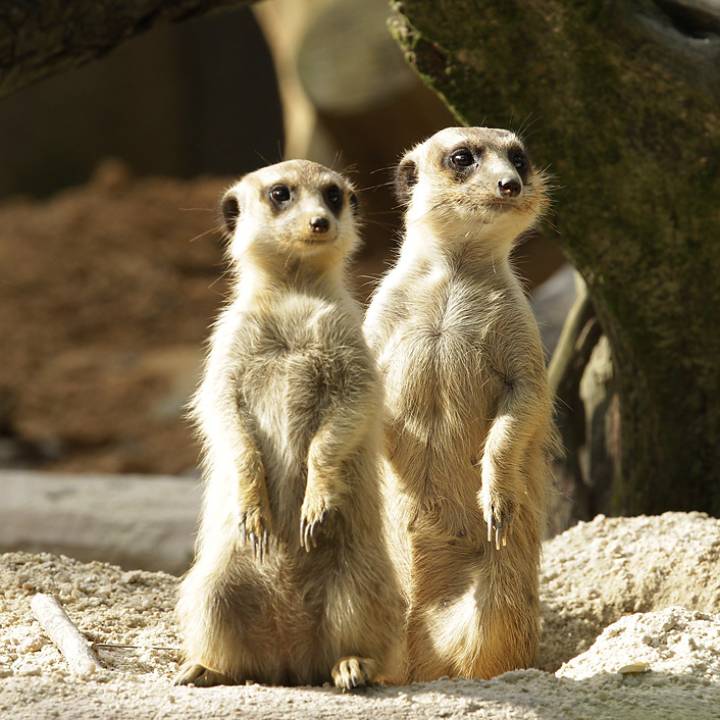
Meerkat
Singapore Zoo
Despite their small size, meerkats are surprisingly brave. When facing danger, they'll stand tall and hiss together, creating a formidable front to deter predators.

Mekong giant catfish
River Wonders
Growing up to 3.2m long with a weight of almost 300kg, this large fellow is one of the world's largest freshwater fish.
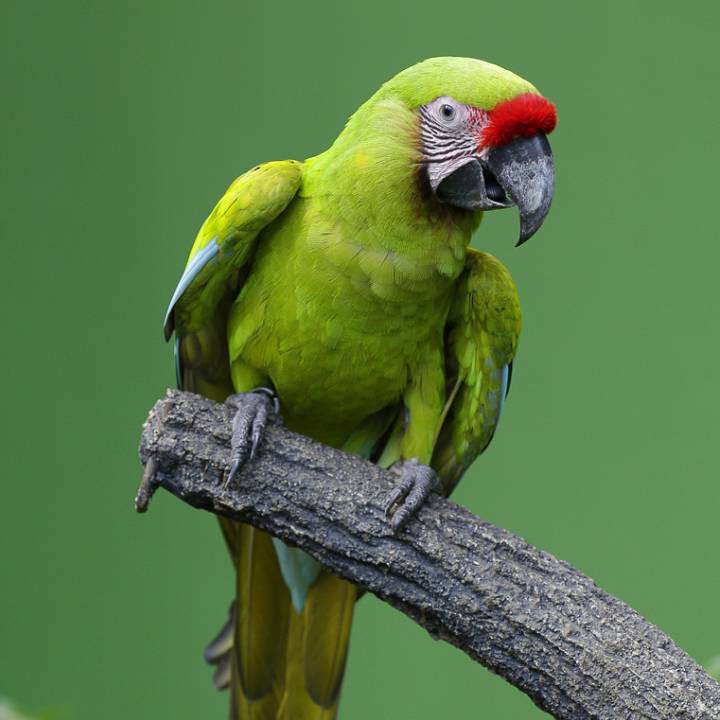
Military macaw
Bird Paradise
The military macaw’s curious name is inspired by the green hue of its feathers, similar to the colour of military uniforms. Ranging from Mexico to Argentina, it makes a throaty roar that carries for long distances.
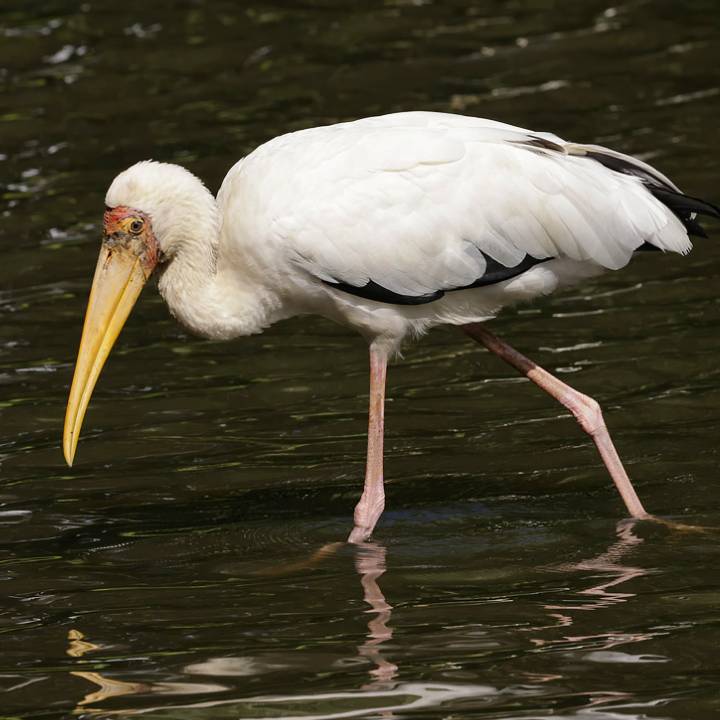
Milky stork
Bird Paradise
The Milky Stork is classified as endangered, facing significant threats primarily from habitat loss and degradation due to human activities.
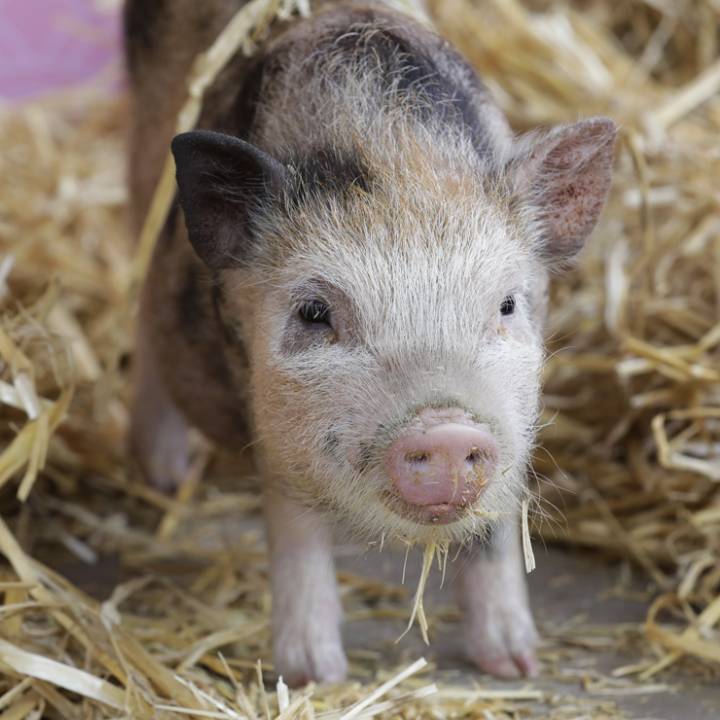
Mini pig
Singapore Zoo
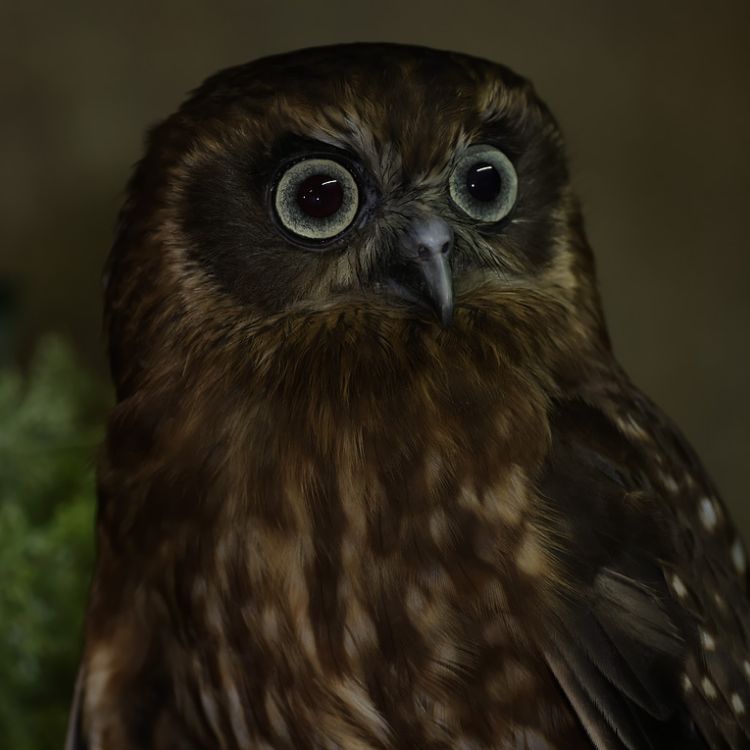
Morepork owl
Night Safari
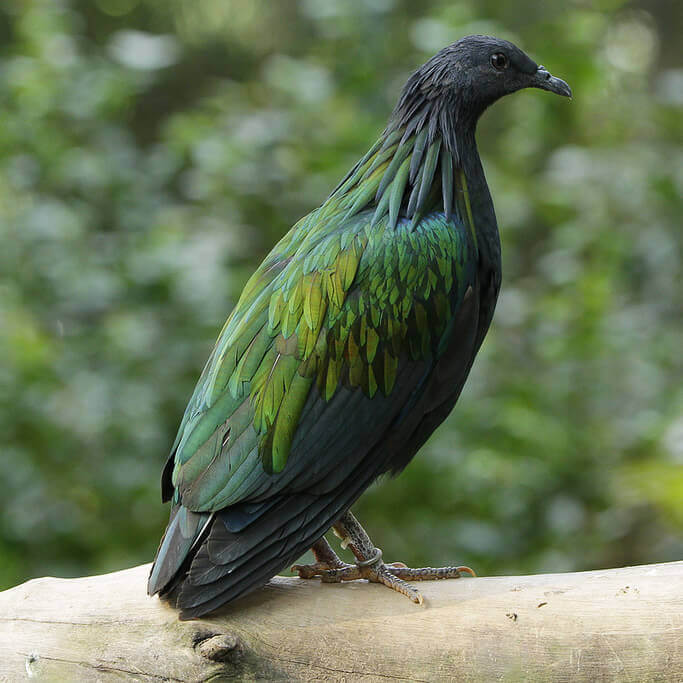
Nicobar pigeon
Singapore Zoo
Unlike its common city cousins, the Nicobar pigeon boasts feathers that shimmer with metallic green, copper, and bronze hues. This iridescence makes them resemble living jewels fluttering through the forest.
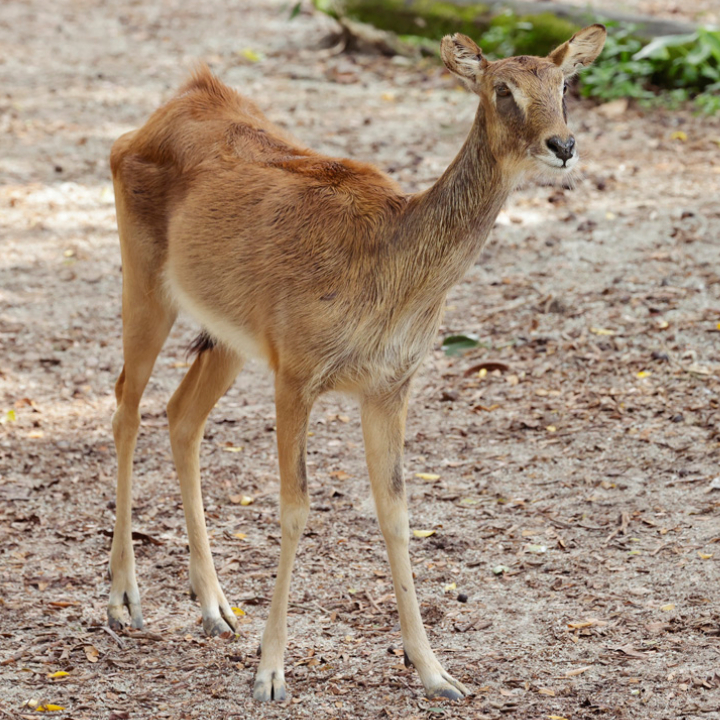
Nile Lechwe
Rainforest Wild Adventure EAST
Adapted to seasonal flooding, these aquatic antelope are excellent swimmers, with long, slender hooves that help them move easily through swampy, muddy habitats.
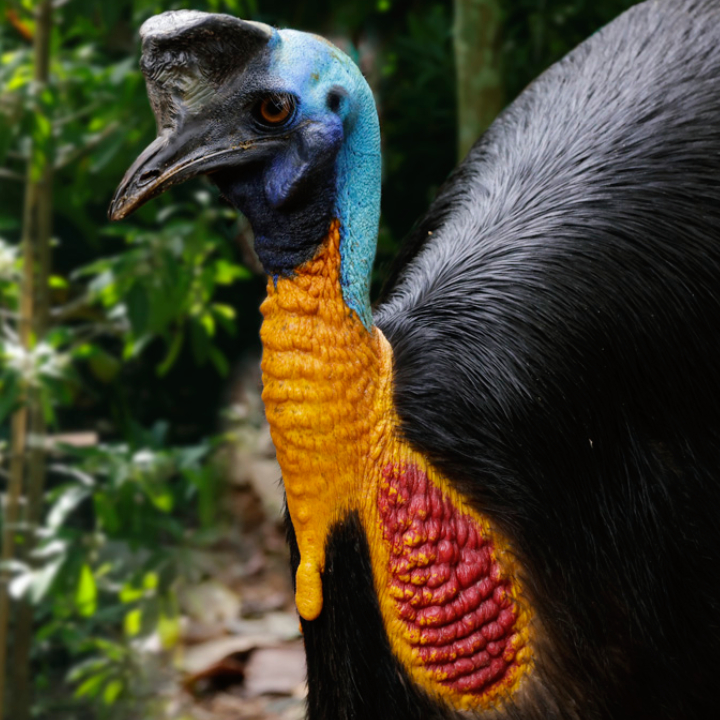
Northern Cassowary
Bird Paradise
The northern cassowary, the world's fourth largest bird, is incredibly agile, able to run 50 kilometers (30 miles) per hour through dense undergrowth, leap 2 meters (7 ft) into the air, and even swim.
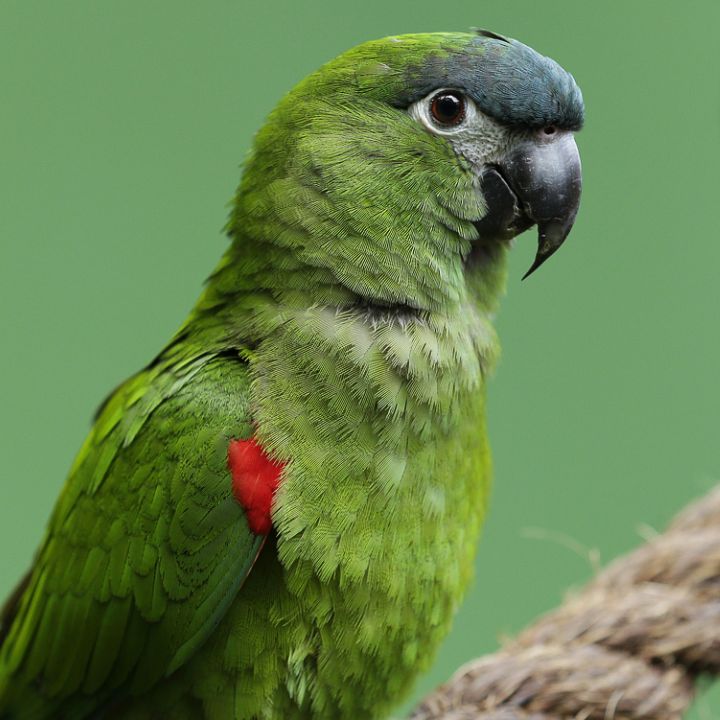
Northern red-shouldered macaw
Bird Paradise
Like other parrots, the northern red-shouldered macaw moves around in flocks, seeking out seeds, fruits, and flowers. These gregarious birds are also known to raid crops and rice fields.
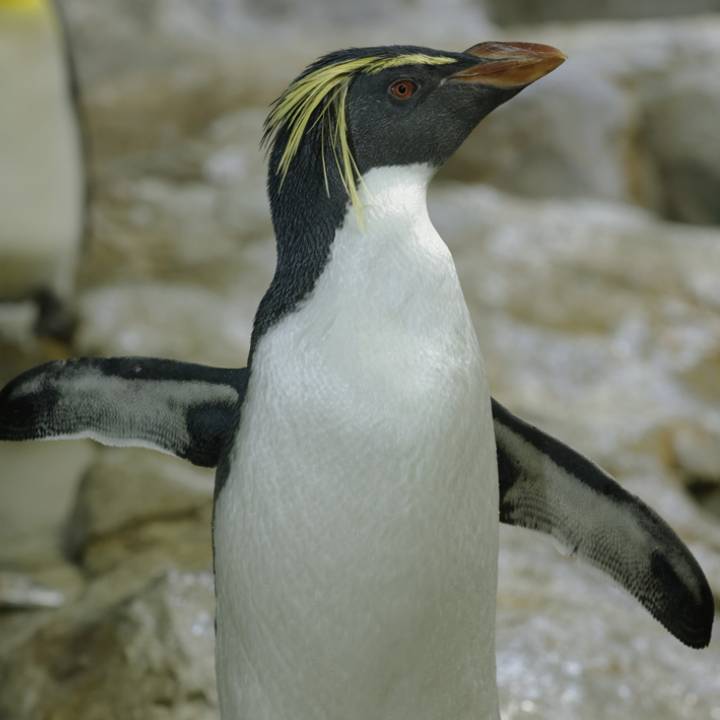
Northern rockhopper penguin
Bird Paradise
Rockhopper penguins are so named because of their ability to hop over rocks and boulders, sometimes reaching heights of up to 1.8m.
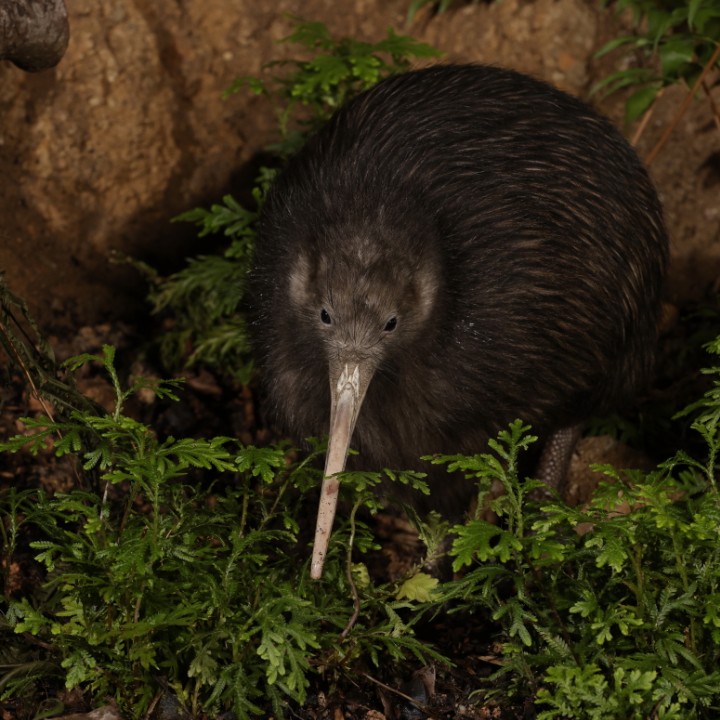
North island brown kiwi
Night Safari
The female kiwi produces the largest egg for its body size - the giant egg can weigh up to 25% of her body weight.
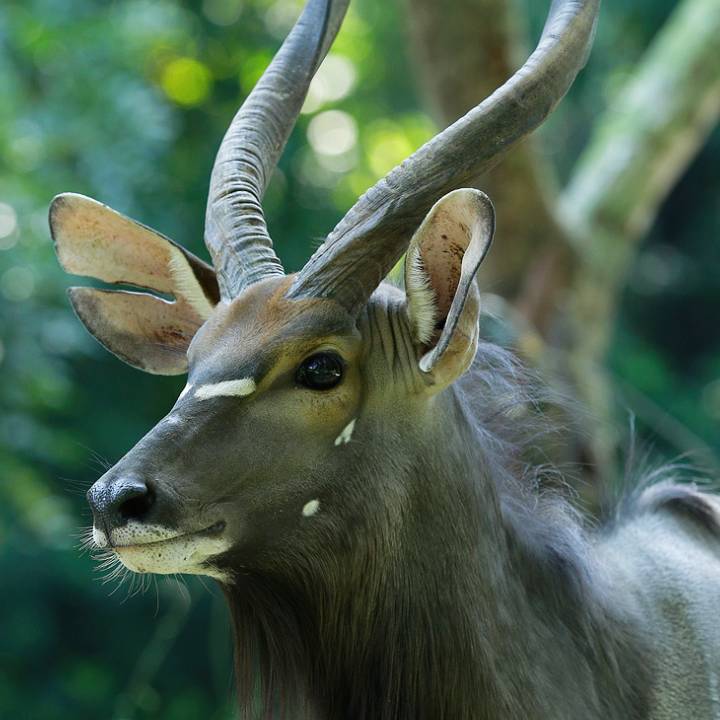
Nyala
Rainforest Wild Adventure EAST
Shy, medium-sized spiral-horned antelope from southeastern Africa, known to feed on fruit dropped by baboons and monkeys.
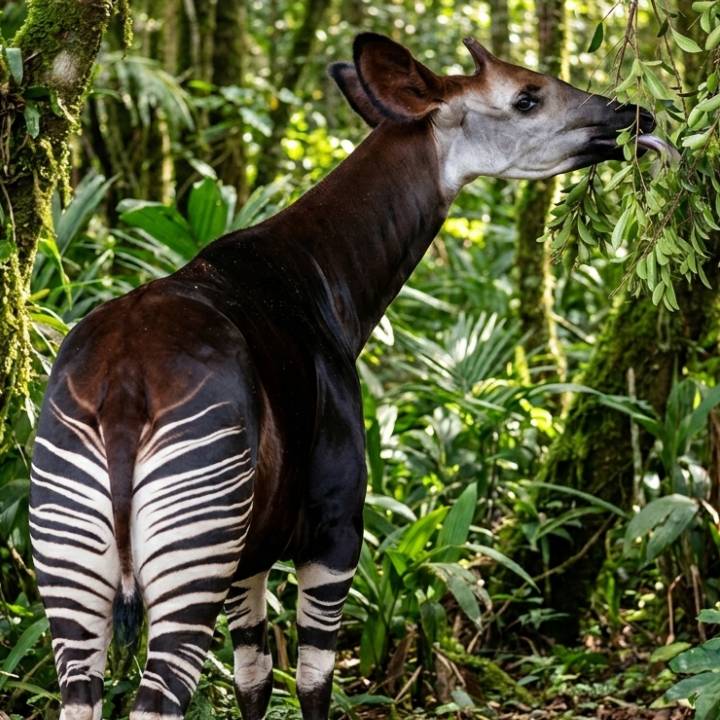
Okapi
Rainforest Wild Adventure EAST
Found only in the Democratic Republic of Congo, it is the only living relative of the giraffe, and has a long, dark tongue that can reach its eyes and ears!
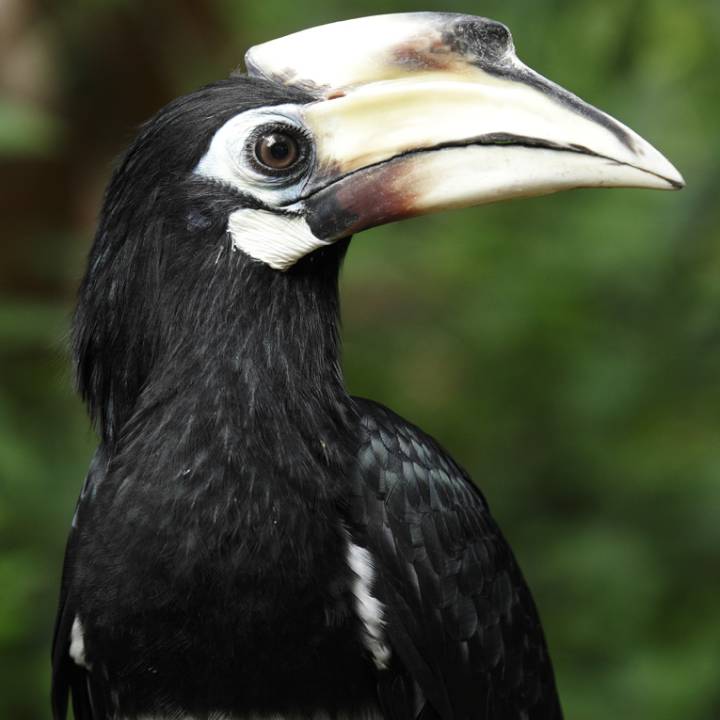
Oriental pied hornbill
Bird Paradise
Hornbills usually pair for life but for both Stumpy and her current partner, it is love at second sight. Stumpy was one of a pair previously released to the wild. The pair were often seen flying together but one day the male disappeared.
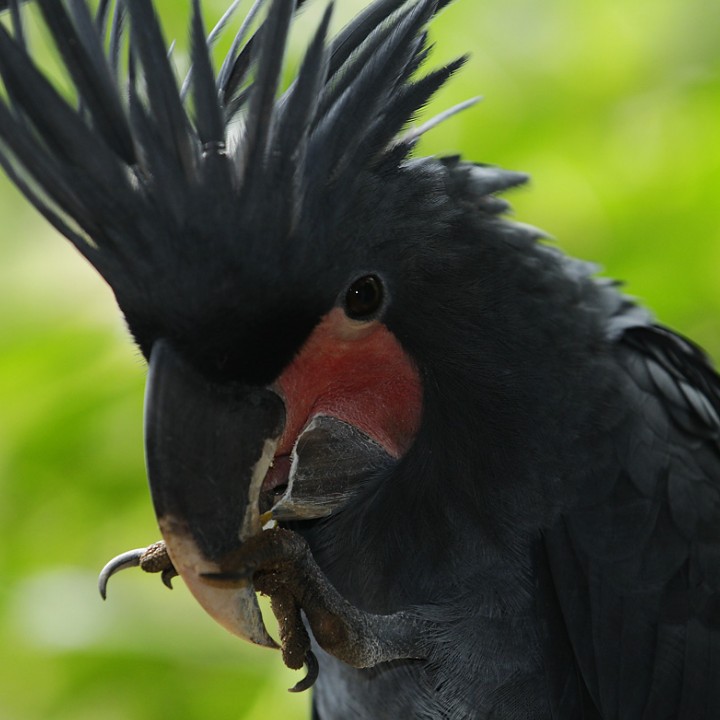
Palm cockatoo
Bird Paradise
The palm cockatoo is the world’s largest cockatoo. Its distinctive cheek patch of bare skin flushes from pink to bright red when the bird is alarmed or excited.
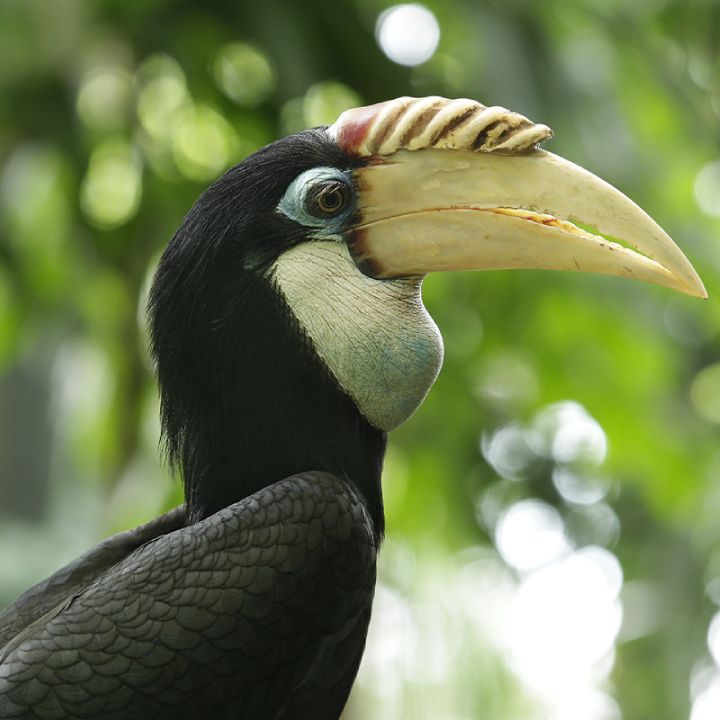
Papuan hornbill
Bird Paradise
The Papuan hornbill is the only hornbill in New Guinea. Called ‘Kokomo’ in local Tok Pisin language, it is a show stealer. In flight, its wings give off a very loud whooshing sound.
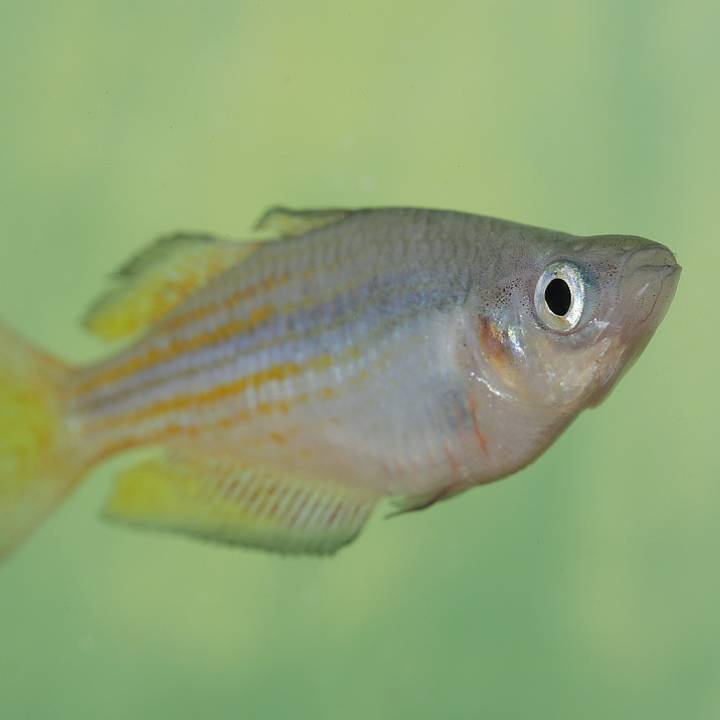
Parkinson's rainbowfish
River Wonders
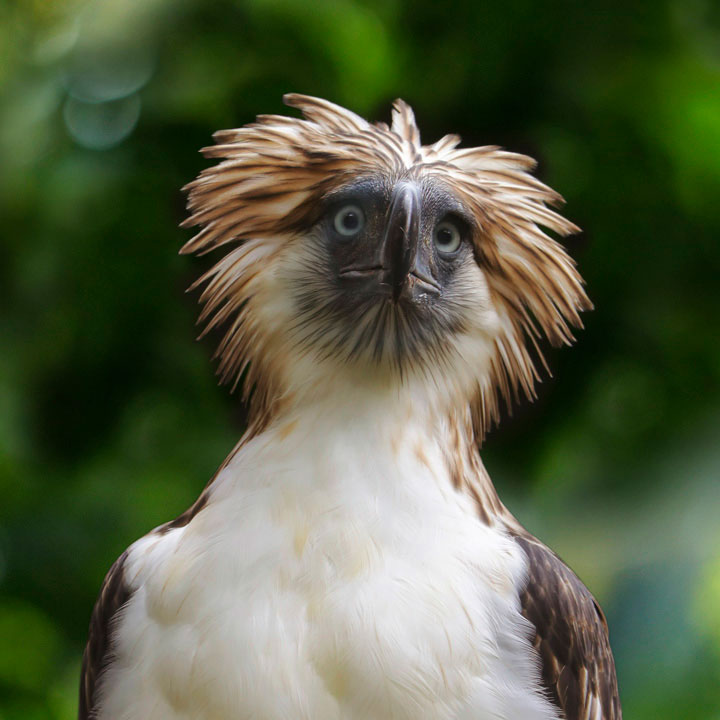
Philippine eagle
Bird Paradise
With its one-metre height, the Philippine eagle is the tallest of eagles. It tips the scales at a maximum of eight kilogrammes, which makes it one of the largest eagles in the world.
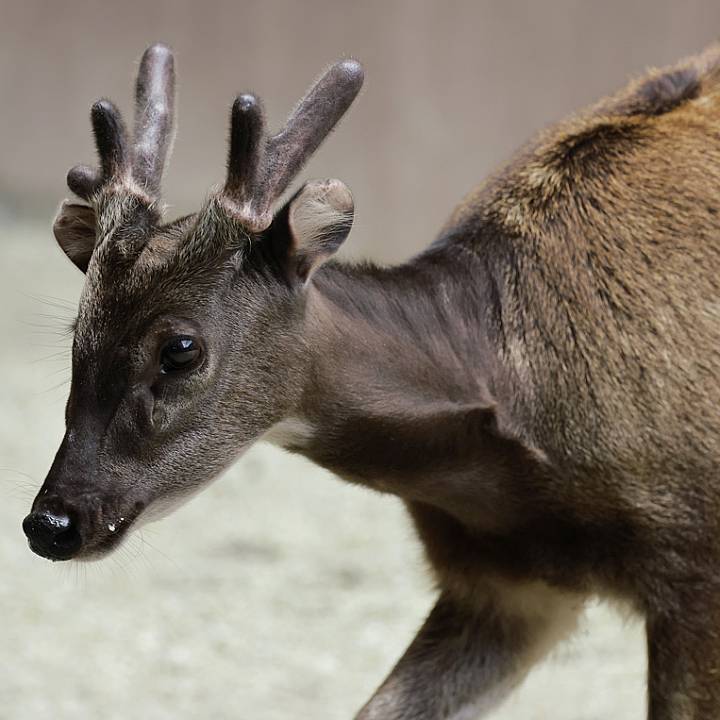
Philippine spotted deer
Rainforest Wild Adventure WEST
We support their conservation with species repopulation, habitat assessment and protection, and community outreach.
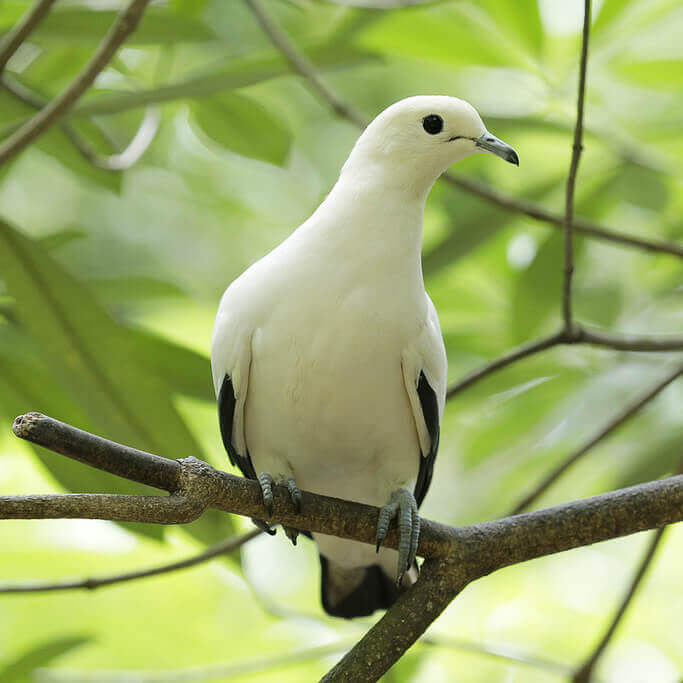
Pied imperial pigeon
Singapore Zoo
As the name suggests, they boast a beautiful "pied" pattern, with a mostly white or pale cream body contrasted by striking bluish-black flight and tail feathers.
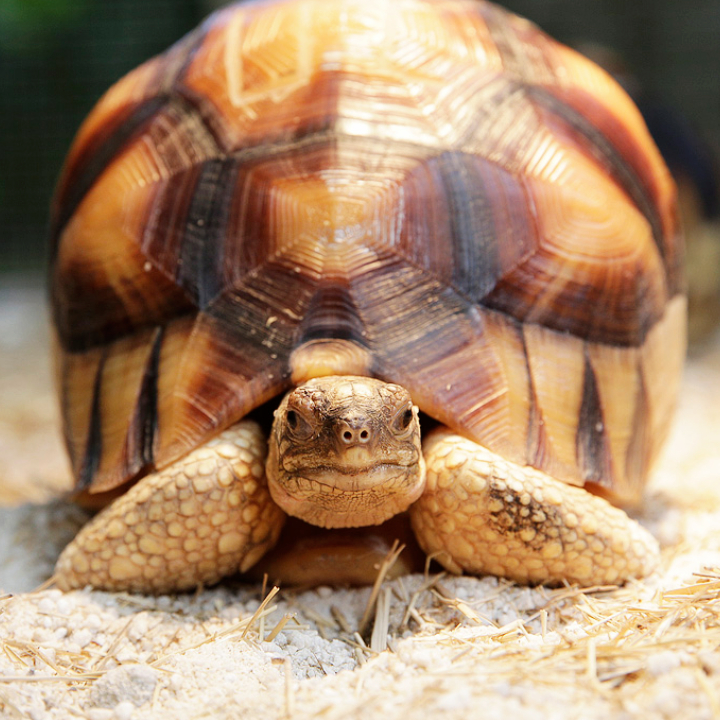
Ploughshore tortoise
Singapore Zoo
Males use their plough-shaped shell tip to ram and flip rivals during courtship battles.
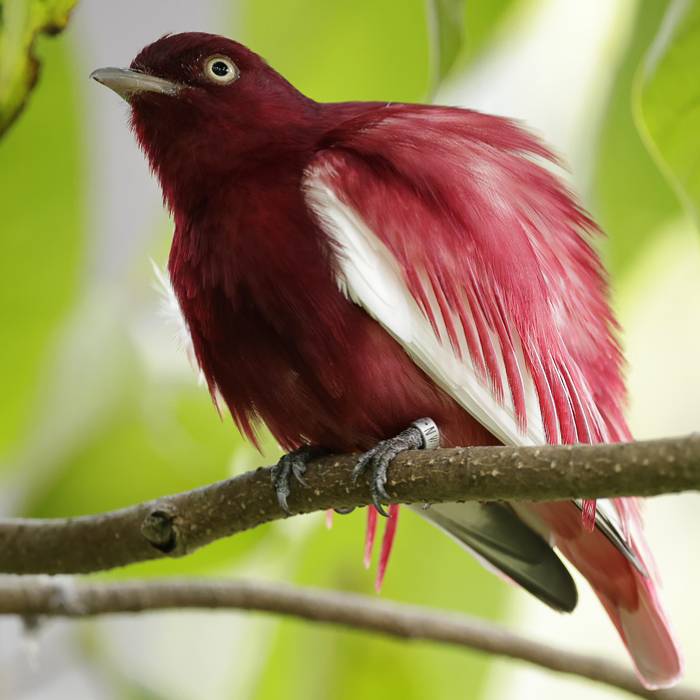
Pompadour cotinga
Bird Paradise
This cotinga showcases sexual dimorphism where the sexes take on different looks. The male has handsome burgundy feathers coloured by carotenoid pigments while the female is ashy grey.
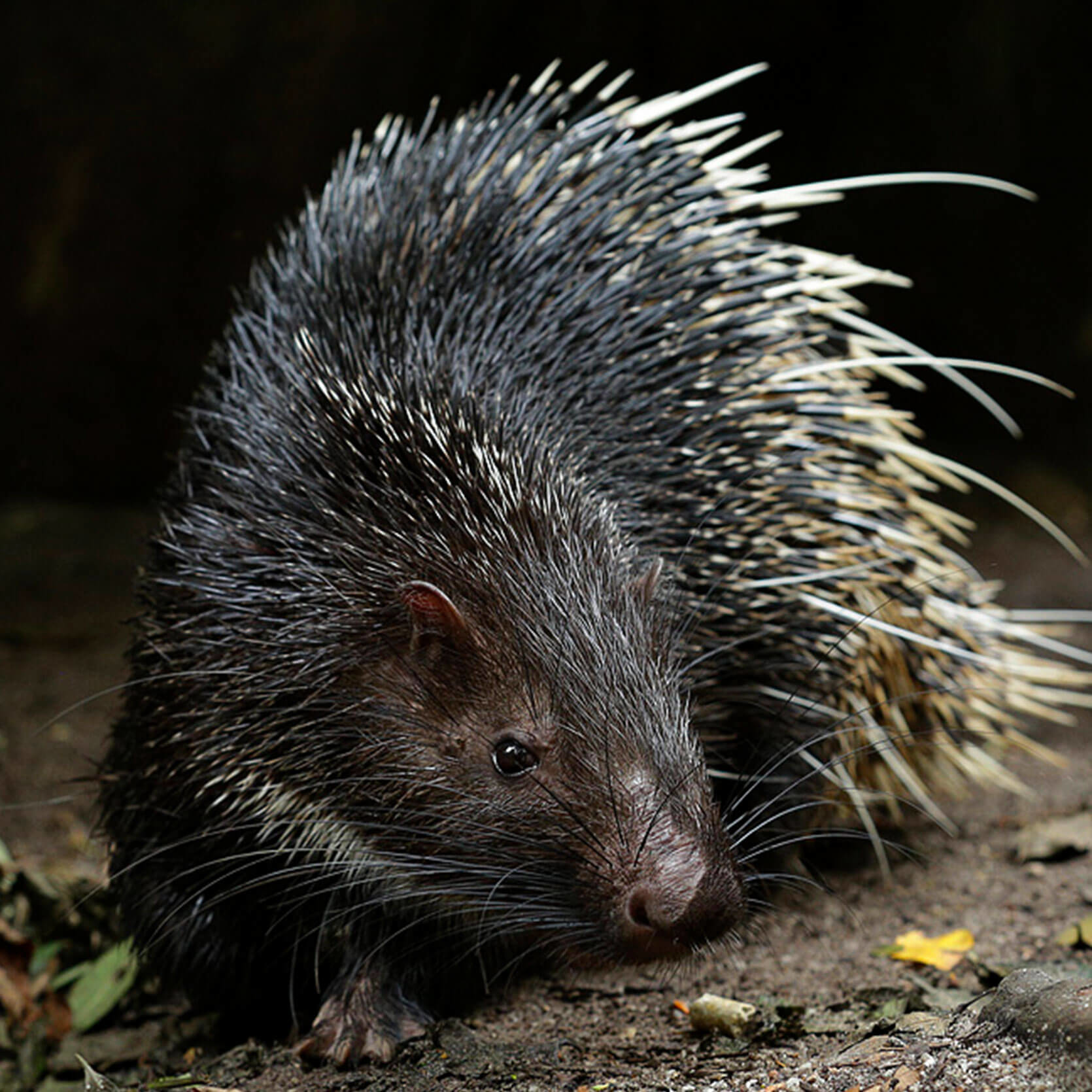
Porcupine
Night Safari
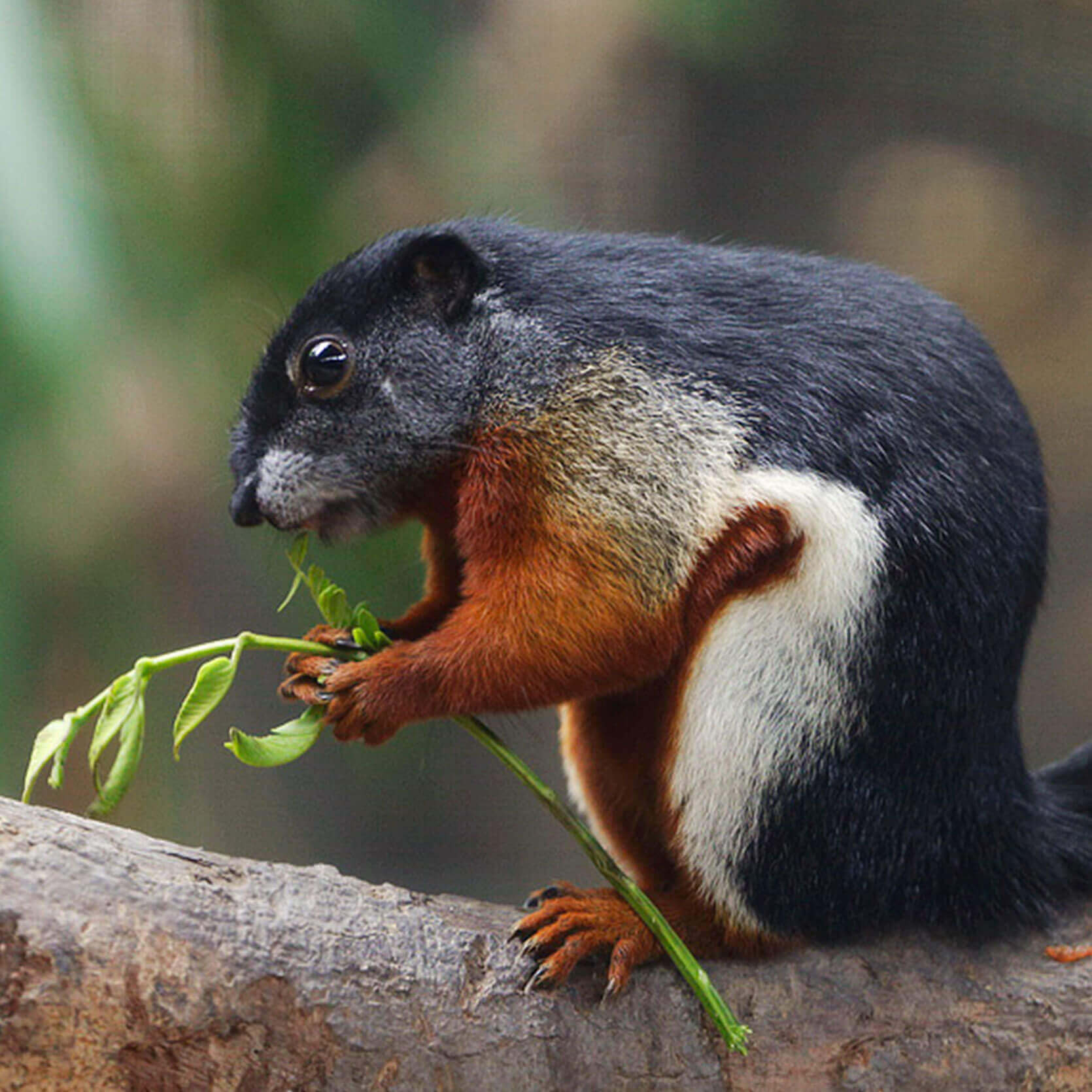
Prevost's squirrel
Singapore Zoo
Their scientific genus name, Callosciurus, actually means "beautiful squirrel," living up to their stunning orange and black coats. They're considered one of the world's most colorful squirrels!
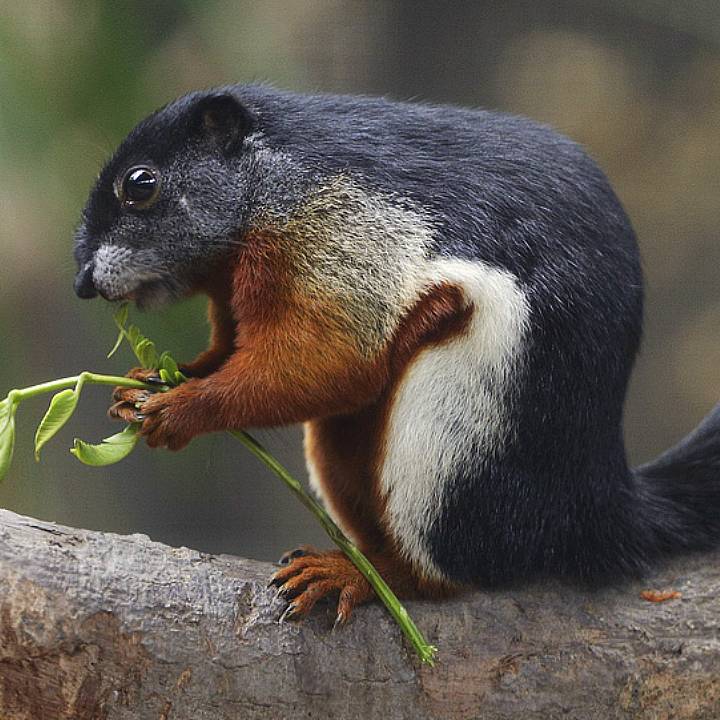
Prevost's squirrel
Rainforest Wild Adventure WEST
Their tails aid balance when running, climbing and jumping, and provide warmth when wrapped around them at night.
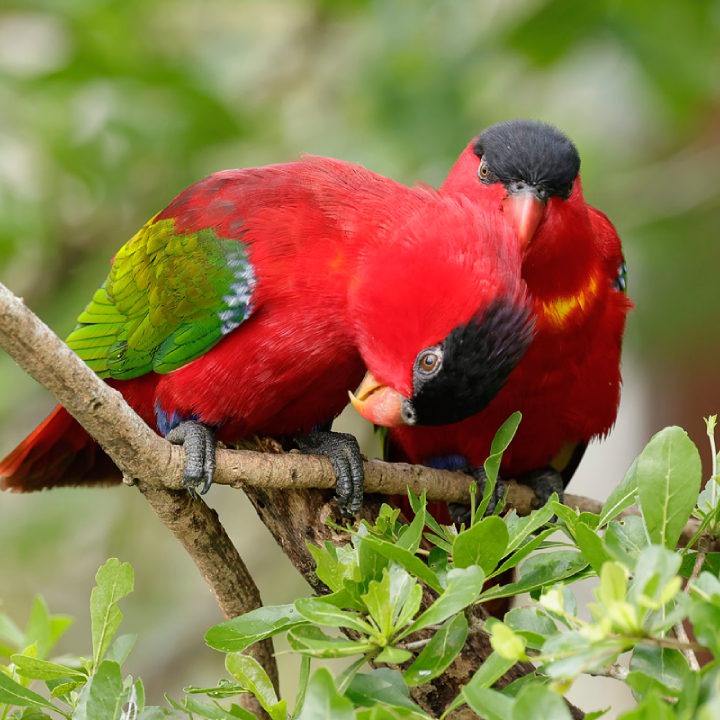
Purple-naped Lory
Bird Paradise
Endemic to the island of Seram in the vast Indonesian archipelago, the purple-naped lory is the only red parrot in its forests with green wings.
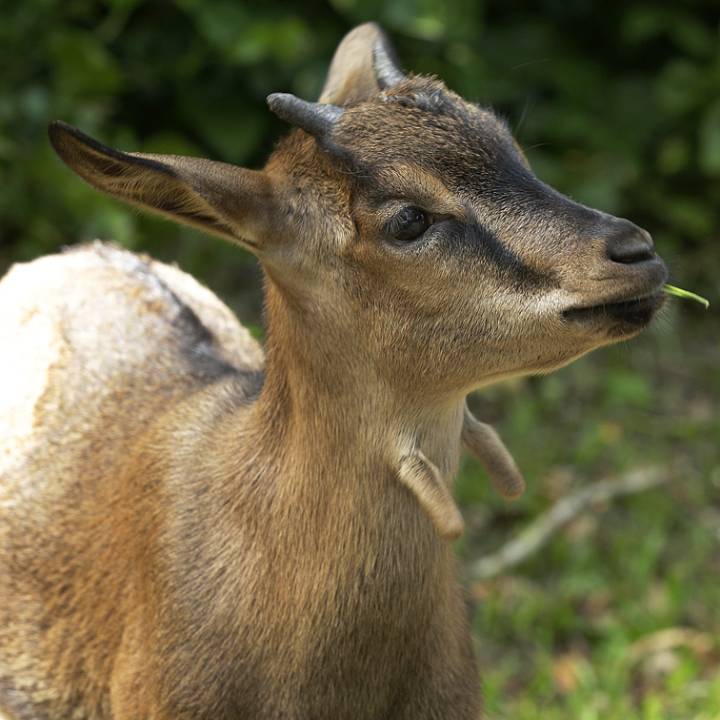
Pygmy goat
Singapore Zoo
Pygmy goats are the smallest breed of goats in the world. Fully grown, they measure 40cm from floor to shoulder, and weigh around 30kg.
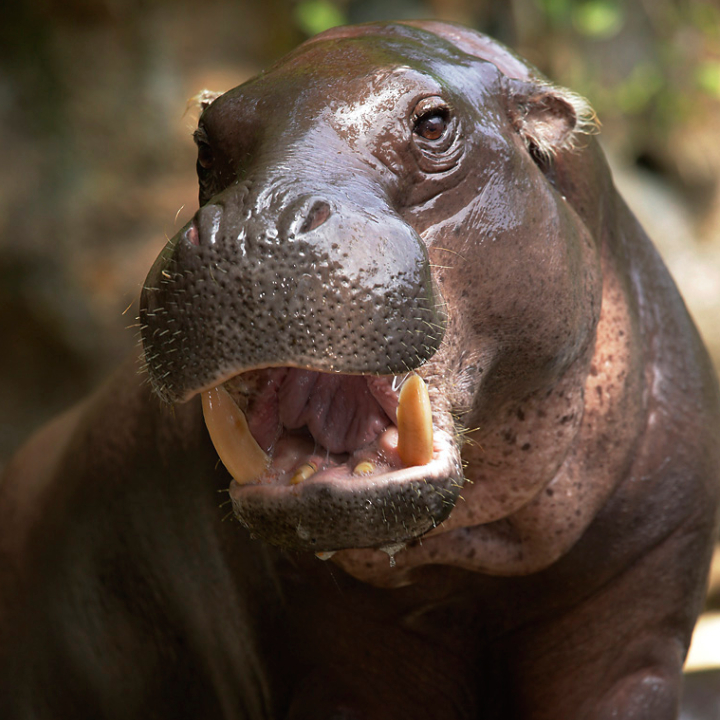
Pygmy Hippo
Rainforest Wild Adventure EAST
Endangered and solitary, they are native to West African rainforests, weighing up to 270kg - roughly a tenth the size of their more common cousins.
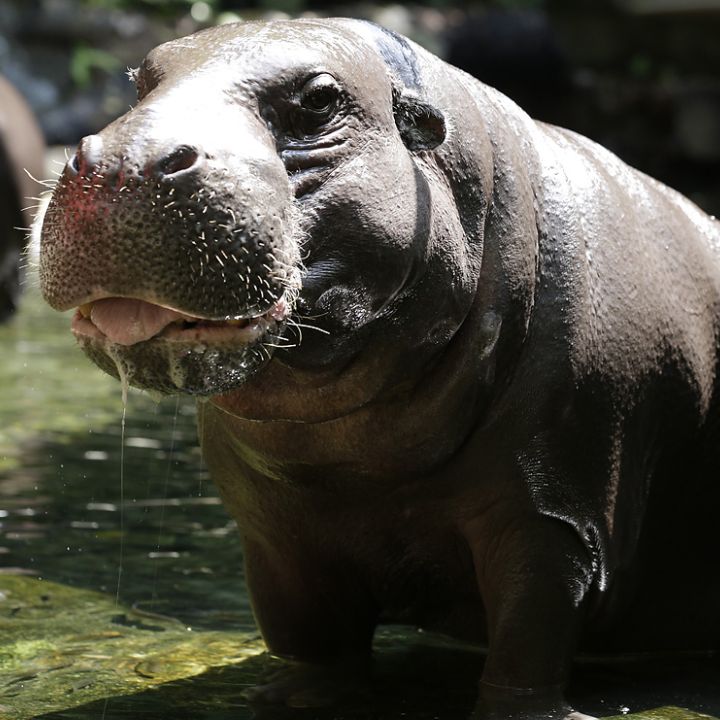
Pygmy hippo
Singapore Zoo
They are native to the forests and swamps of West Africa, primarily in Liberia, with smaller populations in neighboring countries.
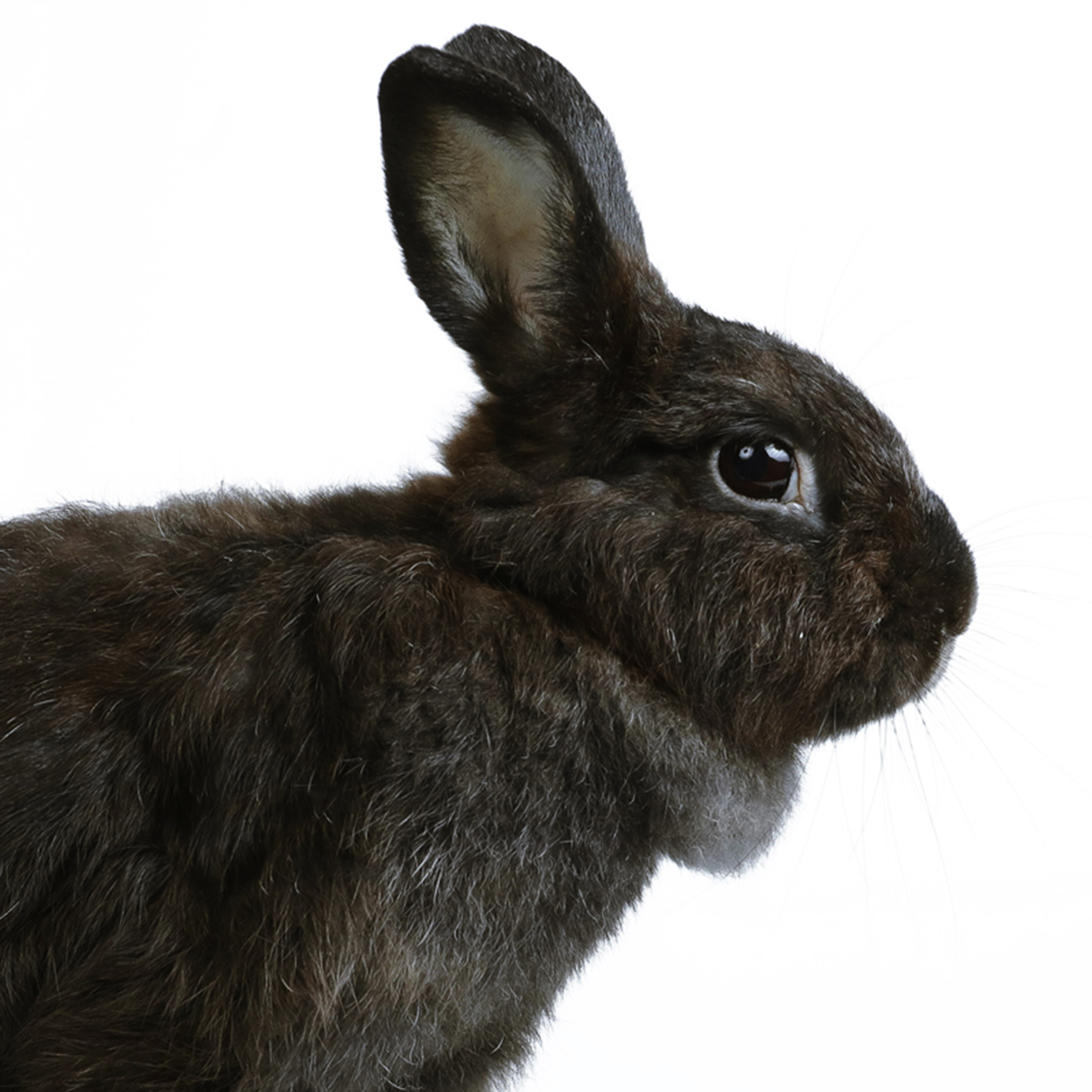
Rabbit
Singapore Zoo
Long movable ears and large eyes placed high on the head, providing near-360° vision, help rabbits detect predators from afar. Powerful hind-limbs help them make a quick getaway.
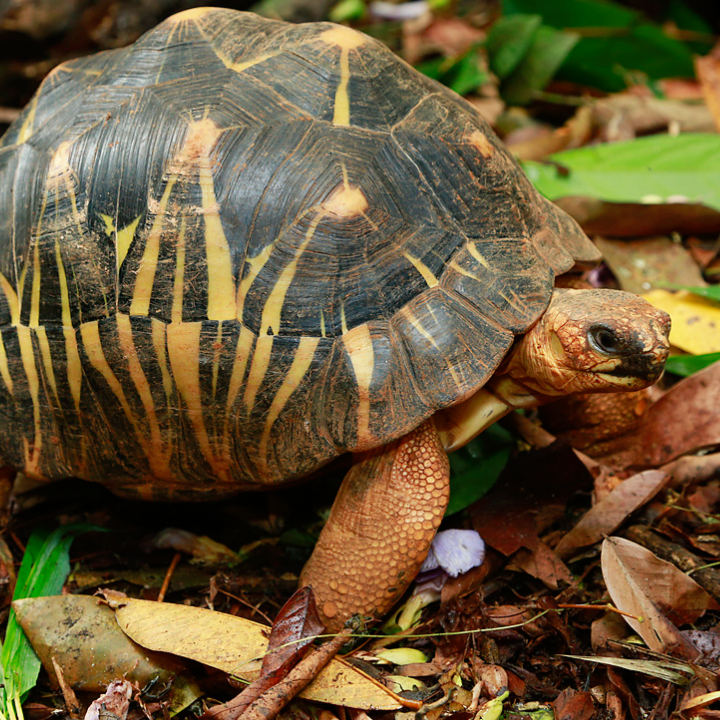
Radiated tortoise
Singapore Zoo
Its shell has fine yellow starbursts and sensitive nerves—it can feel when you touch it!
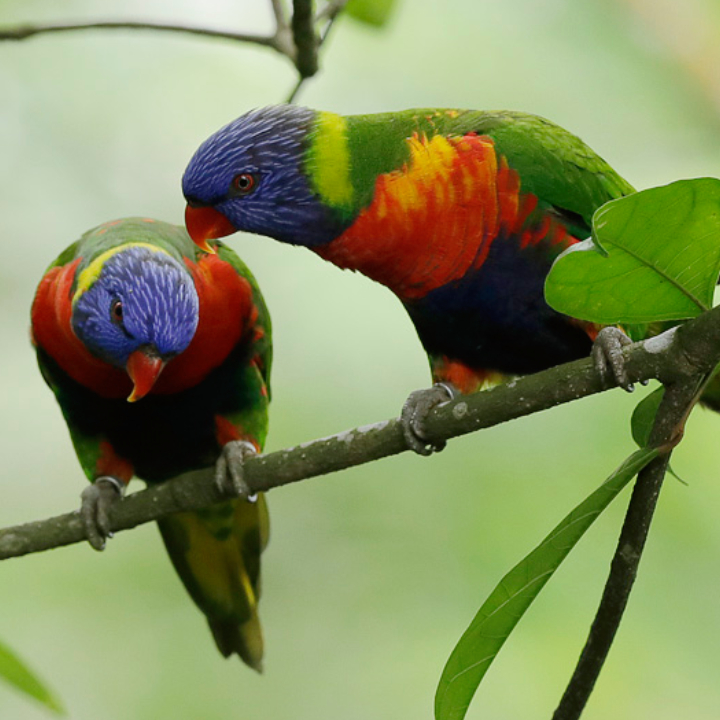
Rainbow-lorikeet
Bird Paradise
Rainbow lorikeets, found in habitats ranging from forest edges to urban areas, once had a broader range. Today, however, they are confined to Australia, with populations elsewhere now recognized as distinct species.
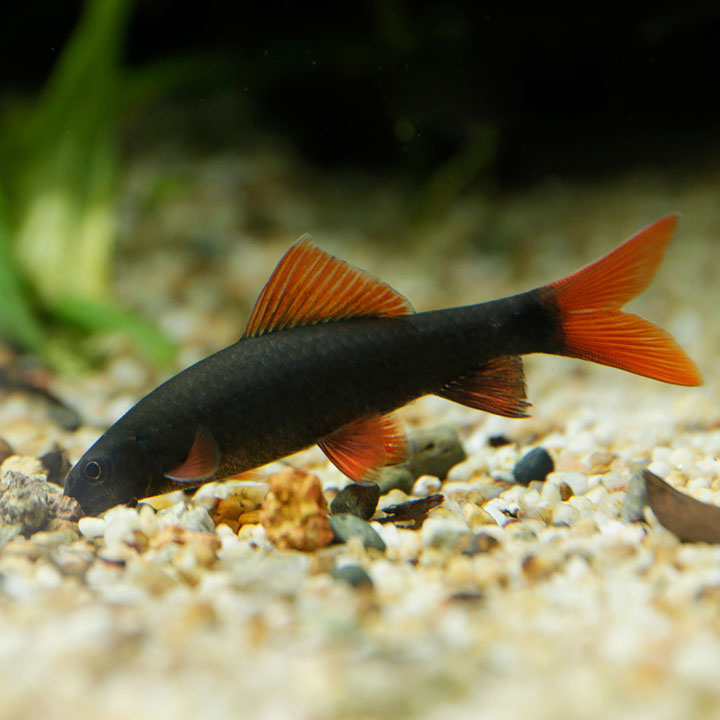
Rainbow shark
River Wonders
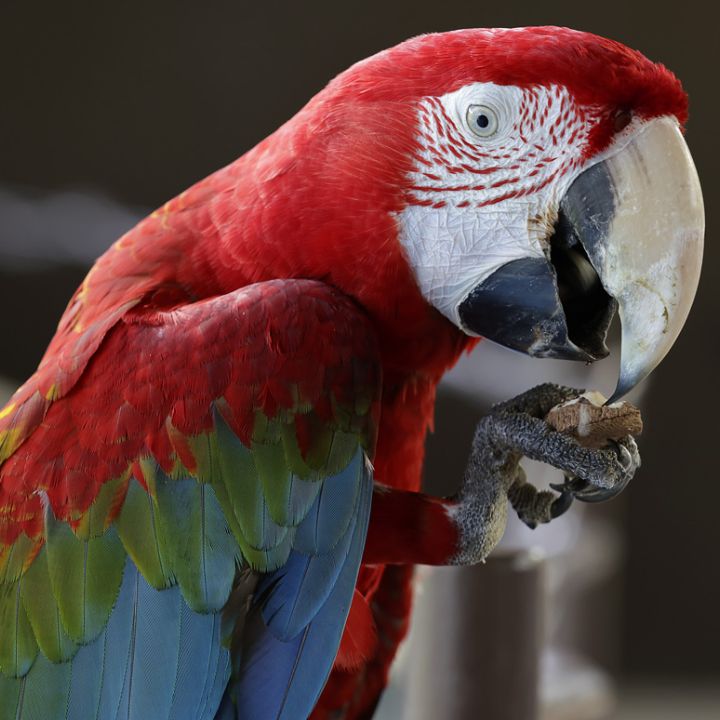
Red-and-green macaw
Bird Paradise
Widespread in Central and South America, the red-and-green macaw resembles the better-known scarlet macaw except that it has green instead of yellow wing coverts.
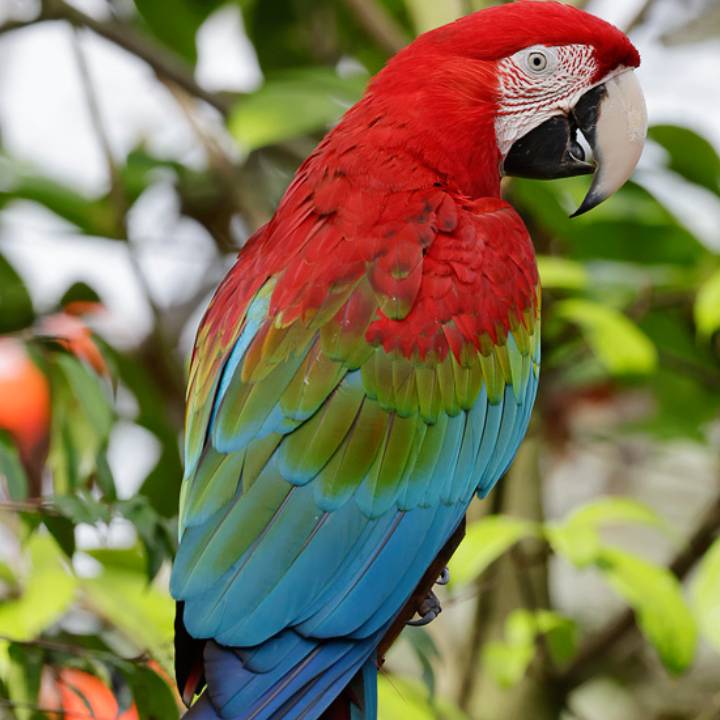
Red-and-green macaw
River Wonders
Also called the green-winged macaw, it is second in length only to the hyacinth macaw. Bonded pairs stay together for life.
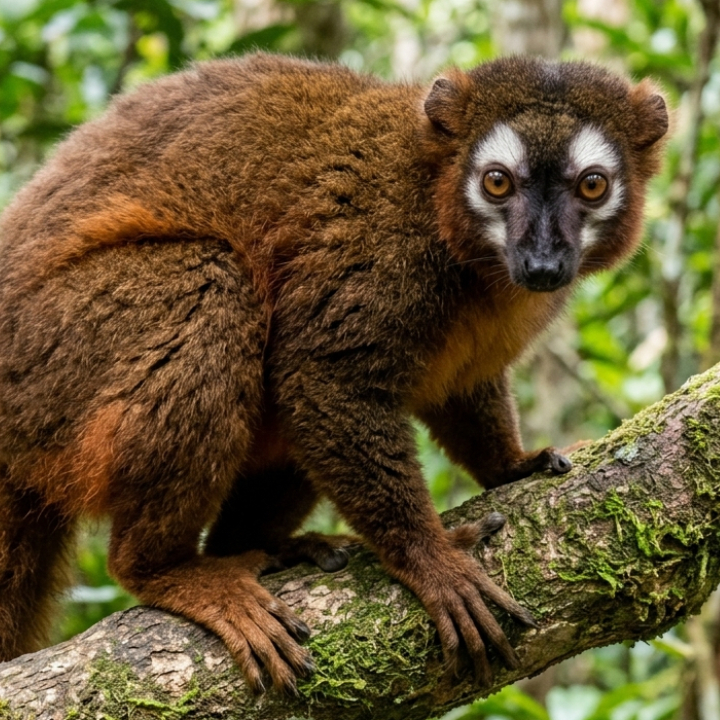
Red-bellied Lemur
Rainforest Wild Adventure EAST
Males and females are easily distinguished, as only males have a red belly while females have a white one.
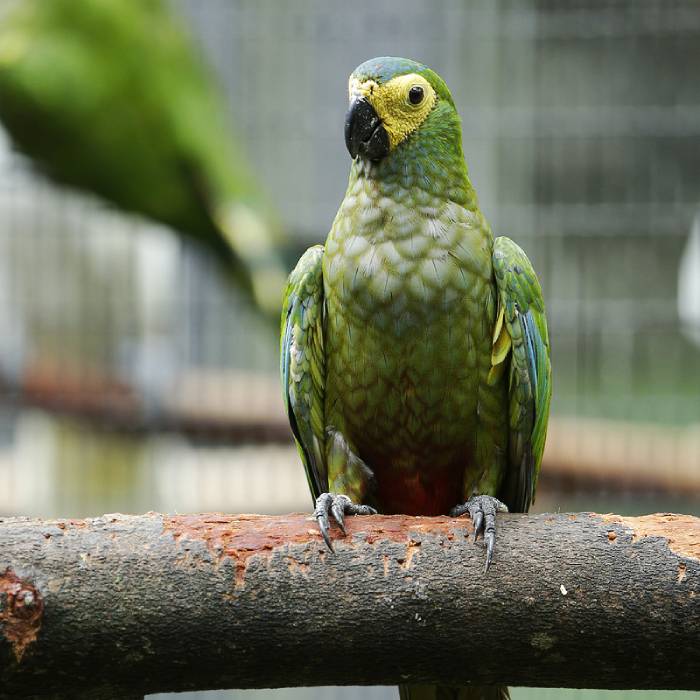
Red-bellied macaw
Bird Paradise
The red-bellied macaw of South America eats Mauritia palm fruits almost exclusively, expertly peeling away the scaly husk with its hooked bill, muscular tongue and dexterous toes.
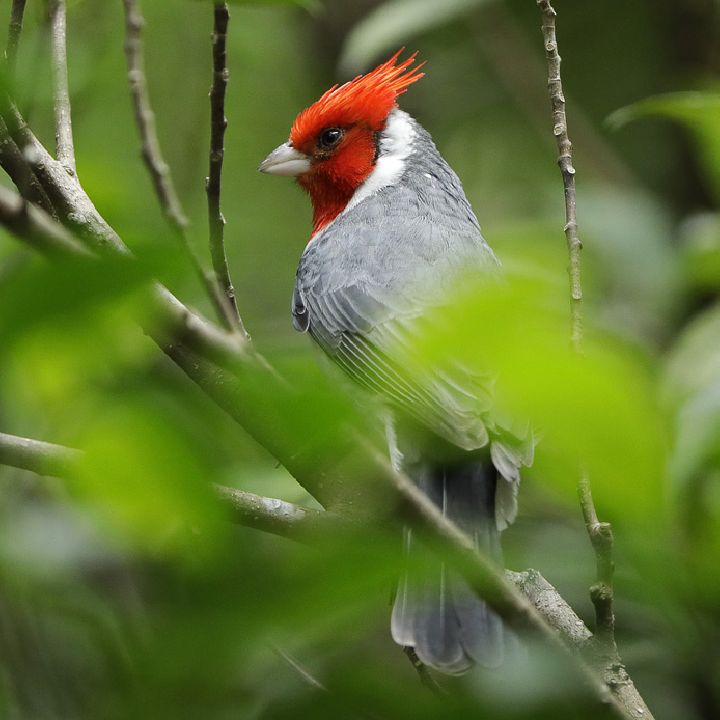
Red-crested cardinal
Bird Paradise
Hailing from South America, this cardinal forages on the ground for seeds, fruits, and insects. It is kept as a pet on account of its good looks and melodious song.
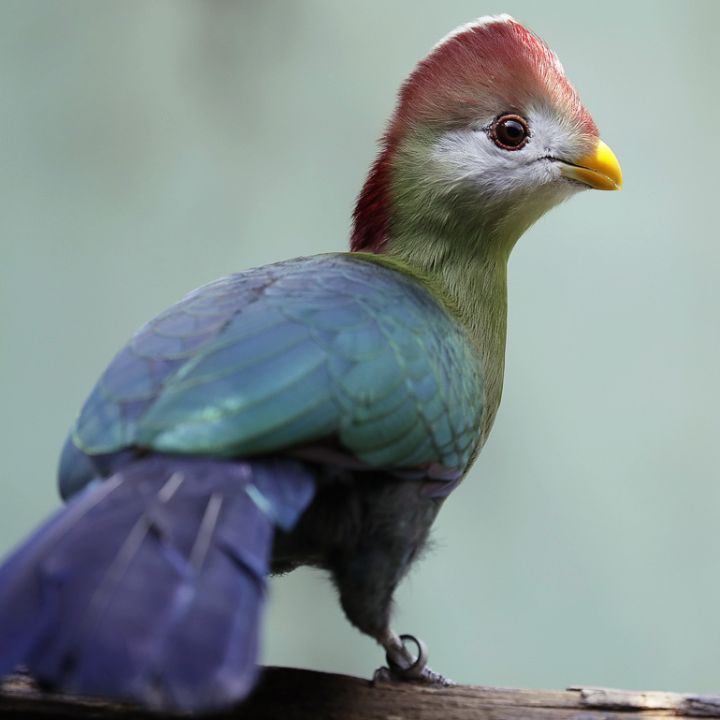
Red-crested turaco
Bird Paradise
The only family of birds that is entirely endemic to sub-Saharan Africa, the turacos are known for their punk ‘hairdos’. The feathers around their head do not have barbules, which gives a glossy appearance to their raised crest.
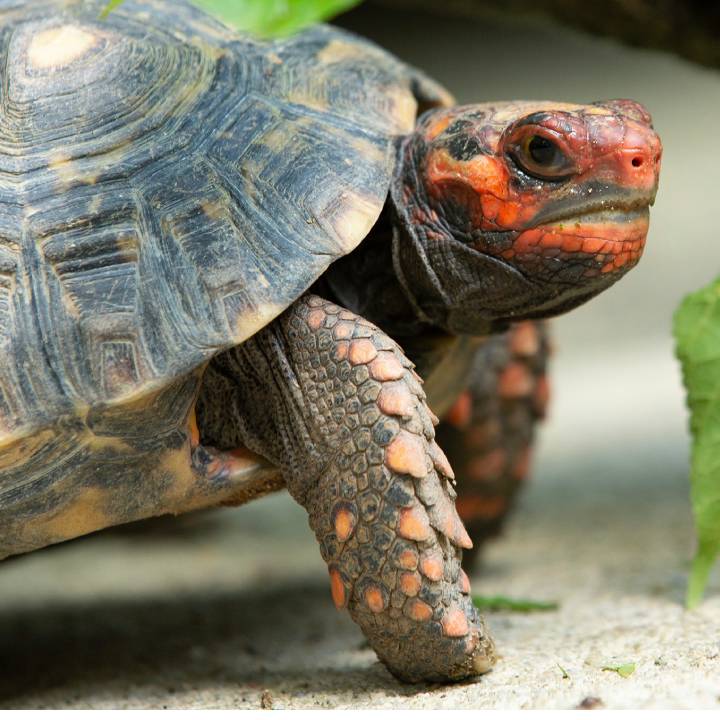
Red-footed tortoise
River Wonders
Characterised by its distinctive bright red/orange feet and head, it’s most active during the day and immediately after rain.
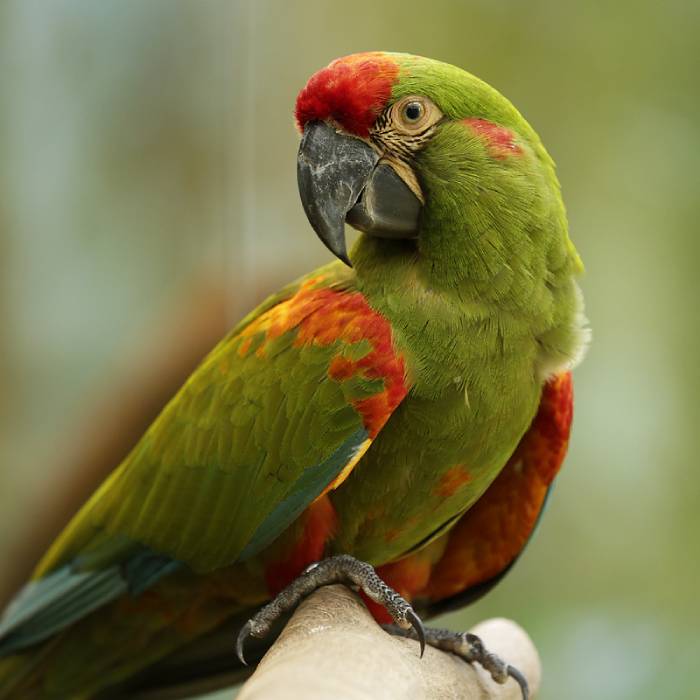
Red-fronted macaw
Bird Paradise
The critically endangered red-fronted macaw is only found in the Andean valleys of three rivers in Bolivia, with about 272 mature individuals in the wild.
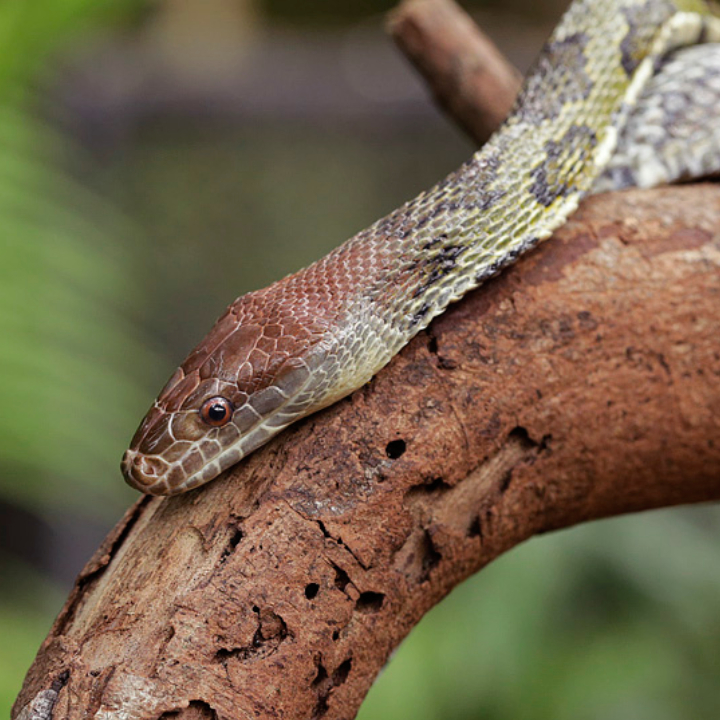
Red-Headed Rat Snake
Singapore Zoo
This tree-dwelling snake uses agility and camouflage to hunt and hide in Asian forests.
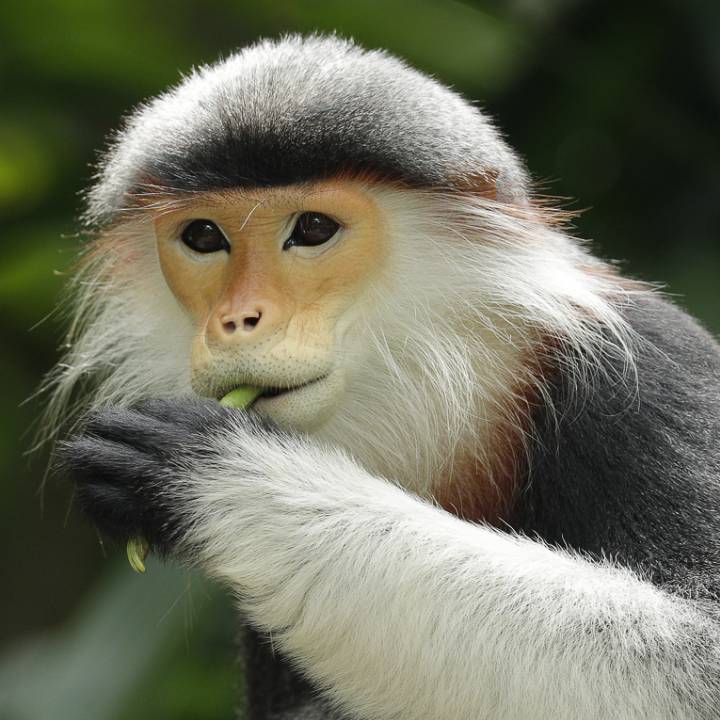
Red-shanked douc langur
Singapore Zoo
The douc langur's almond eyes and delicate features lend a kind of wistful magic to their beauty.
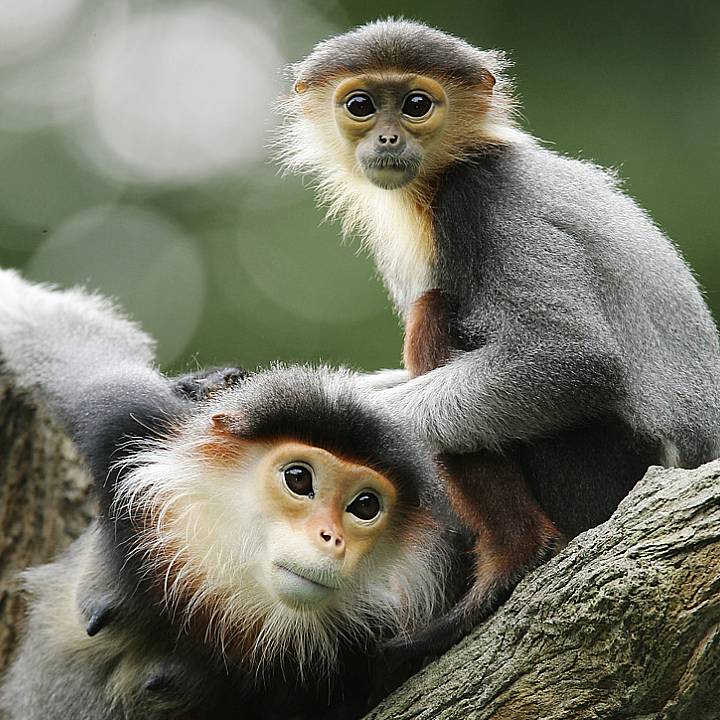
Red-shanked douc langur
Rainforest Wild Adventure WEST
The most colourful primate, with tails usually the same length, or even slightly longer than their bodies!
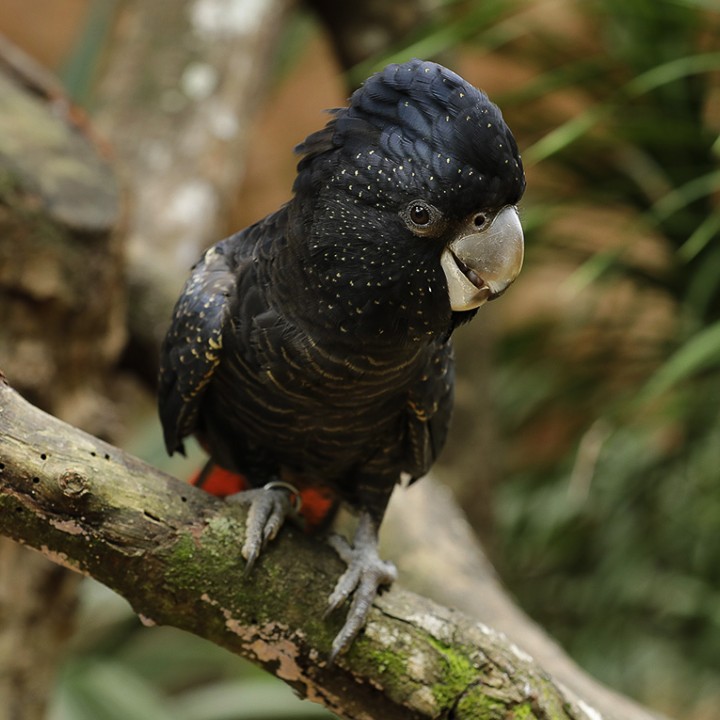
Red-tailed black-cockatoo
Bird Paradise
Cockatoos are large parrots, known for their long life spans that range from 40 to 70 years. They differ from other parrots in that they have a head crest and no blue or green feathers. Black cockatoos are found only in Australia.

Red Panda
River Wonders
The red panda's fiery red coat is no doubt why its name in Chinese literally means 'fire fox'.
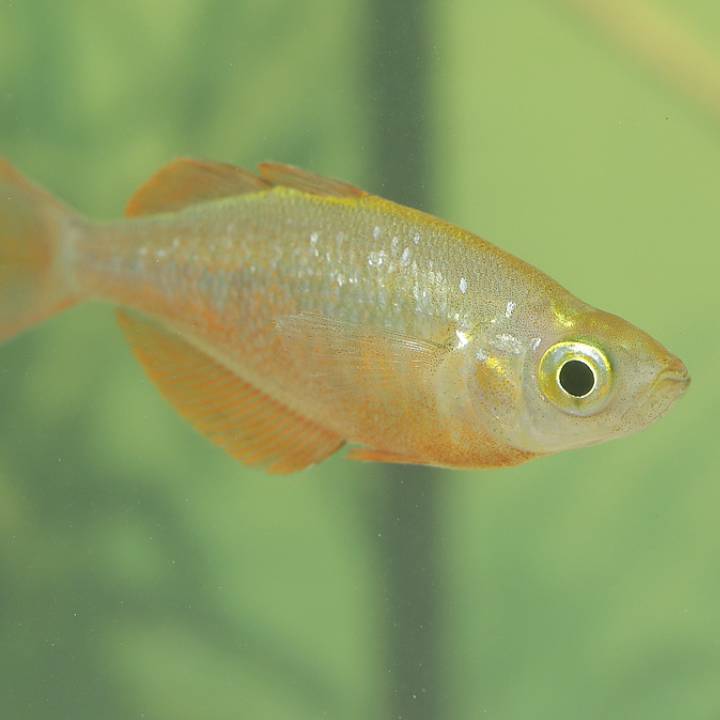
Red rainbowfish
River Wonders
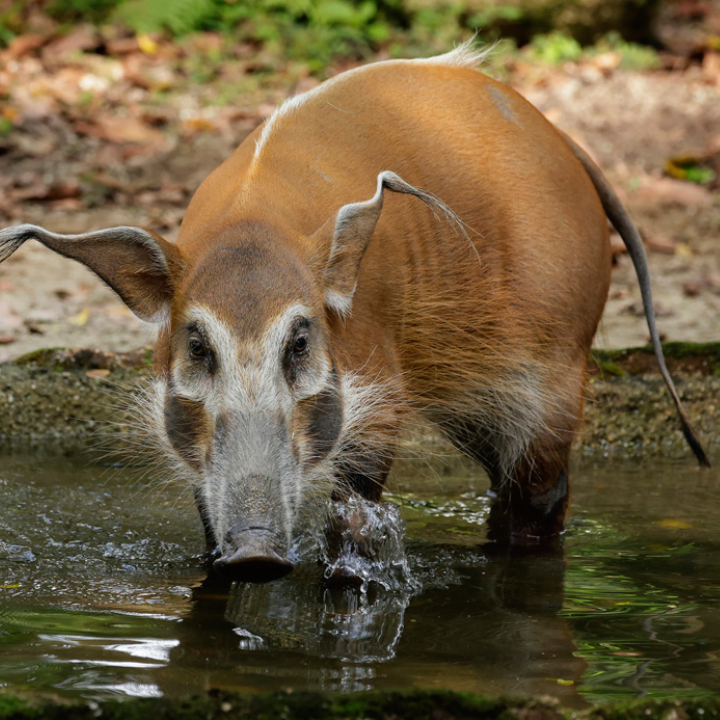
Red River Hog
Rainforest Wild Adventure EAST
Spending most of their adult life searching for food, these omnivores will consume roots, fruit, seeds, crops, grasses, nuts, insects, bird eggs, snails, reptiles, and carrion.
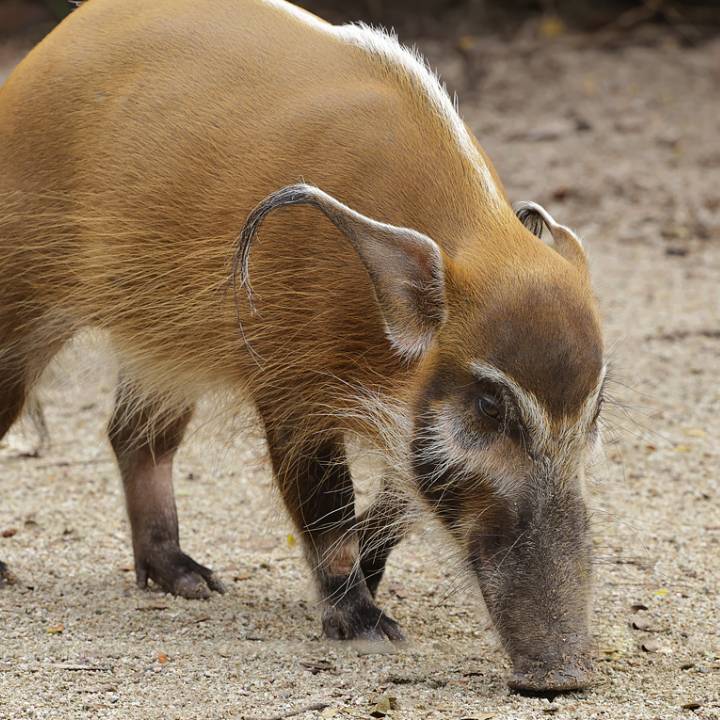
Red river hog
Singapore Zoo
Unlike some landlocked pigs, red river hogs are excellent swimmers and love spending time near water. They even utilize their strong legs and hooves to gallop through mud with ease.
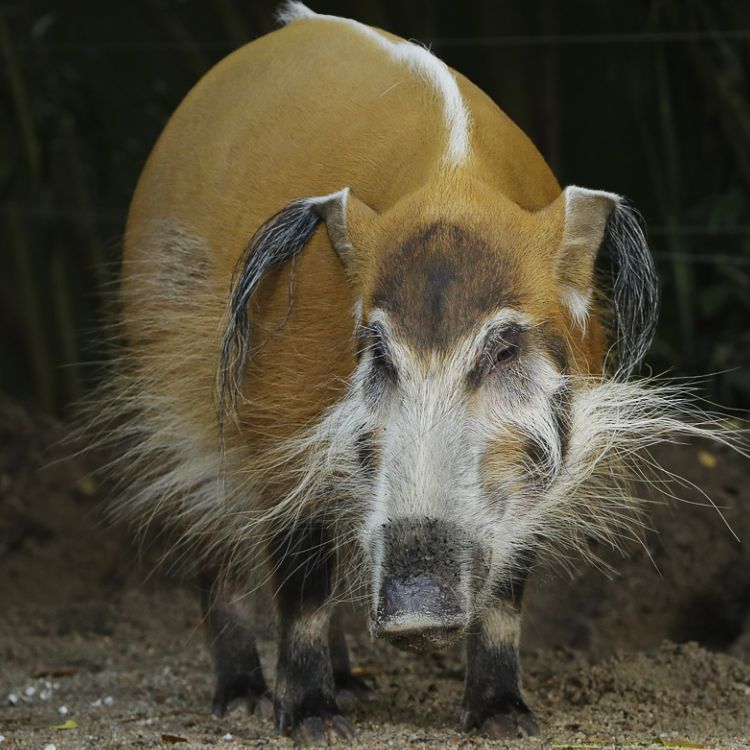
Red river hog
Night Safari
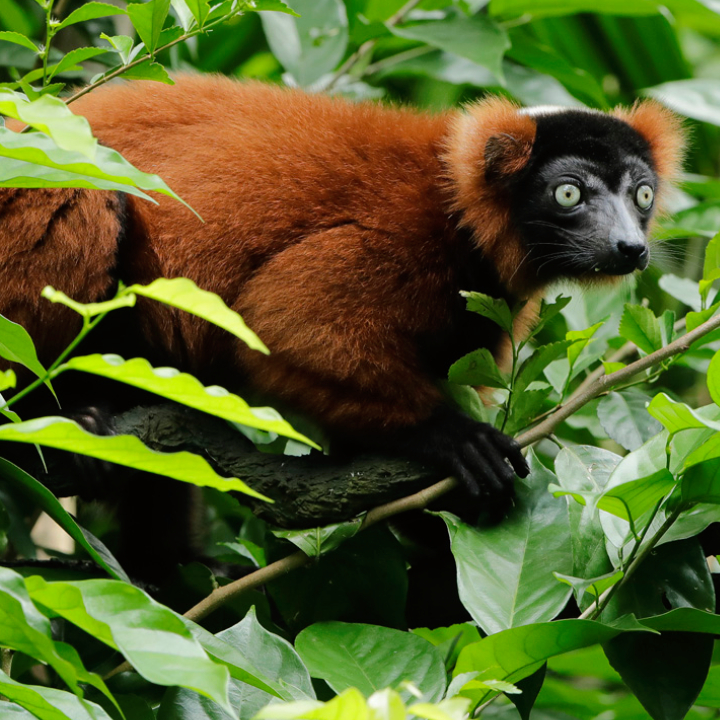
Red Ruffed Lemur
Rainforest Wild Adventure EAST
Highly social, these tree-dwelling creatures are among the loudest primates on Earth, with calls audible almost a kilometre away!
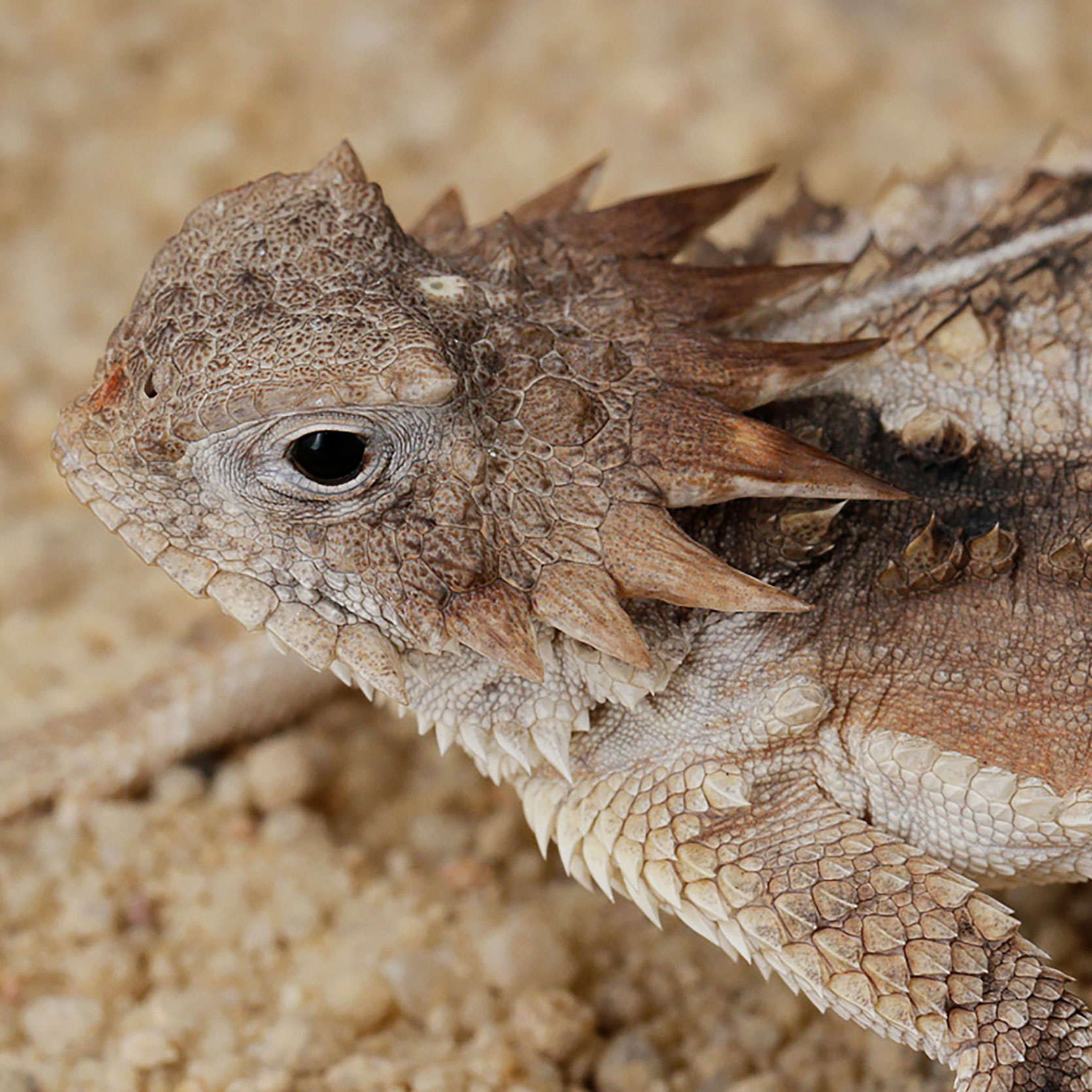
Regal horned lizard
Singapore Zoo
Game for a scaly good time? Slither down to RepTopia at Singapore Zoo and learn more about the regal horned lizard.
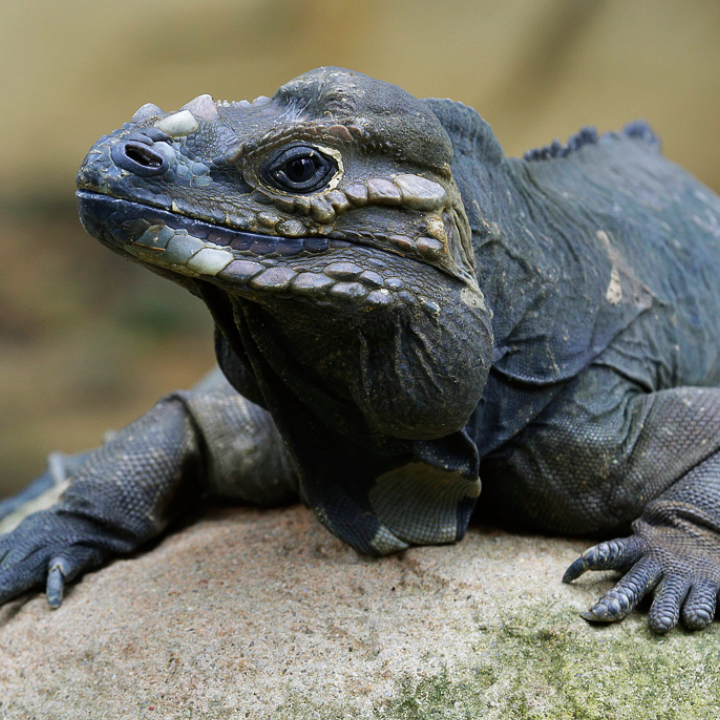
Rhino Iguana
Singapore Zoo
Named for their horned snouts, these stocky iguanas raise back spines to look more fearsome.
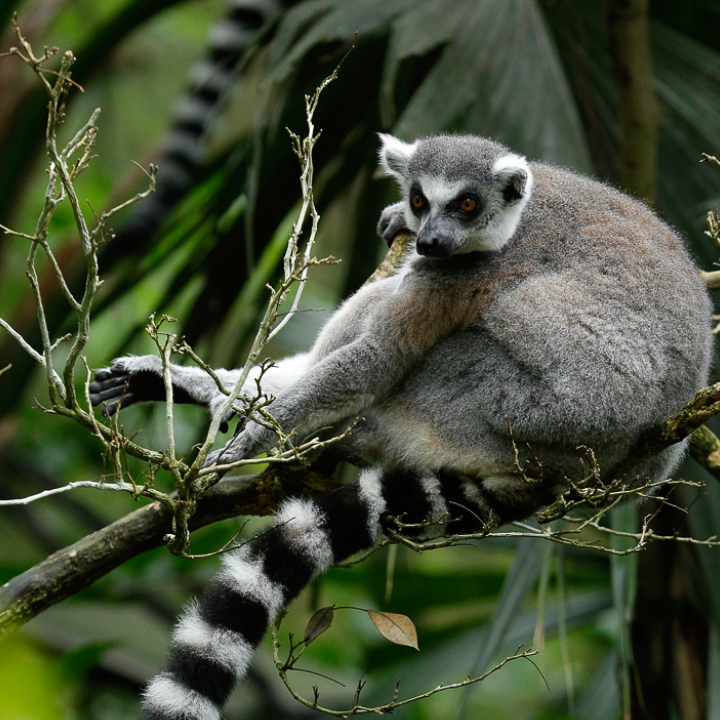
Ring-tailed Lemur
Rainforest Wild Adventure EAST
These lemurs are known to sit in a "lotus" position, exposing their white belly fur to the sun to warm up in the morning.
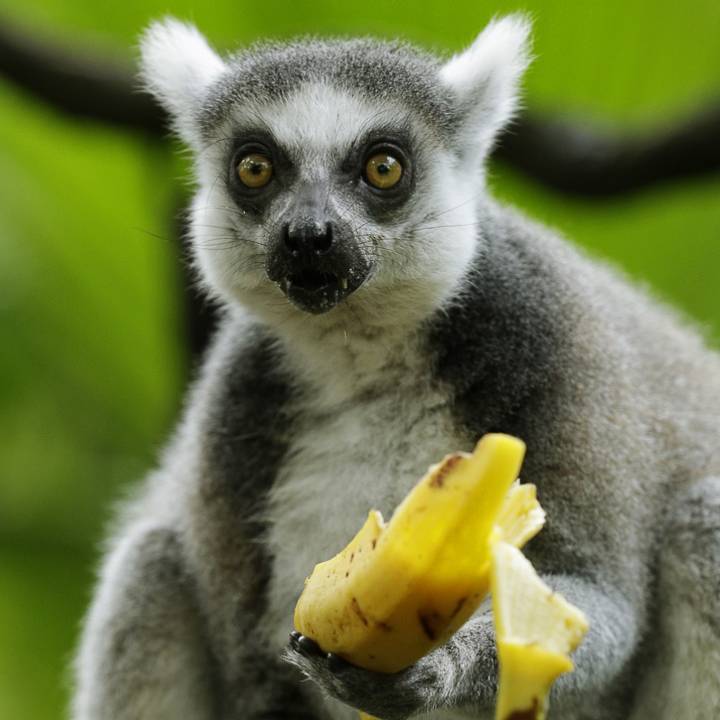
Ring-tailed lemur
Singapore Zoo
A repertoire of some 22 different calls helps these primates engage in complex social interactions.
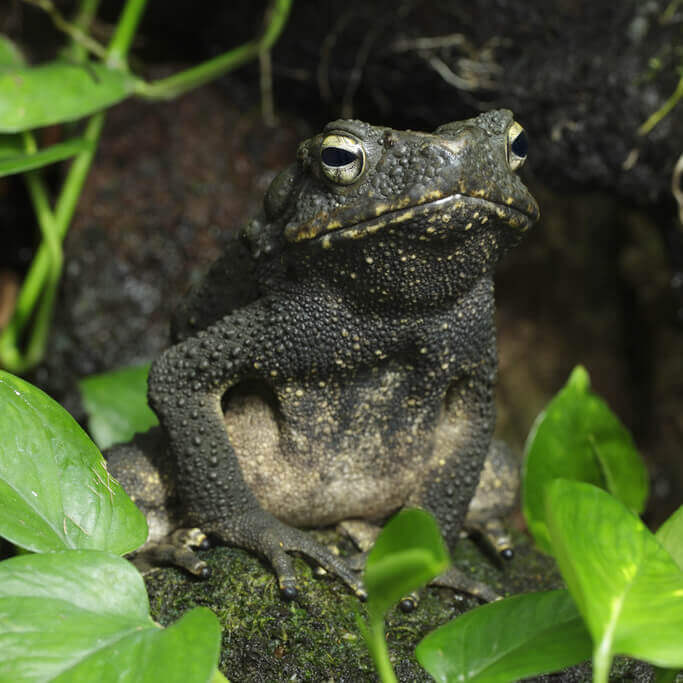
River toad
Singapore Zoo
When the scorching desert sun beats down, River toads aren't ones to sweat it out. Instead, they burrow into the cool sand, crafting cozy underground hideaways where they'll spend most of the scorching summer.
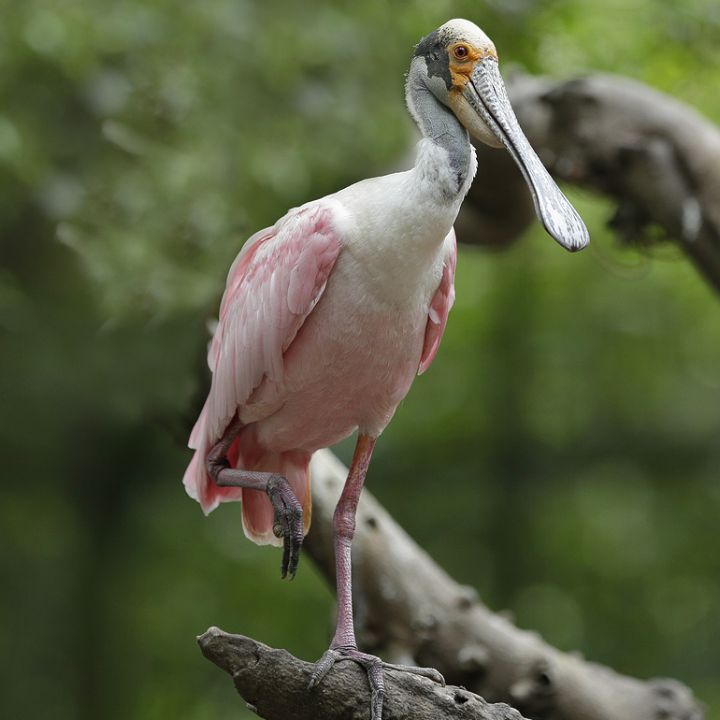
Roseate spoonbill
Bird Paradise
Named for its unique spoon-shaped bill, the roseate spoonbill has attractive pink plumage and a defined carmine wing patch. The bare green skin on its head takes on a yellowish hue during the breeding season.
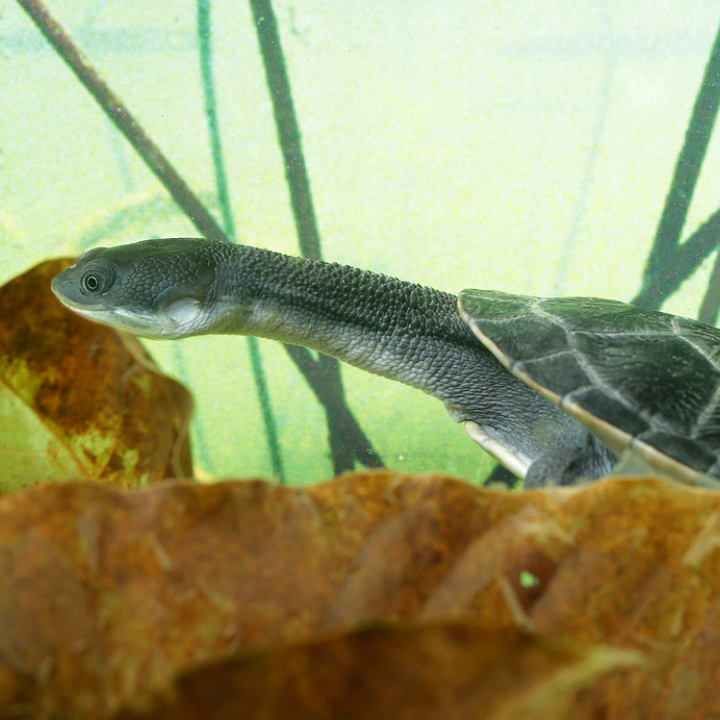
Rote snake-necked turtle
Singapore Zoo
The Zoo hosts Asia’s only colony of this rare turtle, helping safeguard its future.
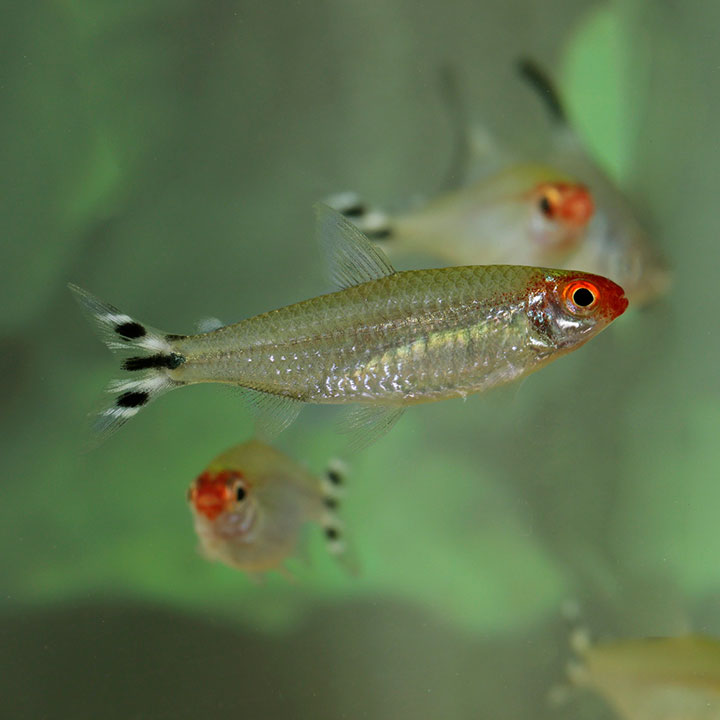
Rummy-nose tetra
River Wonders
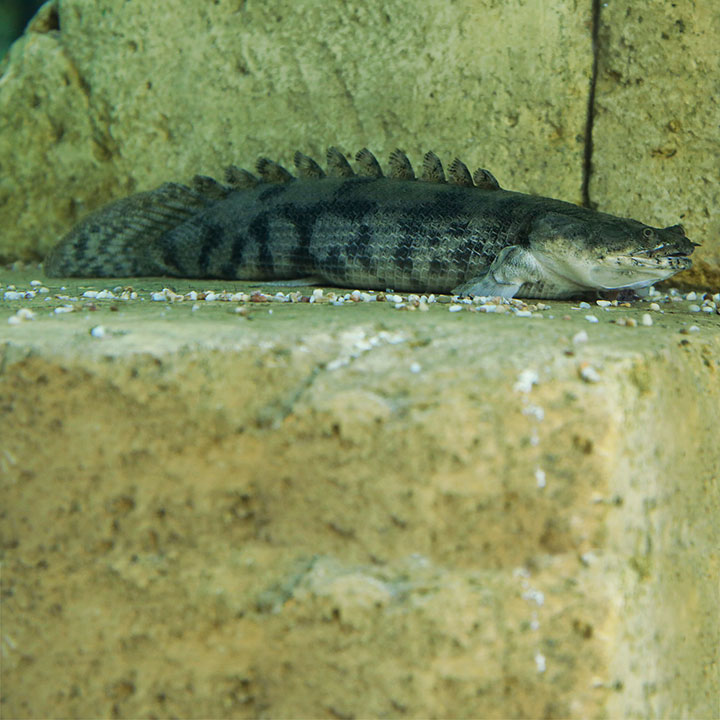
Saddled bichir
River Wonders
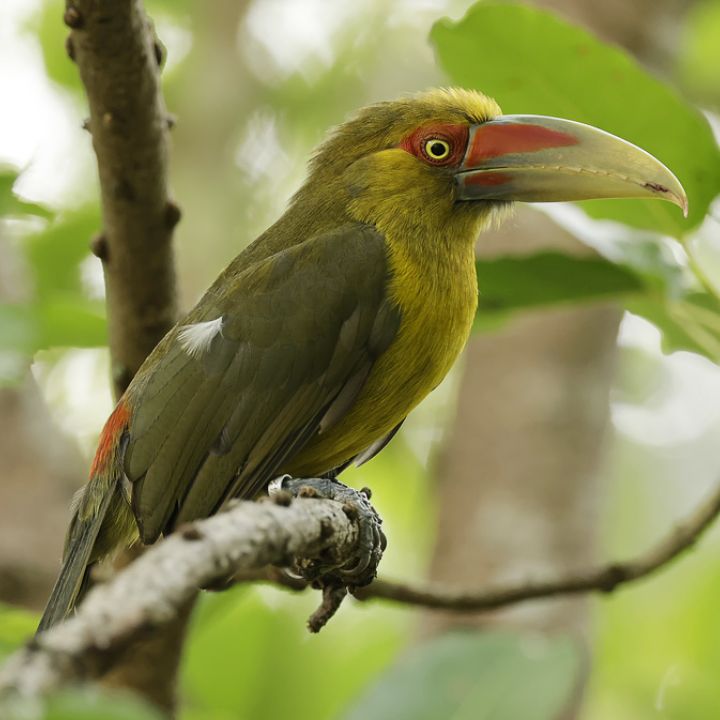
Saffron toucanet
Bird Paradise
A relative of toucans and aracaris, the smallish saffron toucanet occupies the Atlantic Forests of Argentina, Brazil, and Paraguay.
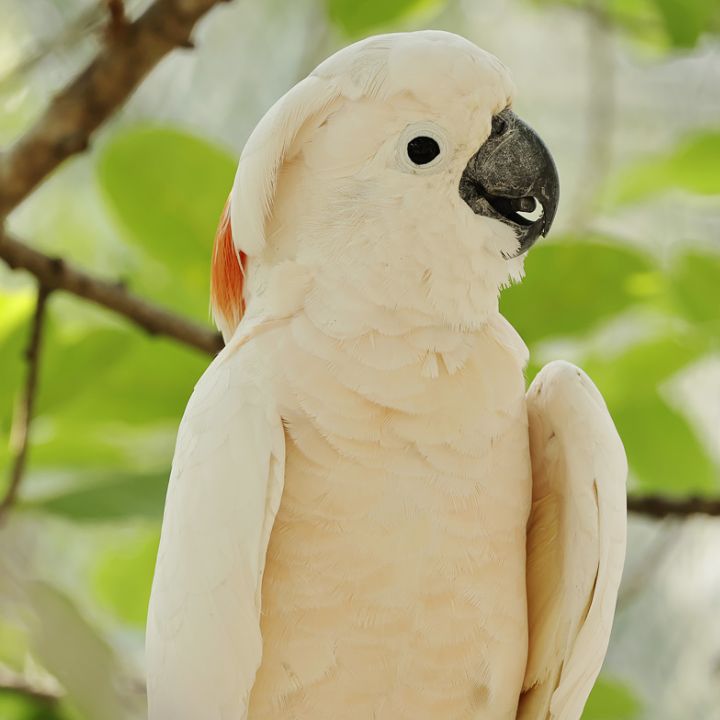
Salmon-crested cockatoo
Bird Paradise
Cockatoos have distinctive head crests which are normally kept folded back on the top of the head when relaxed. These are raised as a sign of agitation or curiosity, and to signal threat or romantic intentions.
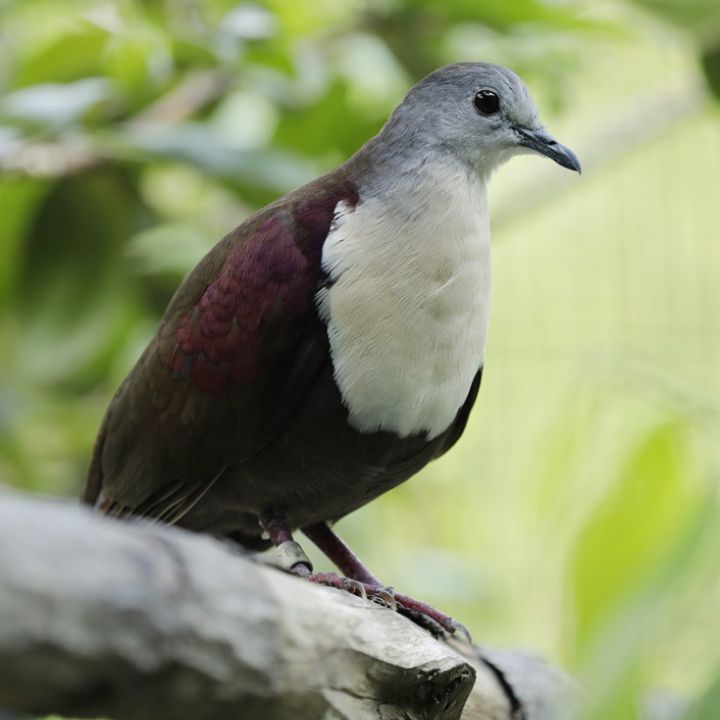
Santa Cruz ground-dove
Bird Paradise
This bird is observed to perch on low branches and roost in trees. It comes to the ground to forage for food and this is when it is most vulnerable to the introduced rats, cats, dogs and pigs that are found in much of its range.
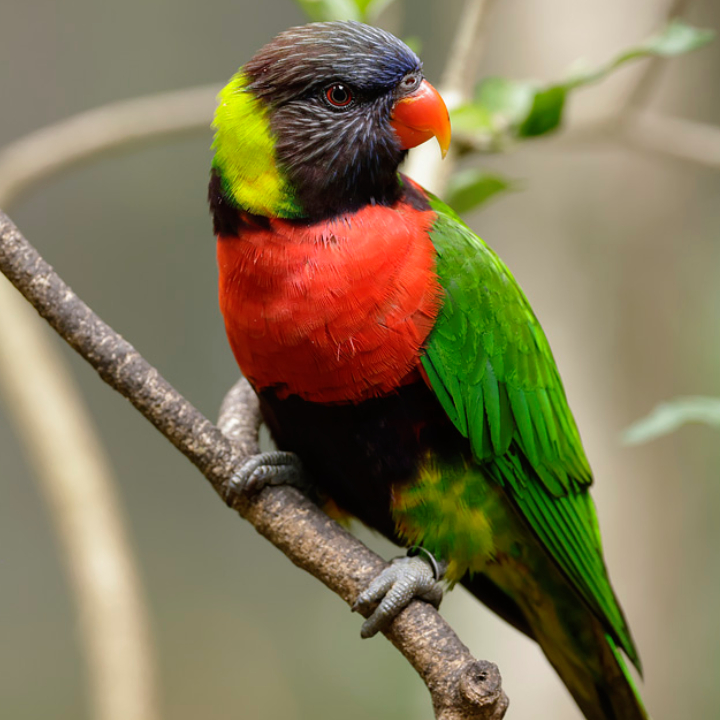
Scarlet-breasted Lorikeet
Bird Paradise
Found only in Bali, Lombok, and nearby islands, this restricted-range lorikeet inhabits lowland forests and is recognized by its four subspecies.
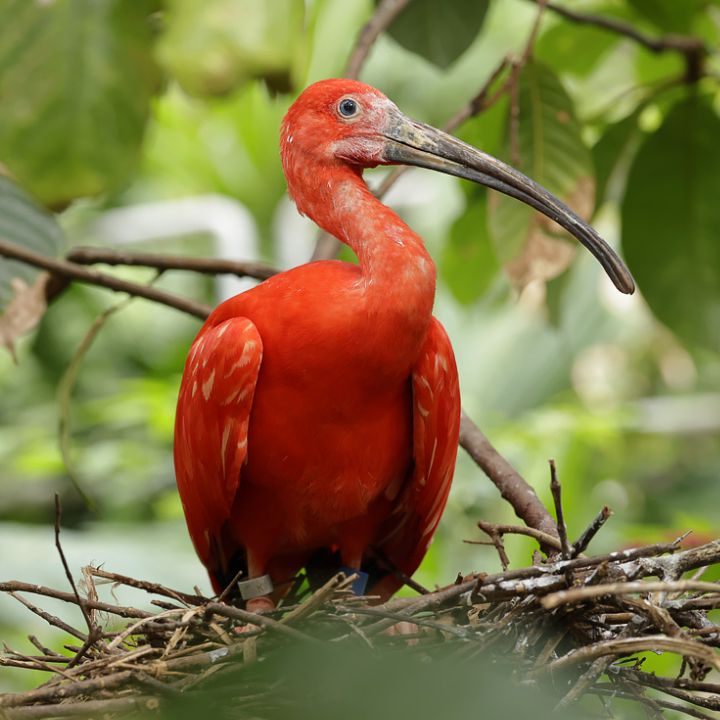
Scarlet ibis
Bird Paradise
They are what they eat – scarlet ibises feed on crayfish, crabs and aquatic insects which give their plumage the bright red colour.
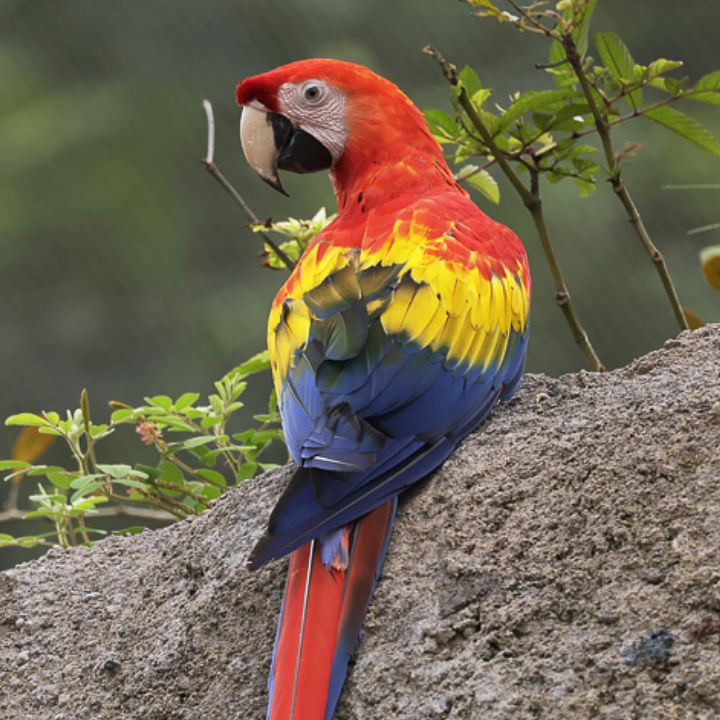
Scarlet macaw
Bird Paradise
A macaw’s beak can crack the hardest nut and even crush your finger. Its flexible and scaly tongue contains a bone.
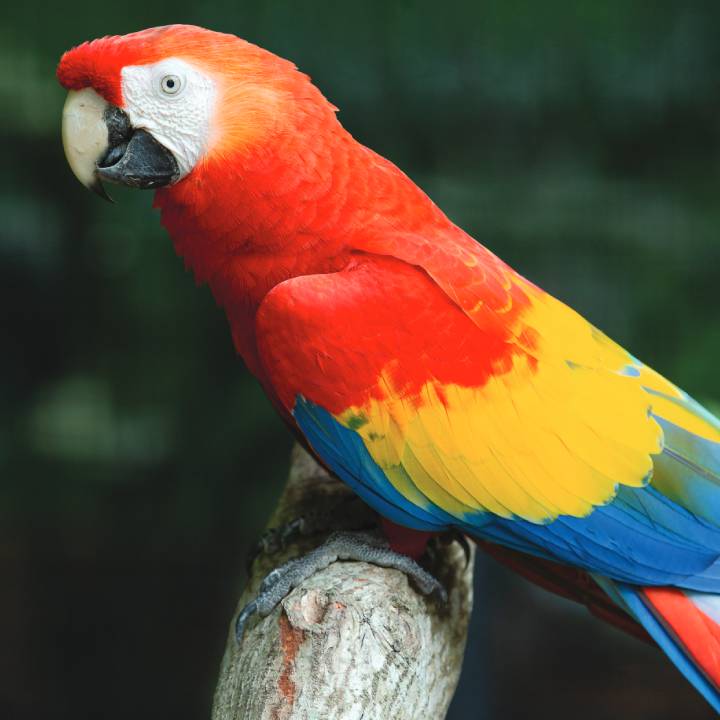
Scarlet macaw
River Wonders
Besides being the national bird of Honduras and having the ability to mimic human speech, these macaws also live up to 50 years in the wild!
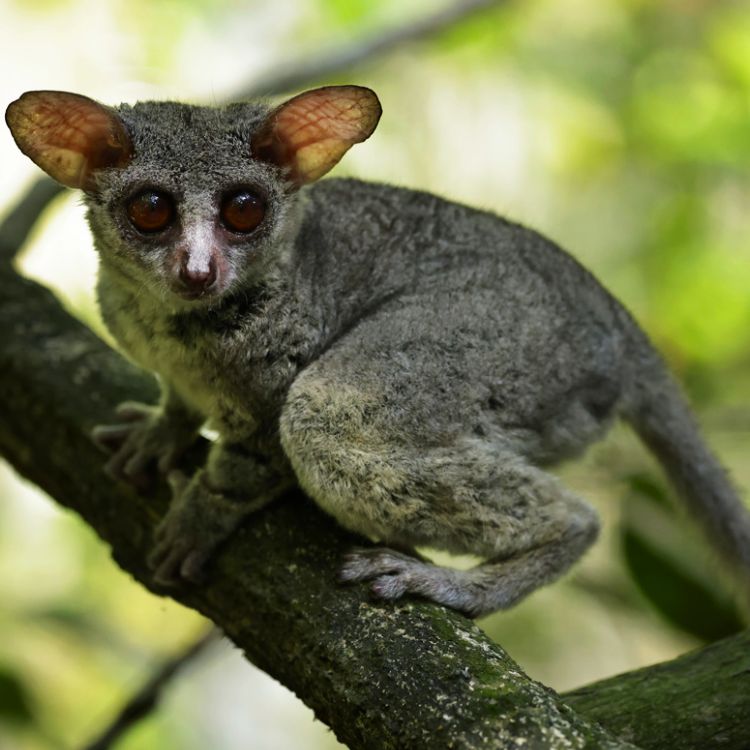
Senegal bushbaby
Night Safari
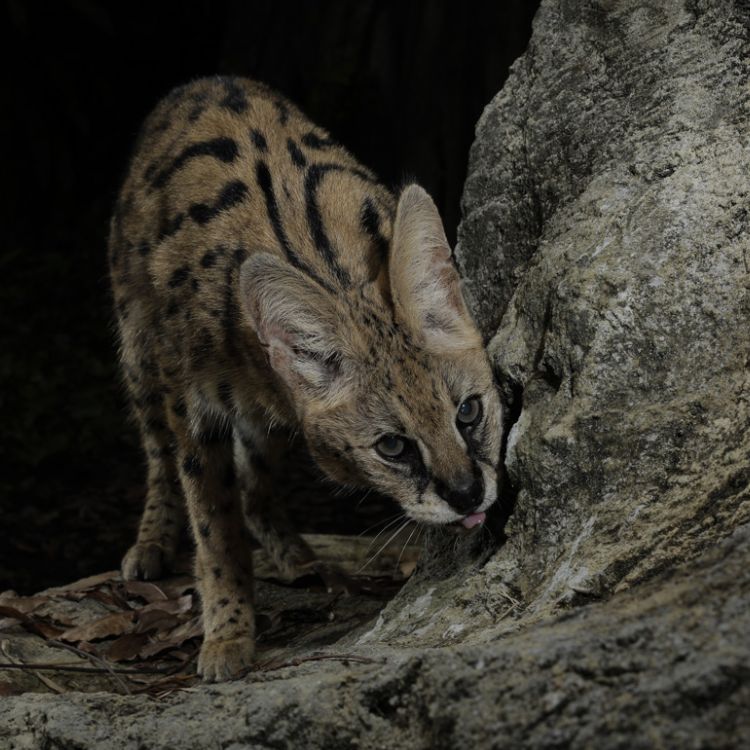
Serval
Night Safari
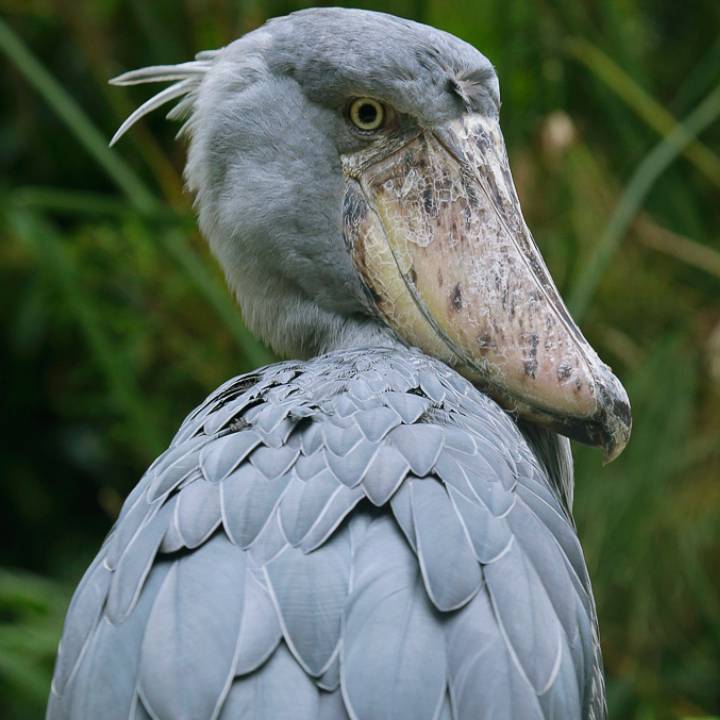
Shoebill
Bird Paradise
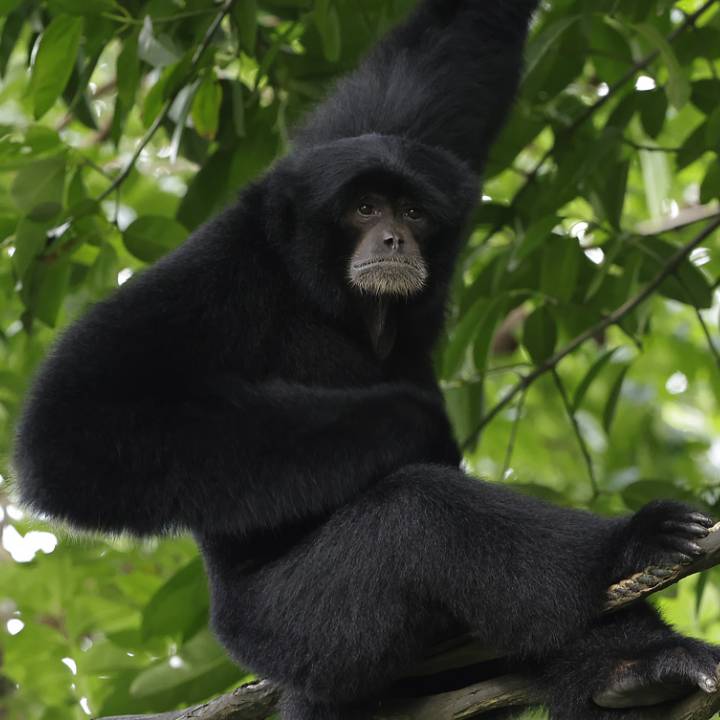
Siamang
Rainforest Wild Adventure WEST
The largest of all gibbons, this endangered arboreal, black-furred ape is native to Indonesia, Malaysia, and Thailand.
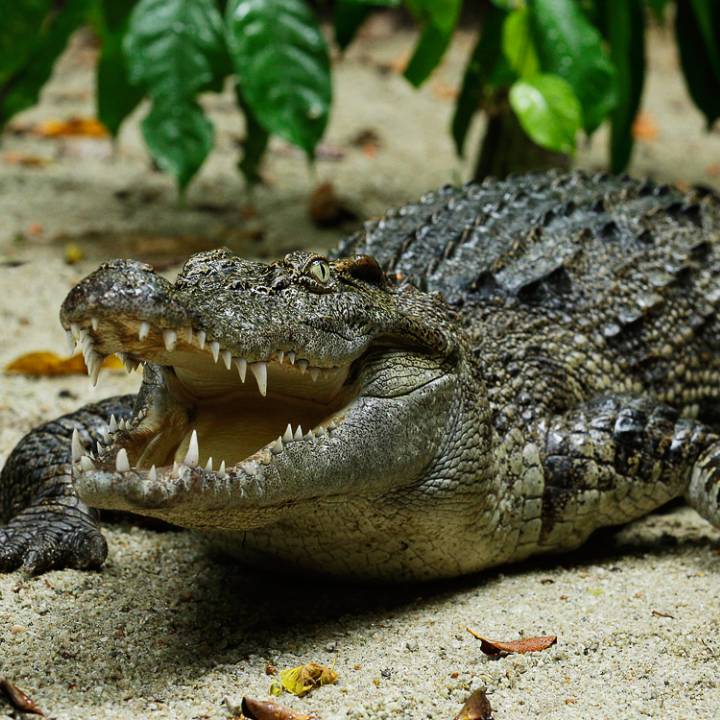
Siamese crocodile
Rainforest Wild Adventure WEST
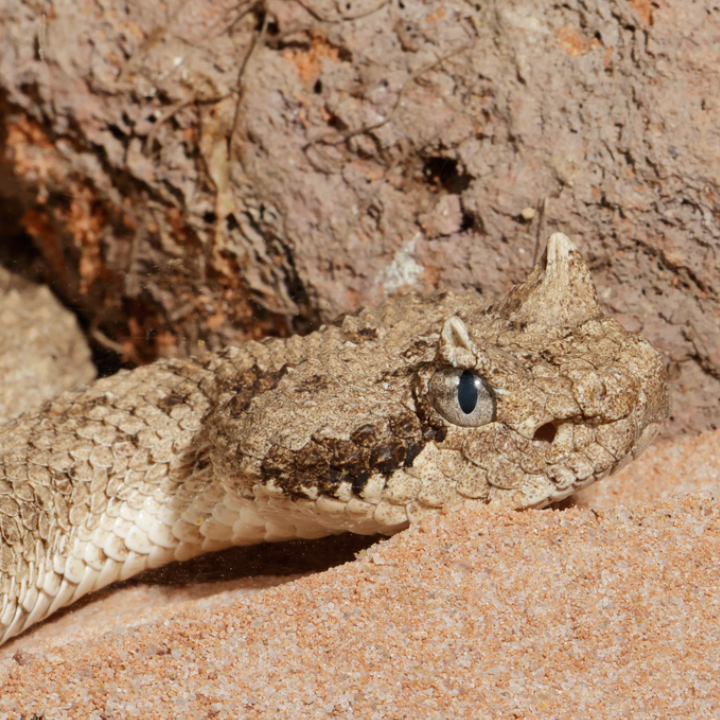
Sidewinder (Rattlesnake)
Singapore Zoo
Their sidewinding gait makes them the fastest-moving of all rattlesnakes. Shuffling their bodies into soft sand, with their heads barely exposed, they twitch their tail to attract prey.
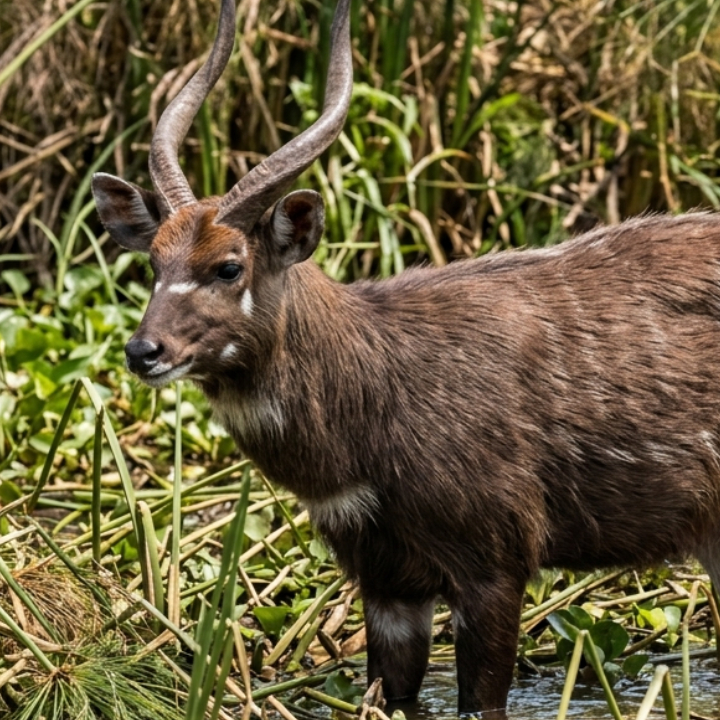
Sitatunga
Rainforest Wild Adventure EAST
Swamp-dwelling antelopes and excellent swimmers. Their elongated, wide-splayed hooves help them walk on soft terrain such as swamps and marshes.
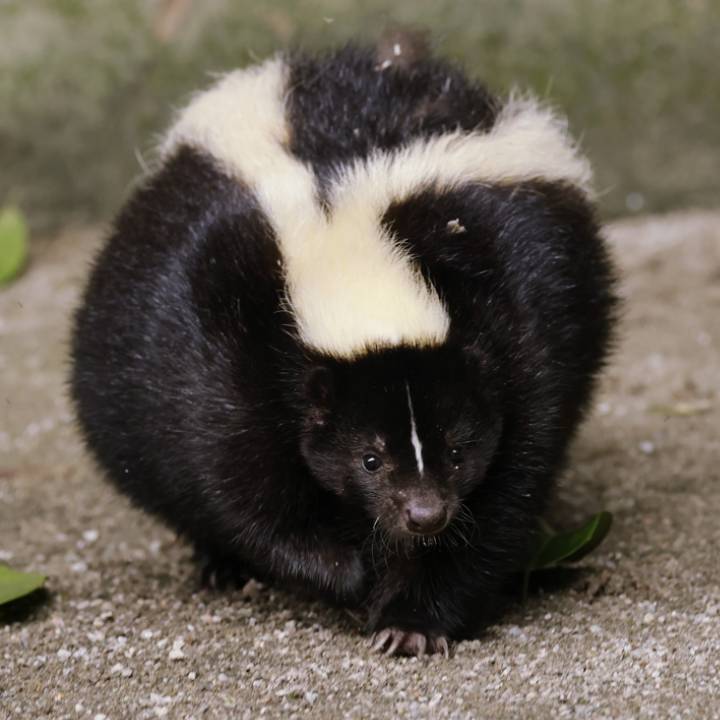
Skunk
Singapore Zoo
Sloth bear
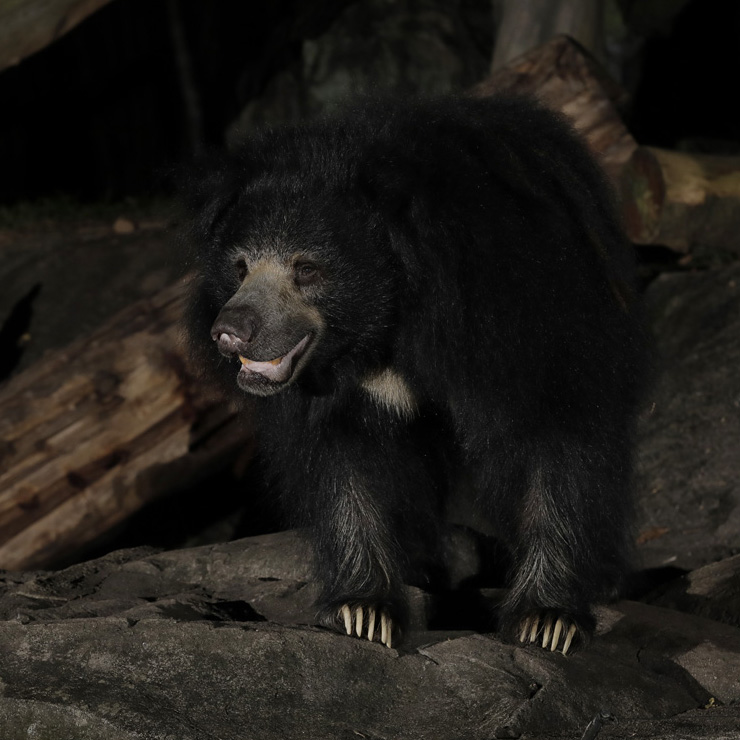
Night Safari
The sloth bears use their sickle-shaped claws as ‘climbing hooks’ to hoist themselves up trees. They climb not to escape danger, but to get at termite or bee nests.
Small-toothed palm civet
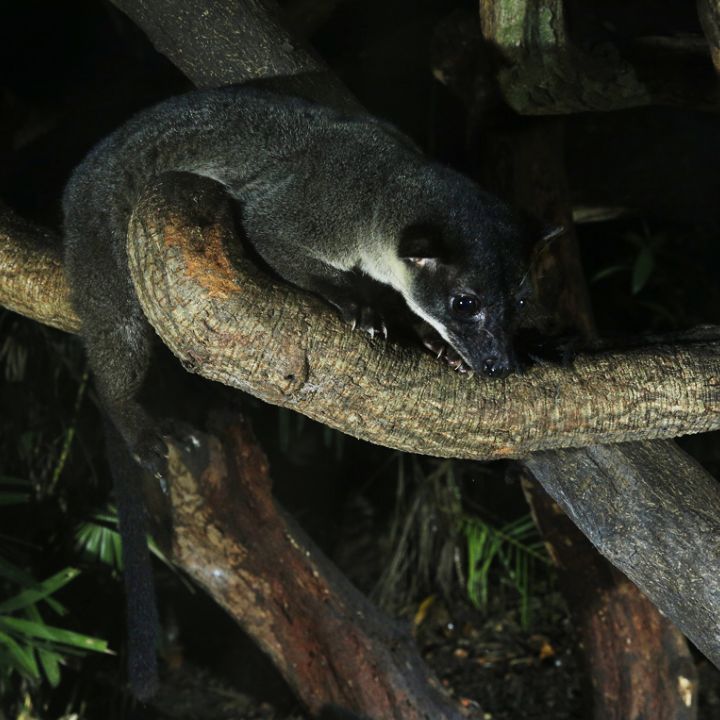
Night Safari
Also called the Three-striped palm civet, this exclusively arboreal omnivore has a diet of forest fruits, insects, frogs, birds, and occasionally, squirrels.
Soro brook carp
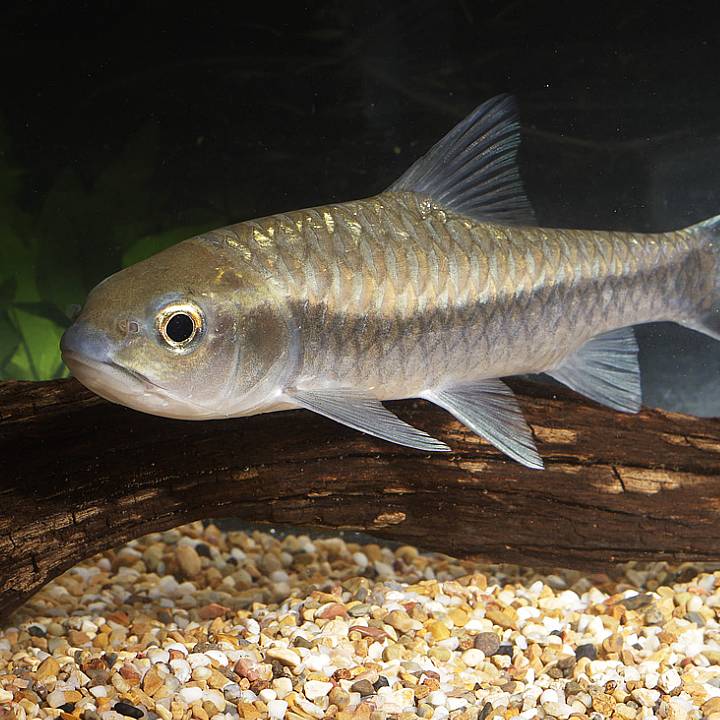
Rainforest Wild Adventure WEST
With a body length of only 15-20cm, soro brook carp prefer to swim in groups of 10-20, eating insects, plants, and fruits.
Southern cassowary
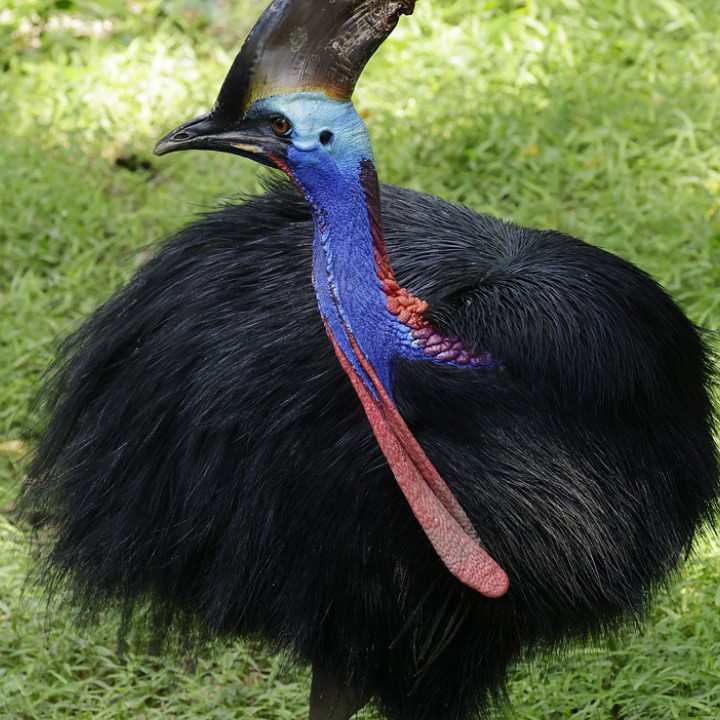
Bird Paradise
The southern cassowary is the third biggest bird after the ostrich and emu. Compared to the single wattled northern cassowary, it is slightly larger and has two wattles, which hang loosely from its neck.
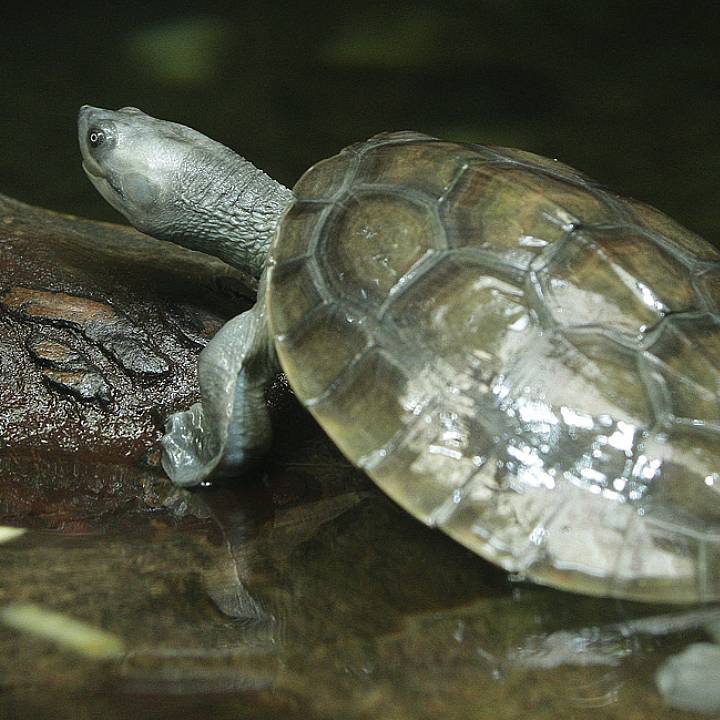
Southern river terrapin
Rainforest Wild Adventure WEST
Commonly known as the “Royal Turtle” in Cambodia, it is critically endangered by hunting and deforestation.
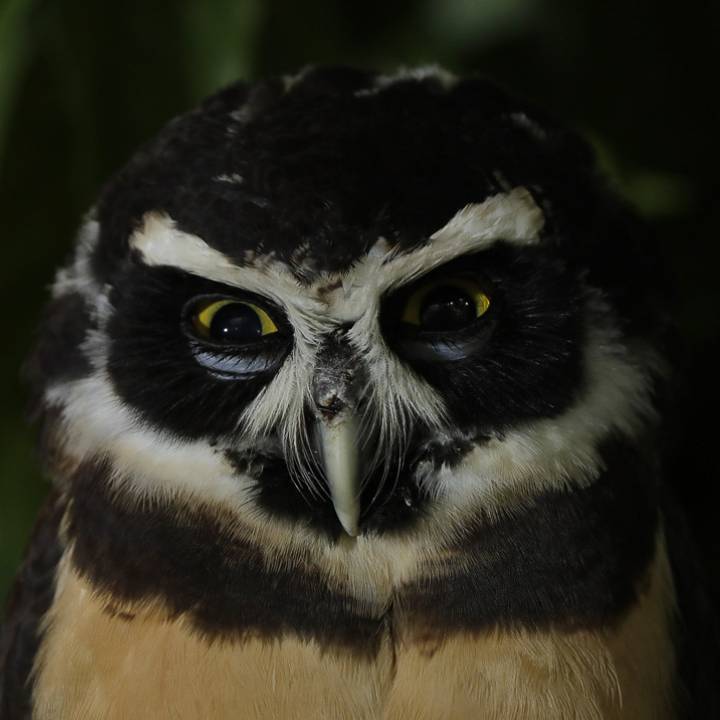
Spectacled owl
Night Safari
Special, spectacled, spectacular. This large owl’s song is a loud, pulsing series of deep hoots - not so different to a sheet of metal being flexed rapidly.
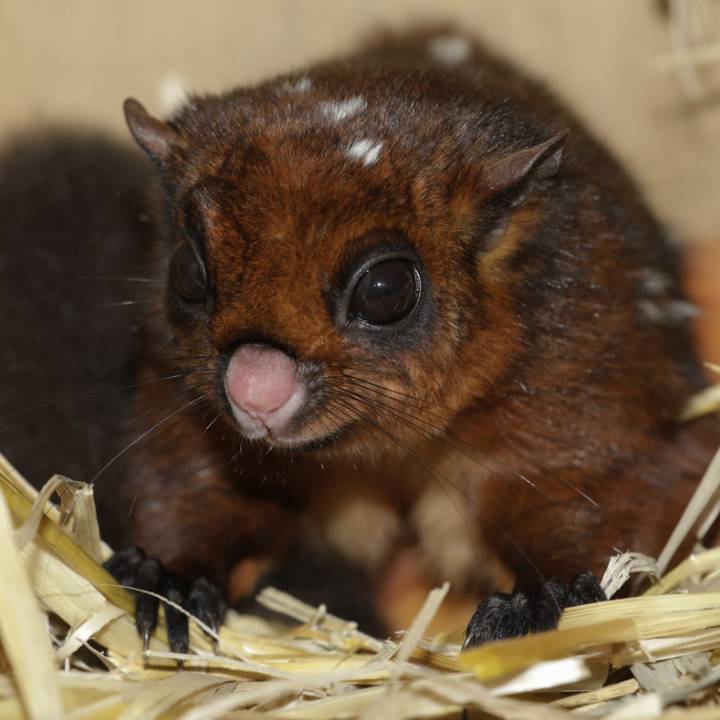
Spotted giant flying squirrel
Night Safari
These flying fellows glide from tree to tree by spreading their patagium – the special skin that connects its limbs.
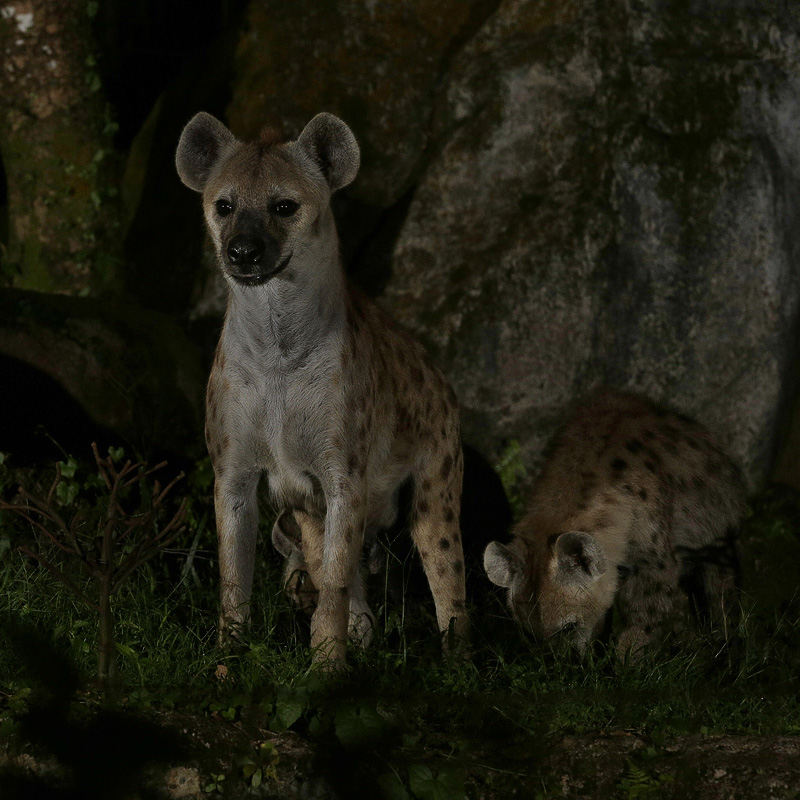
Spotted hyaena
Night Safari
They look like large dogs, but are more closely related to cats like lions and tigers. Their powerful jaws give them the strongest bite of any mammal.
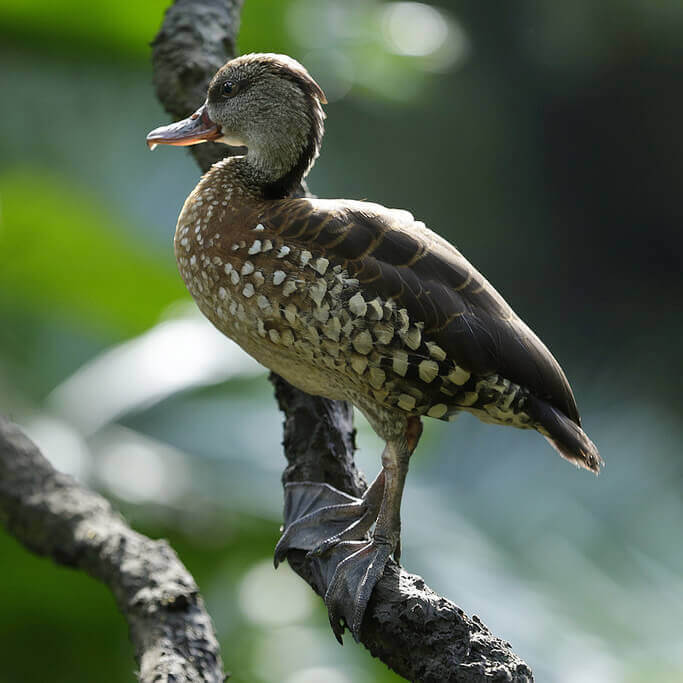
Spotted whistling duck
Singapore Zoo
Spotted whistling ducks have a variety of whistling and piping calls, used for communication, greeting each other, and even defending their territory.
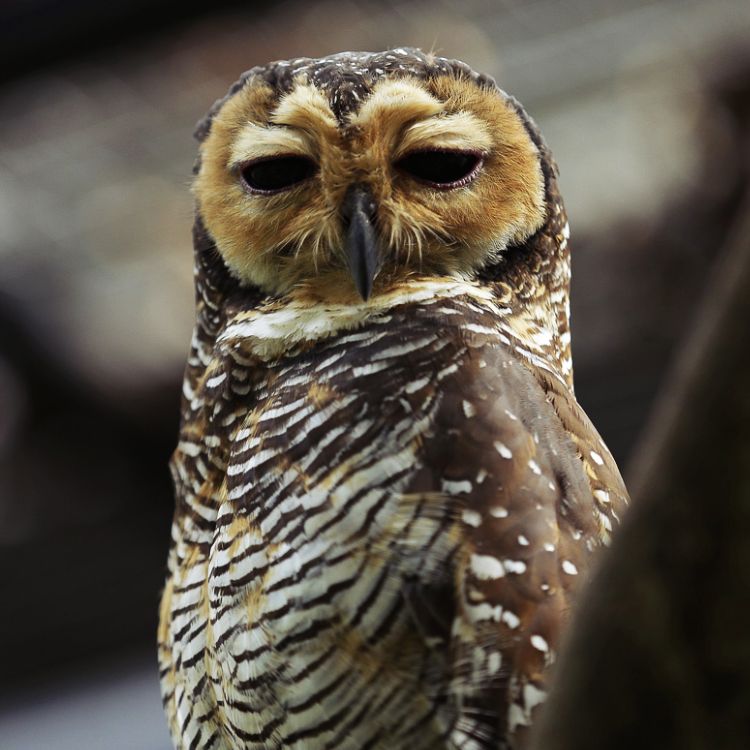
Spotted wood owl
Night Safari
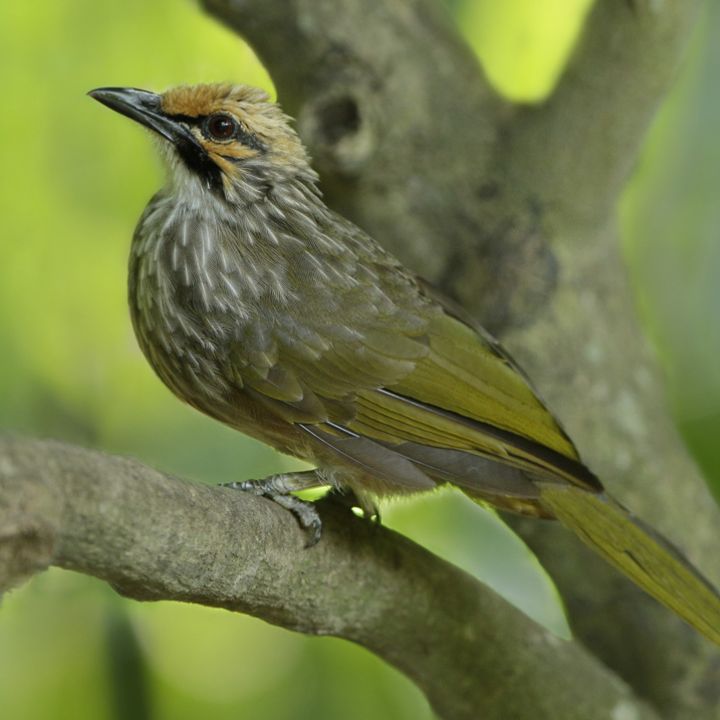
Straw-headed bulbul
Bird Paradise
Known for its melodious calls, the straw-headed bulbul has been hunted to extinction across much of its range in Southeast Asia.
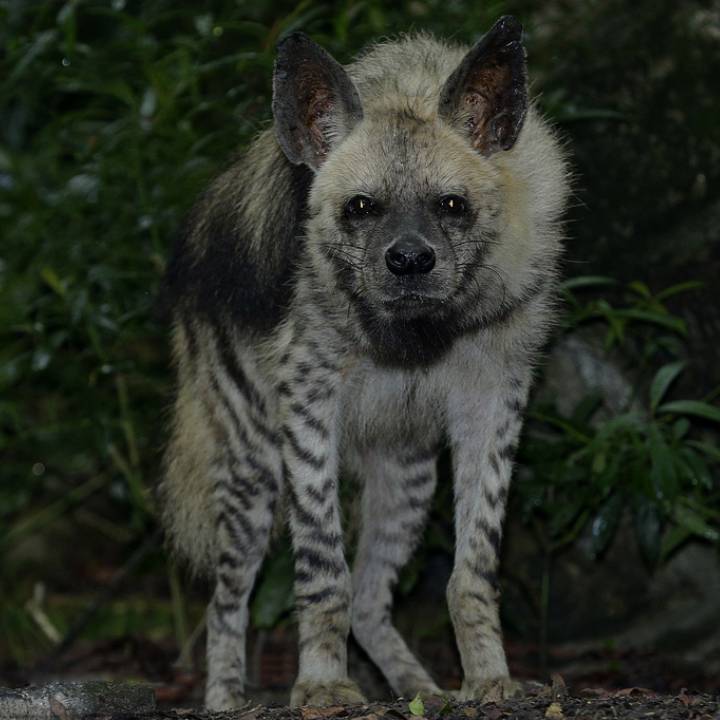
Striped hyaena
Night Safari
One of the most important members of nature’s cleanup crew. They differ from their spotted cousins by communicating with body movements instead of noises.

Sturgeon
River Wonders
Sturgeons have rows of bony plates covering the head and along the body. The upper lobe of its tail fin is longer than the lower.
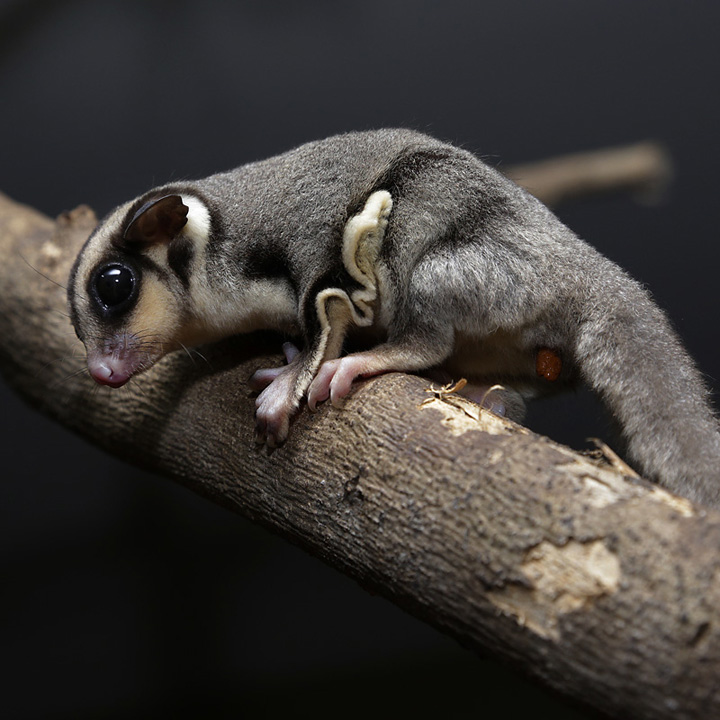
Sugar glider
Night Safari
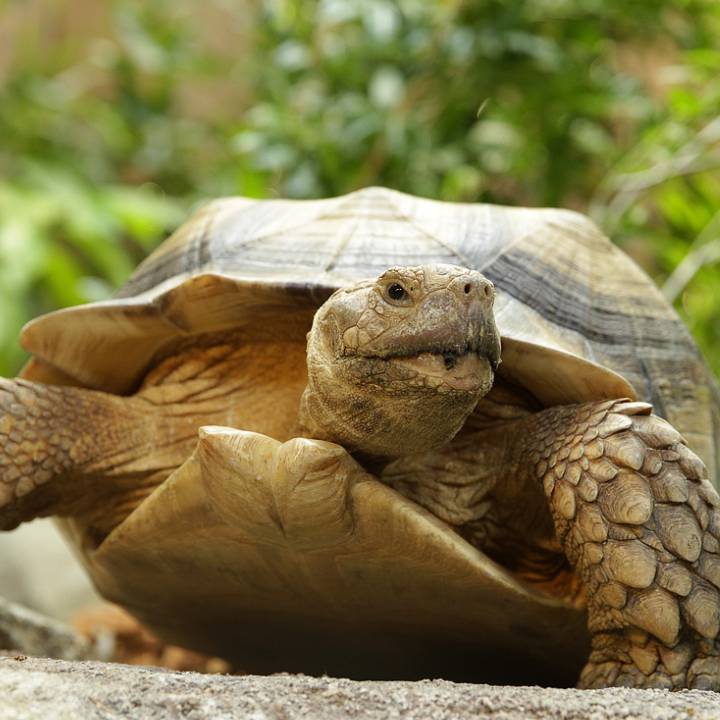
Sulcata tortoise
Singapore Zoo
Sulcata tortoises are one of the world’s largest tortoises and can grow up to 100kg!
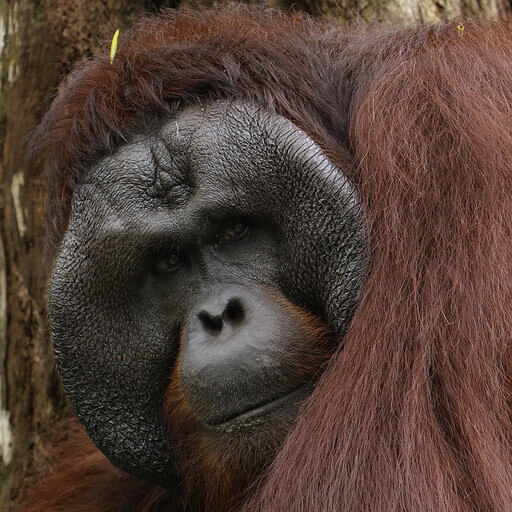
Sumatran orangutan
Singapore Zoo
Found in the rainforests of Borneo and Sumatra, they have special feet with long toes for grasping branches, and long limbs that can stretch out far so that they can move easily through the treetops.
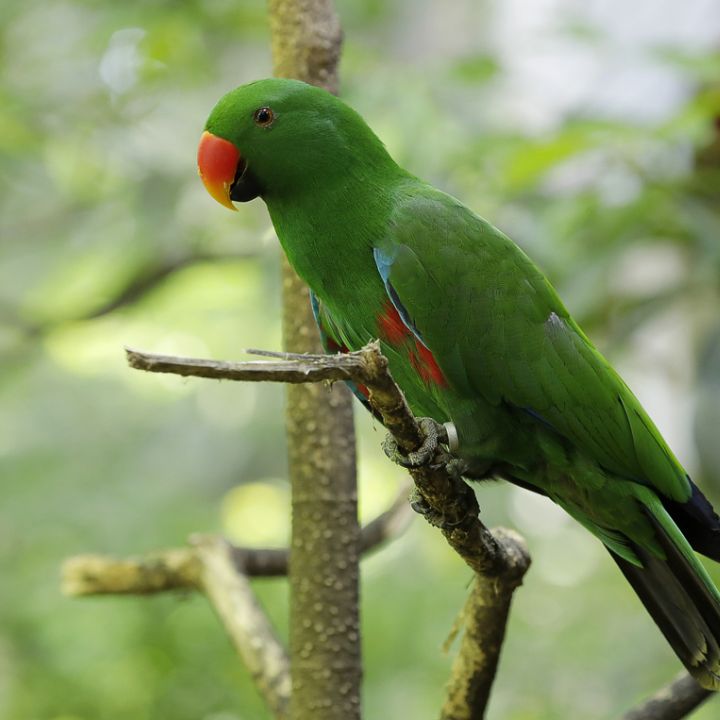
Sumba eclectus
Bird Paradise
Male and female eclectus parrots look so different that they were once thought to be separate species. Males are predominantly green; females are red or purplish red.
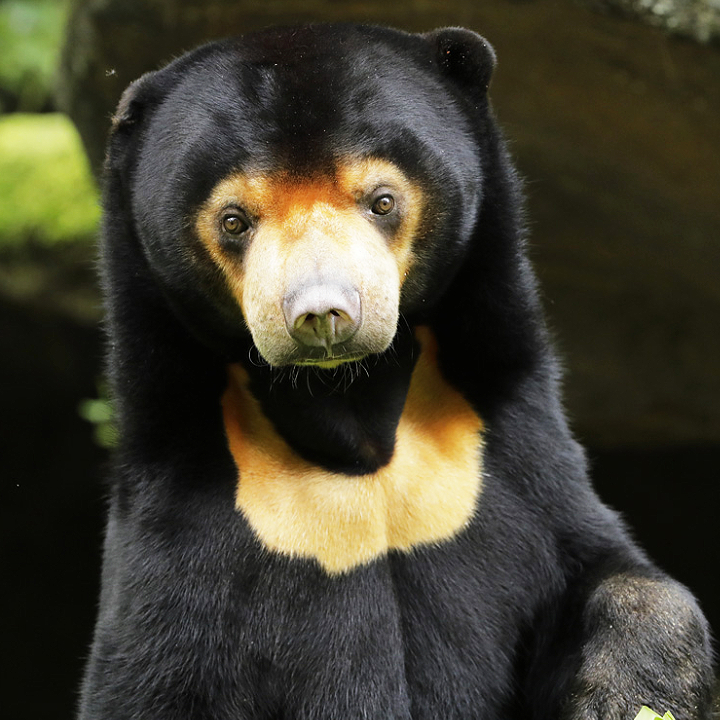
Sun Bear
Singapore Zoo
Sun bears get their name from the sun-shaped patches of fur they have on their chests.
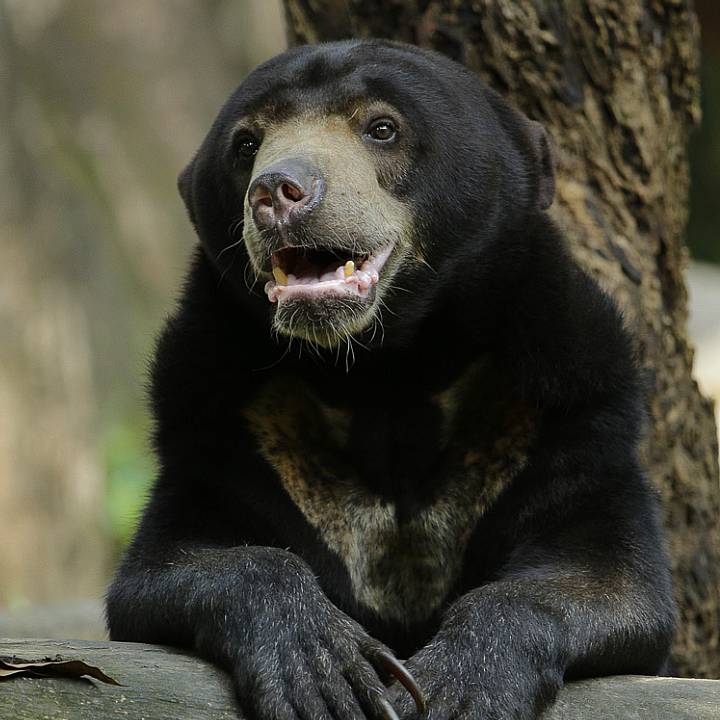
Sun bear
Rainforest Wild Adventure WEST
Averaging 1.5m tall, it is the smallest of all 8 bear species. Their long tongue helps extract honey and insects.
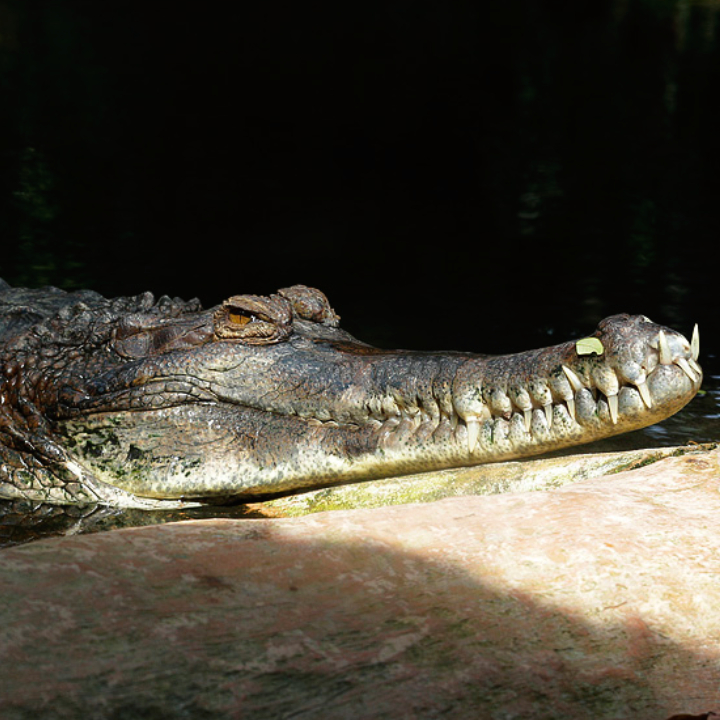
Sunda Gharial
Rainforest Wild Adventure EAST
Growing up to 5 metres long, this fish-eater may also opportunistically prey on monkeys!
Sunda gharial
Singapore Zoo
"Growing up to 5 metres long, this fish-eater may also opportunistically prey on monkeys!
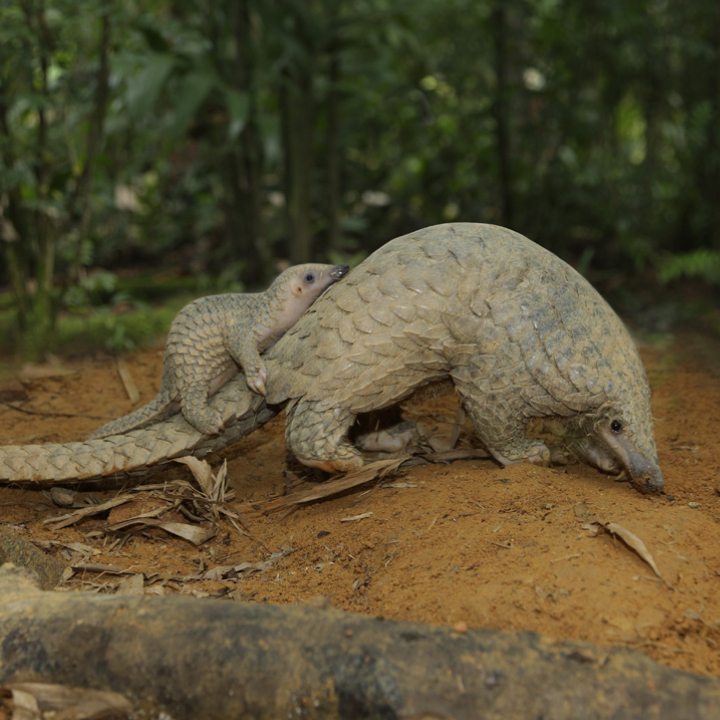
Sunda pangolin
Night Safari
Scaly from tip to tail, this primarily nocturnal mammal curls into a ball and protects itself with its scales when threatened.
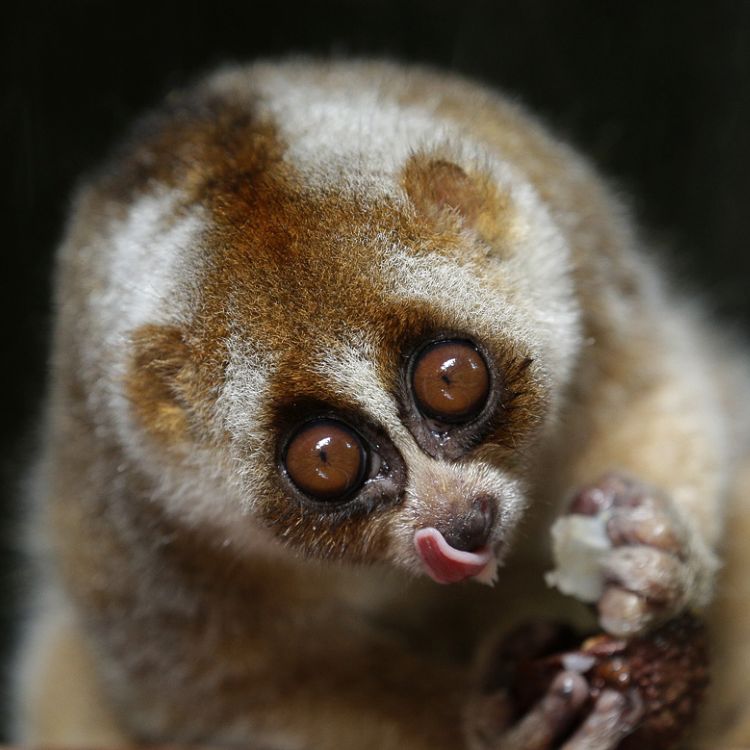
Sunda slow loris
Night Safari
Small but mighty, the Sunda slow loris remains as Singapore’s sole venomous primate and is key for its ecosystem’s seed dispersal and insect control.
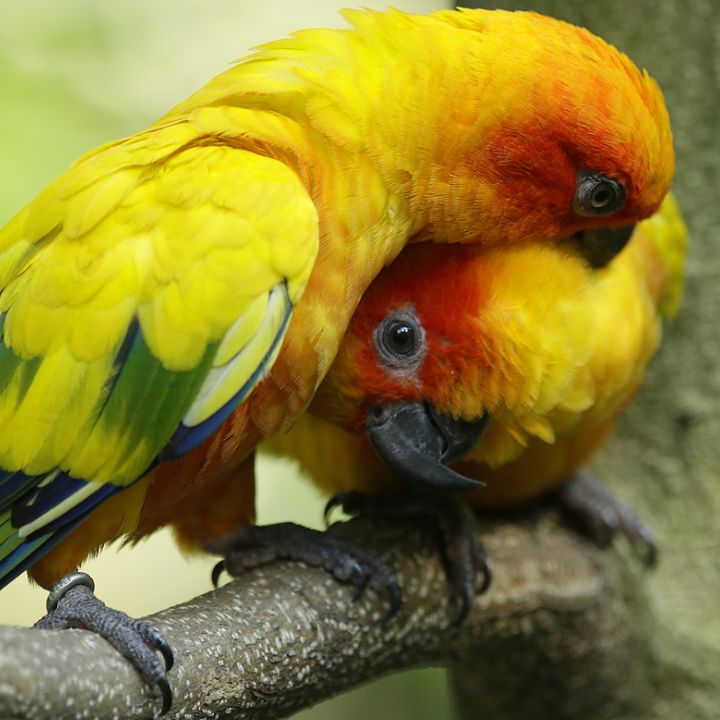
Sun parakeet
Bird Paradise
The sun parakeet is green on the wings, scarlet on the breast and golden orange on the head and neck. This brilliant mix of colours is characteristic of their genus Aratinga, a group of “mini-macaws” found predominantly in northeastern Brazil.
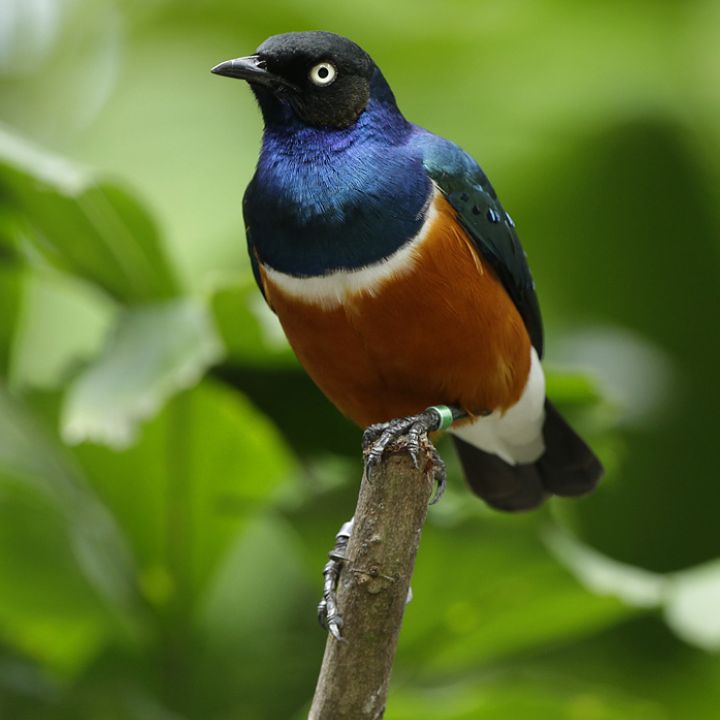
Superb starling
Bird Paradise
The superb starling (Lamprotornis superbus) is a member of the starling family of birds. It was formerly known as Spreo superbus.
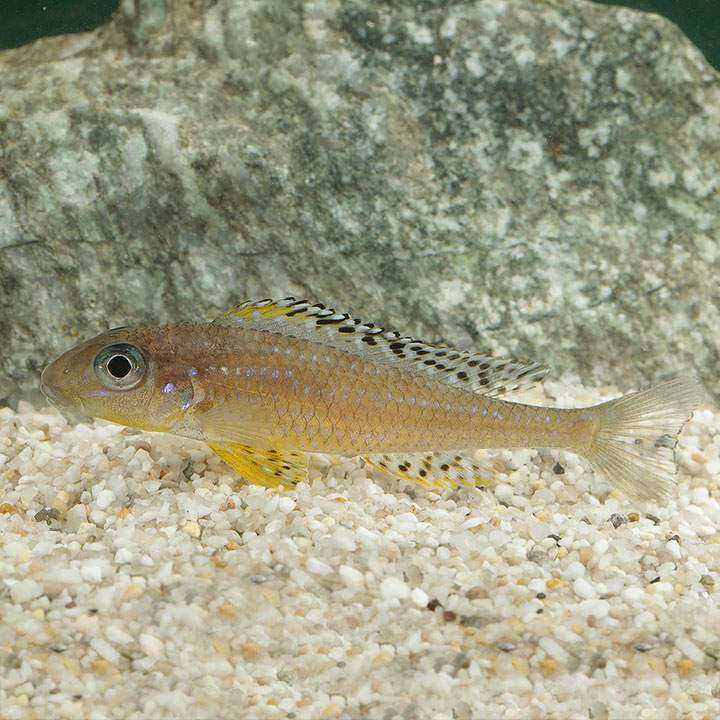
Tanganyikan butterfly cichlid
River Wonders
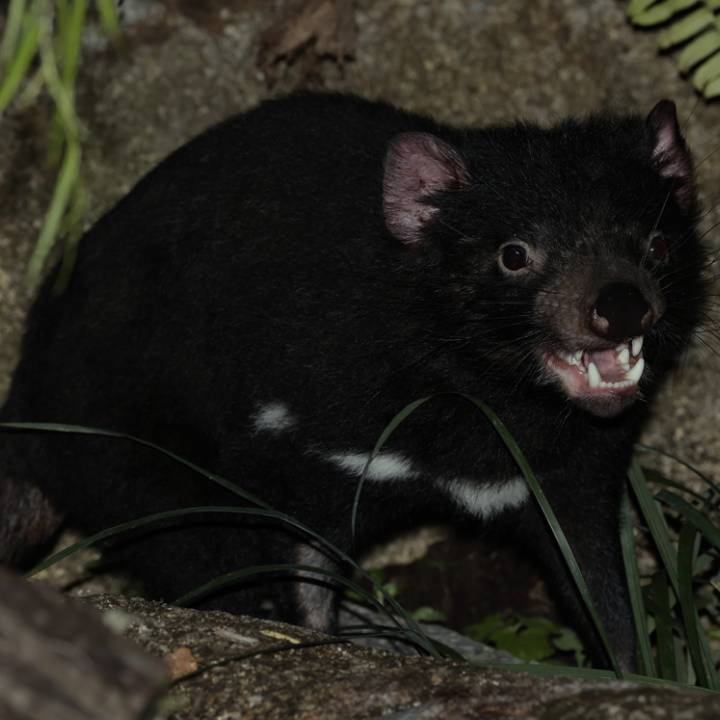
Tasmanian devil
Night Safari
The name “devil” may come from the sounds they make. They make eerie growls while searching for food at night.
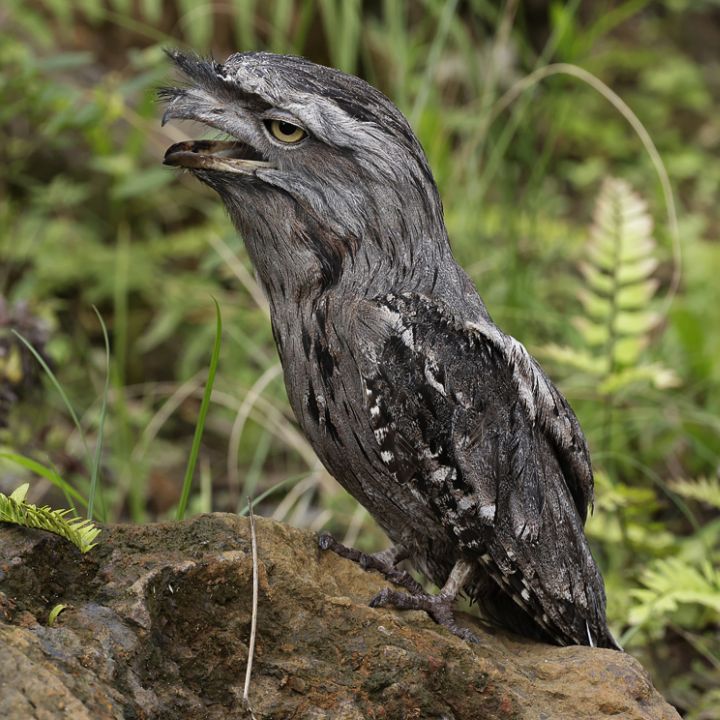
Tawny frogmouth
Bird Paradise
Often confused with owls, the nocturnal tawny frogmouth is closely related to night jars. It has a flat, wide beak like a frog’s mouth, hence its common name.
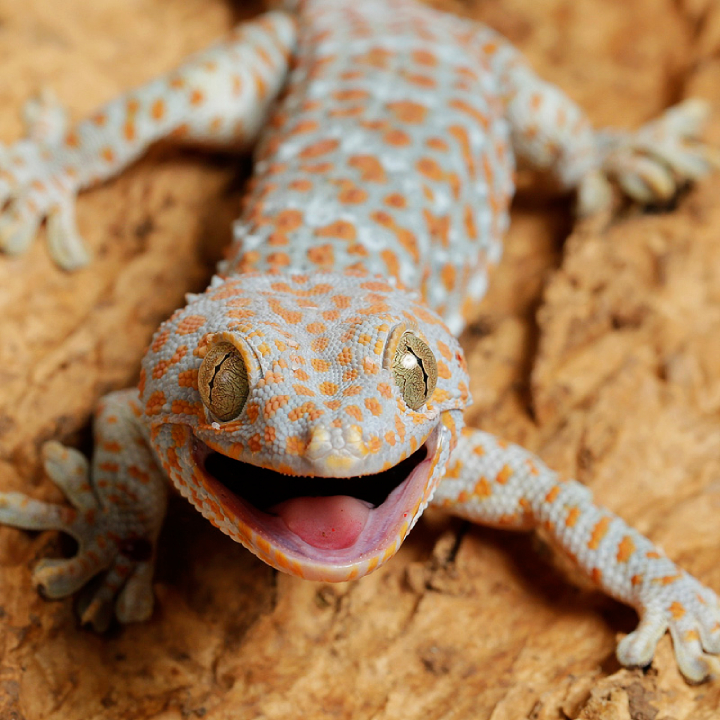
Tokay Gecko
Singapore Zoo
These bug-hunting geckos thrive in cities and even have a light-sensing “third eye” on top of their head.
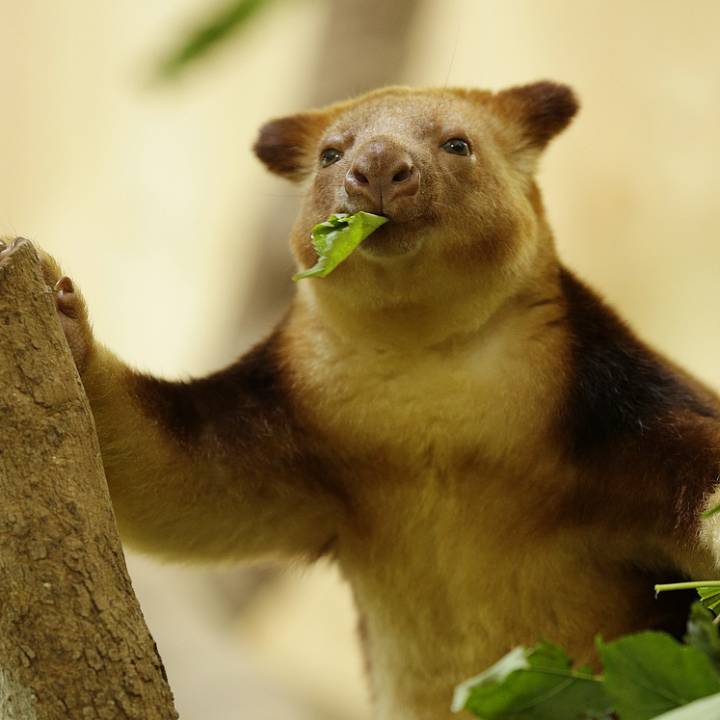
Tree kangaroo
Singapore Zoo
These kangaroos traverse the treetops with ease with their powerful arms, sharp claws and long tail.
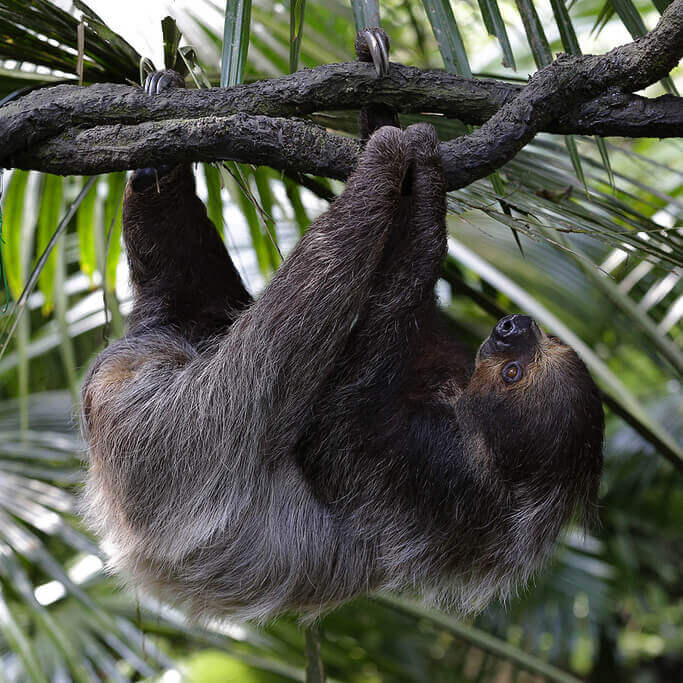
Two-toed sloth
Singapore Zoo
Whether they are sleeping, eating, mating, or giving birth, sloths carry out most of their activities hanging upside-down from tree branches.
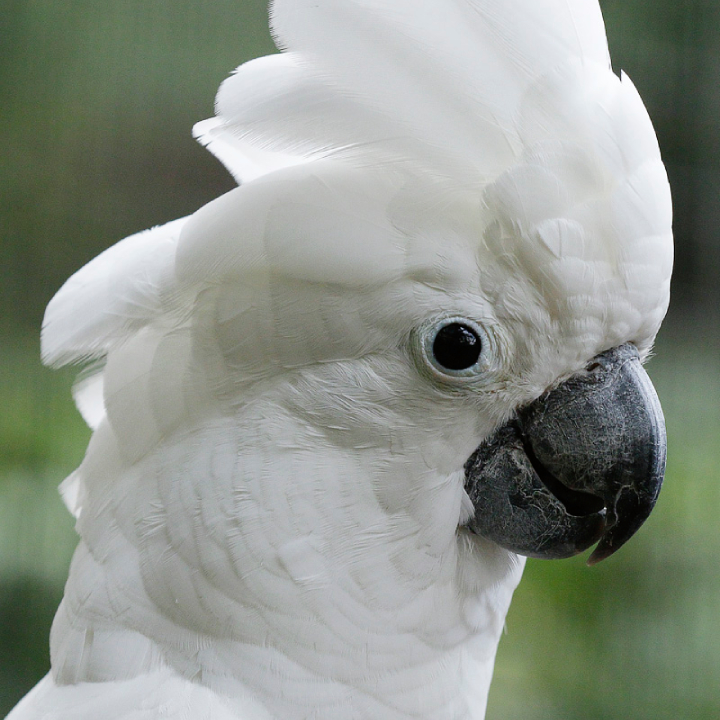
Umbrella Cockatoo
Bird Paradise
This endangered cockatoo from Northern Moluccas, Indonesia, is so named as it has a crest that looks like an umbrella when erected, which happens when the bird is excited or alarmed.
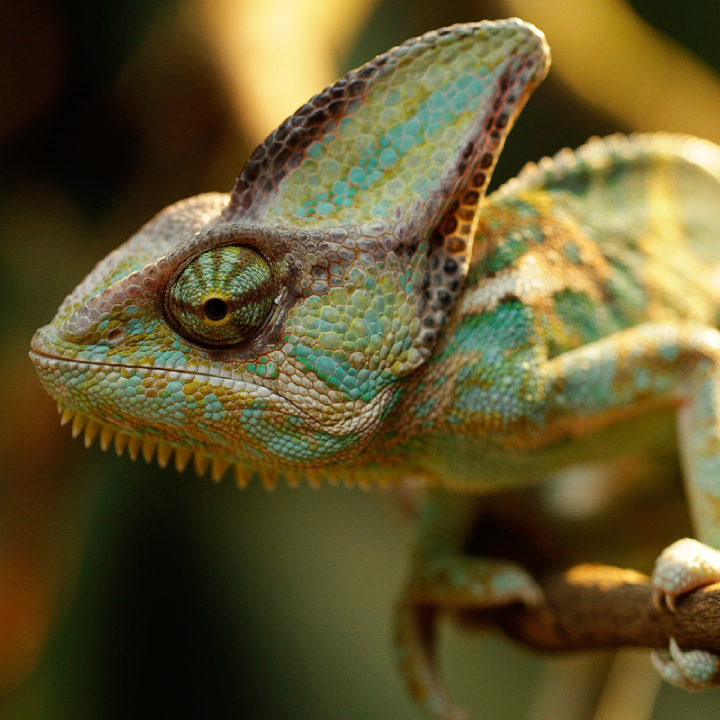
Veiled chameleon
Singapore Zoo
Their binocular vision enables them to move their eyes independently, focusing on two different objects at once!
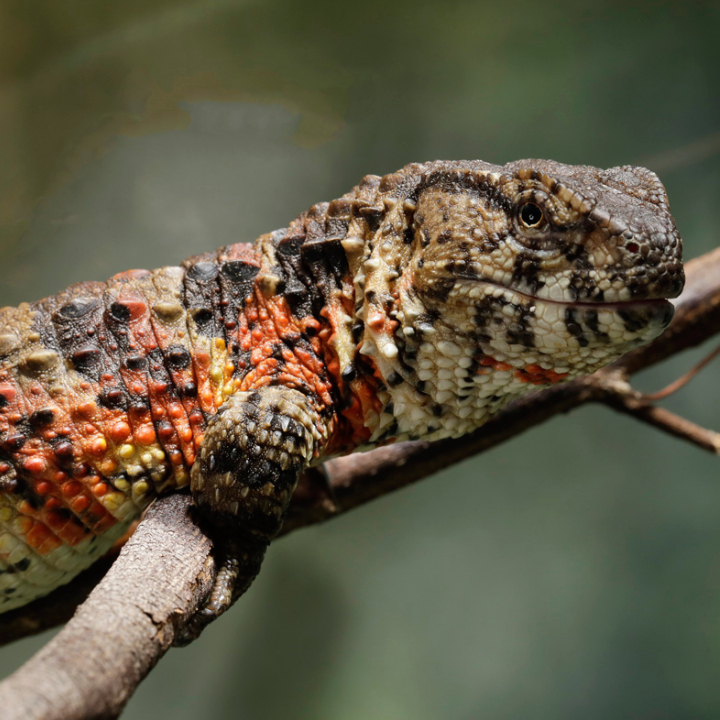
Vietnamese Crocodile Lizard
Singapore Zoo
Named for their croc-like tails, these rare lizards give birth to live young—unusual for reptiles!
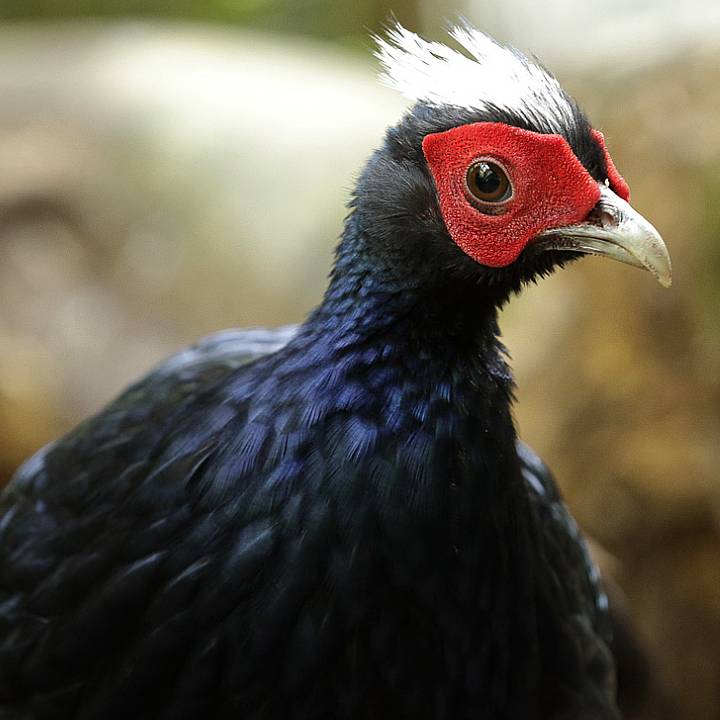
Vietnam pheasant
Rainforest Wild Adventure WEST
We manage an insurance colony for this critically endangered bird, working towards its eventual reintroduction into the wild.
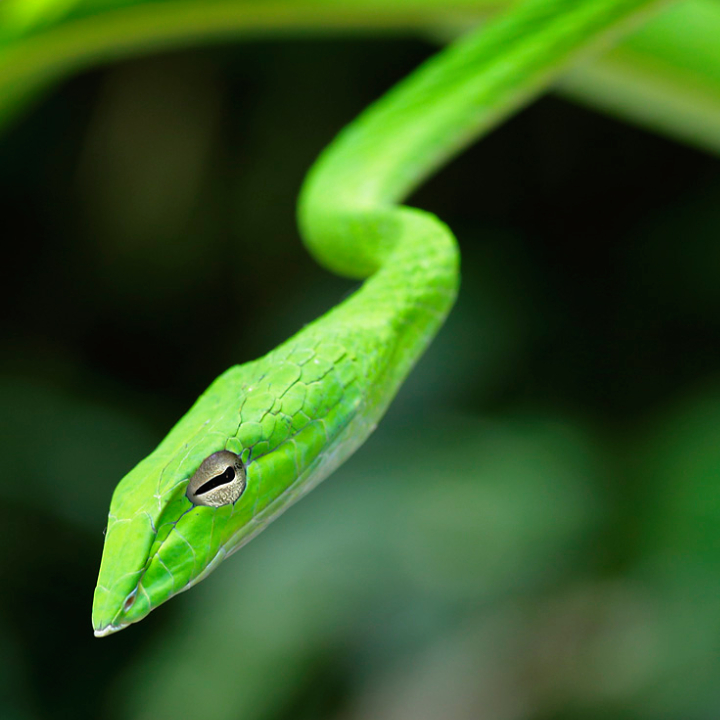
Vine Snake
Singapore Zoo
These slender, tree-dwellers are venomous, using their venom to subdue prey. However, they are not considered dangerous to humans.
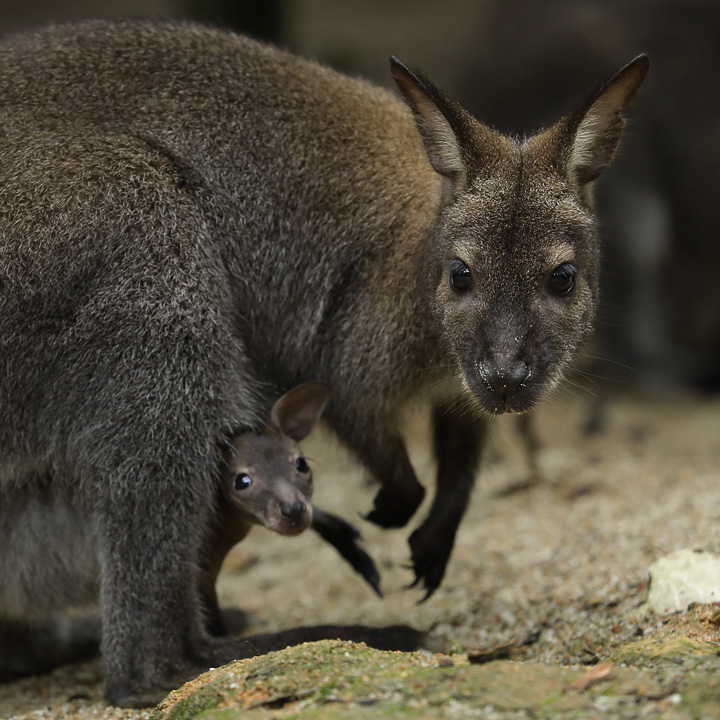
Wallaby
Night Safari
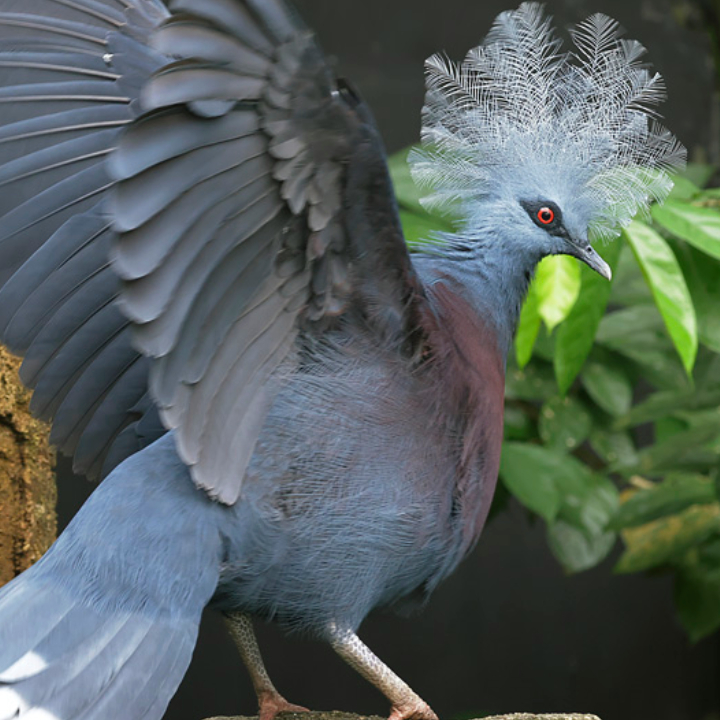
Western Crowned-Pigeon
Bird Paradise
Crowned with a lacy crest, this massive pigeon lives in West Papua, Indonesia. It feeds on fruits and insects on the forest floor during the day and roosts in trees at night.
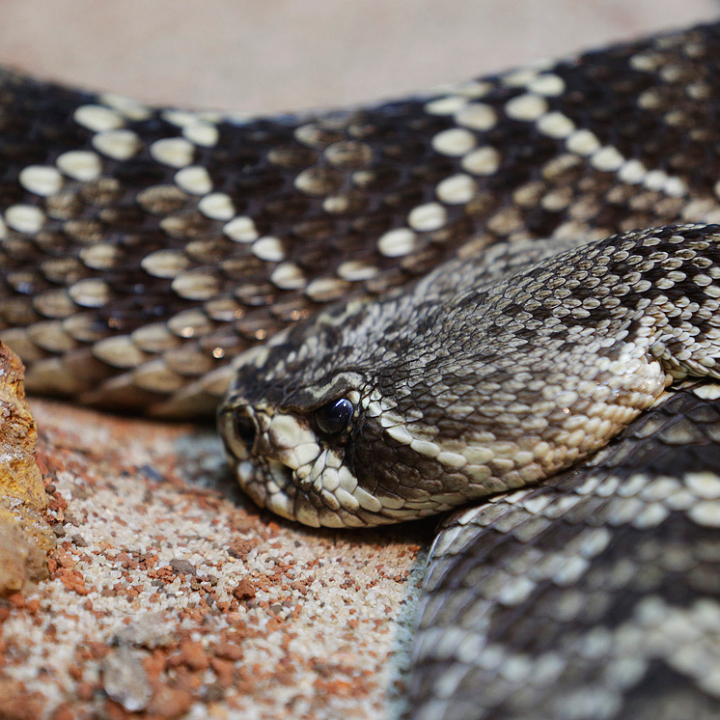
Western Diamondback Rattlesnake
Singapore Zoo
While they aren’t born with rattles, every shedding leaves a little piece on their tail – adding a new ‘button’ and making their rattle bigger.
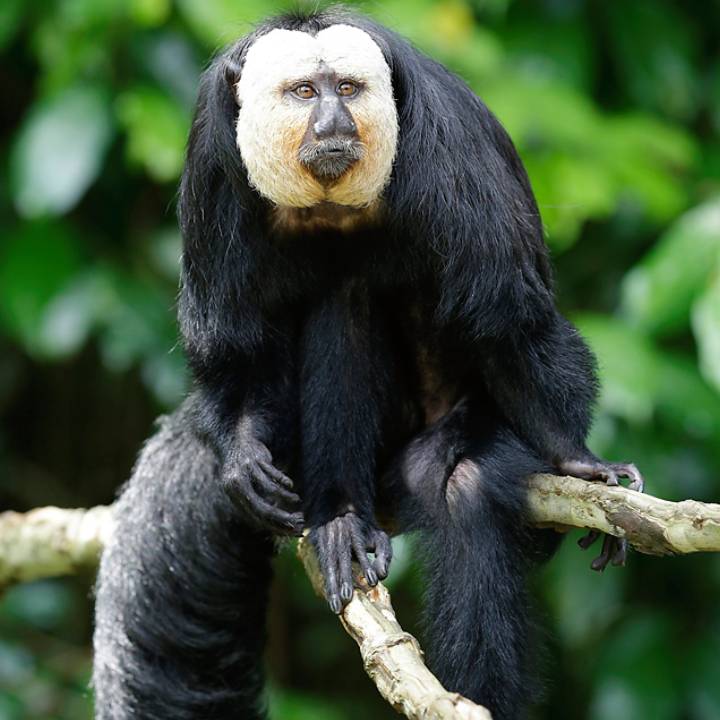
White-faced saki
River Wonders
Despite having long thick tails, they are not prehensile - they can’t use it to grip branches like some other monkeys.
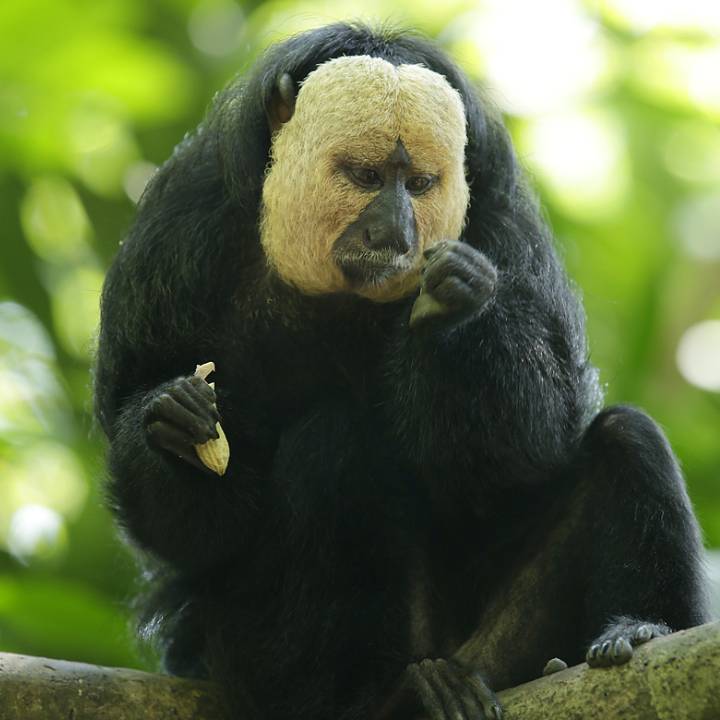
White-faced saki monkey
Singapore Zoo
Sakis can make downward leaps covering close to 10m, a feat which has earned them the nickname “flying monkeys”. Head down to Fragile Forest or Primate Kingdom zones to see them in action.
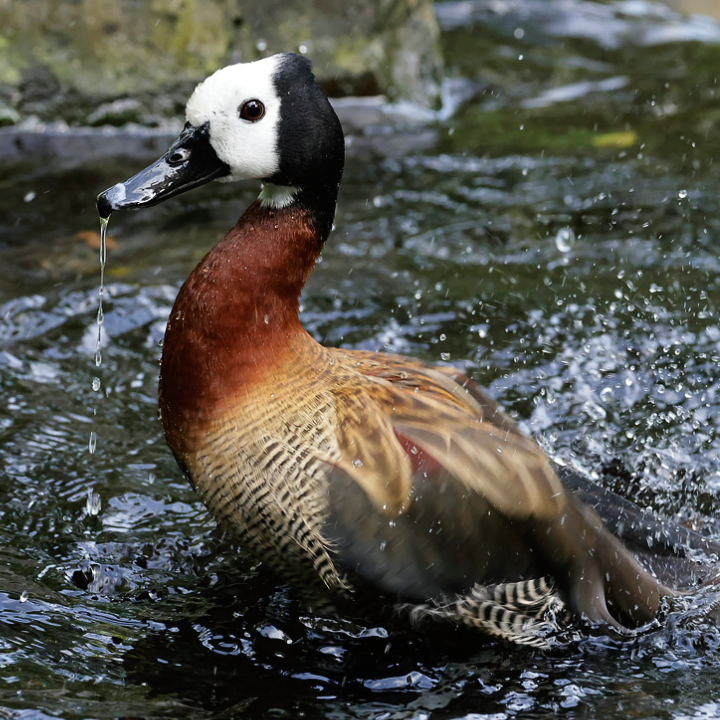
White-faced Whistling Duck
Rainforest Wild Adventure EAST
Instead of quacking, they produce a high-pitched three-note whistle and are often called tree ducks for their habit of perching in trees!
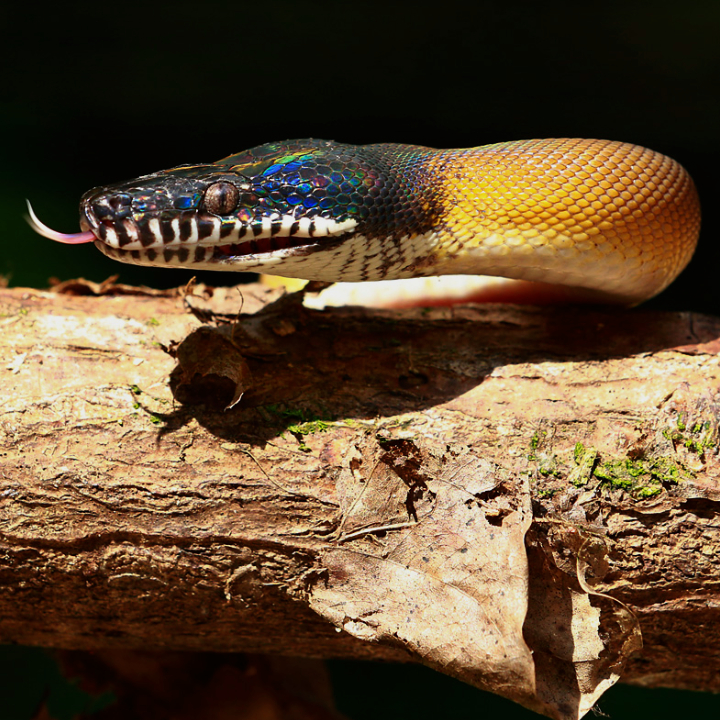
White-Lipped Python
Singapore Zoo
With rainbow-sheen scales and more teeth than any other python, it’s a dazzling ambush hunter.
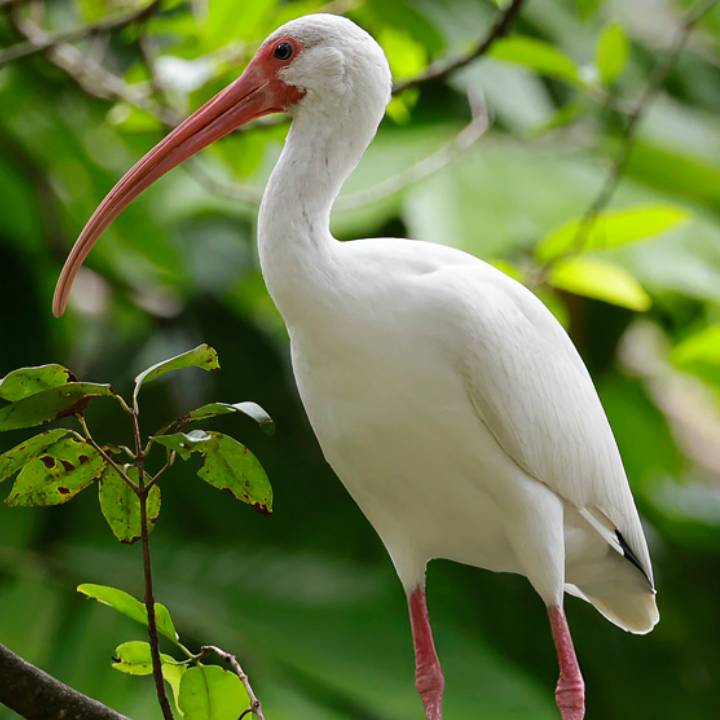
White ibis
River Wonders
Highly gregarious, these birds can live in flocks and nest in large colonies that number in the tens of thousands!
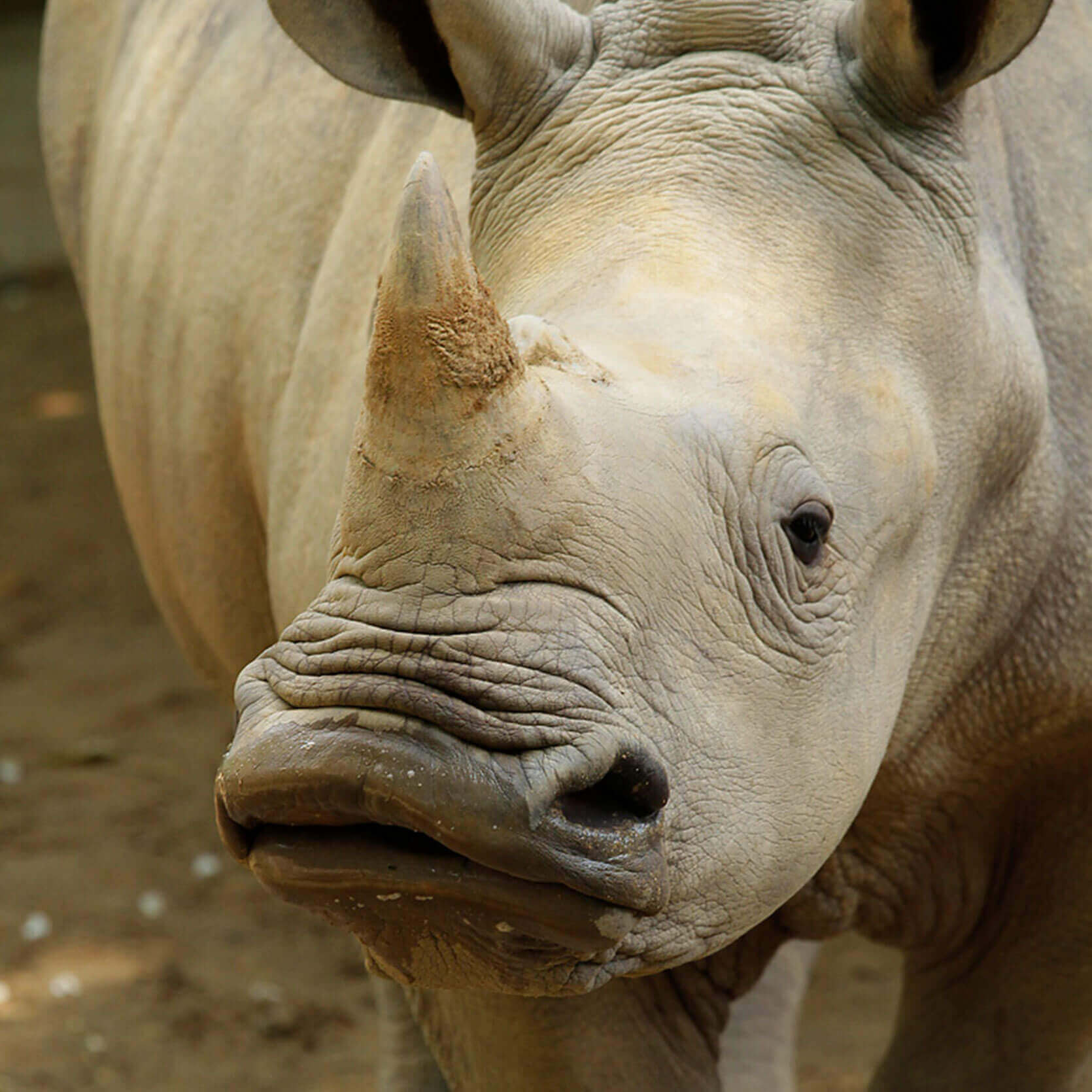
White rhinoceros
Singapore Zoo
A huge animal that feeds exclusively on grass, the white rhino has a wide mouth shaped for ‘mowing’ short grass. Its square lips set it apart from the hook-lipped black rhino.
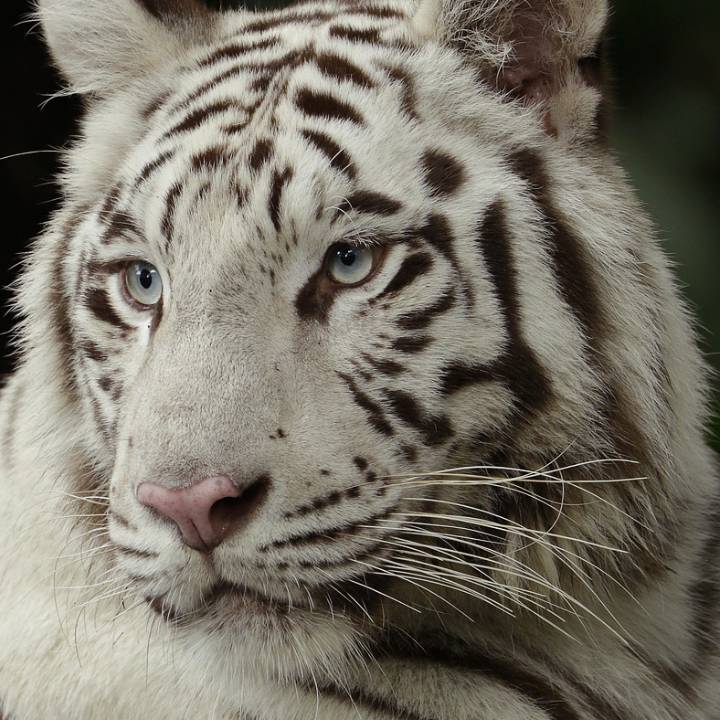
White tiger
Night Safari
White tigers are not albinos or a different sub-species of tigers. Their white coat, brown stripes and blue eyes are the result of a mutated gene. Both white and orange-coloured tiger cubs can be found in the same litter.
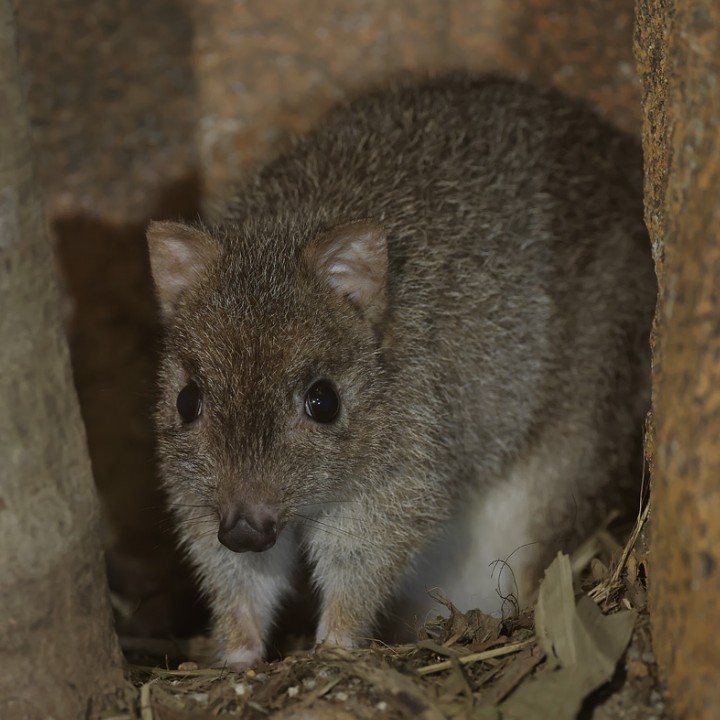
Woylie
Night Safari
A woylie can move six tons of soil per year in nocturnal diggings in search of its favourite food: truffles.
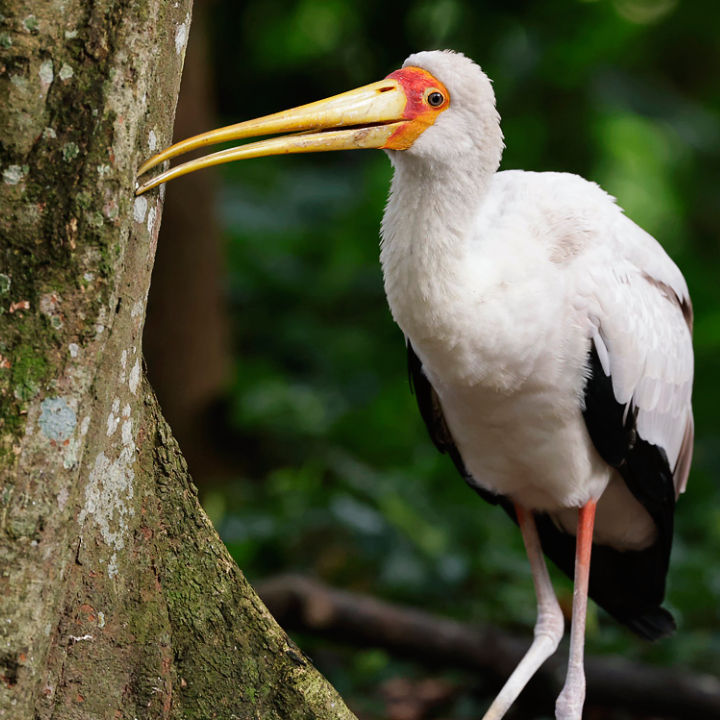
Yellow-billed Stork
Rainforest Wild Adventure EAST
Rather than relying on sight, this stork wades with its bill open, snapping shut at prey it feels out - allowing it to hunt effectively in murky waters.
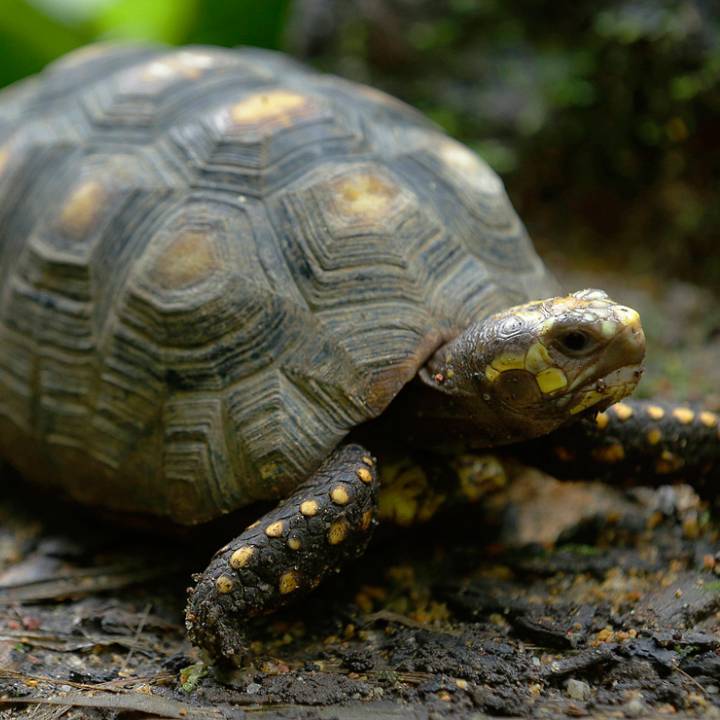
Yellow-footed tortoise
River Wonders
Mating year-round, males tell females apart by watching for head movements - no response usually means it's a female.
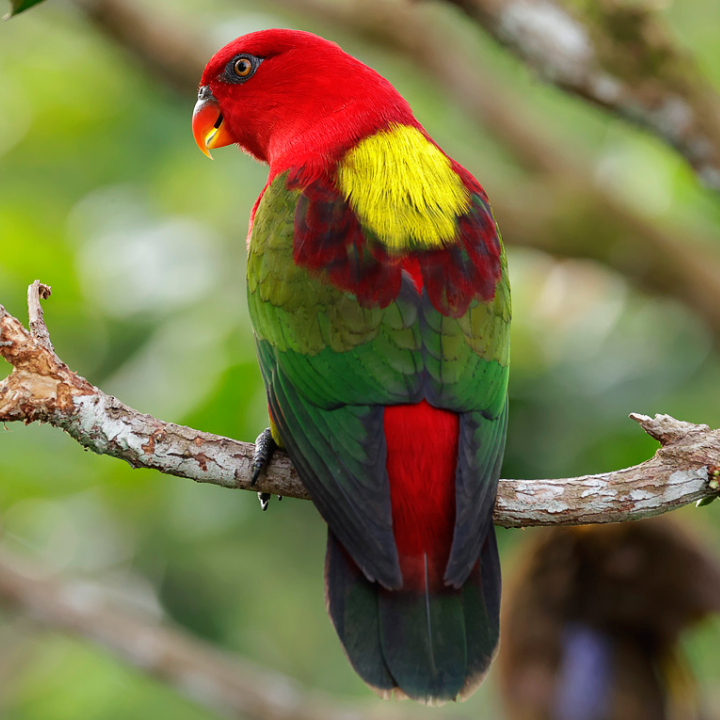
Yellow-Mantled Chattering Lory
Bird Paradise
Chattering lories are predominantly red in colour with green wings. Three subspecies are endemic to the forests of North Moluccas, with each occupying different island clusters and varying slightly in appearance.
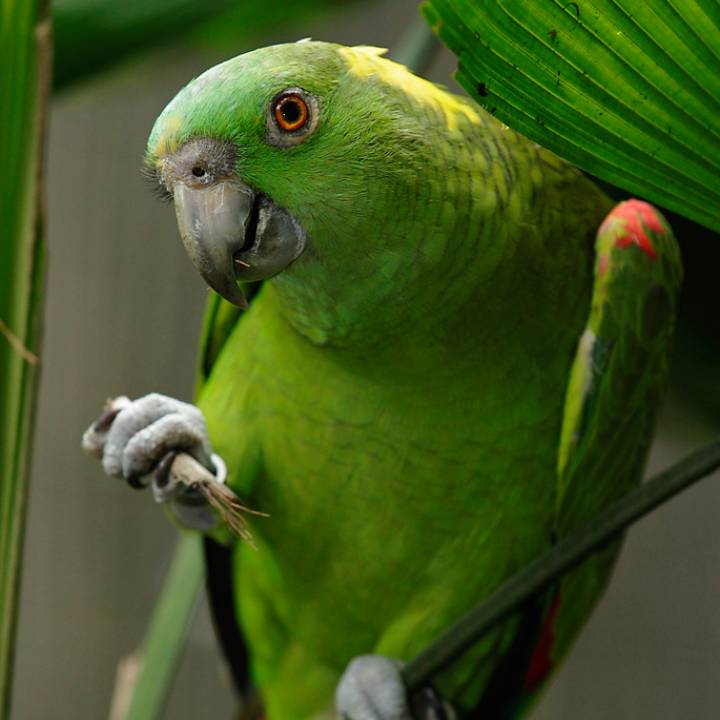
Yellow-naped Amazon
Bird Paradise
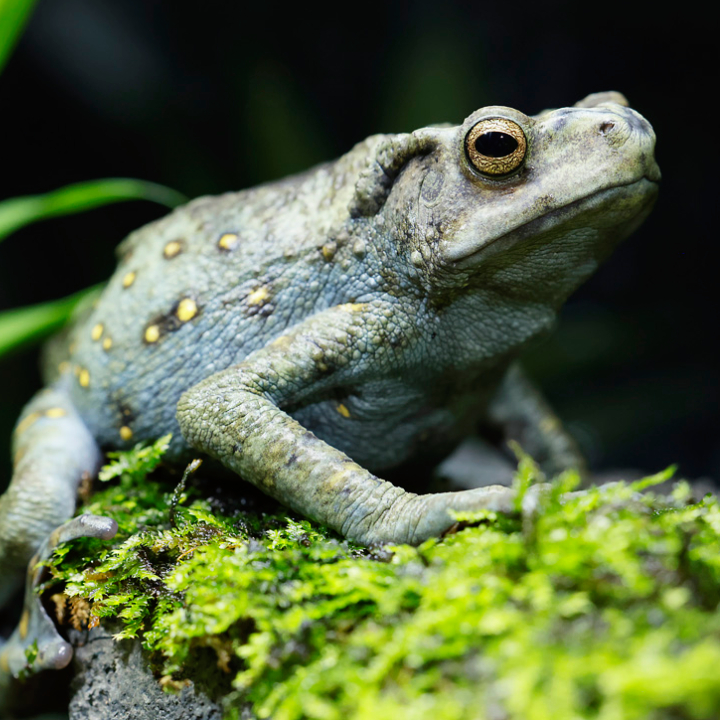
Yellow-Spotted Climbing Toad
Singapore Zoo
Living high in the canopy, females are bigger and brighter than their brownish-orange mates.
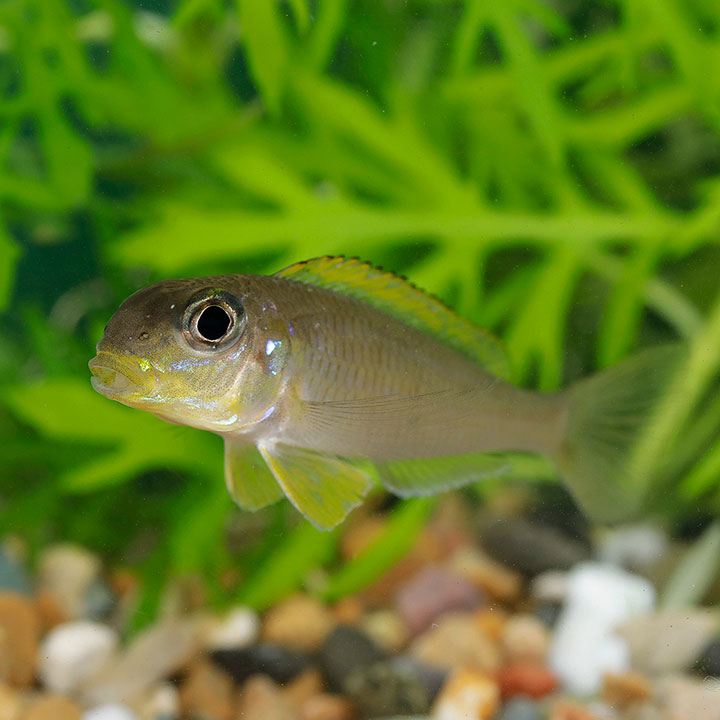
Yellow sand cichlid
River Wonders
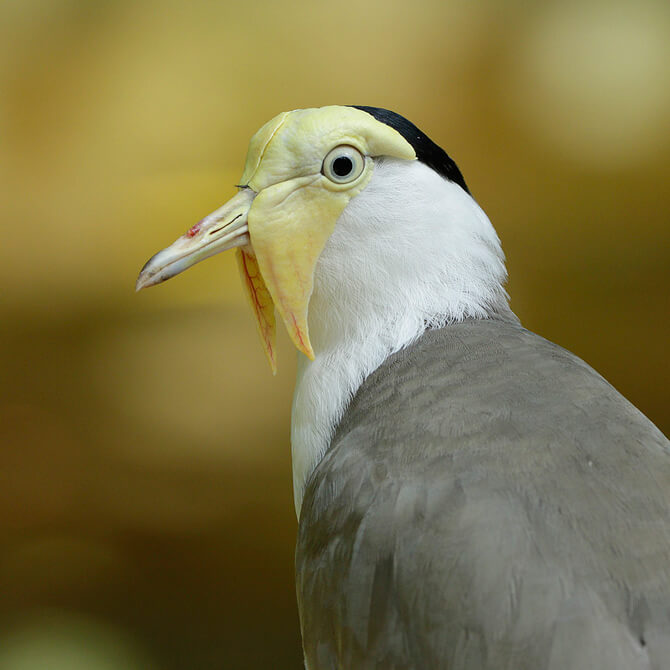
Yellow wattled lapwing
Night Safari
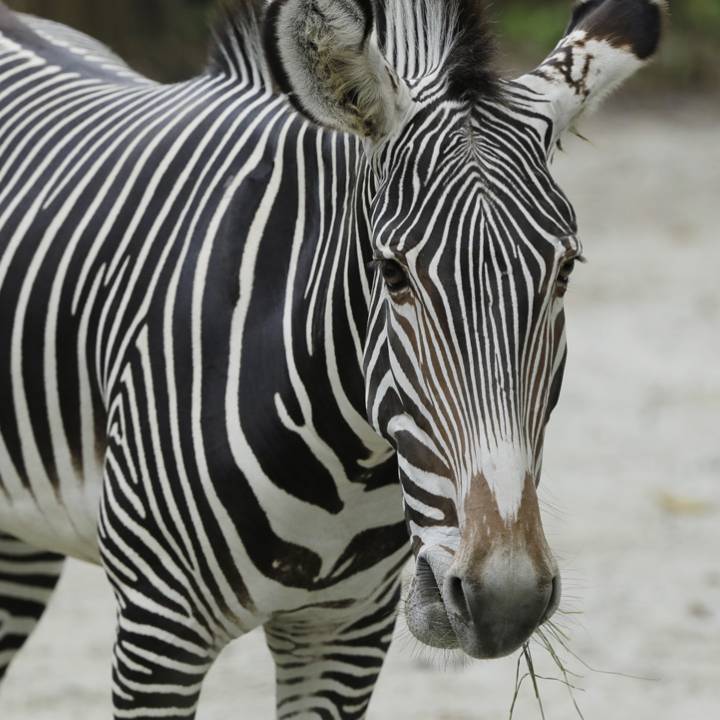
Zebra
Singapore Zoo
Stallions of this species mark and maintain territories using middens (dung piles). The Grevy's zebra is distinguished from other zebras by its round ears, white underbelly and the bullseye stripe pattern on its rump.
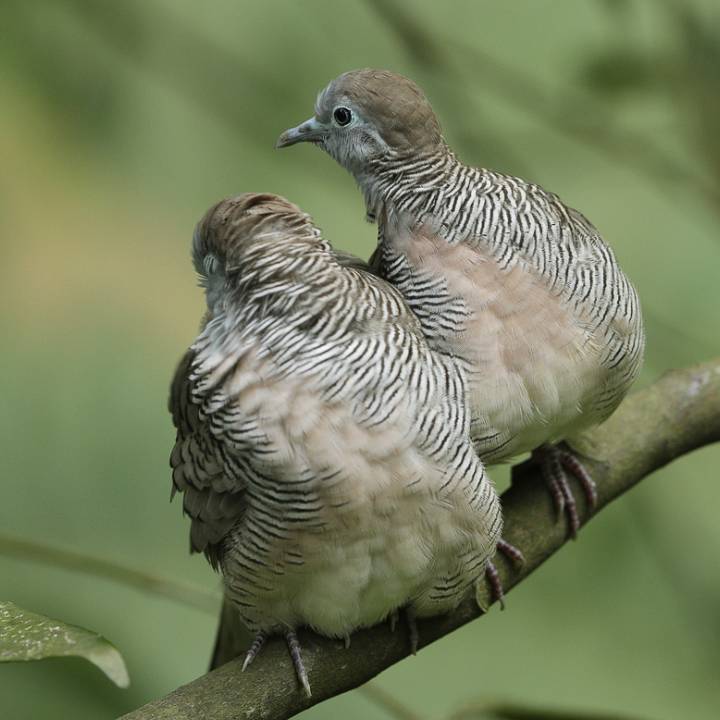
Zebra dove
Singapore Zoo
True to their name, their feathers are adorned with fine black and white bars, resembling zebra stripes.